
Reviewed · THE HAGUE TOURS
The Hague: Prison Gate Museum
The most gripping part of The Hague’s Prison Gate Museum is the building itself. This was once the gateway to the Binnenhof, then a prison and courthouse where suspects waited for trial and debtors were locked away. Johan and Cornelis de Witt were among the famous figures tied to its dark past.
I like two things in particular: the centuries-old cells make punishment feel physical rather than abstract, and the national collection of torture and punishment instruments gives the visit a hard edge. The main consideration is that this ticket is self-guided, so you will not have a guide explaining the displays as you go.
Key points
- Medieval gateway: Enter a 13th-century building that once guarded the approach to the Binnenhof.
- Prison cells: See the cramped spaces used for poor and wealthy prisoners.
- Dutch political history: Learn how the murder of Johan and Cornelis de Witt is linked to the site.
- Punishment collection: View historic instruments used for torture and sentencing.
- Hofvijver setting: The museum sits beside one of The Hague’s most recognizable waterways.
- Flexible visit: Your admission is valid for one day, with free cancellation up to 24 hours before the visit.
Entering The Hague’s Medieval Prison Gate
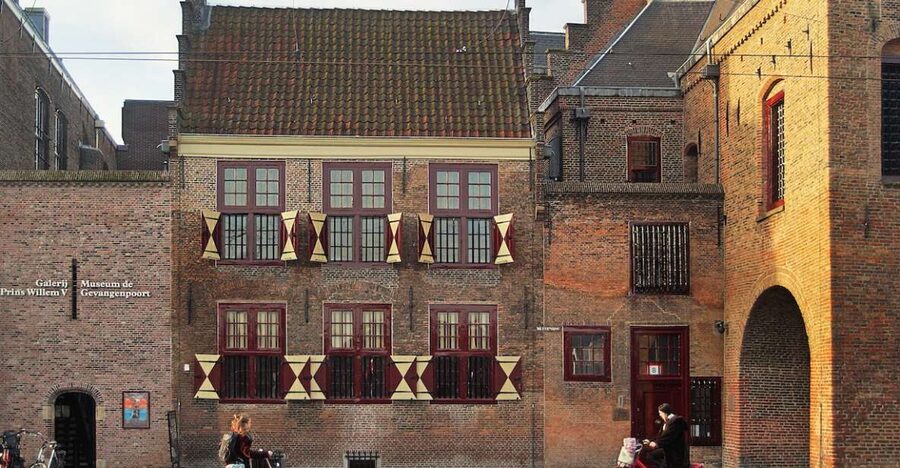
Museum de Gevangenpoort is not a modern museum placed inside an old shell. The building is the main exhibit. Its thick walls, narrow rooms, and former gatehouse function give the visit a strong sense of place from the moment you enter.
In the 13th century, this structure served as an imposing entrance to the Binnenhof, the political heart of The Hague. Later, it became the prison and courthouse of the Hof van Holland. That change tells you a great deal about old European cities: a building used to control movement could easily become a place used to control people.
The museum sits beautifully beside the Hofvijver. That pleasant setting can soften your first impression, but the story inside is far less gentle. You are not simply looking at an old monument. You are following the path of people who were arrested, held, judged, and punished here.
The contrast is part of the appeal. Outside, you have water, historic government buildings, and one of The Hague’s classic views. Inside, you encounter confinement and fear. I would plan this as a focused historical stop rather than a quick photo visit.
More Museums in The Hague
- The Hague: Escher in The Palace Museum Ticket
★ 4.6 · 896 reviews - Royal Delft: Delftblue Factory and Museum Admission Ticket
★ 4.5 · 145 reviews - The Hague: Panorama Mesdag Museum Entry Ticket
★ 4.8 · 143 reviews
From Gateway to Prison and Courthouse
The first major idea to keep in mind is the building’s changing role. It began as a gateway, then became a place where the legal system of the Hof van Holland dealt with suspected criminals and people who could not pay their debts.
That makes the museum useful for understanding how justice worked in earlier centuries. The site is not limited to famous political events. It also deals with ordinary prisoners, court procedures, social rank, and the punishments imposed by authorities.
You will learn where suspects waited for trial and where defaulters were imprisoned. The questions are practical and revealing: Which cells were used? Did wealthy prisoners receive better treatment than poor prisoners? Where did people hear their verdicts? What happened after sentencing?
The answers help you picture a legal system shaped by status and limited personal rights. A prison visit can become a parade of grim objects, but this museum connects those objects to the people and institutions that used them.
Since the experience is without a guide, take time to read the available material rather than rushing from room to room. The setting rewards attention. Doorways, cells, and old court spaces carry meaning even before you reach the displays.
Seeing the Cells Where Prisoners Waited
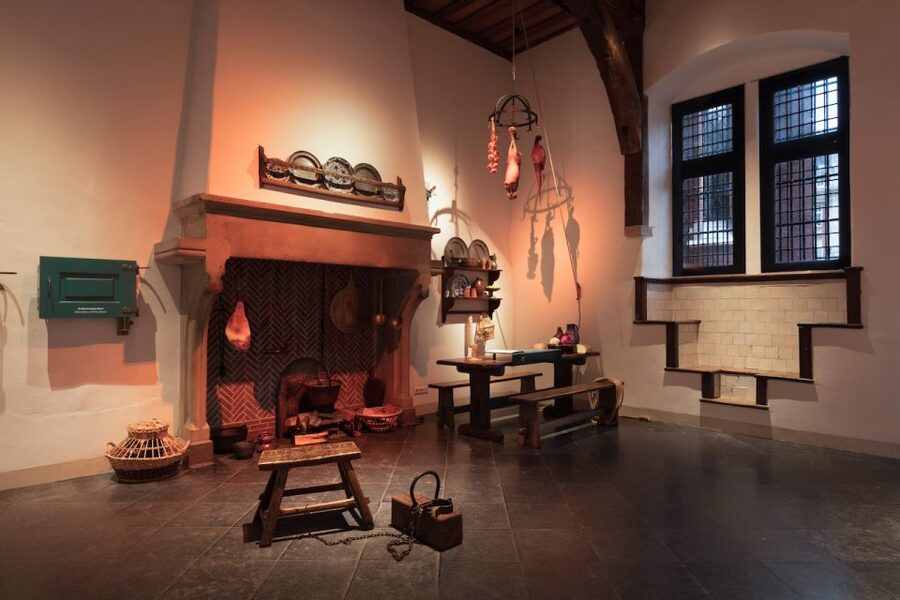
The prison cells are the heart of the visit. You can see the old rooms where people were held before their cases were decided. Their age matters, but their function matters more. These were working prison spaces, not decorative rooms designed to look old.
The cells also help explain the difference between poor and wealthy prisoners. The museum specifically examines this divide, giving you a chance to consider how money and social position affected confinement. That is one of the most useful parts of the experience because it moves the story beyond a simple good-versus-bad account of crime.
You may find the rooms smaller and more severe than expected. The point is not comfort. These spaces were designed to hold people while authorities decided their fate, and the lack of privacy would have been part of the punishment.
I would not expect a full reconstruction of daily prison life from every hour of the day. The supplied information promises access to the cells and an explanation of imprisonment, trials, and punishment, but it does not provide a detailed schedule of demonstrations or live interpretation. Go for the setting and the historical framework, not for an interactive show.
The self-guided format can work well here. You can pause in a cell, read at your own speed, and spend more time on the parts that interest you. If you prefer a guide to bring every room to life, this admission alone may feel limited.
How Trials and Verdicts Were Handled
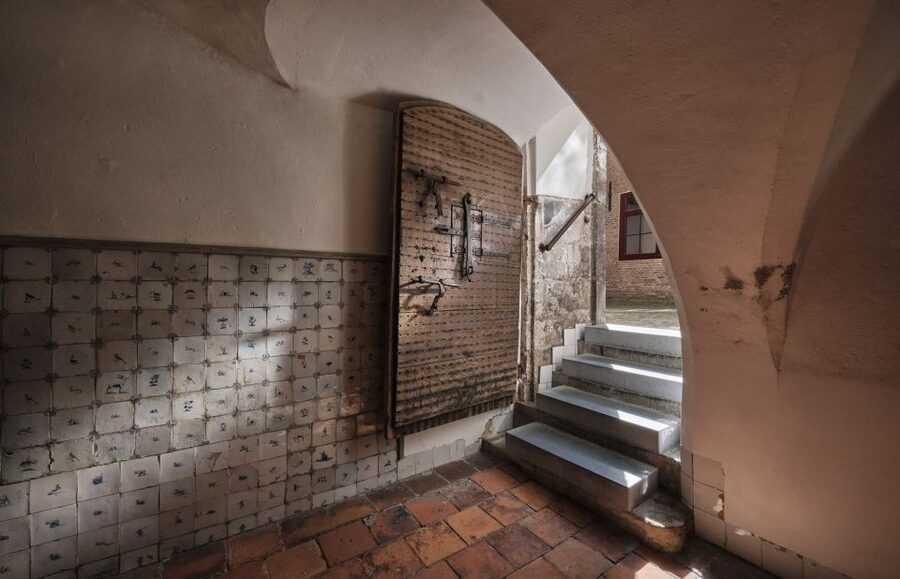
The Prison Gate was also a courthouse, so the museum deals with more than confinement. You will learn where suspected criminals waited, how cases were handled, and where verdicts were heard.
That court connection gives the visit a useful structure. First came arrest or accusation. Then came confinement and a legal decision. Finally came punishment, release, or continued imprisonment. The building held several stages of the process in one place.
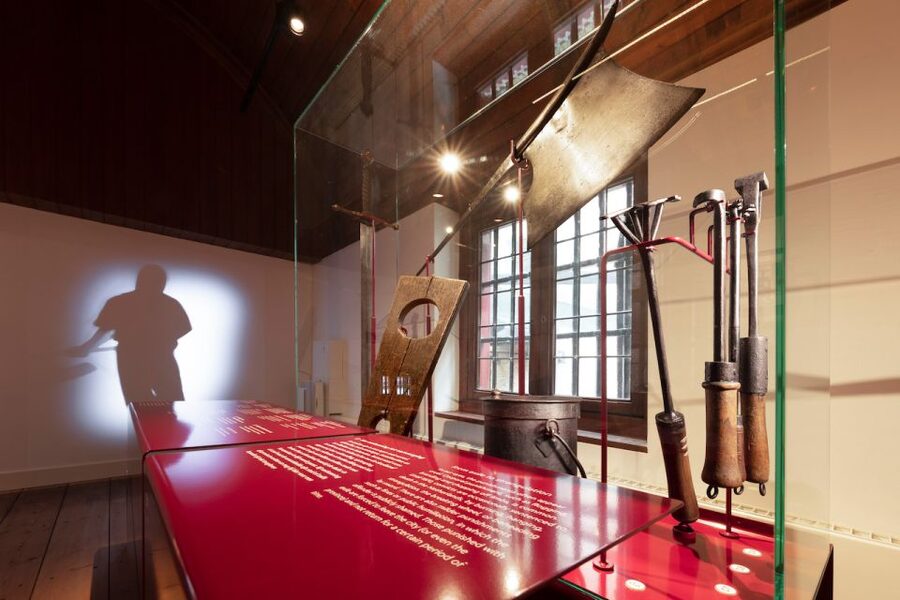
I like this approach because it shows punishment as part of a system. The torture instruments are disturbing, but they make more sense when viewed alongside the courtrooms and cells. You can ask not only what an instrument did, but why authorities believed such methods were acceptable.
The museum also raises questions about debt and social order. People who could not pay were imprisoned, which gives the site a wider focus than violent crime alone. It shows how law protected property and authority, often at a heavy human cost.
Because no guide is included, you will need to make the connections yourself. The subject is easy to grasp, but readers who want detailed legal history may wish for more spoken explanation. For most visitors, the building and displays should provide enough structure for a worthwhile visit.
Same country, a completely different kind of day:
- The Hague: Mauritshuis Entrance Ticket
★ 4.7 · 2,706 reviews - The Hague: City Canal Cruise
★ 4.6 · 2,024 reviews - The Hague: Madurodam Miniature Park Entry Ticket
★ 4.6 · 1,559 reviews - The Hague: The Pier SkyView Ticket with Drink and Snack
★ 4.4 · 1,398 reviews
The Torture and Punishment Collection
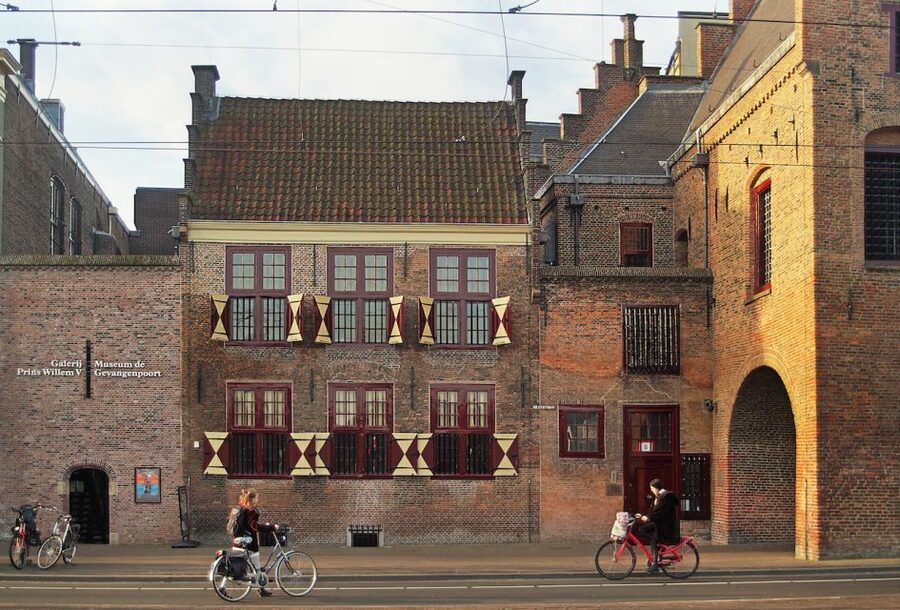
The national collection of torture and punishment instruments is likely to be the most confronting section. These objects are not included for cheap shock. They show the physical methods used to punish people and reveal how public authority once operated through pain and fear.
You should expect this part of the museum to be grim. It may not suit very young children or anyone who prefers lighter museum visits. The information provided does not specify age guidance, so use your judgment based on your group.
The collection also gives the museum a wider importance. You are not seeing a few unrelated objects in an old prison. You are encountering a national collection in a building where punishment was part of daily legal business.
I recommend taking this section slowly. Look at the tools, then return to the larger questions raised by the cells and court areas. Who was punished? Who had the power to order it? Did wealth change the experience? Those questions make the displays more meaningful and less like a collection of grim curiosities.
The museum’s strongest quality is the way the objects connect to the building. A torture instrument in a glass case can feel remote. Here, it belongs to a place built around imprisonment, judgment, and control.
The De Witt Brothers and Dutch Political Memory
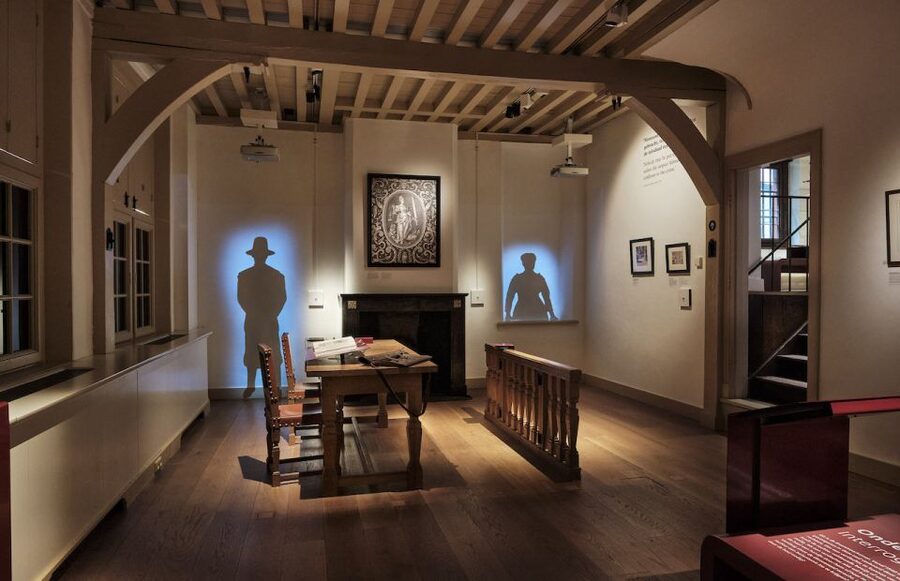
One of the most important stories tied to the Prison Gate is the murder of Johan and Cornelis de Witt. Their imprisonment and death connect the museum to a major moment in Dutch history and show that the building was not only used for common criminal cases.
The De Witt brothers were important Dutch political figures. Their story gives the museum a political dimension, linking prison history with public power and national memory.
You should not expect the entire visit to focus only on them. The museum covers crime and punishment across earlier centuries, with the brothers forming one major chapter. Still, their connection gives the site extra weight. The cells and courtrooms were not remote settings removed from public affairs. They were part of the machinery of power.
For anyone interested in Dutch history, this is a strong reason to visit. It helps connect The Hague’s political identity with a physical place where fear, law, and politics crossed paths.
Even if you arrive knowing little about the De Witts, the story gives you a clear example of how the building could become involved in events far larger than ordinary prison administration.
How Long to Allow and What Is Included
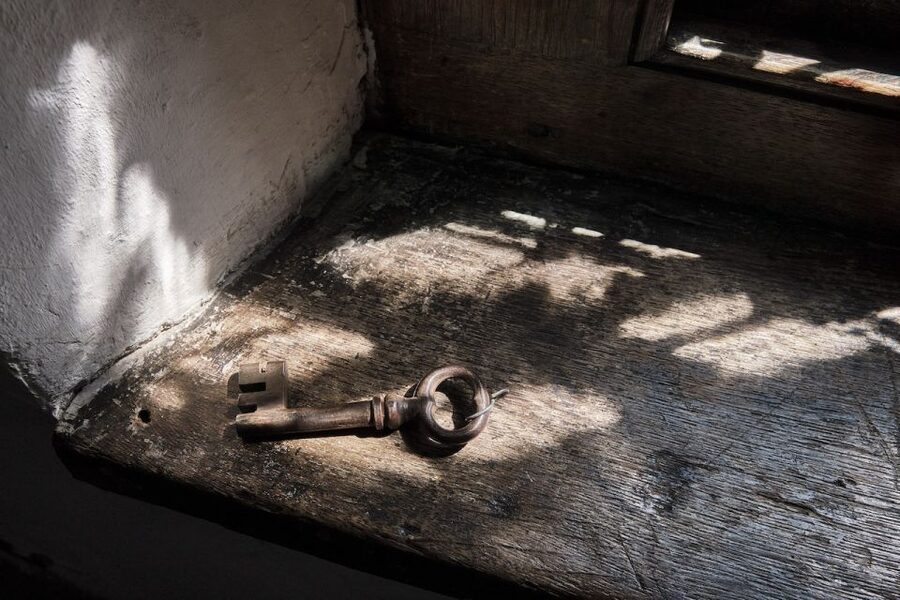
The ticket is priced at $18 per person and is valid for one day. That is a fair price if you want a substantial historical stop in central The Hague, especially because the museum offers access to the building, cells, court-related spaces, and the punishment collection in one visit.
The value depends on your interests. If you enjoy political history, old prisons, legal customs, or historic buildings, you are getting several subjects for the cost of one admission. If you are mainly seeking a fast overview of The Hague, you may find the price harder to justify.
The stated duration is one day, but that does not mean you need to spend an entire day inside. It means your ticket is valid for the day of your visit. Plan your timing around the rest of your sightseeing rather than treating this as a full-day tour.
Entry is included, as are Wi-Fi and use of a wardrobe. Food and drinks are not included, so plan those separately. No transportation is included either, though the museum’s location beside the Hofvijver makes it a natural stop while exploring the Binnenhof area.
The ticket also allows cancellation up to 24 hours in advance for a full refund. You can reserve now and pay later, which is useful if your schedule in The Hague is still shifting.
Who Will Get the Most From This Museum
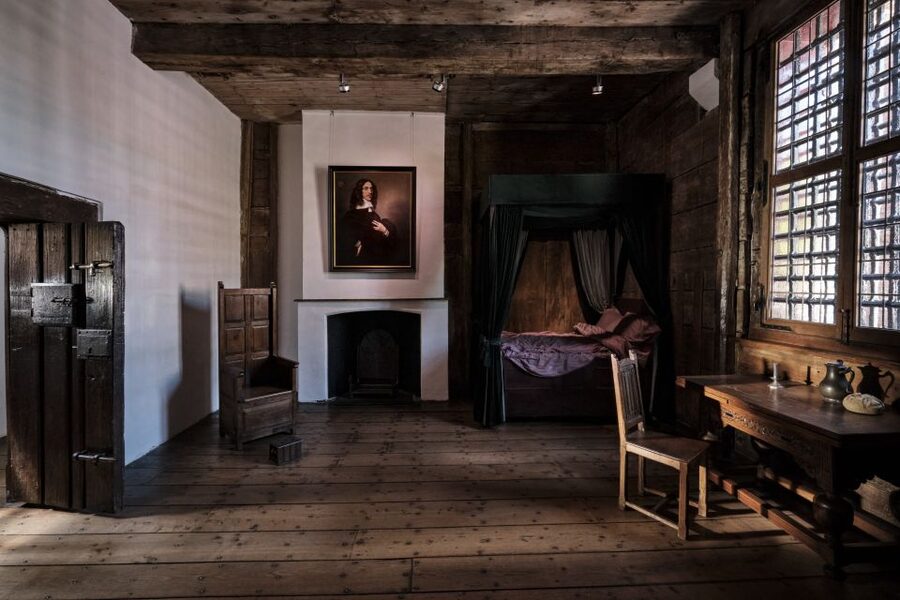
I would recommend the Prison Gate Museum to you if you enjoy places where the architecture and the story are tightly linked. The building is not a backdrop. It shapes the entire visit.
It is especially suitable for:
- People interested in Dutch political history and the De Witt brothers
- Visitors curious about medieval and early modern justice
- Anyone who enjoys historic prisons and court buildings
- Adults who want a serious museum stop rather than a light attraction
- Families with older children who can handle difficult subjects
- Visitors already exploring the Binnenhof and Hofvijver area
You may want to skip it if torture displays are not for you. The museum’s subject is imprisonment and punishment, so even the most interesting sections deal with unpleasant material.
You should also think about the lack of a guide. The experience is advertised as self-guided, and no guided tour is included with this ticket. If you want a historian to explain each room and answer questions, check carefully for a separate guided option rather than assuming one comes with admission.
Practical Advice for a Better Visit
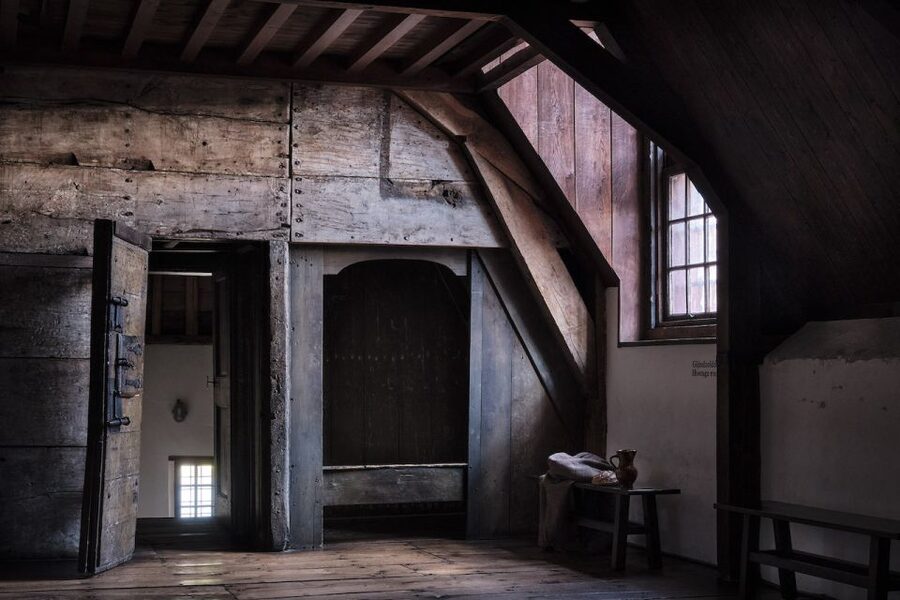
Give yourself enough time to read. The basic outline is simple, but the value comes from connecting the gateway, prison, courthouse, cells, and punishment collection.
Start by paying attention to the building’s original role as the entrance to the Binnenhof. Then consider how that same structure changed into a place of detention and law. This makes the later displays easier to understand.
Do not rush the cells. They are among the most important physical parts of the museum, and they explain more about confinement than a long list of dates can. Look for the social difference between poor and wealthy prisoners, which is one of the museum’s key themes.
Save enough attention for the De Witt story and the national torture collection. One explains the site’s place in Dutch politics. The other shows how punishment worked in practice.
The museum provides Wi-Fi and a wardrobe, but food and drinks are not included. Since the visit is self-guided, you can set your own pace, but you should not expect a guide to provide a running explanation.
Should You Book the Prison Gate Museum?
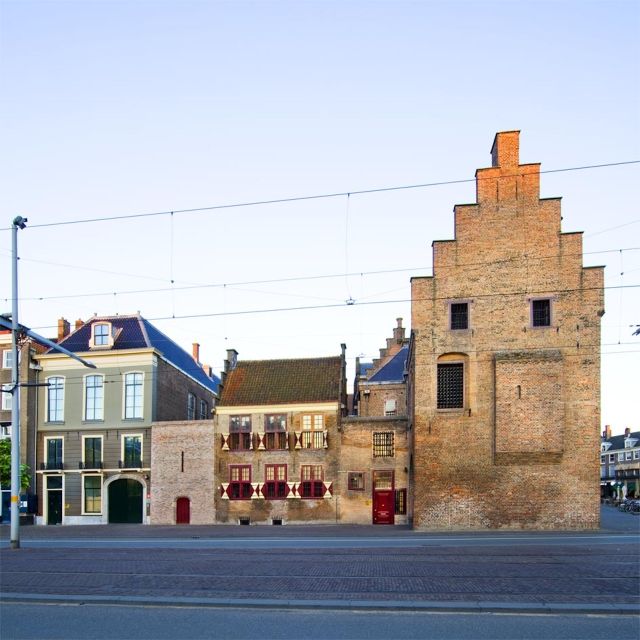
Book it if you want a serious, atmospheric look at Dutch crime, punishment, and political power in a genuine medieval building. The combination of old prison cells, courthouse history, the De Witt connection, and the national punishment collection gives the $18 admission solid value for history-minded visitors.
Skip it if you want an entertaining attraction with a guide, a light tone, or lots of hands-on activity. This is a quiet, sometimes grim museum, and the self-guided format puts the work of interpretation in your hands.
For most visitors spending time around the Hofvijver and Binnenhof, I think it is a worthwhile addition. It gives a darker counterpoint to The Hague’s grand political buildings and shows what happened when the law came through the same gates.
FAQ
Where is the Prison Gate Museum located?
Museum de Gevangenpoort is in The Hague, South Holland, beautifully situated beside the Hofvijver.
What is the price of admission?
The price is $18 per person.
How long is the ticket valid?
The ticket is valid for one day. Check availability for the available starting times.
Is a guided tour included?
No. The activity is without a guide, and a guided tour is not included.
What can I see inside the museum?
You can see centuries-old prison cells, learn how prisoners were held and tried, explore punishment practices, and view the national collection of torture and punishment instruments.
Which Dutch figures are connected with the museum?
Johan and Cornelis de Witt were imprisoned there, and their murder is one of the important events linked to the building.
Are food and drinks included?
No. Food and drinks are not included in the admission.
Can I cancel my booking?
Yes. You can cancel up to 24 hours in advance for a full refund. You can also reserve now and pay later.
Just added around The Hague
- Private Tour of Rotterdam and The Hague including Transfer★ 5.0 · 3 reviews
- Private Tour of The Hague, Delft and Rotterdam with Lunch★ 5.0 · 3 reviews
- Discover Historical Delft with an Audio Guide★ 5.0 · 3 reviews
- The Hague Self-Guided Audio Tour★ 5.0 · 3 reviews
- 3 Course Walking Dinner in Delft with Guided Tours in Between★ 5.0 · 3 reviews
- Surprise Walk of The Hague with a Local★ 4.5 · 3 reviews
- Surfing at The Shore in The Hague★ 4.5 · 3 reviews
- Private Tour of Vermeer’s Delft + Tickets to Vermeer Museum★ 5.0 · 3 reviews
The Hague Tours, compared.



Hop-on Hop-off Old-Fashioned Heritage Tram Tour
Read our review →
Oranjehotel World War II Prison Entrance Ticket
Read our review →
Browse the lists this tour appears in