
Reviewed · THE HAGUE TOURS
Oranjehotel World War II Prison Entrance Ticket
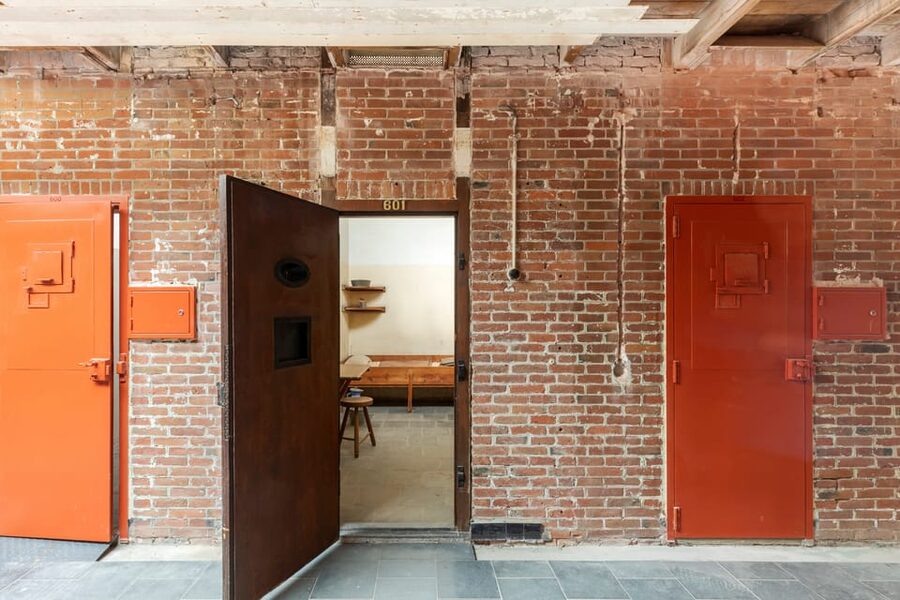
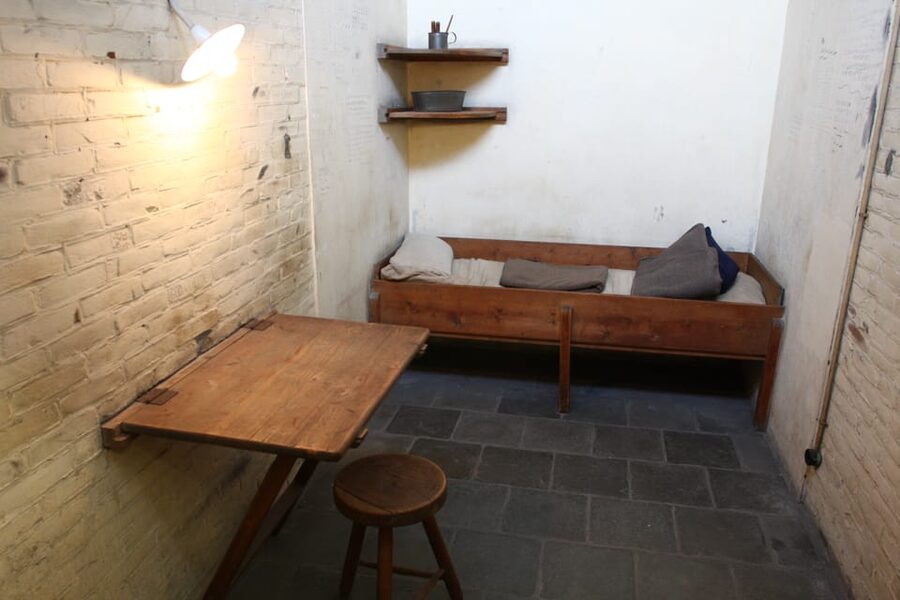
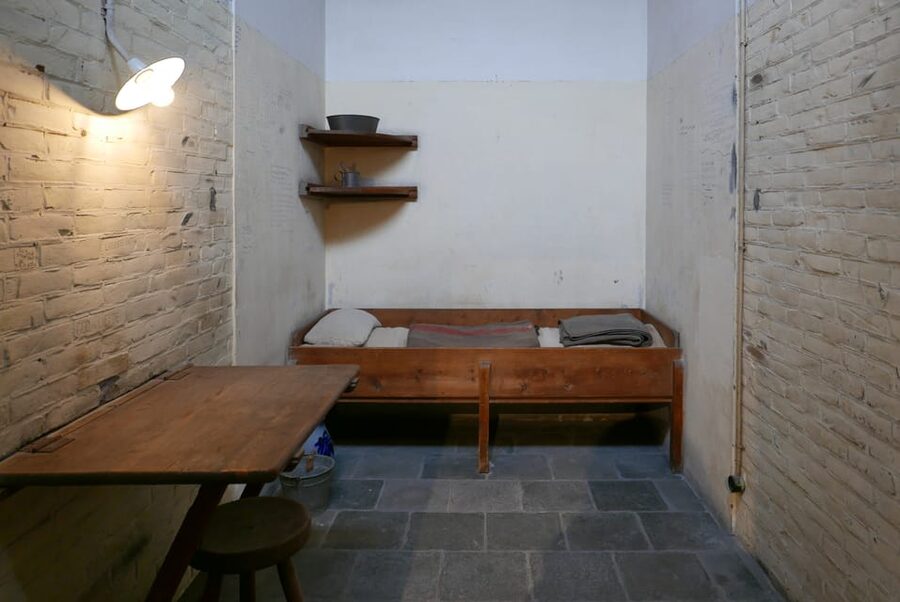
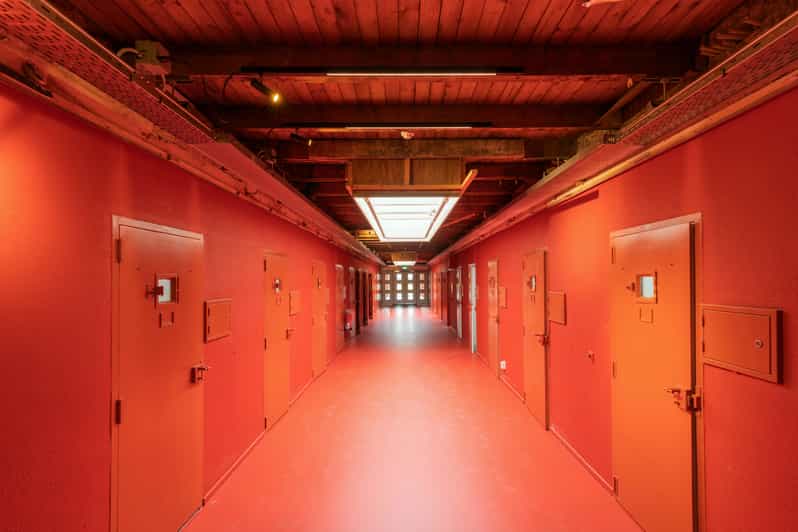
The most affecting part of the Oranjehotel is not a grand exhibit or a room full of military hardware. It is Cell 601, the death cell where prisoners waited after being sentenced to execution. The visit uses that stark space, along with letters, photographs, documents, interviews, and audio fragments, to show what Nazi imprisonment meant in occupied Netherlands.
I like the freedom to move at your own pace, and I like the careful focus on individual men, women, and children rather than only dates and battles. The audio guide also gives the building a human voice. The main drawback is simple: there is not a large number of rooms to explore, and one visitor found the physical display somewhat limited. This is a quiet memorial visit, not a full-day museum filled with objects.
Key points to know before you go
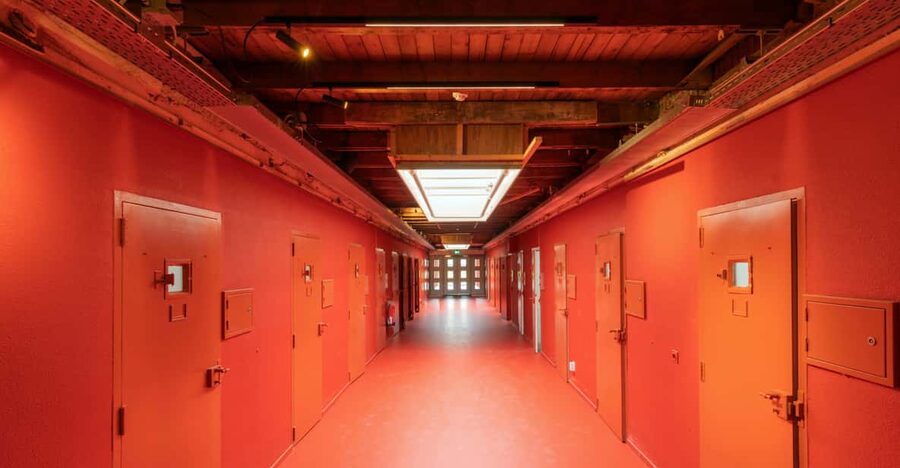
- Cell 601 is the emotional center: Enter the notorious death cell and consider the fate of prisoners sentenced to execution by firing squad.
- The audio guide carries the story: Choose English, Dutch, German, or French, then follow the numbered route through the memorial.
- The focus is personal: Letters, photographs, interviews, and recorded testimony explain fear, hunger, injustice, hope, and resistance.
- The visit connects prison and family life: You learn not only what happened inside, but also how imprisonment disrupted families and left consequences after the war.
- Allow time for reflection: The exhibition is highly emotional and best approached with patience rather than a rushed sightseeing schedule.
- The ticket costs $15: That is fair for a serious memorial with an included audio guide, especially if WWII history matters to you.
Why Cell 601 changes the visit
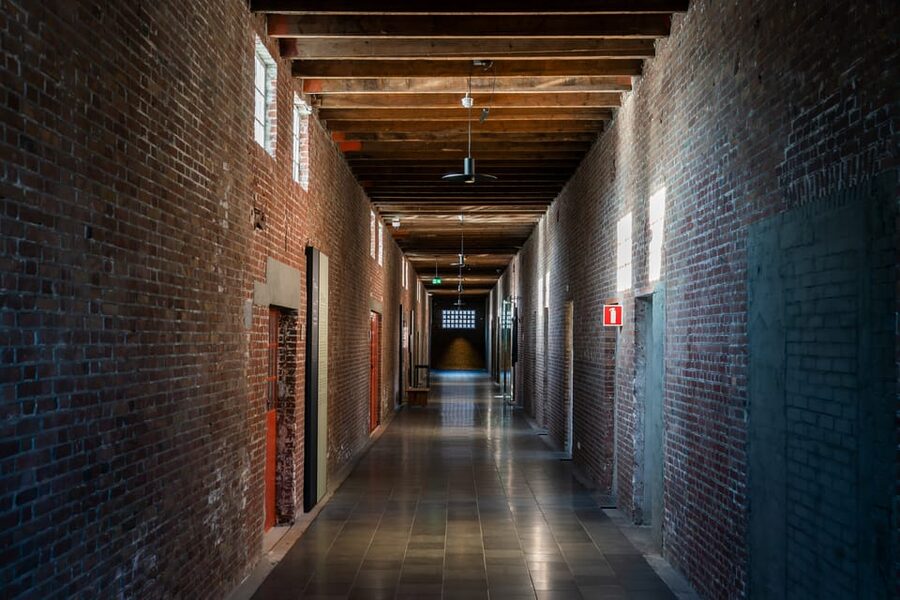
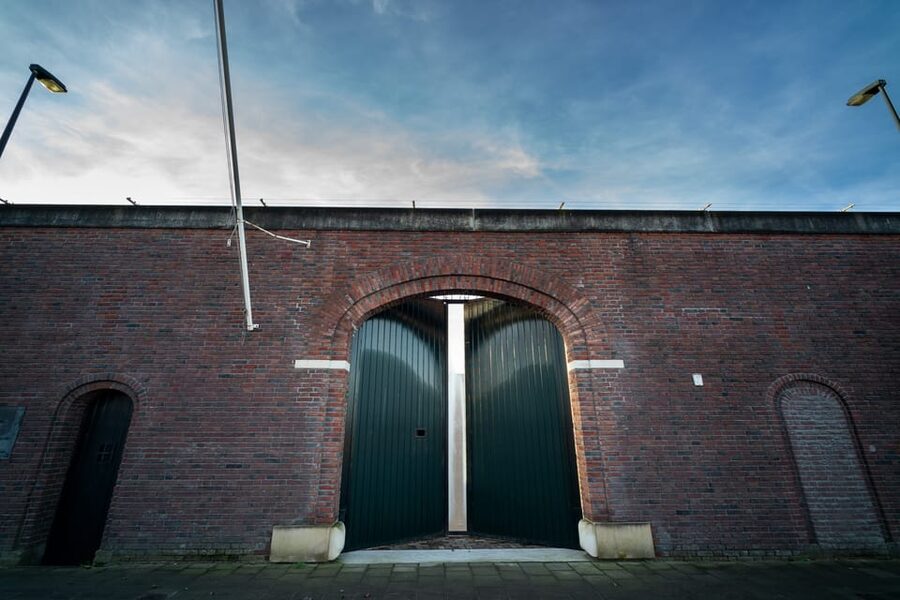
The Oranjehotel was the most important Nazi prison in the Netherlands during the Second World War. The name Oranjehotel was used for the prison during the occupation, with Oranje referring to the Dutch royal family and the wider hope for national freedom.
More than 250 prisoners held here were sentenced to death and executed by firing squad. That fact gives the building a weight that no ordinary museum label can create. You are not simply reading about wartime justice. You are entering a place where people waited for a decision that had already been made.
Cell 601 is known as the death cell, and seeing it is the clearest physical moment of the visit. It is not presented as entertainment. The purpose is to make the final stage of imprisonment understandable in human terms: waiting, uncertainty, fear, and the knowledge that freedom would not come.
I would plan to pause here rather than treat it as another numbered stop. The memorial works best when you give yourself time to read and listen instead of trying to collect every fact.
A few more The Hague trips worth a look
- The Hague: Mauritshuis Entrance Ticket
★ 4.7 · 2,706 reviews - The Hague: City Canal Cruise
★ 4.6 · 2,024 reviews - The Hague: Madurodam Miniature Park Entry Ticket
★ 4.6 · 1,559 reviews
Following the numbered audio route
There is no live guide leading a group from room to room. Instead, you receive an audio guide and follow the numbered sequence. Staff explain how to begin, and the route lets you control the pace.
That format suits this site. Some sections need quiet attention, especially when you are listening to first-hand accounts or reading letters. You can stay longer at a powerful display, move on when the subject becomes difficult, or return to something you missed.
The audio guide is available in English, Dutch, German, and French. It combines spoken explanation with interviews and audio fragments, while documents and photographs add visual proof. The result is more personal than a simple historical timeline.
You should not expect every detail to be delivered through objects. The stories and recorded voices do much of the work. If you prefer a museum where you can inspect large collections of uniforms, vehicles, and weapons, this may feel restrained. If you want to understand the lives behind the events, the format is a good fit.
The prison before the personal stories
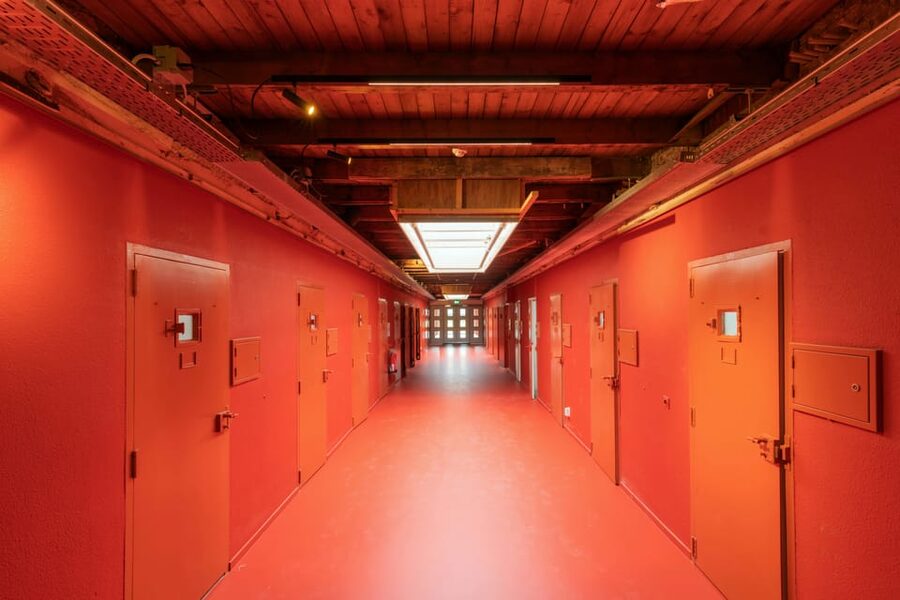
Early in the visit, you learn about the building and the role it played during the Nazi occupation. The prison became a major holding place for people caught up in resistance activity or otherwise targeted by the occupying authorities.
The exhibition also explains the rise of the Dutch resistance. That context matters because the Oranjehotel was not isolated from the wider events of occupation. Prisoners arrived in a country where ordinary life had been disrupted, resistance was growing, and the cost of opposing Nazi rule could be severe.
I appreciate this opening because it gives you enough background before the memorial turns toward individual cases. You see how a prison can become part of a much larger system of fear and control.
The experience does not treat imprisonment as an abstract political subject. It asks you to consider what happened when resistance, suspicion, or accusation brought someone through the prison doors. The effect is strongest when you connect the building’s history with the stories that follow.
Prison life through letters, photographs, and recorded voices
The core of the Oranjehotel visit is the account of daily prison life. The material covers hunger, insecurity, injustice, and fear, but it also includes solidarity, faith, hope, and the desire for freedom.
Letters are especially useful here. A letter can show the strain placed on a family in a way that a broad statement about wartime hardship cannot. Photographs put faces to the people involved, while interviews and spoken fragments make the stories feel less remote.
You may also hear about the routes prisoners took after leaving the Oranjehotel. The exhibition includes information about people who were sent onward to camps such as Sachsenhausen. That helps connect the Dutch prison to the wider Nazi system without losing sight of the individual.
The presentation is considerate. It gives you time to learn and to respect the people held here. I would not rush from one numbered point to the next just to finish quickly. The strength of the visit comes from allowing the stories to build slowly.
Same country, a completely different kind of day:
- The Hague: The Pier SkyView Ticket with Drink and Snack
★ 4.4 · 1,398 reviews - The Hague: Hop-on Hop-off Old-Fashioned Heritage Tram Tour
★ 4.4 · 1,083 reviews - The Hague: Escher in The Palace Museum Ticket
★ 4.6 · 896 reviews - Scheveningen, The Hague: Sea Life Entry Ticket
★ 4.0 · 384 reviews
What happened to families after imprisonment
One of the more valuable parts of the memorial is its attention to people outside the prison walls. Imprisonment did not affect only the person behind the cell door. It disrupted families, created fear and uncertainty, and left consequences that continued after the war.
This wider view keeps the visit from becoming only a story about executions and resistance fighters. You also learn about the strain placed on relatives and the uncertainty surrounding the fate of loved ones.
The subject can be painful, but it is important. War history is often told through armies and leaders. The Oranjehotel shifts the focus toward the ordinary family cost of political violence.
The exhibition also looks at what followed the war. The consequences did not vanish when the occupation ended. For many people, the experience of imprisonment and loss continued to shape their lives.
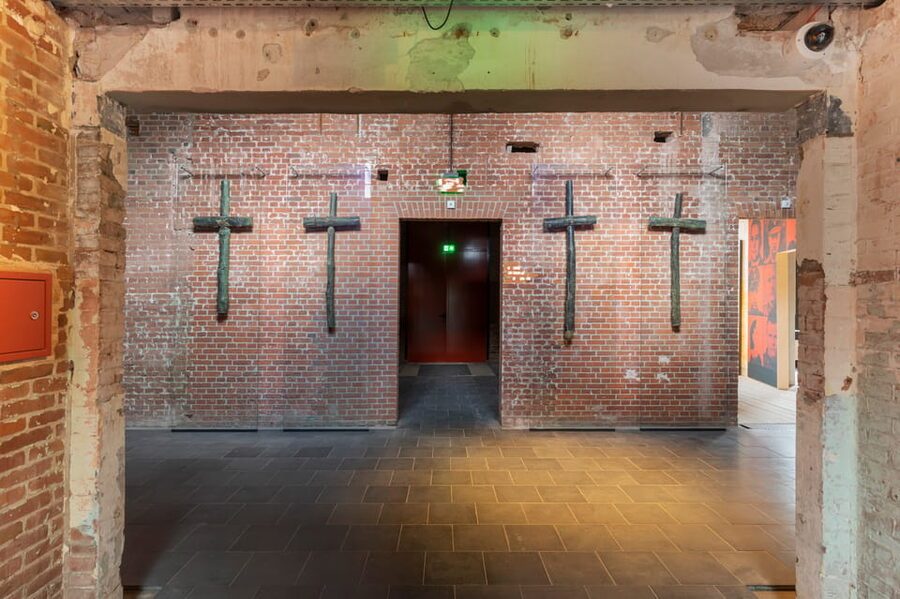
A memorial built around respect, not spectacle
The Oranjehotel is emotionally heavy, and the presentation treats it with restraint. Visitors describe the experience as moving, personal, and at times overwhelming. That is not a reason to avoid it, but it is a reason to choose your timing and pace with care.
The staff are friendly and helpful, especially when explaining how to use the audio guide and begin the route. That practical welcome matters because the subject itself is serious. You get clear instructions without being pushed through the building.
The memorial can work for families, too. Children aged 6, 8, 10, 12, and older have found the material engaging enough to ask questions, though parents should decide how much detail is right for them. The visit may lead to thoughtful conversations later in the day, which is one of its strongest qualities.
For younger children, the emotional subject may be difficult. There is no need to force every section. The self-guided format gives families room to pause, explain, or leave a section early.
How long to spend at the Oranjehotel
The ticket is valid for one day, and the visit is designed to be taken at your own pace. No fixed tour length is provided, so you should check the available starting times when booking.
I would avoid squeezing it between two tightly timed attractions. The physical site is not huge, and one four-star assessment noted that there is not a great deal to see in terms of rooms. Yet the audio, documents, and stories require attention, and the subject deserves more than a quick walk-through.
Think of this as a focused memorial visit rather than a full-day attraction. You may finish the main route fairly quickly, but the emotional effect can last much longer. A quiet pause afterward is useful.
The address is Van Alkemadelaan 1258, 2597 BP Den Haag, Netherlands. The ticket includes admission and the audio guide, but not food or drinks. The site is wheelchair accessible.
Is the $15 ticket good value?
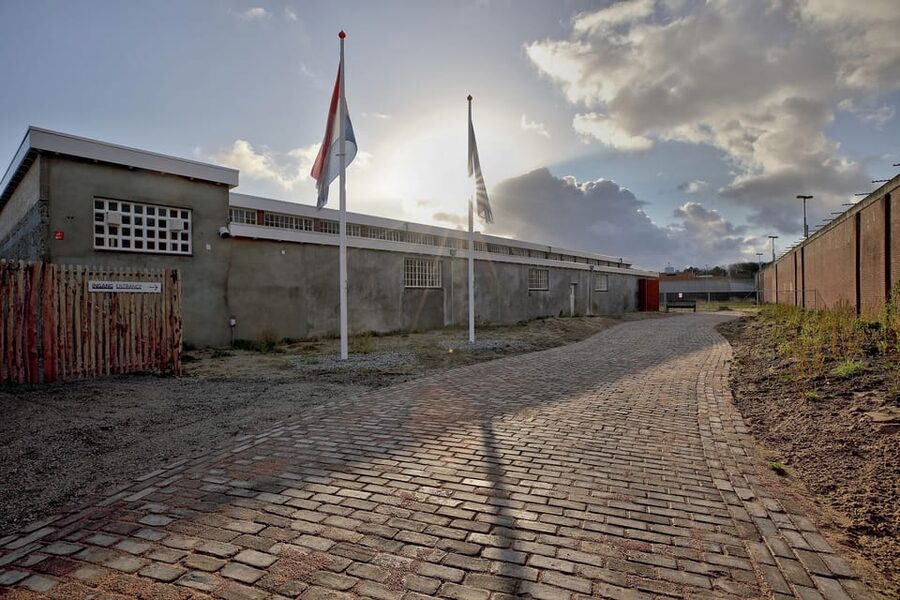
At $15 per person, the Oranjehotel offers a reasonably priced historical visit with the audio guide included. You are paying for access to a preserved site, a carefully arranged memorial, and a multilingual audio experience rather than for a large collection of objects.
The value depends on what you want from a museum. If you need a substantial number of original rooms or artifacts, you may find the display modest. One visitor specifically wished that more cells had been left unchanged, since Cell 601 is the main preserved cell visitors enter.
For me, the ticket makes sense because the site tells a story that is closely tied to The Hague and the Netherlands under occupation. It also covers more than the prison itself, including resistance, prisoner experiences, family disruption, and life after the war.
The included audio guide improves the value for international visitors. You are not limited to Dutch text, and the spoken material helps turn documents and photographs into a connected story.
Who will get the most from this visit?
I would recommend the Oranjehotel to you if you care about WWII history, resistance movements, memorial sites, or the human cost of occupation. It is also a good choice if you have visited another former Nazi camp and want to understand how prisoners could enter the system from the Netherlands.
The visit suits independent museum-goers who like to read, listen, and set their own pace. It also works for families with older children, provided adults are ready to explain the subject and allow time for questions.
You may want to skip it if you are looking for a light cultural stop or a museum packed with large displays. This is not a cheerful outing, and there is no food or drink included. It is a serious place where the main reward is understanding.
The high rating of 4.6 from 708 reviews reflects strong satisfaction, but the individual comments also point to the right expectation: people find it informative, emotional, and powerful, while some find the physical site limited. Both points can be true.
Practical booking details
Admission costs $15 per person. You can cancel up to 24 hours in advance for a full refund, and the reserve-now, pay-later option lets you hold a place without paying immediately.
The audio guide is offered in English, Dutch, German, and French. There is no live guided tour included. Staff help you get started, then you follow the numbered route independently.
Check availability for the starting times that fit your plans. Since the ticket is valid for one day, you have flexibility within that visit period, but you should still confirm the details before setting off.
The meeting point is Nationaal Monument Oranjehotel at Van Alkemadelaan 1258 in The Hague. Wheelchair access is available.
Should you book the Oranjehotel?
Book it if you want a thoughtful, personal account of WWII in the Netherlands, especially one that links resistance, imprisonment, executions, families, and postwar consequences. Cell 601 and the recorded prisoner stories give the visit its force.
Do not book it expecting a large prison complex or a long list of untouched cells. The site is physically limited, and its impact comes from the material it presents and the time you give it.
For $15, the ticket is a good value for a focused historical memorial, particularly if you are already exploring The Hague or have an interest in occupation history. Go with a quiet hour or two in mind, use the audio guide fully, and leave space afterward to think about what you heard.
FAQ
Where is the Oranjehotel?
The Nationaal Monument Oranjehotel is at Van Alkemadelaan 1258, 2597 BP Den Haag, Netherlands.
How much does admission cost?
The ticket costs $15 per person.
What does the ticket include?
The ticket includes entrance to the memorial and an audio guide.
Which languages are available for the audio guide?
The audio guide is available in English, Dutch, German, and French.
Is there a live guided tour?
No live guided tour is included. You use the audio guide and follow the numbered route independently.
Can I visit Cell 601?
Yes. The ticket includes access to Cell 601, the notorious death cell.
Is the Oranjehotel wheelchair accessible?
Yes, the experience is wheelchair accessible.
Can I cancel my booking?
Yes. You can cancel up to 24 hours in advance for a full refund.
Is food included?
No. Food and drinks are not included.
Just added around The Hague
- Private Tour of Rotterdam and The Hague including Transfer★ 5.0 · 3 reviews
- Private Tour of The Hague, Delft and Rotterdam with Lunch★ 5.0 · 3 reviews
- Discover Historical Delft with an Audio Guide★ 5.0 · 3 reviews
- The Hague Self-Guided Audio Tour★ 5.0 · 3 reviews
- 3 Course Walking Dinner in Delft with Guided Tours in Between★ 5.0 · 3 reviews
- Surprise Walk of The Hague with a Local★ 4.5 · 3 reviews
- Surfing at The Shore in The Hague★ 4.5 · 3 reviews
- Private Tour of Vermeer’s Delft + Tickets to Vermeer Museum★ 5.0 · 3 reviews
The Hague Tours, compared.


Hop-on Hop-off Old-Fashioned Heritage Tram Tour
Read our review →


Browse the lists this tour appears in