
Reviewed · THE HAGUE TOURS
The Hague: Courtyard Walking Tour
The best part of this The Hague courtyard walking tour is the sudden change from busy city streets to quiet, enclosed spaces. Behind walls and ordinary-looking houses, you find courtyards shaped by a 16th-century Dutch tradition of housing poor and older residents. I like the contrast between public The Hague and these calm inner worlds, and I like that the walk costs only $9 while adding local context you would likely miss alone.
I also appreciate the small group limit of 10 people. Guides such as Hans and Kees are praised for clear, engaging stories and for treating these residential places with care. The main consideration is that the tour is conducted in Dutch, and the walk may show fewer traditional courtyards than you expect, since it also includes monuments and other parts of the city center.
Key points to know before booking
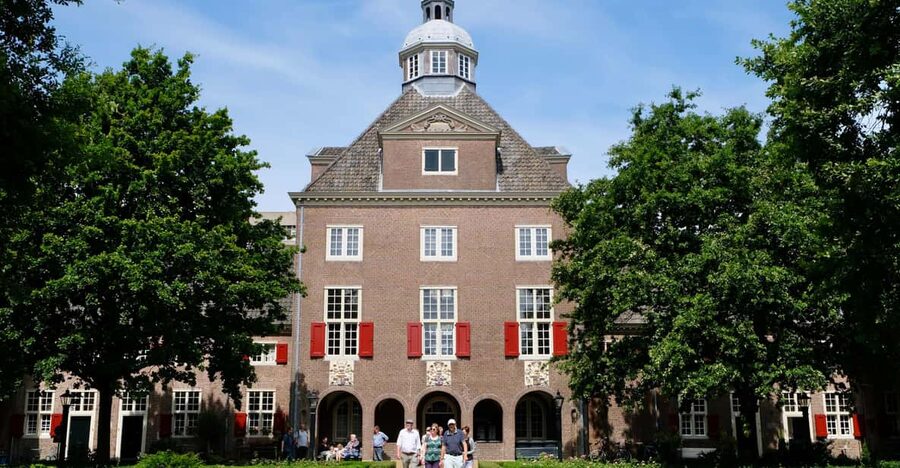
- The courtyards are often invisible from the street: You enter a quieter side of The Hague through walls, gates, and passages that are easy to overlook.
- The homes began as charity housing: The tour explains how poor and older residents once lived in these enclosed communities.
- Dutch is the only tour language: Guides including Hans and Kees bring local character, but you need to understand Dutch to get the full benefit.
- The route includes more than courtyards: Renaissance features, monuments, and other central sights fill out the 90-minute walk.
- The group is limited to 10 people: This makes it easier to hear the guide and ask questions.
- Dogs are not allowed: Assistance dogs are permitted, so plan accordingly if you are traveling with a pet.
Why The Hague’s courtyards are worth your time
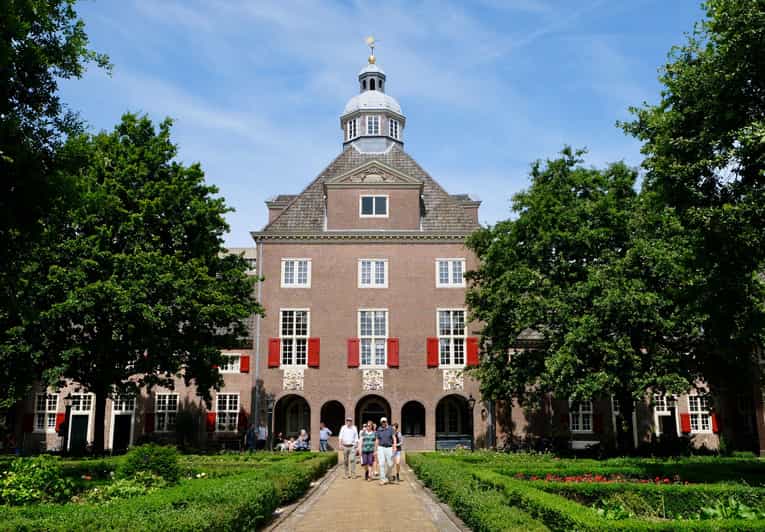
The Hague is often associated with grand government buildings, royal connections, museums, and wide streets. Its courtyards tell a smaller and more personal story. They show how a city made room for people who had little money or support, using enclosed housing clusters that offered shelter and a measure of peace.
These places are easy to miss. From the street, a courtyard may look like a plain doorway or a narrow gap between buildings. Once inside, the mood changes. The city noise softens, the buildings turn inward, and the space feels more private. That change is the real appeal of the tour.
I like this kind of city walk because it gives you a useful theme rather than a string of unrelated sights. The courtyards connect architecture, charity, social history, and daily life. You are not simply looking at old buildings. You are learning why they were created and how their role changed over roughly four centuries.
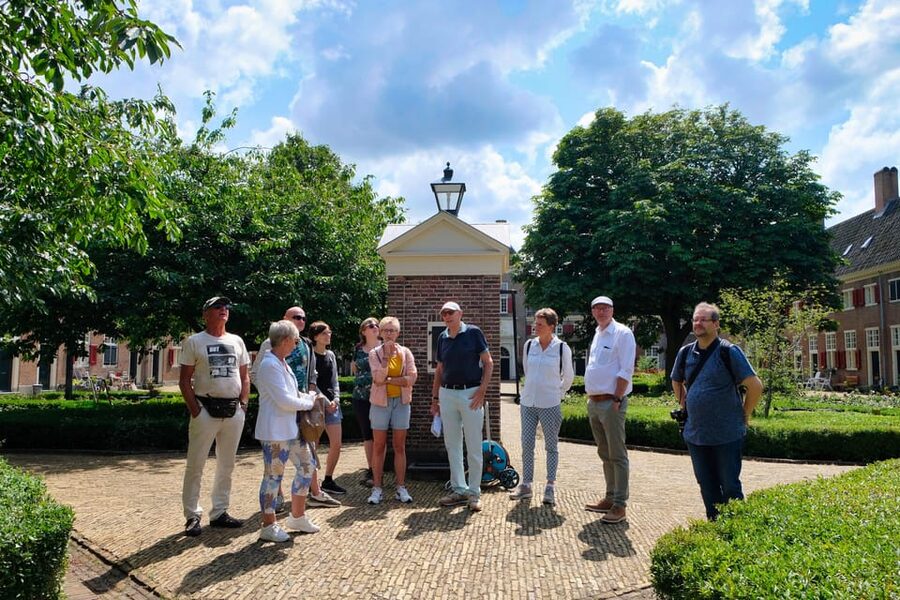
The courtyards still have residents, so this is not a museum visit. That matters. You should expect a respectful walk through living neighborhoods, not a free-for-all photo stop. The guide’s job is to explain the place while keeping the group aware that people still live there.
More Walking Tours in The Hague
- Food Walking Tour of The Hague – by Bites & Stories
★ 5.0 · 188 reviews - The Hague: City Walking Tour
★ 4.5 · 156 reviews - The Hague 2-Hour Walking Tour | Discover The City With A Local
★ 4.5 · 81 reviews
Meeting at ’t Goude Hooft
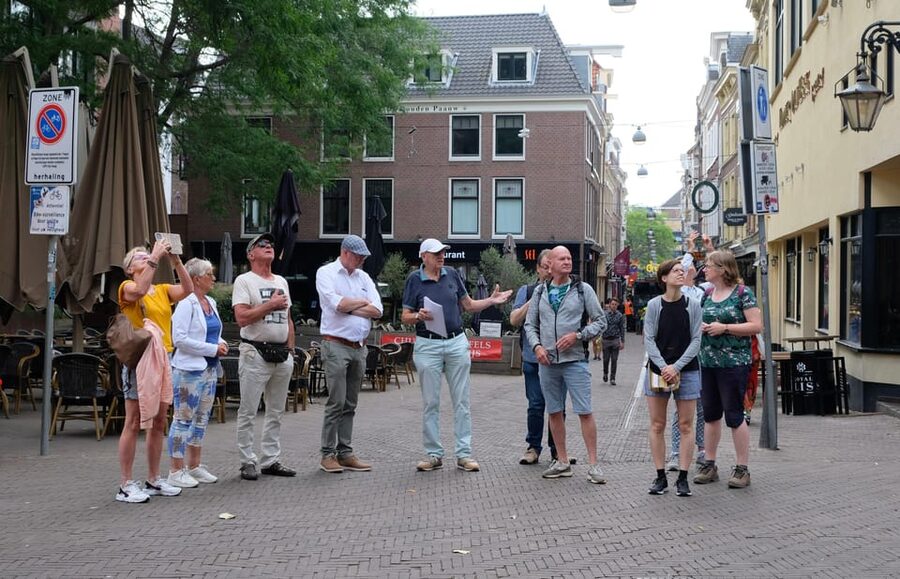
The walk begins at ’t Goude Hooft, pleintje, a small square by the historic establishment of the same name. This gives you a central starting point in The Hague, close to the city’s older streets and monuments.
Arrive with enough time to locate the meeting point and settle in. The supplied information does not give a precise street address beyond the name and square, so checking the map and starting details before leaving your hotel is sensible.
The starting location also fits the character of the tour. You begin in a recognizable central setting, then move toward places that are much less obvious. That shift from a public square to enclosed courtyards is part of the experience, not just a way to get from one stop to another.
Entering the hidden courtyards
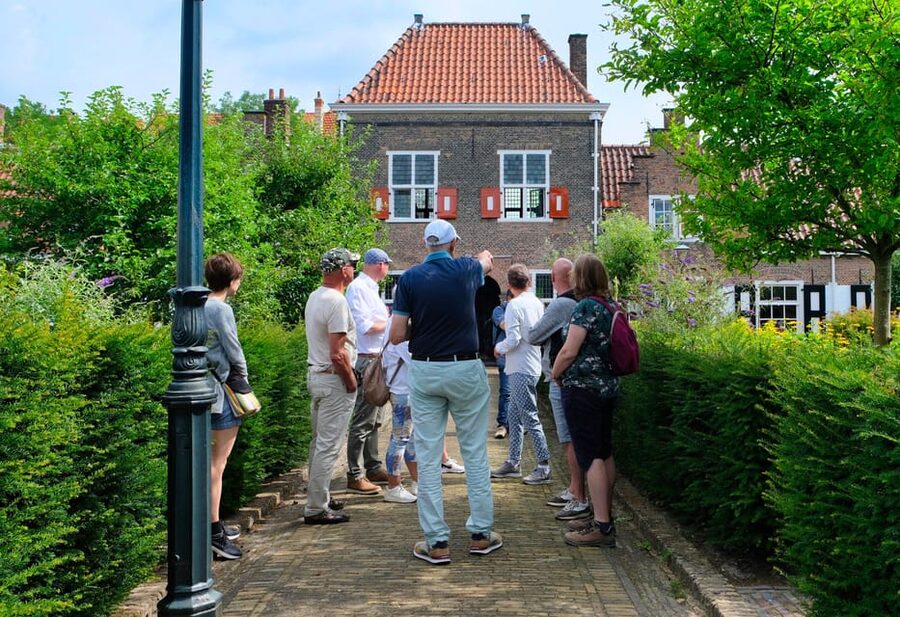
The first major idea is simple: look beyond the street facade. The courtyards are hidden behind houses and walls, and some are barely visible from outside. A guide helps you notice entrances, layouts, and details that you might walk past without a second thought.
The precise courtyards can vary, and the available information does not name every stop. You can expect the guide to lead you to some of the best-known and most attractive examples, along with other interesting sites and monuments in the center.
Do not book this walk expecting 90 minutes of courtyard after courtyard. One person hoped to see more traditional hofjes, or courtyards, but still found the rest of the route worthwhile. That is a fair way to frame the itinerary. The courtyards are the main subject, but the guide uses nearby sights to build a fuller picture of The Hague.
At each courtyard, pay attention to the arrangement of the homes around a shared open space. The inward-facing design creates shelter from the city and a sense of community. It also reflects a practical social purpose: these were places where vulnerable people could receive housing and live with some security.
The calm you feel today is part of the story. The courtyards were designed around a quieter form of living, and modern residents continue to value that peace even though the city outside is active.
Charity, poverty, and 400 years of city life
The word charity can sound abstract until you see the buildings created in its name. These courtyards turn charitable giving into architecture. They show how wealthy individuals or institutions helped poor and older people through housing rather than through a short-term handout alone.
That does not mean the original system was modern or equal. The tour’s value is in showing the social structure behind the buildings. You can consider who received a place, who controlled access, and how these small communities fit into the larger city.
The tradition dates from the 16th century and has remained useful for about 400 years. That long time span gives the guide room to explain change. The courtyards are not frozen relics. They have continued as homes, while their surroundings have changed around them.
I find this more rewarding than architecture without context. A Renaissance feature is easier to remember when you understand the human purpose of the building around it. The tour connects design to need, and beauty to social responsibility.
Same country, a completely different kind of day:
- The Hague: Mauritshuis Entrance Ticket
★ 4.7 · 2,706 reviews - The Hague: City Canal Cruise
★ 4.6 · 2,024 reviews - The Hague: Madurodam Miniature Park Entry Ticket
★ 4.6 · 1,559 reviews - The Hague: The Pier SkyView Ticket with Drink and Snack
★ 4.4 · 1,398 reviews
Renaissance details and nearby monuments
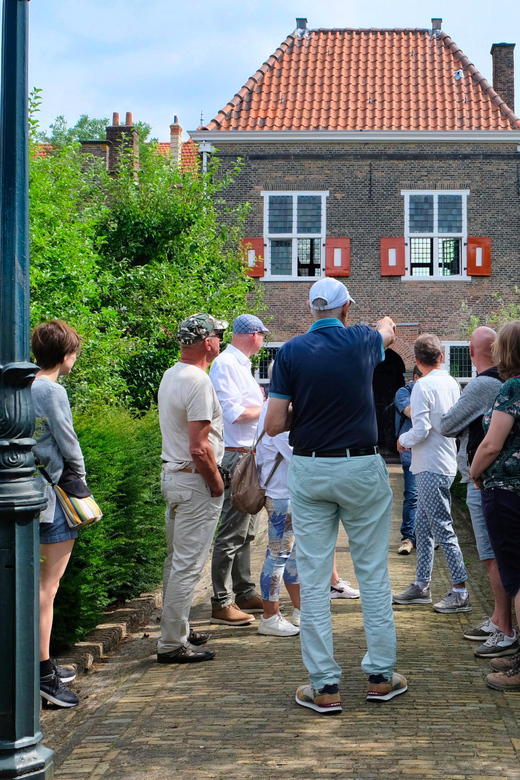
Renaissance is one of the tour’s stated themes, though the walk is not presented as a specialist architecture lecture. The guide points out features and explains why a building or monument matters. You may encounter details that sit outside the courtyard theme but help place the area in its wider historical setting.
This is where the guide’s local knowledge matters most. Hans is described as a guide who knows a great deal and handles the courtyards respectfully. Kees is praised for enthusiasm and for giving participants new impressions of a familiar city. The guide may vary, but these examples suggest the tone to expect: informative, personable, and attentive to the setting.
The walk can also adapt to its audience. Hans adjusted the Dutch tour for two foreign participants, which suggests some flexibility in delivery. That should not be confused with an English-language tour. The listed language is Dutch, so non-Dutch speakers should not book unless they are comfortable following a Dutch explanation.
The extra monuments keep the walk from becoming repetitive. If you are interested in The Hague as a whole, this is useful. If your only goal is to photograph a long list of hofjes, it may feel less focused than expected.
What the 90-minute format means
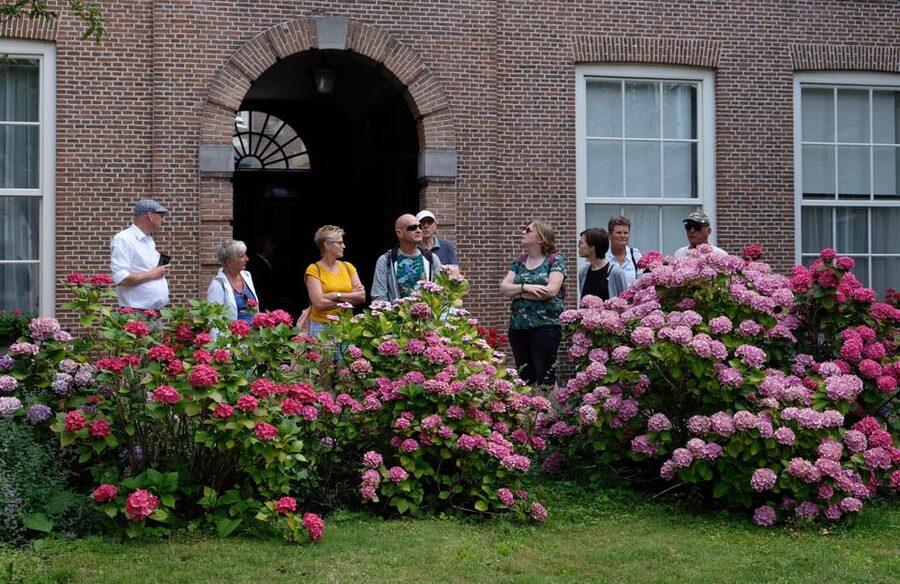
At 1.5 hours, this is a manageable addition to a day in The Hague. It is long enough to develop a theme and visit several places, but short enough to fit before a museum, meal, or another city sight.
The timing also keeps the focus tight. You are not committing to half a day of walking, and the $9 price makes it easy to add to a larger sightseeing plan. The tradeoff is that there is limited time for extended stops, detailed photography, or a long question period at every courtyard.
I would schedule it when you still have energy to notice small details. Courtyards reward attention more than speed. If you rush from one major attraction to the next, you may miss the narrow entries and quiet spaces that make this walk different from a standard city tour.
Starting times are not fixed in the information provided, so check availability for the date you want. The tour is led live rather than delivered by an audio guide, which means the pace and amount of explanation depend partly on the group and the guide.
A small group with a local voice
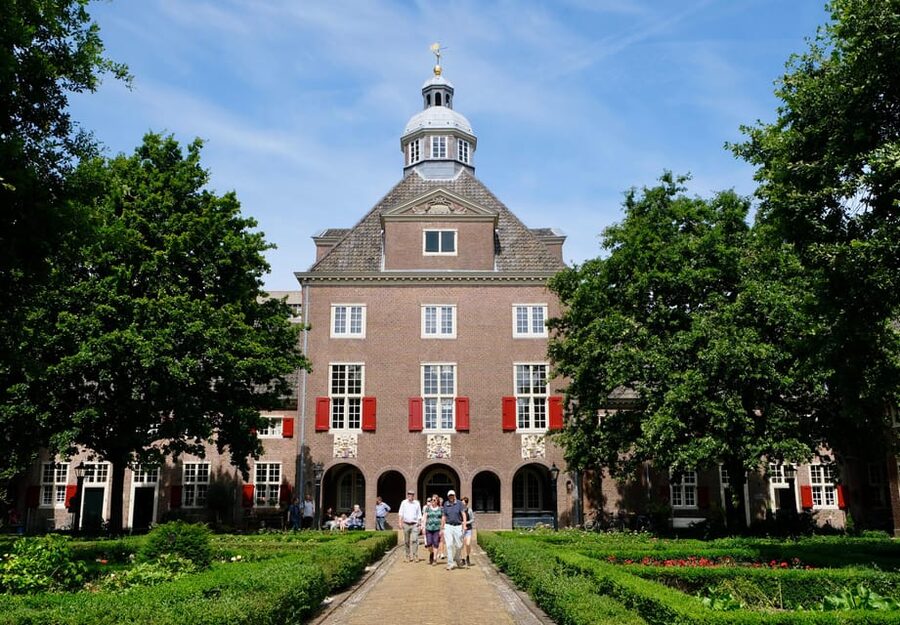
A limit of 10 participants is a real advantage here. Courtyard entrances and enclosed spaces can be compact, and a large crowd would make it harder to hear or keep the group together. With fewer people, you have a better chance to see what the guide is pointing out.
Small groups also suit the subject. These are residential places, not broad public squares built for crowds. A quiet group is more respectful and helps preserve the atmosphere for the people who live there.
The guide is Dutch-speaking, and the experience provider is Gilde Den Haag. The available guide names are Hans and Kees, though you should not assume which one will lead your departure. Both are described as enthusiastic and able to explain the city in an engaging way.
One useful detail is the guide’s handling of residents and surroundings. The courtyards require good manners: keep voices reasonable, do not block doorways, and avoid treating private homes as stage sets. A guide who takes that seriously improves the experience for everyone.
Accessibility, pets, and practical limits
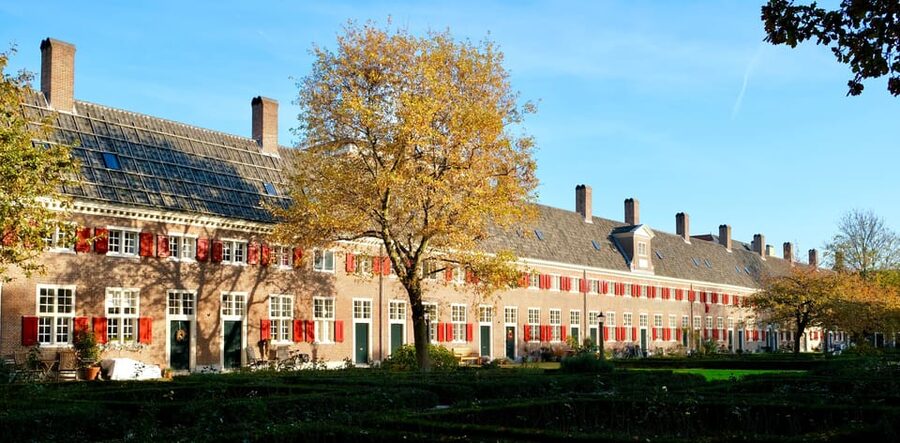
The activity is listed as wheelchair accessible, which is important for a walking tour built around older buildings. Still, the information does not describe the exact surfaces, entrances, or restroom access. If you use a wheelchair and need details about particular courtyard gates or paving, confirm those points before booking.
Pets are not allowed, with assistance dogs permitted. This rule deserves attention because one booking created confusion about bringing a dog. An exception was made on that occasion, but you should follow the stated policy rather than count on an exception.
Another participant was uncomfortable around a dog during the walk. That is a reminder that the no-pets rule helps keep the group predictable and comfortable. If you are traveling with a pet, make other arrangements.
The walk is in Dutch only. That is the single biggest practical limit for international visitors. You can still enjoy the architecture without understanding every word, but the charity history, social details, and guide’s stories are central to the experience. Dutch speakers will get far more value.
Is $9 a good value?
At $9 per person, this is an inexpensive guided introduction to a side of The Hague that is easy to overlook. You are paying for a live local guide, a planned route, and access to context rather than for admission to a major attraction.
The value is strongest if you want orientation and background. A self-guided walk can show you courtyards, but it may not explain why they were built, who lived there, or how they fit into the city’s history. The guide turns a collection of quiet spaces into a connected story.
The price is less compelling if you already know The Hague well, speak no Dutch, or want only a concentrated architectural tour. In that case, the route’s extra monuments and general city commentary may not match your priorities.
The flexible booking terms also reduce the risk of trying it. You can cancel up to 24 hours before the start for a full refund, and the reserve-now, pay-later option lets you hold a place without paying immediately. These policies are useful if your city plans may change.
Who should book this courtyard walk?
I would recommend it most strongly to Dutch-speaking visitors who enjoy local history, architecture, and ordinary residential spaces. It is also a good choice if you have already seen the headline sights and want a quieter look at The Hague.
The small group suits people who prefer a personal guide over a large sightseeing crowd. Older visitors may appreciate the short 90-minute format, while curious first-time visitors can use it to understand the city center in a different way.
Families should check the pet policy and consider how children handle a slower walk built around explanation rather than big visual attractions. Architecture fans will enjoy the Renaissance and courtyard elements, but they should expect a mixed route rather than a nonstop series of formal hofjes.
I would be cautious if you need an English tour, want to bring a pet, or expect every minute to focus on traditional courtyards. Those are not minor details. They shape whether the experience feels worthwhile.
Should you book the The Hague Courtyard Walking Tour?
Book it if you want a low-cost, small-group walk through The Hague’s lesser-seen residential history, and you understand Dutch. The mix of charity housing, Renaissance details, monuments, and quiet courtyards offers more substance than a simple photo stroll.
Skip it if you need English commentary or are looking for a tightly packed courtyard checklist. The route includes other city sights, and the exact number of hofjes may not match your hopes.
For Dutch speakers, the $9 price, 90-minute length, wheelchair-accessible format, and group limit make this an easy addition to a day in The Hague. Just meet at ’t Goude Hooft, leave pets at home, and come ready to look carefully at the doorways and walls most people pass without noticing.
FAQ
How long does the courtyard walking tour last?
The tour lasts 1.5 hours, or 90 minutes.
How much does the tour cost?
The listed price is $9 per person.
Where does the tour meet?
The meeting point is ’t Goude Hooft, pleintje.
What language is the tour in?
The live guide conducts the tour in Dutch. Dutch is the only listed tour language.
How many people can join the group?
The tour is limited to 10 participants.
Is the tour wheelchair accessible?
Yes. The activity is listed as wheelchair accessible.
Are pets allowed?
No. Pets are not allowed, but assistance dogs are permitted.
Can I cancel for a refund?
Yes. You can cancel up to 24 hours in advance for a full refund. The activity also offers reserve now and pay later booking.
Just added around The Hague
- Private Tour of Rotterdam and The Hague including Transfer★ 5.0 · 3 reviews
- Private Tour of The Hague, Delft and Rotterdam with Lunch★ 5.0 · 3 reviews
- Discover Historical Delft with an Audio Guide★ 5.0 · 3 reviews
- The Hague Self-Guided Audio Tour★ 5.0 · 3 reviews
- 3 Course Walking Dinner in Delft with Guided Tours in Between★ 5.0 · 3 reviews
- Surprise Walk of The Hague with a Local★ 4.5 · 3 reviews
- Surfing at The Shore in The Hague★ 4.5 · 3 reviews
- Private Tour of Vermeer’s Delft + Tickets to Vermeer Museum★ 5.0 · 3 reviews
The Hague Tours, compared.



Hop-on Hop-off Old-Fashioned Heritage Tram Tour
Read our review →
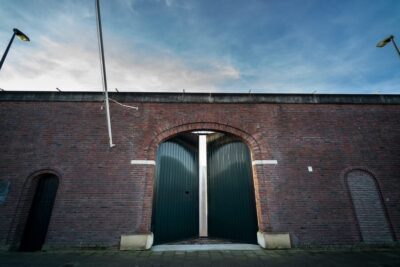
Oranjehotel World War II Prison Entrance Ticket
Read our review →
Browse the lists this tour appears in