
Reviewed · UTRECHT TOURS
Utrecht: Lofen Palace with Entry Ticket & Guide (Dutch)
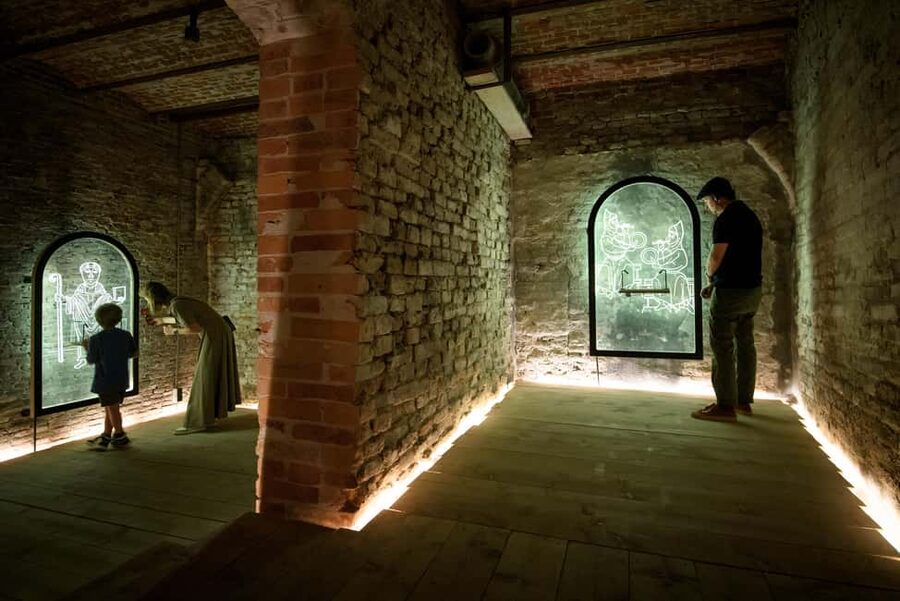
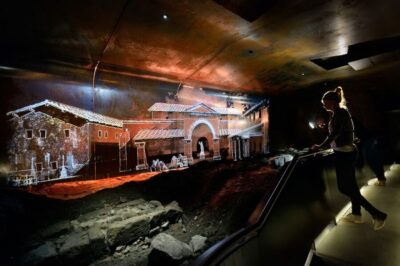
Utrecht has an imperial palace under its modern streets. Lofen Palace once hosted Emperor Henry V, and on 2 June 1122 he granted Utrecht city rights there. The real surprise is how little of this major building remains visible today, with the palace story told among cellar arches beneath the city.
I like the excellent historical focus and the personal storytelling from the professional guide. I also like the low $14 price, which makes this an easy add-on to a day around Domplein. The catch is simple: you are visiting remains, not a fully restored palace, so anyone expecting grand rooms may find the physical evidence sparse.
- A palace beneath Utrecht: Walk among the surviving cellar remains of the former imperial residence.
- A key date in city history: Learn how Henry V granted Utrecht city rights on 2 June 1122.
- A dramatic ending: Hear how a nine-day city fire in 1253 likely destroyed the palace.
- Guided in Dutch: A live Dutch guide leads the experience, with audio support in Dutch and English.
- Easy central meeting point: Scan your ticket at the Tourist Information Centre at Domplein 9.
- A modest price: At $14 per person, this suits history fans who want a short, focused stop.
Entering Utrecht’s Lost Imperial Palace
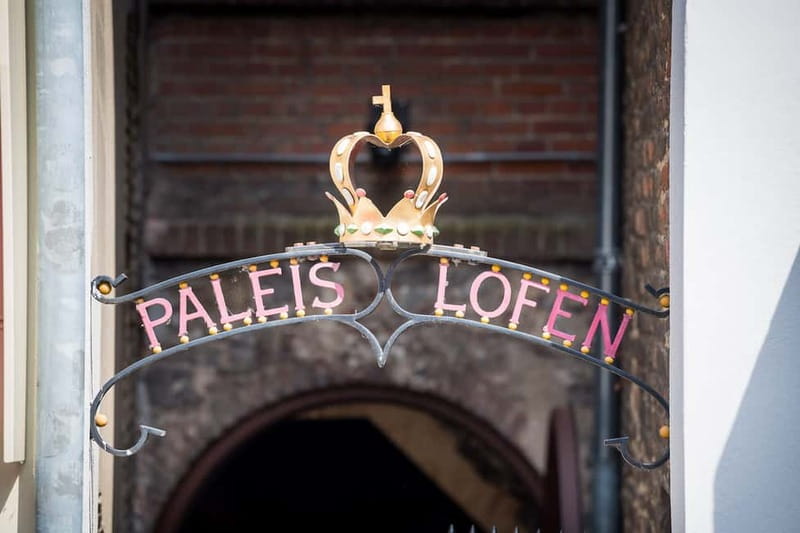
The first thing to understand is that Lofen Palace is not a complete medieval palace waiting behind a set of doors. It is a surviving fragment, found in cellar spaces beneath the modern city. That changes the nature of the visit, but it also gives the experience its appeal.
You are not looking at a polished reconstruction. You are standing near the remains of a building that once mattered to the Holy Roman Empire, while everyday Utrecht continued above it. The contrast between the old stonework and the modern city is the central idea here.
In the Middle Ages, Utrecht belonged to the Holy Roman Empire, a huge political realm spread across much of Europe. The emperor did not rule from one fixed capital in the modern sense. He moved from palace to palace, and Utrecht was one of those imperial stops.
Lofen Palace was the Utrecht residence used for that purpose. The name appears in a charter connected with Henry V, who granted the city its rights in 1122. That date gives the visit a clear historical anchor. You are not just hearing that Utrecht is old. You are learning about one specific moment when the city gained a new legal status.
What You Actually See Beneath Domplein
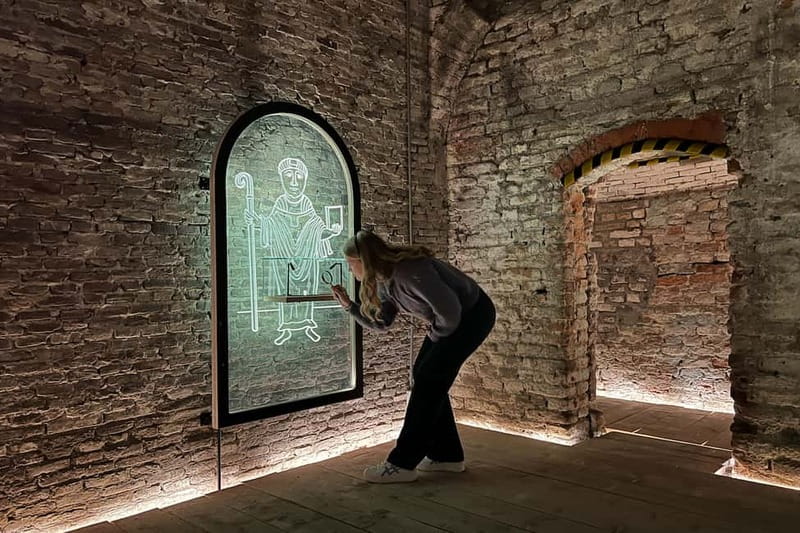
The physical visit takes place among the remaining cellar arches and underground structures. The palace was destroyed, or probably destroyed, during a major nine-day city fire in 1253. After that, it was no longer used as an imperial palace, and the site became property of the chapter of the Dom Church.
That long change in ownership matters. The remains were not preserved as a museum display from the moment the fire ended. For centuries, the palace was forgotten beneath later buildings and changing city life. Its remains were identified again during investigations in the nineteenth and twentieth centuries.
The experience lets you take part in that rediscovery. The guide helps connect the stones in front of you with the building that once occupied this place. You may find the visible remains limited, but the setting gives the history weight. The palace is not separated from Utrecht. It is part of the city’s layers.
This is best approached as a compact archaeological and historical visit. If you enjoy standing in an old structure and letting a guide explain what it once meant, you will get more from it than someone searching for complete interiors, furniture, or sweeping palace rooms.
A few more Utrecht trips worth a look
- Utrecht: City Canal Cruise
★ 4.3 · 2,895 reviews - Utrecht: De Haar Castle & Park Entry Ticket
★ 4.7 · 1,350 reviews - Utrecht: DOMunder Entry Ticket with Guide
★ 4.4 · 706 reviews
The 1122 City Rights Story
The strongest part of the visit is the link between Lofen Palace and Utrecht’s city rights. On 2 June 1122, Emperor Henry V issued the charter in the imperial palace in Utrecht, popularly called Lofen.
That event gives you a useful way to read the city around you. City rights were not just a ceremonial label. They marked a struggle over authority and helped define Utrecht’s place in the medieval political order. The experience presents the grant as something that had to be won, not simply handed over without resistance.
The guide’s job is important here. Stone alone cannot explain why a palace mattered or why a charter issued in one room changed the city’s future. The spoken history turns the remains into a setting for political drama.
The information supplied for the experience does not name individual guides, so you should not expect to book a particular person. You can expect a professional live guide in Dutch, with audio support available in Dutch and English. If you do not understand Dutch, check the exact audio arrangement when you arrive, since the live guiding language is Dutch.
How the Fire Changed the Palace
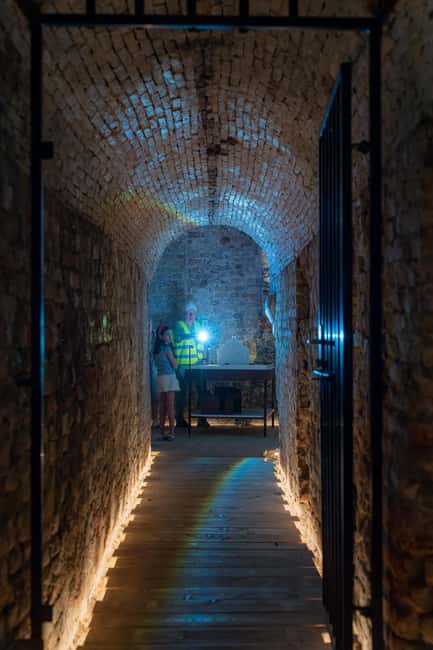
The story does not end with imperial power. A major nine-day city fire in 1253 probably destroyed Lofen Palace, and the building was never again used as an imperial residence.
That ending is a useful counterpoint to the palace’s beginning. First, you hear about emperors, charters, and the Holy Roman Empire. Then you learn that fire reduced the building’s role and erased much of its memory. Utrecht continued to grow, while the palace slipped out of public awareness.
This is also why the visit may feel different from a typical historic building tour. The main drama lies in what happened to the palace over time: imperial residence, fire-damaged site, chapter property, forgotten remains, and later rediscovery.
I appreciate that the experience does not need to pretend the palace survived intact. The missing rooms and lost upper structure are part of the story. Still, you should set your expectations correctly. One of the clearest drawbacks is the small amount of visible architecture. The explanation is likely to give you more than the bare remains can provide on their own.
A Guide-Led Visit With Audio Support
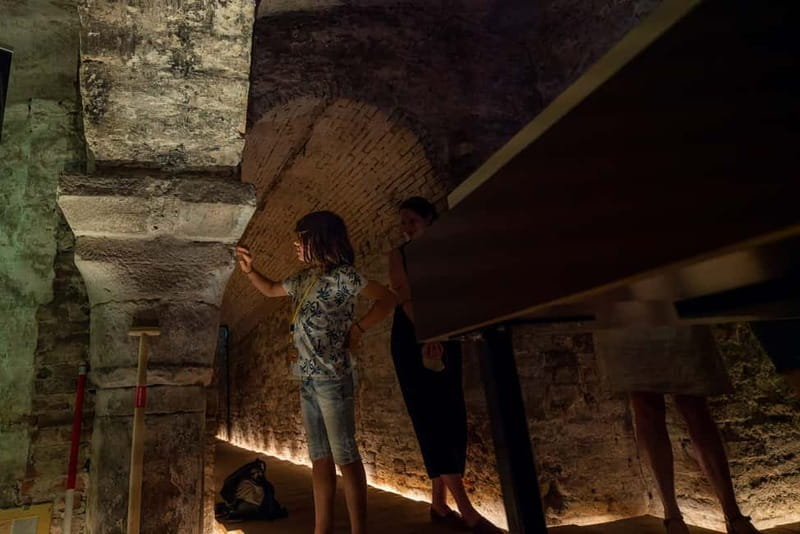
The live tour guide speaks Dutch. The activity also includes an audioguide in Dutch and English, which gives you another way to follow the story. This arrangement may suit mixed-language parties, though the supplied information does not specify how much of the experience is delivered through the live guide and how much through recorded material.
The professional guiding is one of the experience’s strongest features. The story has several dates, names, and changes in ownership, and a clear explanation helps keep them in order. The best moments should be the ones where the guide links a particular arch or cellar area to the larger story of medieval Utrecht.
You should allow yourself time to look closely rather than rushing from one point to the next. The palace remains are not a long route filled with separate rooms. This is a place where context does much of the work.
For English speakers, confirm the audio option before you begin. The activity information lists English audio support but identifies Dutch as the live guide language. That distinction is useful when deciding if this is the right historical stop for you.
Same country, a completely different kind of day:
- Utrecht: Dom Tower Entry Ticket and Guided Tour
★ 4.6 · 513 reviews - Utrecht: De Haar Castle, Park Entry Ticket
★ 4.6 · 153 reviews - Utrecht 2-Hour Walking Tour | Discover The City With A Local
★ 5.0 · 138 reviews - Utrecht: Rietveld Schröderhuis UNESCO Entry Ticket
★ 4.8 · 119 reviews
Why the $14 Price Makes Sense
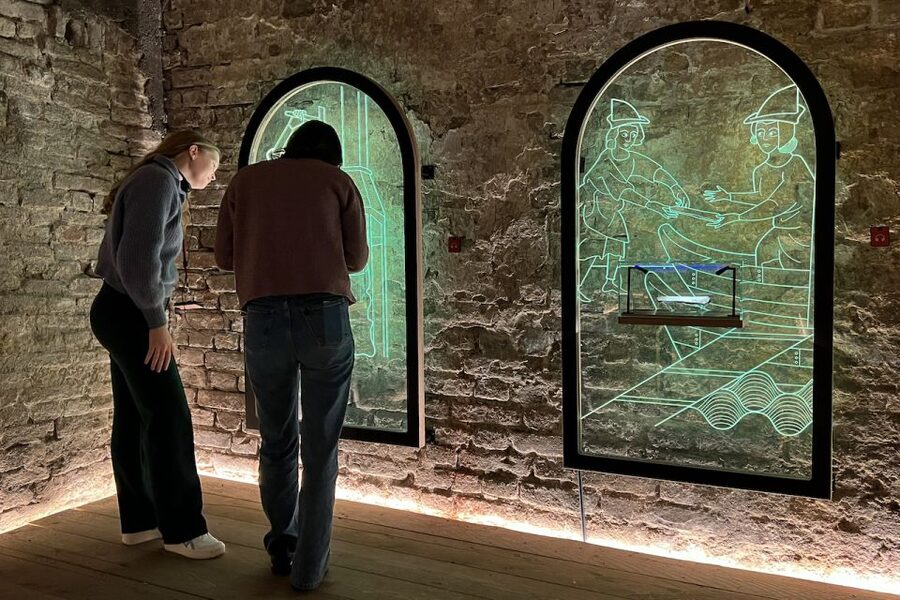
At $14 per person, Lofen Palace is priced as an accessible short cultural visit rather than a major half-day attraction. You are paying for entry, guiding, and audio support in a central Utrecht setting.
I see good value here for anyone already visiting Domplein. The price is low enough to add a focused piece of medieval history without taking a large bite out of your sightseeing budget. It also works well for repeat visitors who have seen Utrecht’s more obvious sights and want to understand what lies beneath the city.
The value depends on your expectations. If you measure value by the number of rooms, objects, or exhibits, the visit may feel thin. If you value a strong historical story in an unusual setting, the cost is easier to justify.
The experience has a 4.4 rating from 41 evaluations, with especially strong praise for the guides’ command of the subject and the sense of discovering a little-known part of Utrecht. One lower assessment points to the main limitation: the palace is announced as a palace, but there is not much of the actual building left to see. That is fair criticism, and it is the most important thing to know before booking.
Starting at Domplein 9
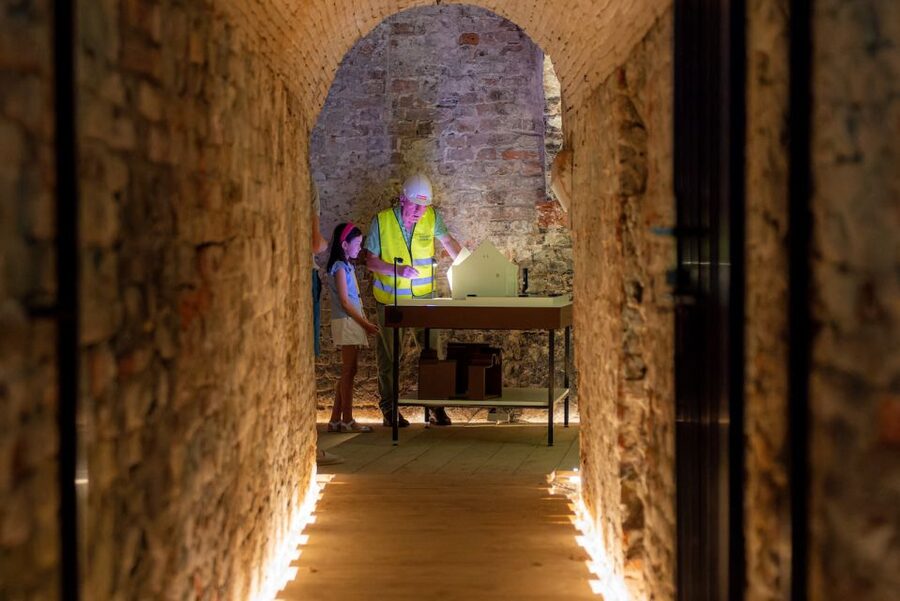
Your visit begins at the Tourist Information Centre at Domplein 9. Scan your ticket at the desk before entering. The activity ends back at the meeting point, so you do not need to arrange transport from a separate finish location.
This is a practical starting point because Domplein is tied closely to Utrecht’s major medieval story. The palace lies between the Vismarkt and Domplein, and the meeting point places you in the center of the area connected with the city’s religious and imperial past.
The ticket is valid for one day, but you still need to check availability for the available starting times. The supplied details do not give a fixed visit length, so do not build a tightly packed schedule around an assumed duration. Check the time when booking, then leave some breathing room before your next activity.
You can cancel up to 24 hours in advance for a full refund, and the reserve-now, pay-later option lets you keep your plans flexible. Those policies are useful if your Utrecht day depends on weather, train times, or other timed visits.
Access and Practical Comfort
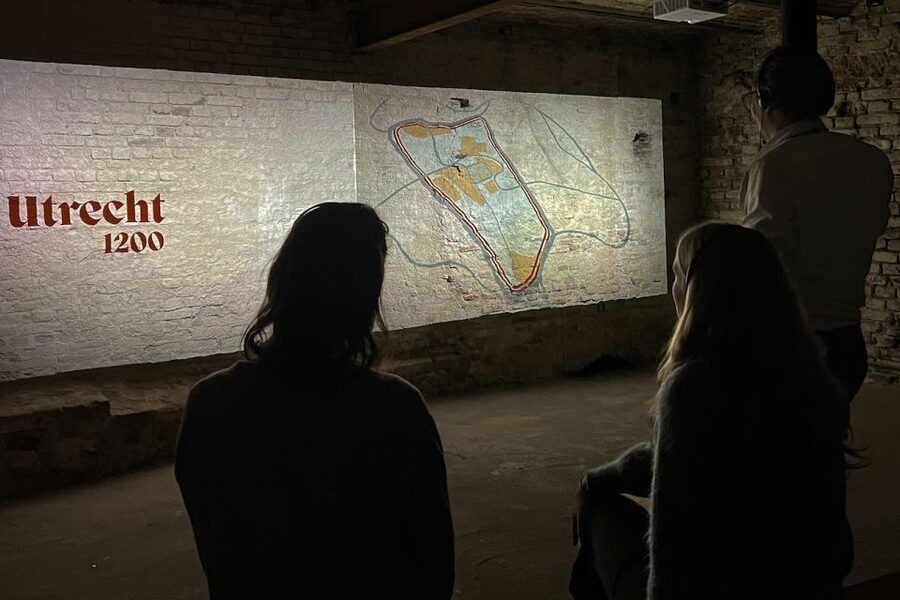
The activity is listed as wheelchair accessible, but access is limited for people with disabilities. Contact the provider in advance to ask what is possible for your needs. Underground historic spaces can have restrictions that are not obvious from a general accessibility label, so this is worth checking before you pay.
The location is central, and the meeting and end point are the same. No transport is included or needed as part of the experience. Bring your ticket in a form you can scan easily at the Tourist Information Centre.
Because the palace remains are in cellars, you may prefer comfortable shoes and a light layer. The supplied information does not give detailed conditions inside, so treat this as sensible preparation rather than a promise about temperature or flooring.
Who Will Enjoy Lofen Palace Most
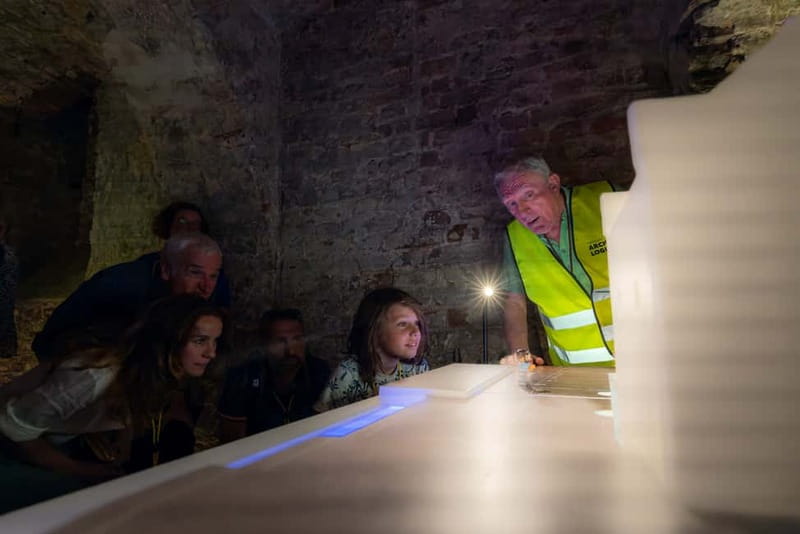
I would recommend this visit to you if you like archaeology, medieval politics, and the small clues that reveal how an old city developed. It is particularly good for people who want to understand Utrecht beyond its canals and famous church tower.
Families with older children may also find the story engaging, especially the idea that an imperial palace disappeared beneath the city and was later found again. The tale has a clear sequence: emperor, city charter, fire, disappearance, rediscovery.
History-focused visitors should come with curiosity rather than a checklist. The experience rewards you for asking what the remains can tell you, and what has been lost. It is less suitable if you want a large museum collection or a complete royal residence with many furnished rooms.
I would also consider it a good choice for a short stop between other central Utrecht sights. At $14, it does not require the same commitment as a long guided tour. Just remember that the time available is listed by starting time rather than a stated tour length, so check the schedule carefully.
Should You Book Lofen Palace?
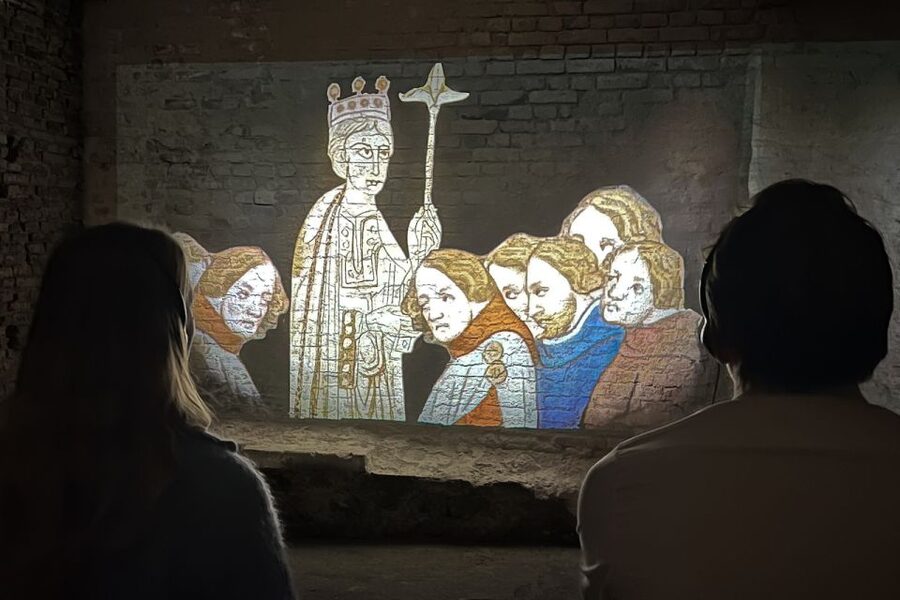
Book it if you want a concise, atmospheric look at Utrecht’s medieval foundations and you enjoy history explained by a guide. The city-rights charter of 1122 and the palace’s connection with Emperor Henry V give the visit a clear purpose, while the cellar setting makes the story feel tied to the ground beneath Utrecht.
Skip it if your idea of a palace visit means grand halls, complete walls, or many objects on display. The physical remains are limited, and that is not a minor detail. You are buying the story of a lost palace as much as the sight of the palace itself.
For most history-minded visitors already near Domplein, I think the $14 price is reasonable. Go in expecting fragments, arches, and a strong explanation rather than a rebuilt royal complex, and Lofen Palace can add a memorable layer to your Utrecht day.
FAQ
Where does the Lofen Palace experience begin?
You begin by scanning your ticket at the desk of the Tourist Information Centre at Domplein 9 in Utrecht.
Where does the activity end?
The activity ends back at the meeting point at the Tourist Information Centre.
What language is the live tour guide?
The live guide speaks Dutch.
Is an English option available?
An English audioguide is included. The live tour itself is listed as Dutch.
How much does entry to Lofen Palace cost?
The listed price is $14 per person.
How long is the ticket valid?
The ticket is valid for one day. You need to check availability for the starting times.
Is Lofen Palace wheelchair accessible?
The activity is listed as wheelchair accessible, but access is limited for people with disabilities. Contact the provider to ask about the possibilities for your needs.
Just added around Utrecht
- Historical Utrecht: Private Walking Tour with a Local Guide★ 4.6 · 3 reviews
- Utrecht: Hoge Woerd Museum Entry Ticket with Audio Tour★ 3.3 · 3 reviews
- Walking Tour Utrecht with a local comedian as guide★ 4.8 · 4 reviews
- Uniquely Utrecht: An Audio Tour of its Charming City Centre★ 5.0 · 4 reviews
- Utrecht Walking Tour with a local comedian as guide★ 4.8 · 5 reviews
- Vecht River: Private Tour sightseeing Cruise with diner★ 5.0 · 5 reviews
- Utrecht Small Public Walking Tour★ 5.0 · 6 reviews
- Utrecht – Food Tour: Try out 6 dutch bites★ 4.5 · 6 reviews
Utrecht Tours, compared.

Utrecht 2-Hour Walking Tour | Discover The City With A Local
Read our review →

Browse the lists this tour appears in