
Reviewed · AMSTERDAM TOURS
Amsterdam Old City Private Walking Tour
Amsterdam’s story begins in an unlikely place: a wet patch of reclaimed swamp that grew into one of Europe’s great trading cities. This private walk connects that past to the streets you see today, from medieval lanes and old city walls to the canals lined with tall merchant houses.
I like the private format, which lets you focus on architecture, trade, religion, or local life instead of following a fixed script. I also like the chance to see less obvious corners, including Oude Manshuispoort and old pawn shops, rather than spending two hours on only the postcard sights.
The main drawback is the clock. Two hours is enough for a sharp introduction, but not enough for a detailed visit to every district or landmark. You should also arrive without large luggage, since bags are not allowed on the tour.
Key points to know before you book
- A private group of up to 10 gives you room to ask questions and shape the walk around your interests.
- Amsterdam’s story starts with reclaimed swamp, inaccessible harbor waters, and the city’s later rise as a major world power.
- The route covers a wide mix of districts, including the medieval center, canals, Chinatown, the former Jewish District, and the Red Light District.
- You may see places many visitors miss, such as Oude Manshuispoort, old pawn shops, and less familiar corners of the Jordaan.
- The Begijnhof and Old Church add quiet historic stops to a route that also passes through busy and controversial parts of town.
- The $265 group price makes more sense with several people, since the cost is shared by up to 10 participants.
Starting at Amsterdam Central Station
You meet your guide in front of the main entrance of Amsterdam Central Station. That is a practical starting point for a first walk because the station sits at the edge of the old center, close to the city’s earliest streets and canals.
You should allow a little extra time to find the correct meeting spot. Central Station is large, and the area outside can be crowded with bicycles, trams, taxis, and people heading into town.
Since the tour is private, your guide can adjust the emphasis from the start. If you care most about architectural details, you can ask for more attention to merchant houses and canals. If you are curious about Amsterdam’s social past, the Jewish District, Begijnhof, and Red Light District offer more to discuss.
The tour is offered in English, Dutch, or German. It is also wheelchair accessible, though Amsterdam’s historic streets and older passages can still require careful movement. Large bags and luggage are not allowed, so leave suitcases at your hotel or use suitable storage before arriving.
More Walking Tours in Amsterdam
- Anne Frank’s Story – Guided Walking Tour through Amsterdam
★ 5.0 · 11,619 reviews - Amsterdam: Life of Anne Frank and World War II Walking Tour
★ 4.8 · 10,467 reviews - Absolutely Amsterdam – the Essential Introductory Walking Tour
★ 5.0 · 3,629 reviews
How a swamp became a world city
The most useful part of this tour is the basic explanation of how Amsterdam came to be. The city was built on reclaimed swamp, with land stabilized and shaped for streets, homes, trade, and canals.
That setting helps explain Amsterdam’s look. The city did not grow around a broad royal avenue or a grand hilltop palace. It developed through water management, shipping, commerce, and practical urban expansion.
The harbor was once difficult to reach, and a direct connection with the North Sea was not created until the 19th century. Yet Amsterdam had already become one of the world’s most important cities long before that improvement.
By 1650, about 220,000 people lived here, making Amsterdam the third-largest city in Europe at the time. That figure gives you a useful sense of scale. The narrow streets and compact canal belt were not simply picturesque. They were part of a dense commercial city filled with merchants, workers, warehouses, religious groups, and international trade.
I find this kind of context more useful than a string of dates. Once you understand the pressure created by water, trade, and limited space, the tall houses and tight streets make much more sense.
Medieval lanes and the old city wall
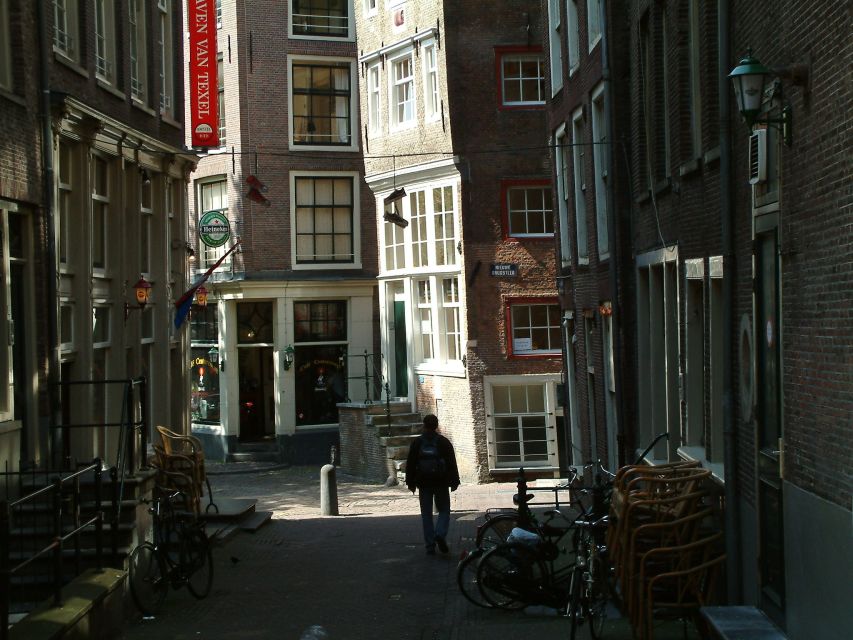
The walk heads through Amsterdam’s medieval center, where the city’s earliest shape is still visible. You may see parts of the old city wall and traces of how Amsterdam grew outward from a smaller settlement.
This section is a good fit if you like to orient yourself before tackling the larger canal district. The streets are close together, and the guide can show how old routes connect with later canals and commercial areas.
The medieval center also helps explain why Amsterdam can feel layered rather than neatly divided into old and new. A lane may lead to a church, a canal, a market area, or a district with a very different character.
You will not be taking a formal museum tour, and the route does not include food or drinks. The value comes from reading the streets with a guide who can point out what you might otherwise walk past.
Old Church and quiet religious corners
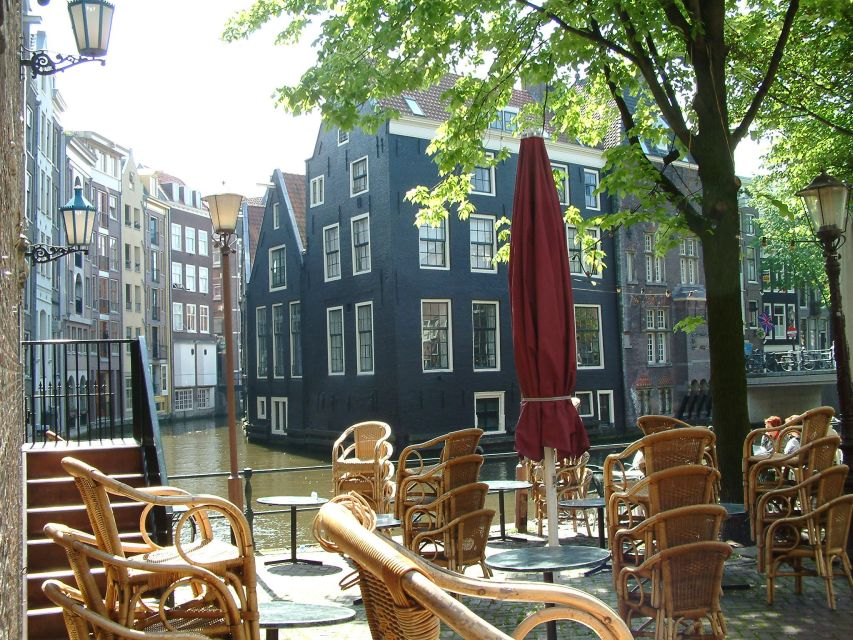
The Old Church, or Oude Kerk, is one of the major historic sights on the route. Its location in the old center places it close to some of Amsterdam’s most famous and complicated streets.
The tour also includes lesser-known churches and the Oude Manshuispoort. These stops add a quieter side to the walk, especially when compared with the nearby Red Light District.
You should think of these places as exterior and street-level points of interest unless your guide tells you otherwise. The information provided describes a walking tour, not an admission-based church visit, so do not book it expecting a long indoor inspection.
That limitation is not a problem for everyone. If you want a first look at Amsterdam’s religious and civic past, these brief stops can give you useful direction. If you want detailed art history or extended time inside the Old Church, you will need a separate visit.
Same country, a completely different kind of day:
- Amsterdam: Van Gogh Museum Ticket
★ 4.7 · 52,054 reviews - Amsterdam Classic Saloon Boat Cruise with Drinks and Cheese
★ 5.0 · 31,825 reviews - Amsterdam Luxury Canal Cruise + Unlimited Drinks & Bites option
★ 5.0 · 30,518 reviews - Amsterdam: Heineken Experience Ticket
★ 4.6 · 30,055 reviews
The merchant houses along Herengracht
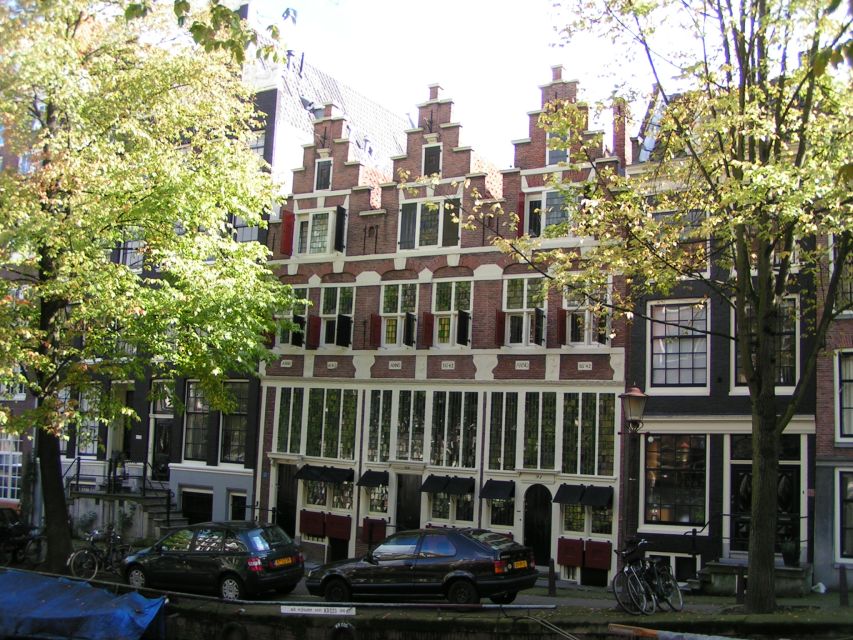
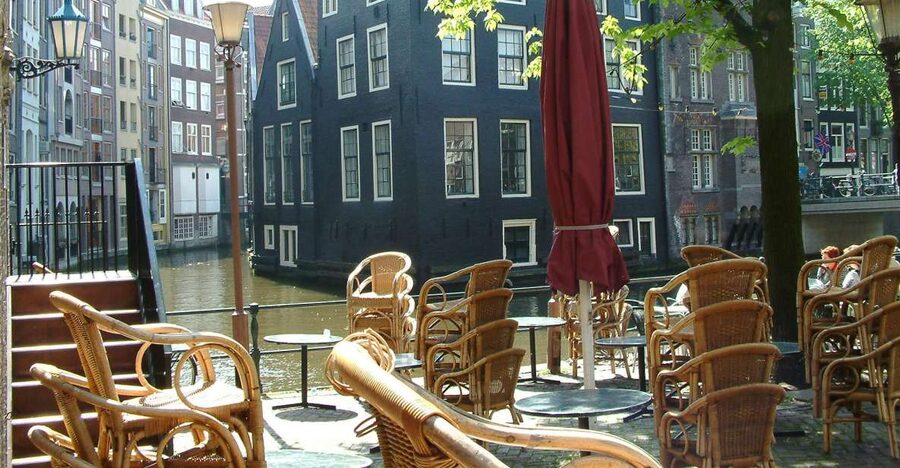
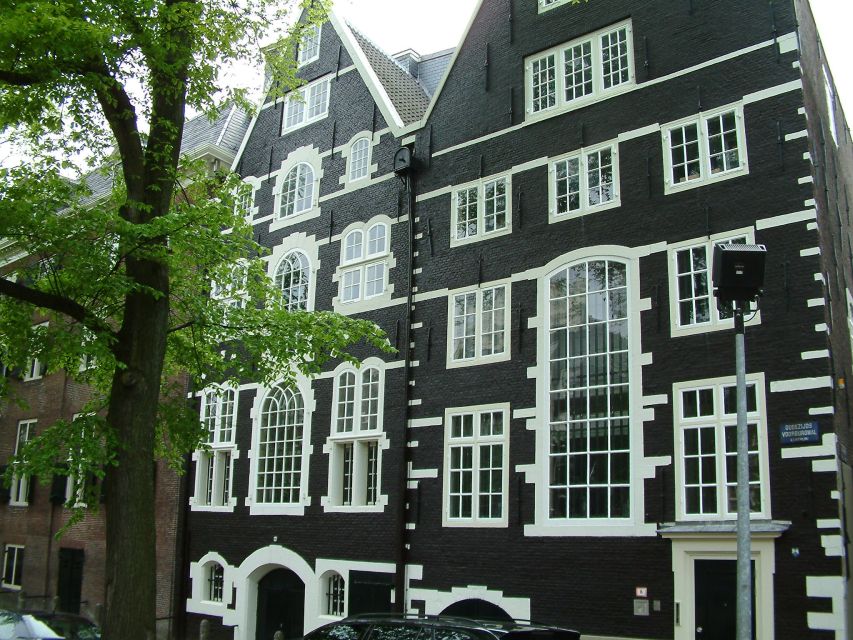
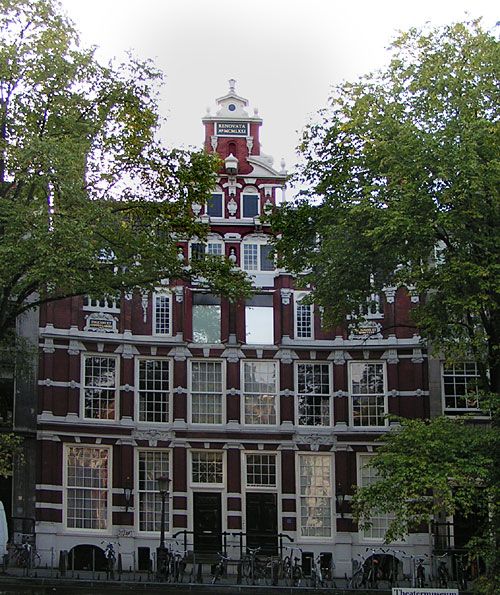
Amsterdam’s canals are the visual heart of this experience. The walk follows Herengracht, one of the city’s first three major canals, where tall 17th-century merchant houses line the water.
These buildings are not just pretty backdrops. Their height, narrow fronts, and position along the canal reflect the wealth and practical needs of Amsterdam’s commercial class.
A private guide can point out how the houses relate to trade and status, though the exact depth of that discussion depends on your questions and interests. If you enjoy architecture, ask your guide to focus on the houses themselves, including their facades and how the canal belt developed.
The route also passes the 17th-century Oostindisch Huis, the Amsterdam headquarters of the East India Company. This is an important stop for understanding the city’s global reach and the commercial power behind its growth.
The story here is not only one of clever trade and civic success. It also connects Amsterdam’s wealth to a major company and an international system of commerce. A good guide should help you see both the ambition and the harder questions behind that history.
Jordaan details beyond the postcard view
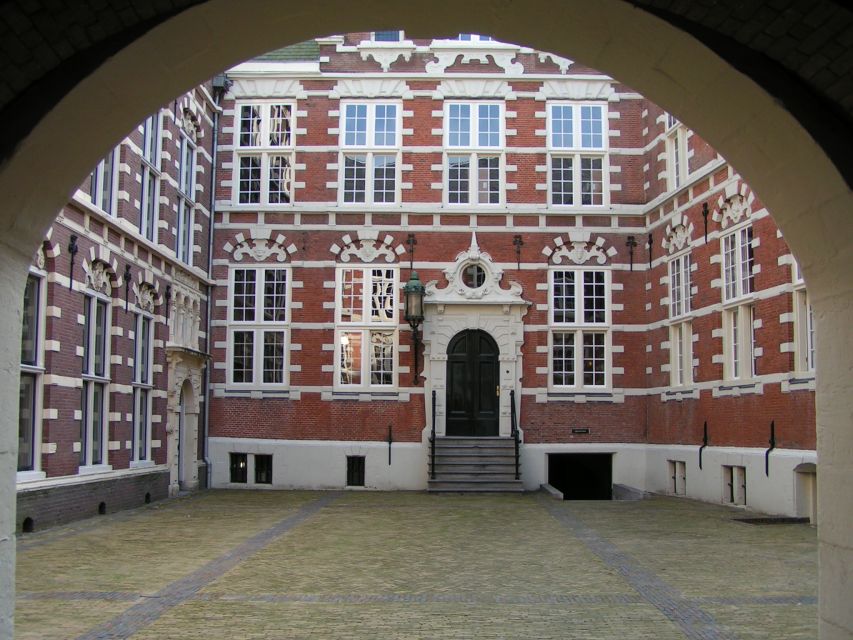
The Jordaan is known for its handsome houses and canals, but this walk adds more ordinary details to the picture. You may pass old pawn shops and corners that do not always appear in a standard first-time route.
That is one of the strongest reasons to choose a private walk instead of a large group circuit. You can ask why a certain shop, doorway, or street matters, rather than simply moving from one famous photo stop to the next.
The route does not promise a long, separate tour of every part of the Jordaan. It includes selected sights and stories within the two-hour schedule. Still, even a short look can help you decide where to return later for a slower walk.
A guide with long experience in Amsterdam can also add recent local history. One guide described for this experience is an older Amsterdam local who has personal memories of the city’s development in the 1970s. That sort of firsthand perspective can add useful texture to the older historical material, though no guide name is provided in the booking information.
Begijnhof and Amsterdam’s women’s homes
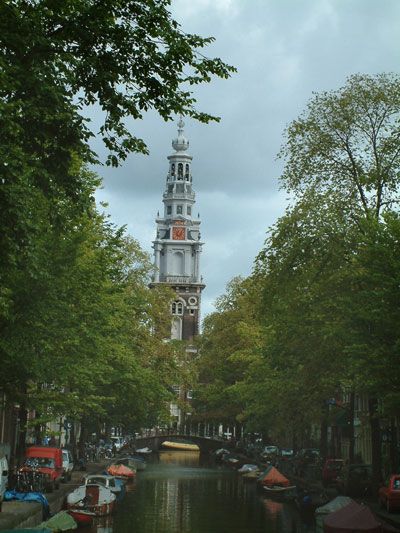
The Begijnhof offers a very different mood from the open canal streets. This enclosed group of women’s homes is included as one of the route’s historic stops.
The setting is valuable because it shows another side of city life. Amsterdam’s story was not only about merchants, shipping, and large companies. Places such as the Begijnhof point to community life, housing, faith, and the role of women in the city.
Keep your expectations sensible. A two-hour walk cannot give you a long, detailed visit here, and the activity does not list a special interior tour. The guide’s explanation and the atmosphere of the courtyard are the main reasons to include it.
You should also treat the Begijnhof as a residential and historic place, not simply as a photo stop. Quiet behavior matters, and a guide can help you understand the setting without turning it into a hurried checklist item.
Chinatown, Nieuwmarkt, and the former Jewish District
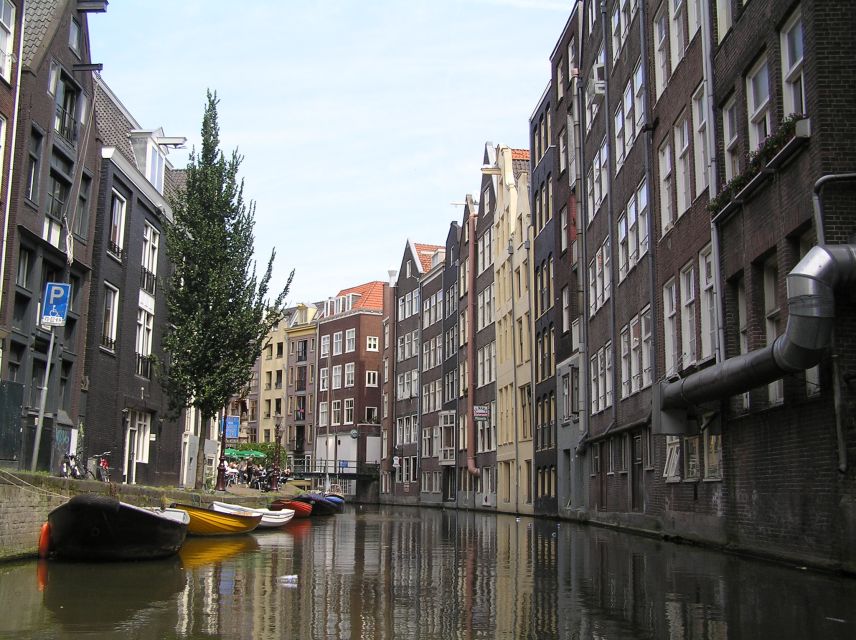
The route continues into Chinatown and Nieuwmarkt, bringing you into a part of Amsterdam shaped by trade, migration, markets, and changing city life.
This section broadens the tour beyond the familiar canal belt. Chinatown gives you a chance to see how Amsterdam’s old center continues to reflect international connections, while Nieuwmarkt adds another historic public space to the walk.
The former Jewish District is also included. This is an important part of Amsterdam’s past, and it deserves more than a quick label on a map. Your guide can place the streets and surviving buildings within the larger story of the city’s Jewish community.
The information provided does not promise entry to a Jewish museum or synagogue, so book this as a guided neighborhood walk rather than a museum visit. If that history matters especially to you, say so when the tour begins. The private setup makes it easier to request more context.
The Red Light District, handled as part of the old city
The Red Light District is one of Amsterdam’s most famous and controversial areas, and the walk passes through it rather than avoiding it. This makes sense geographically and historically, since the district sits close to the medieval center and the Old Church.
The guide can help you see the area as part of Amsterdam’s older urban fabric, not just as a novelty stop. The contrast between historic religious buildings, narrow lanes, businesses, and modern tourism is one of the most striking parts of the route.
Some people may find this section uncomfortable or simply not useful. If you prefer a quieter focus on architecture, trade, or the Begijnhof, tell your guide early. The tour is adapted to your wishes, so the balance can shift, within the limits of the two-hour route.
Use normal street respect here. Do not assume every doorway or person is a photo opportunity. A guide is especially useful in this district because the local setting calls for more awareness than a casual sightseeing stroll.
What $265 is worth for a private group
The price is $265 for a group of up to 10 people, with the guide and VAT included. Food and drinks are not included, which is standard for a short walking tour.
For one person or a couple, that is a high price for two hours. You are paying for a private guide, not for admission to several attractions. If you mainly want a general orientation and do not need personal attention, a shared city walk may offer better value.
For a family or group of friends, the calculation changes. Ten people could share the cost at $26.50 each, and a group of eight would pay about $33.13 per person if the full price were split evenly. That is a fairer deal when you want your own pace, a chosen language, and the chance to ask direct questions.
The biggest value comes from flexibility. You can request more architecture, older history, Jewish Amsterdam, local development, or the city’s commercial past. You are not locked into a single lecture.
The 4.6 rating from 33 reviews also suggests a dependable experience, but the most useful pattern is the praise for personal detail. The strongest comments describe guides who shared stories about modern Amsterdam, visited places not usually found in guidebooks, and gave an informative walk to groups of eight.
Who will get the most from this walk
I would recommend this tour to first-time visitors who want a quick but thoughtful orientation. It covers enough ground to show you how the old center fits together, then gives you ideas for places to revisit on your own.
It also suits families and small groups who want to stay together. A private walk is easier to manage than a large group when people have different interests or walking speeds.
Architecture fans should ask for emphasis on the canal houses, Herengracht, merchant buildings, old walls, and Oostindisch Huis. History fans should request more about the 17th-century city, the East India Company, the Jewish District, and Amsterdam’s growth from swamp settlement to major European center.
You may want another option if you need extensive indoor sightseeing, food tastings, or a slow visit to individual museums and churches. Two hours passes quickly, especially with the route covering so many districts.
Practical details that affect your day
The tour lasts two hours, and starting times vary, so you need to check availability before booking. It is a walking experience from Central Station, with no transport between the districts listed.
Wear comfortable shoes and bring only what you need for the walk. Large bags and luggage are not allowed, and food and drinks are your own responsibility.
You can cancel for a full refund up to 24 hours before the start time. The reserve now and pay later option also helps if your schedule is still changing.
The tour is wheelchair accessible. Since the route passes through historic parts of Amsterdam, you should still discuss any specific mobility needs when arranging the experience, particularly if you want the guide to adjust the pace or route.
Should you book the Amsterdam Old City Private Walking Tour?
Book it if you want a personal introduction to Amsterdam’s old center and your group values questions, flexibility, and local detail. It is especially worthwhile for groups of four or more, when the $265 cost is shared.
I would choose it over a standard city walk if you want more than the main canal photos, particularly the former Jewish District, Begijnhof, Chinatown, Oude Manshuispoort, and less familiar Jordaan corners. The guide’s ability to add stories about Amsterdam’s recent development is another useful touch.
Skip it if you want long indoor visits, a food-focused outing, or the lowest possible price. For everyone else, this is a brisk, well-shaped way to get your bearings while seeing how Amsterdam’s medieval streets, canals, commerce, and modern city life fit together.
FAQ
Where does the Amsterdam Old City Private Walking Tour start?
The meeting point is in front of the main entrance of Amsterdam Central Station.
How long does the walking tour last?
The tour lasts two hours.
Is the tour private?
Yes. It is a private group experience for up to 10 people.
What languages are available?
The live guide can conduct the tour in English, Dutch, or German.
What sights and districts are included?
The route can include the medieval center, parts of the old city wall, hidden churches, the Old Church, Oude Manshuispoort, the Red Light District, the former Jewish District, the Begijnhof, Chinatown, Nieuwmarkt, Herengracht, the Jordaan, and Oostindisch Huis.
Can the tour be adapted to my interests?
Yes. The two-hour walking tour is adapted to your wishes, and an interest in architecture and history is enough to enjoy it.
Is the tour wheelchair accessible?
Yes, the activity is listed as wheelchair accessible.
Are food and drinks included?
No. Food and drinks are not included in the price.
Can I cancel for a full refund?
Yes. You can cancel up to 24 hours in advance for a full refund.
Just added around Amsterdam
- Amsterdam: Giethoorn Tour with Canal Cruise and Windmills★ 5.0 · 3 reviews
- Full-day excursion to Edam, Volendam, and Marken★ 3.7 · 3 reviews
- Amsterdam: Chocolate Fondue in the Dark★ 5.0 · 3 reviews
- Amsterdam Private Walking Tour of Famous Painters★ 5.0 · 3 reviews
- Amsterdam Family Friendly Historical Walking Tour★ 5.0 · 3 reviews
- Amsterdam Old-West Vegan Food Tour with Local Guide★ 4.7 · 3 reviews
- From Amsterdam: visit Zaanse Schans, Muiderslot and more!★ 5.0 · 3 reviews
- Amsterdam Walking Tour with Dutch Pancake Lunch★ 5.0 · 3 reviews
Amsterdam Tours, compared.


Amsterdam Classic Saloon Boat Cruise with Drinks and Cheese
Read our review →
Amsterdam Luxury Canal Cruise + Unlimited Drinks & Bites option
Read our review →


Classic Boat Cruise with Optional Cheese & Wine
Read our review →
Evening Cruise with Optional Wine and Snacks
Read our review →
75 Minute City Canal Cruise with Audio Guide
Read our review →Browse the lists this tour appears in