
Reviewed · AMSTERDAM TOURS
Amsterdam: City walking experience with a local
Amsterdam’s story comes alive when you connect its canals and tolerance with everyday details such as bikes, coffeeshops, prostitution, and the famous three XXXs. This two-hour walk moves through central Amsterdam with a local guide who explains how a medieval settlement became one of Europe’s most open-minded cities.
I especially like the small-group feel and the practical local advice, including suggestions for coffee places, restaurants, bookshops, and museums. The stroopwafel stop and small Dutch souvenir also add a pleasant personal touch. One limitation is that you do not enter the Royal Palace, and two hours can only provide a first look at several major areas.
Key points at a glance
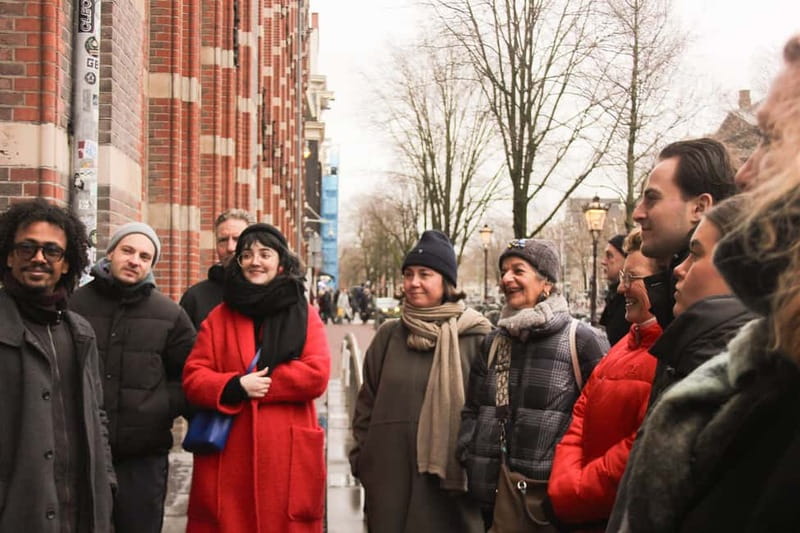
- A local-led introduction: The guide explains Amsterdam’s past and present in plain, engaging terms.
- Central sights in one walk: See Dam Square, Spui, Begijnhof, Nieuwmarkt, Centraal Station, and major canals.
- More than postcard views: Learn about WWII, the three XXXs, bikes, coffeeshops, and prostitution.
- A sweet Dutch pause: A stroopwafel is included during the walk.
- Useful trip planning help: The guide can suggest coffee spots, restaurants, bookshops, and museums.
- Good booking flexibility: The tour lasts two hours, costs $28 per person, and allows free cancellation up to 24 hours before departure.
Why this two-hour walk works well in Amsterdam
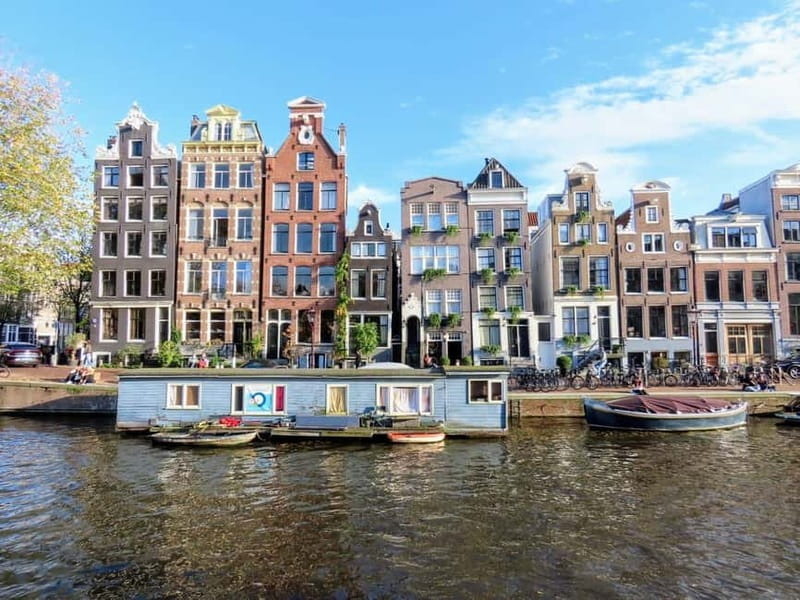
Amsterdam can feel easy to understand at first. You see water, narrow houses, bicycles, and busy squares, then quickly realize that the city has layers that are not obvious from a photo stop. This walk is useful because it ties the sights together instead of treating them as isolated attractions.
The central route covers famous places, but the focus is not only on buildings. You hear how Amsterdam grew from a small medieval settlement, how its canal belt shaped the city, and how social attitudes developed over time. That makes the walk a good choice for your first day, when you want context before visiting museums or exploring on your own.
The guide also talks about modern Amsterdam. You can expect discussion of coffeeshops, prostitution, the three XXXs, and the city’s bike culture. These subjects are part of Amsterdam’s public identity, but they are often reduced to cheap jokes. A local explanation gives you a better sense of how the city’s liberal image connects with its past and with practical city life.
The experience is offered in English or Dutch. Private groups are available, while the standard format is a small group. That matters here. A walking tour works best when you can hear the guide, ask questions, and pause for a useful explanation without being lost in a crowd.
More Walking Tours in Amsterdam
- Anne Frank’s Story – Guided Walking Tour through Amsterdam
★ 5.0 · 11,619 reviews - Amsterdam: Life of Anne Frank and World War II Walking Tour
★ 4.8 · 10,467 reviews - Absolutely Amsterdam – the Essential Introductory Walking Tour
★ 5.0 · 3,629 reviews
Starting at Beursplein beside Bistro Berlage
The meeting point is Beursplein, a central square. Look for the bottom of the stairs at Bistro Berlage, where the guide waits by the large black lantern with a sign marked Guidance.
This is a sensible place to begin because you are already in the middle of central Amsterdam. Still, give yourself time to find the exact spot. A large city square can be confusing if you arrive at the last minute, and the meeting instructions rely on recognizing the stairs, lantern, and bistro.
From here, the walk returns to Beursplein at the end. You do not need to arrange transport between stops. That keeps the experience simple, though you should wear comfortable shoes and be ready for a steady two-hour walk through city streets and squares.
Dam Square and Amsterdam’s public center
Dam Square is the natural first major sight. It is one of the city’s best-known gathering places, framed by major buildings and filled with the movement of central Amsterdam.
The important value here is orientation. Amsterdam’s most famous attractions can seem scattered when you first arrive, but Dam Square gives you a clear reference point. Your guide can place the surrounding streets and canals in a wider story, helping you understand how the historic center fits together.
The Royal Palace is part of the tour’s subject matter, but you do not go inside it. Entrance tickets are not included, and the palace is specifically excluded from the visit. If you want to tour the interior, plan that separately on another visit.
That is not necessarily a weakness. A two-hour city walk would lose time if it stopped for a full palace visit. You get an exterior introduction and move on to several other parts of central Amsterdam, but you should not book this experience as a palace tour.
Spui Square and the quieter side of the center
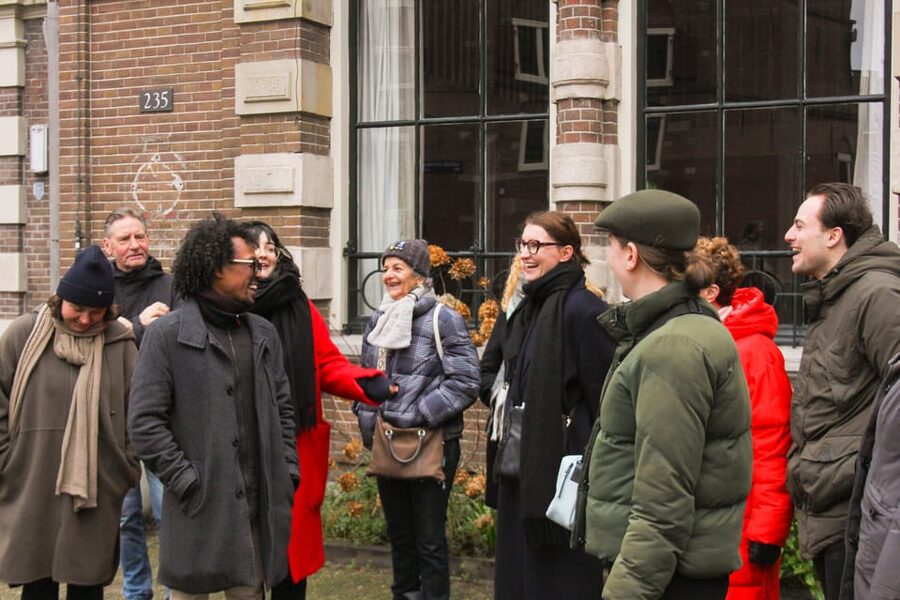
Spui Square offers a change in mood from the scale and traffic of Dam Square. It is one of the stops where the guide can shift from major landmarks to the texture of daily Amsterdam.
This kind of pause is useful because a city tour should not be only a checklist of famous buildings. You get time to notice how public spaces work, how people move through the center, and how the historic core blends with modern city life.
The guide’s local recommendations are particularly helpful here and elsewhere along the route. Manouk, who is named in the tour feedback, is praised for offering suggestions for coffee places, restaurants, bookshops, and museums. Those tips can be worth more than another string of dates and architectural facts, especially if this is your first day in town.
Same country, a completely different kind of day:
- Amsterdam: Van Gogh Museum Ticket
★ 4.7 · 52,054 reviews - Amsterdam Classic Saloon Boat Cruise with Drinks and Cheese
★ 5.0 · 31,825 reviews - Amsterdam Luxury Canal Cruise + Unlimited Drinks & Bites option
★ 5.0 · 30,518 reviews - Amsterdam: Heineken Experience Ticket
★ 4.6 · 30,055 reviews
Begijnhof and Amsterdam’s older character
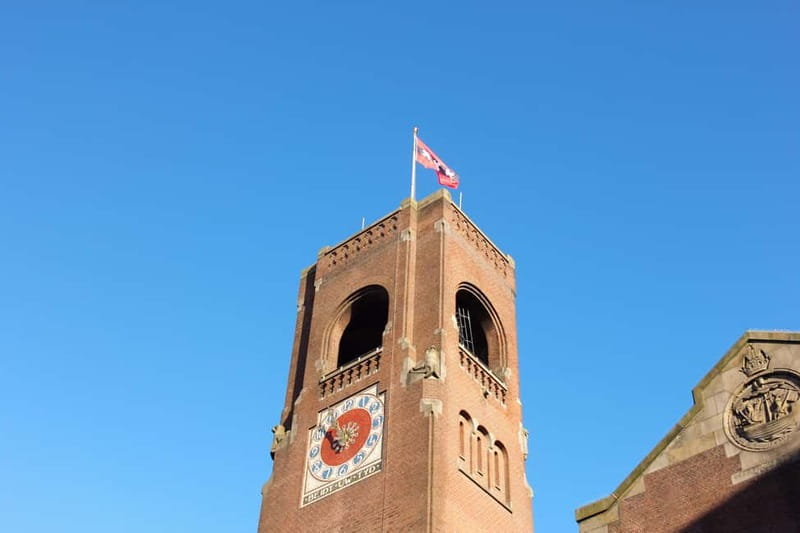
Begijnhof is one of the most distinctive stops. This enclosed historic courtyard gives you a quieter setting within the central city and offers a chance to see a different side of Amsterdam’s past.
Your guide uses places like this to explain how the city changed from its early settlement into the Amsterdam you see today. The contrast matters. You move from open squares and busy streets into a contained, older space, then return to the wider city around it.
Begijnhof is also a good photo stop, but remember that this is a sightseeing visit, not a long guided museum session. The tour has several stops to cover, so the time at each place may be limited. If Begijnhof becomes your favorite location, you may want to return independently after the walk.
Huis Aan De Drie Grachten and the canal story
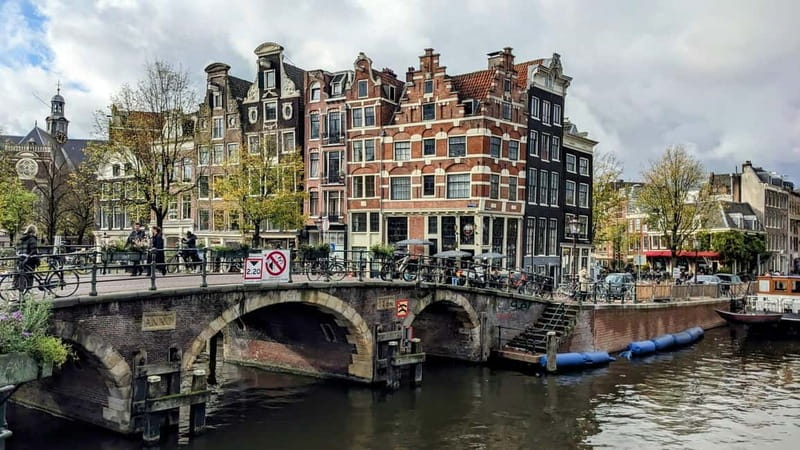
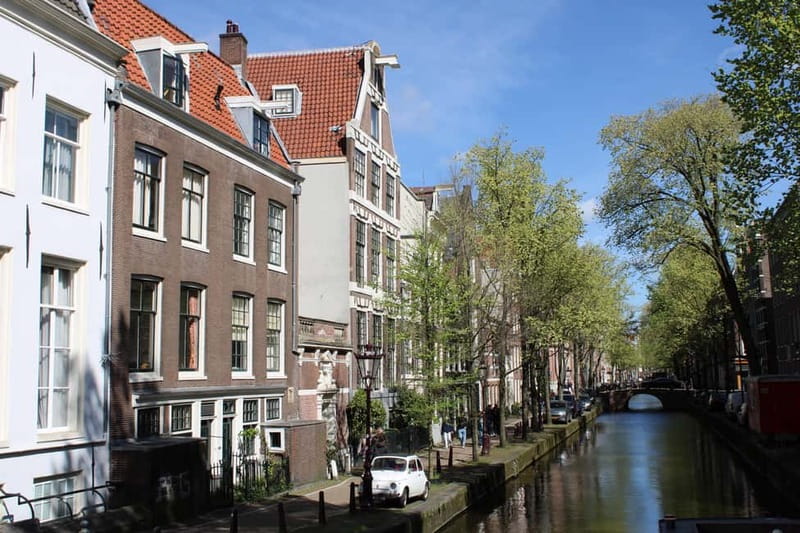
Huis Aan De Drie Grachten adds a canal-focused stop to the route. The name points to Amsterdam’s defining feature: waterways that are not simply scenic, but central to how the city was built and expanded.
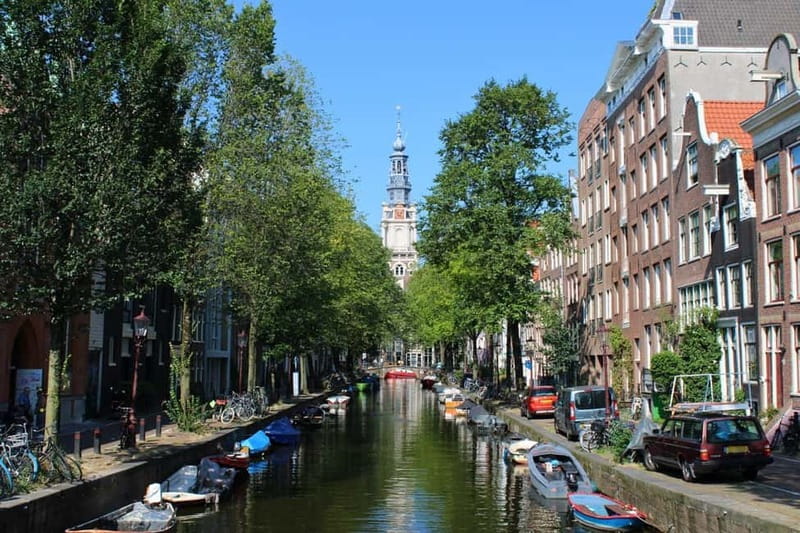
The canal belt is UNESCO listed, and the guide explains its place in Amsterdam’s development. That context makes the views more meaningful. Instead of seeing attractive water and house fronts as a single postcard scene, you learn how the canals helped shape the city and how Amsterdam has adapted its old center to modern needs.
This is also where the walking format earns its keep. From the street, you can notice changing views and narrow angles that are easy to miss from a vehicle. You are not simply being transported between monuments. You are moving through the setting that makes Amsterdam recognizable.
Nieuwmarkt Square and the city’s changing identity
Nieuwmarkt Square brings the walk into another important part of central Amsterdam. It gives the guide room to continue the city’s historical story while discussing present-day Amsterdam.
One of the strongest themes of the experience is change. Amsterdam is presented not as a preserved medieval set piece, but as a city that keeps adjusting to modern needs. That includes its attitudes toward personal freedom, public behavior, tourism, transport, and city planning.
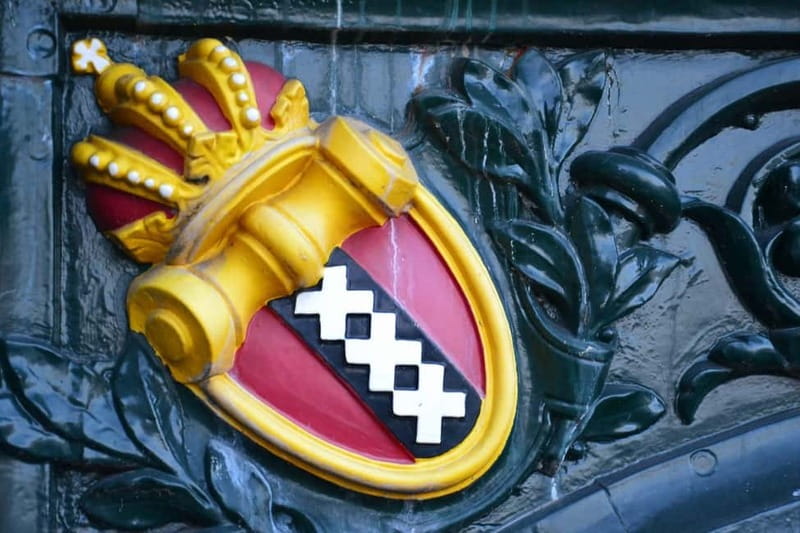
The guide also explains the famous three XXXs. This is a detail many visitors notice without understanding, so having it explained during a broader historical discussion is useful. The same applies to bikes. You learn why bicycles are so common and what happens to the ones that disappear, a lighthearted subject that also points to a real part of daily city life.
Amsterdam Centraal Station and the end of the route
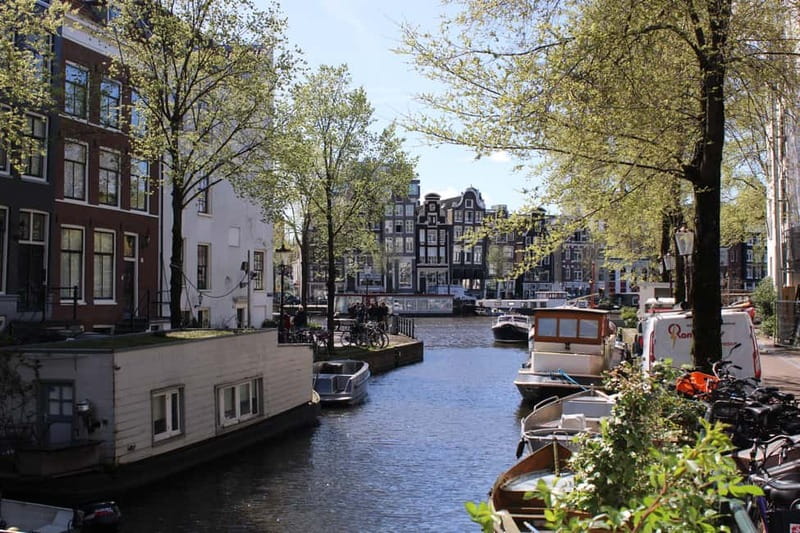
Amsterdam Centraal Station is the final sightseeing stop before the walk returns to Beursplein. The station is more than a transport hub. It is one of the clearest arrival points for the city, and many people will pass through it at the beginning or end of their stay.
Ending here gives you a practical sense of how the central area connects with the rest of Amsterdam. You can better judge walking distances and understand where the historic center begins and ends.
The route then returns to the starting square. Because the experience finishes where it began, you can easily continue with your own plans afterward. You might head back toward a museum, find lunch, or use the guide’s recommendations while the details are still fresh.
The subjects that make this more than sightseeing
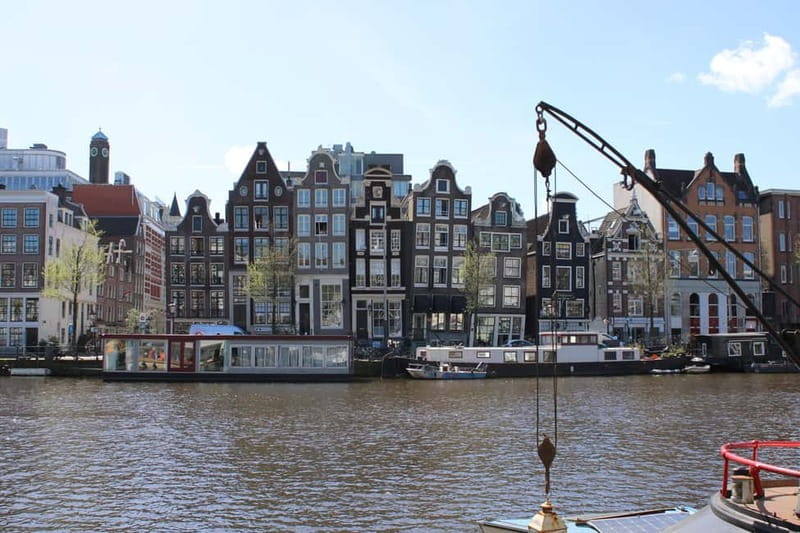
The best part of the walk is the mix of serious history and everyday questions. You hear about WWII and its effect on Amsterdam, then shift to bikes, coffeeshops, prostitution, and the city’s liberal reputation.
That range keeps the tour from becoming dry. It also helps you understand why Amsterdam can feel both traditional and permissive. The guide explains how the city’s open attitude has historical roots, rather than presenting it as a recent marketing slogan.
The discussion of coffeeshops and prostitution is a reason to consider the age restriction. The activity is not suitable for children under 12. Alcohol and drugs are not allowed, and the tour is best approached as a cultural walking experience, not as a party outing.
The guide’s style is another major factor. Manouk is repeatedly singled out by name for her friendliness, engaging conversation, clear explanations, and willingness to involve everyone in a group. She is also praised for helping people with follow-up plans around the city. Guides can vary, so Manouk’s presence is not guaranteed, but her approach gives you a useful idea of the tone to expect.
Stroopwafel, souvenir, and small-group value
Midway through the walk, you receive a stroopwafel, the classic Dutch cookie made with two thin waffle layers and syrup in between. It is a small inclusion, but a smart one. A two-hour walk is more pleasant with a brief sweet pause, and the snack adds local flavor without requiring a separate food tour.
You also receive a small Dutch souvenir at the end. It is not a major reason to book, but it gives the experience a friendly finish and something tangible to take away.
At $28 per person, the value is strong if you want a compact orientation to central Amsterdam. You are paying for two hours with a local guide, a snack, a souvenir, and a route that combines major sights with social and historical background.
The value is less clear if you mainly want interior access to monuments. The Royal Palace is not visited inside, and the experience does not include entrance tickets. It is best understood as a city introduction rather than a collection of admissions.
Who should book this Amsterdam walk
I would choose this for a first visit, especially if you want to get your bearings quickly. The route covers enough central sights to help you plan the rest of your stay, while the local suggestions can point you toward places that match your interests.
It also suits adults and older children who are comfortable with frank discussion of Amsterdam’s coffeeshops, prostitution, and liberal culture. The stated minimum age is 12, so families with younger children should choose another activity.
The walk is a good fit if you like conversation and questions. The guide does not simply point at buildings. You get explanations, local observations, and room for personal recommendations. A private group is available if you want a more personal format.
It may not suit you if you dislike walking, want a detailed museum-style lecture, or need long visits at each landmark. The two-hour schedule covers a lot, which means the experience gives you an overview rather than extended time at every stop.
The activity is wheelchair accessible, which makes it more flexible for many visitors. Since it is an outdoor walking route, confirm the specific arrangements for your group when booking if you have particular mobility needs.
Booking details worth knowing
The price is $28 per person, and the duration is two hours. Starting times vary, so check availability for the date you want.
You can cancel up to 24 hours before the activity for a full refund. You can also reserve now and pay later, useful when you are still arranging a longer Amsterdam itinerary.
The tour runs in English and Dutch. Meet at Beursplein by the stairs of Bistro Berlage, beside the large black lantern, and look for the Guidance sign. The walk ends back at Beursplein.
Should you book it?
Book this tour if you want a friendly, efficient introduction to Amsterdam that connects canals, history, WWII, bikes, the three XXXs, coffeeshops, and the Red Light area. The combination of major sights and candid local context is the main strength.
I would especially recommend it early in your stay. You can use the guide’s suggestions for restaurants, coffee places, bookshops, and museums afterward, and you will recognize the center more easily as you explore alone.
Skip it if your priority is entering the Royal Palace or spending long periods at one attraction. For everyone else, $28 is a fair price for two hours of central Amsterdam, a stroopwafel, a small souvenir, and practical help from a local guide.
FAQ
How long does the Amsterdam walking experience last?
The tour lasts two hours.
Where does the walking tour start?
It starts at Beursplein. Wait at the bottom of the stairs of Bistro Berlage, near the large black lantern. The guide holds a sign marked Guidance.
Where does the tour finish?
The activity ends back at Beursplein, the starting point.
Is the Royal Palace visited during the tour?
No. The Royal Palace is part of the sightseeing context, but the tour does not enter the palace. Entrance tickets are not included.
What languages are available?
The live tour guide is available in English and Dutch.
Is the tour suitable for children?
The activity is not suitable for children under 12 years old.
Is the walking tour wheelchair accessible?
Yes, the activity is listed as wheelchair accessible.
Just added around Amsterdam
- Amsterdam: Giethoorn Tour with Canal Cruise and Windmills★ 5.0 · 3 reviews
- Full-day excursion to Edam, Volendam, and Marken★ 3.7 · 3 reviews
- Amsterdam: Chocolate Fondue in the Dark★ 5.0 · 3 reviews
- Amsterdam Old-West Vegan Food Tour with Local Guide★ 4.7 · 3 reviews
- Amsterdam Family Friendly Historical Walking Tour★ 5.0 · 3 reviews
- Amsterdam Private Walking Tour of Famous Painters★ 5.0 · 3 reviews
- From Amsterdam: visit Zaanse Schans, Muiderslot and more!★ 5.0 · 3 reviews
- Amsterdam Walking Tour with Dutch Pancake Lunch★ 5.0 · 3 reviews
Amsterdam Tours, compared.


Amsterdam Classic Saloon Boat Cruise with Drinks and Cheese
Read our review →
Amsterdam Luxury Canal Cruise + Unlimited Drinks & Bites option
Read our review →


Classic Boat Cruise with Optional Cheese & Wine
Read our review →
Evening Cruise with Optional Wine and Snacks
Read our review →
75 Minute City Canal Cruise with Audio Guide
Read our review →Browse the lists this tour appears in