
Reviewed · UTRECHT TOURS
Utrecht: Museum Speelklok Entry Ticket
A small box opens, gears turn, and suddenly a room fills with music. At Museum Speelklok in Utrecht, the performers are not people but mechanical music machines, some more than a century old. I love the sheer oddness of hearing an orchestra play without visible musicians, and I love that the museum explains both the magic and the clever engineering behind it.
The free hourly tour is a second strong point, especially if you want to understand what you are seeing instead of simply walking past old cabinets. The main drawback is that some presentations have no seats, and one day may feel short if self-playing instruments do not hold your attention for long.
Key points to know before you go
- Hear machines play live: Listen to music boxes, barrel organs, orchestrions, musical clocks, and other self-playing instruments.
- See the famous Arabier: This traditional Dutch street organ is one of the museum’s major highlights.
- Find Violina: The museum presents this remarkable instrument as the so-called 8th world wonder.
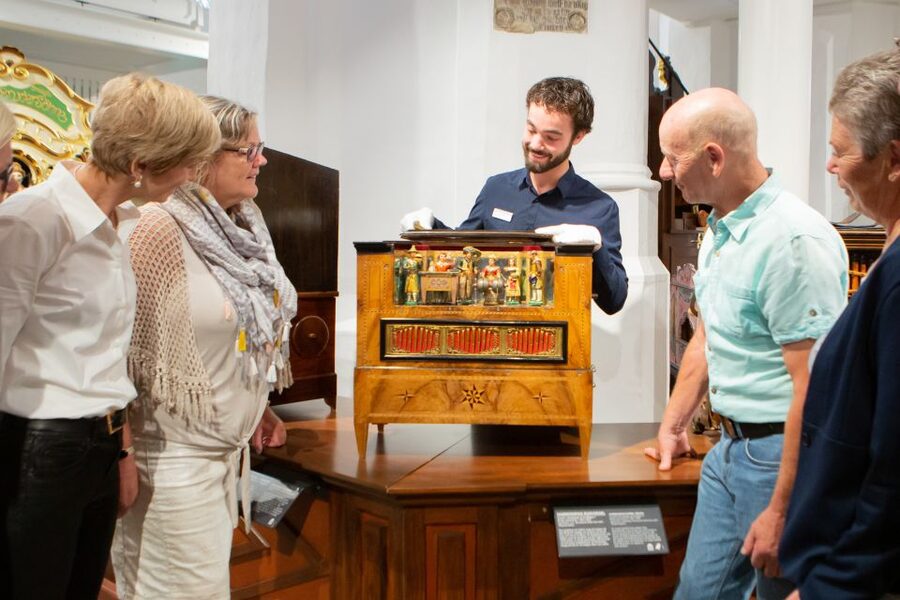
- Join the hourly tour: Free guided tours are offered in English and Dutch, with stories, demonstrations, and technical details.
- Plan for a hands-on museum: The Museum Expedition includes opportunities to learn about the parts and workings of the instruments.
- Expect a family-friendly indoor stop: The ticket costs about $20 per person, and the museum is wheelchair accessible.
Entering a world where gears make the music
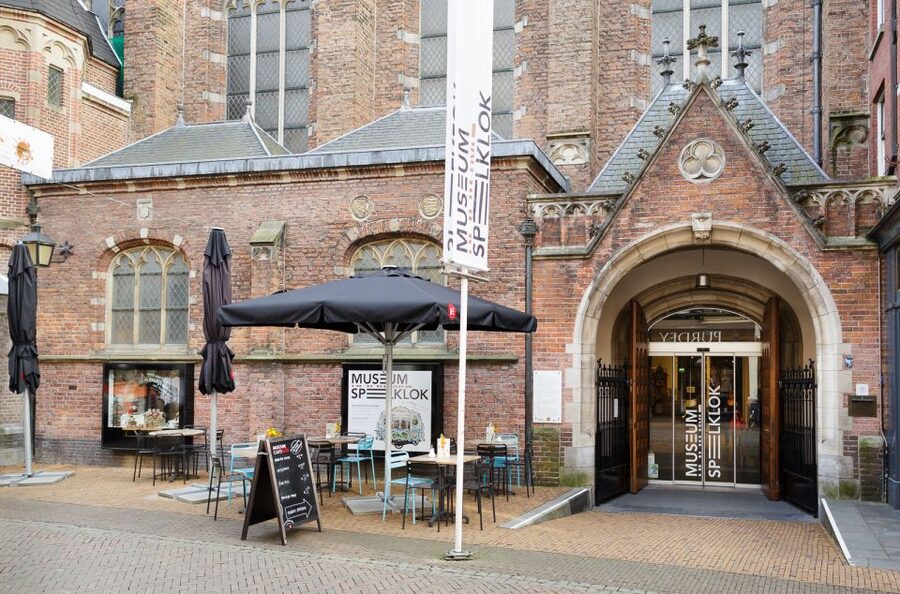
Museum Speelklok is devoted to instruments that produce music through mechanical action. That can mean a tiny music box with a simple cylinder, a large barrel organ, or an orchestrion built to reproduce the sound of several instruments at once.
The appeal is easy to understand. You are not only looking at historic objects behind glass. You are listening to them work. A row of pins, paper rolls, barrels, bells, pipes, and moving parts becomes a kind of silent bandleader, telling each component when to play.
I find this more engaging than a standard display of old instruments because sound gives every object a purpose. A music box is no longer just a decorative case. A street organ is not merely a piece of Dutch heritage. You hear what these machines were made to do.
The museum also connects music with technology in a way that works for mixed-age groups. Children can focus on the motion and sound, while adults may spend more time studying the craftsmanship and restoration work. The experience does not depend on already knowing the names of composers or the details of mechanical design.
More museums in Utrecht:
- Utrecht: Centraal Museum Entrance Ticket
★ 4.4 · 72 reviews - Utrecht: Hoge Woerd Museum Entry Ticket with Audio Tour
★ 3.3 · 3 reviews - Amsterdam: Van Gogh Museum Ticket
★ 4.7 · 52,054 reviews
The free hourly tour is worth timing
Your entry ticket includes the museum tour, and the tour is offered every hour in Dutch and English. If you can arrange your visit around one of these start times, I recommend doing so.
A self-guided visit lets you set your own pace, but the machines are complicated. Without an explanation, you may see a large cabinet, a set of pipes, or a rotating mechanism without understanding why it matters. The guide gives the instruments context and helps connect the moving parts to the music you hear.
The presentation has also been praised for being informative and entertaining, with a friendly and enthusiastic guide. That balance matters here. A technical talk could become dry, while a purely playful demonstration would miss the best part of the museum. The tour aims to show both the character of the instruments and the skill required to make them function.
Because tours take place hourly, you have some flexibility. Check the available starting times before you book, especially if you are fitting the museum between other Utrecht plans. The ticket is valid for a full day, so you are not limited to a short timed visit. The supplied information does not give a fixed tour length, so allow enough room in your schedule for the displays as well as the presentation.
From tiny music boxes to full mechanical orchestras
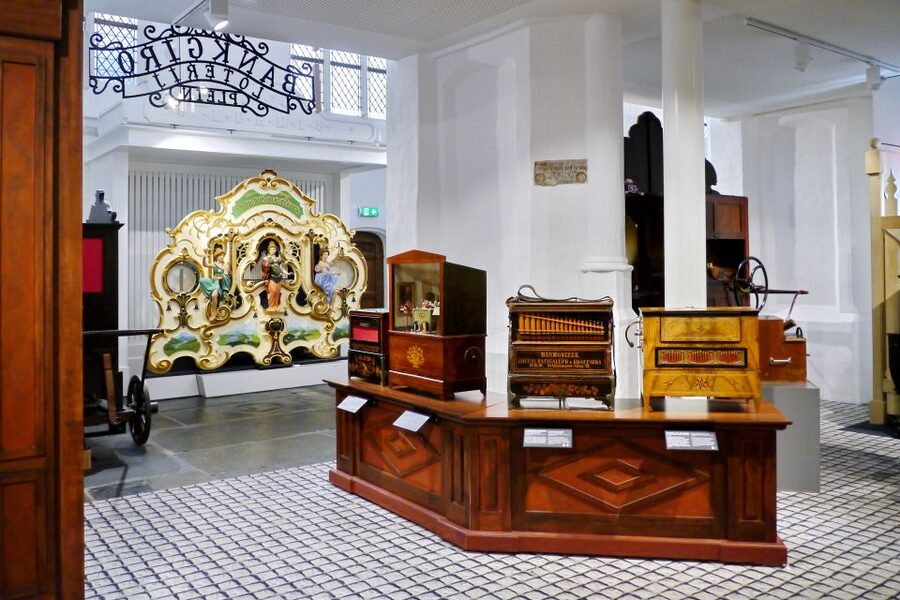
The collection ranges from the smallest music box to the largest barrel organ. That size contrast is one of the pleasures of the visit.
Small music boxes show how much sound can come from a compact mechanism. Their cases can look delicate, but the music depends on precise coordination between the cylinder or disc and the metal teeth that produce the notes. You get a clear sense of how an ingenious little device can turn a simple movement into a tune.
At the other end are the large instruments. A barrel organ has a much bigger physical presence and a fuller sound. Traditional Dutch street organs are especially useful for understanding how mechanical music once reached a public audience. They were not built only for private rooms or wealthy households. Their sound was meant to travel.
Orchestrions take the idea further. These self-playing orchestras combine several instrumental voices in one machine. When one starts to play, you can watch the mechanism act as conductor, performer, and music stand all at once.
Musical clocks and musical boxes add another layer. They link music to daily life, decoration, and timekeeping. Together, the displays show that mechanical music was not one single invention. It developed in many forms, from portable objects to huge public instruments.
The Arabier and Violina
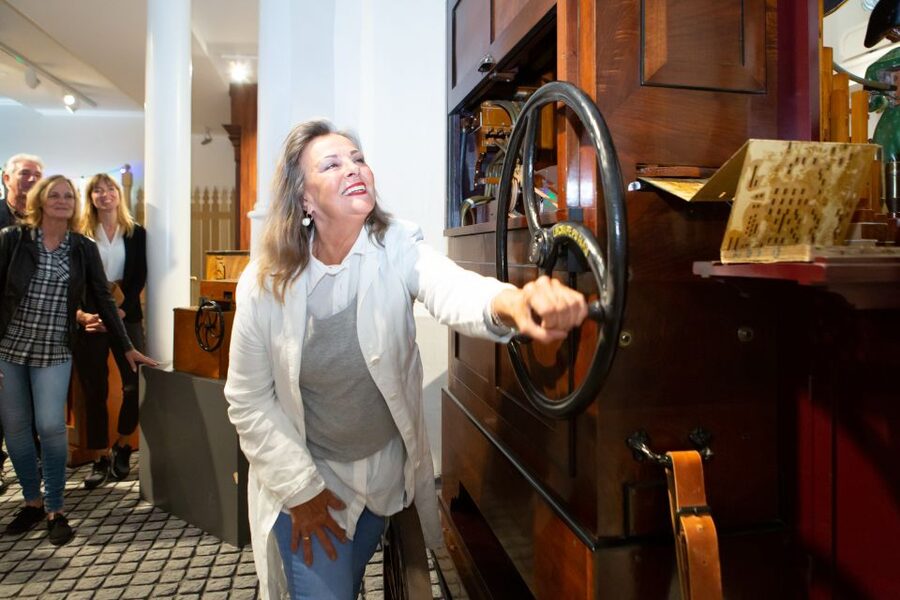
Two names deserve special attention: the Arabier and Violina.
The Arabier is a famous Dutch street organ. Its importance is not only its appearance but its connection to the tradition of street organs in the Netherlands. Hearing such an instrument helps explain why these machines remain part of Dutch cultural memory. The sound is large, direct, and made for an audience.
Violina is presented as the so-called 8th world wonder. The name alone gives you a reason to seek it out during your visit, but the real attraction is seeing how an automated instrument can imitate or combine musical performance through mechanical means.
The museum uses these objects to tell stories as well as demonstrate technology. That makes the visit more memorable than a simple list of dates and inventors. You begin to think about the people who designed the instruments, the people who played or displayed them, and the specialists who still keep them working.
A few more Utrecht trips worth a look
- Utrecht: City Canal Cruise
★ 4.3 · 2,895 reviews - Utrecht: De Haar Castle & Park Entry Ticket
★ 4.7 · 1,350 reviews - Utrecht: DOMunder Entry Ticket with Guide
★ 4.4 · 706 reviews - Utrecht: Dom Tower Entry Ticket and Guided Tour
★ 4.6 · 513 reviews
What the Museum Expedition adds
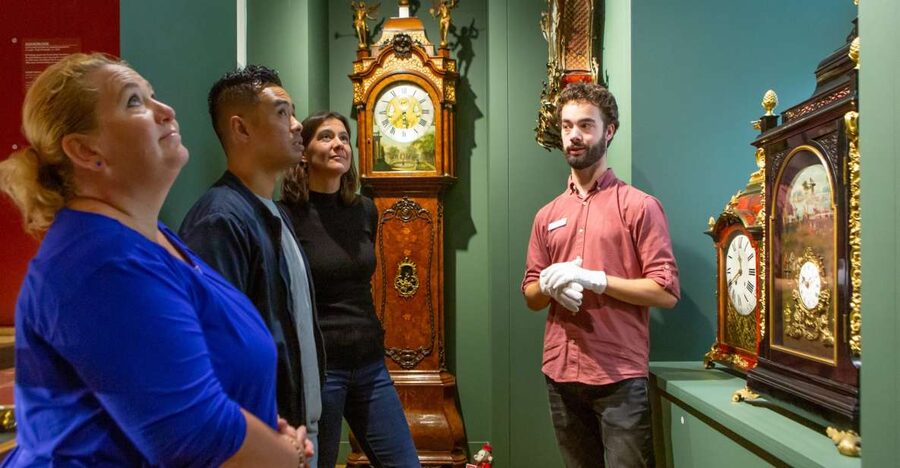
The Museum Expedition focuses on the stories, craftsmanship, and music connected with the collection. It gives you a way to move beyond the surface question of what is that machine? and toward the more useful question of how does it make music?
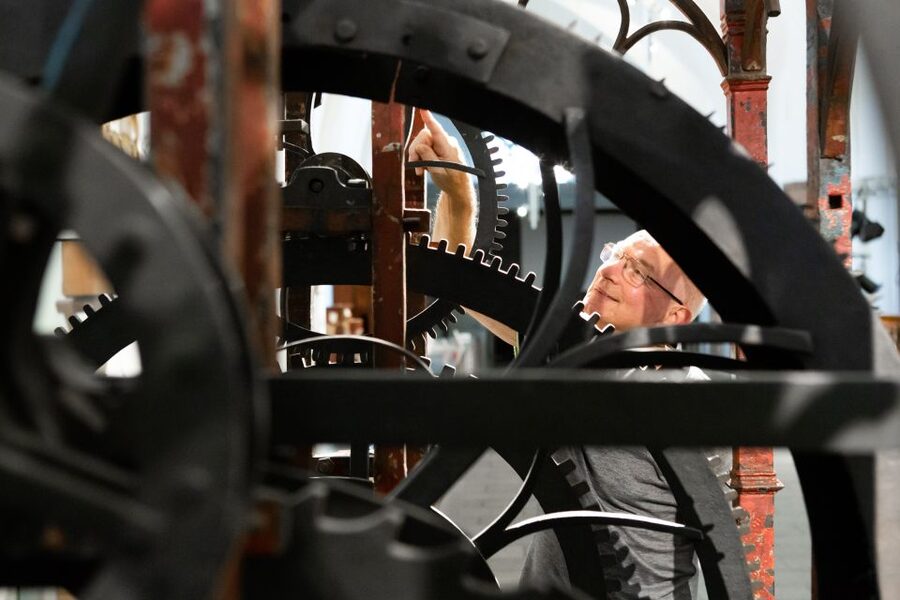
This section is especially valuable if you enjoy seeing the parts behind a finished object. Mechanical instruments can seem mysterious when they are playing, but their workings become easier to appreciate once you see how timing, movement, and sound fit together.
There is also a hands-on element. One visitor particularly liked being allowed to feel certain parts of the displays. That small detail can make a difference, especially for children and for anyone who learns better through touch than through labels alone.
Food and drinks are not allowed inside, so plan to eat before or after your visit. The ticket covers admission and the museum tour, but not food, drinks, or transportation.
A visit that works for families and curious adults
I would recommend Museum Speelklok for families because the machines provide immediate sensory appeal. Something moves, then something plays. That cause-and-effect link is easy for children to grasp even if they do not read every panel.
Adults with an interest in music, design, engineering, restoration, or Dutch culture will find more to consider. The collection shows how entertainment and technology once developed together, long before modern electronic playback.
The museum is also a good choice if you want a break from Utrecht’s outdoor sightseeing. You can spend the day listening and learning indoors, and the wheelchair-accessible setting makes the experience easier to include in a group with different mobility needs.
Still, this is a specialist museum. If you have little interest in how machines work, the visit may feel repetitive after the main demonstrations. One rating of three out of five described the museum as enjoyable but easy to finish quickly. That is fair advice: the museum’s appeal is focused rather than broad.
You should also keep the lack of seating in mind. Some presentations do not provide seats, which may matter if you have limited stamina or are visiting with young children. The available information does not give a detailed seating plan, so ask the museum if this is important for your visit.
Is $20 a fair price?
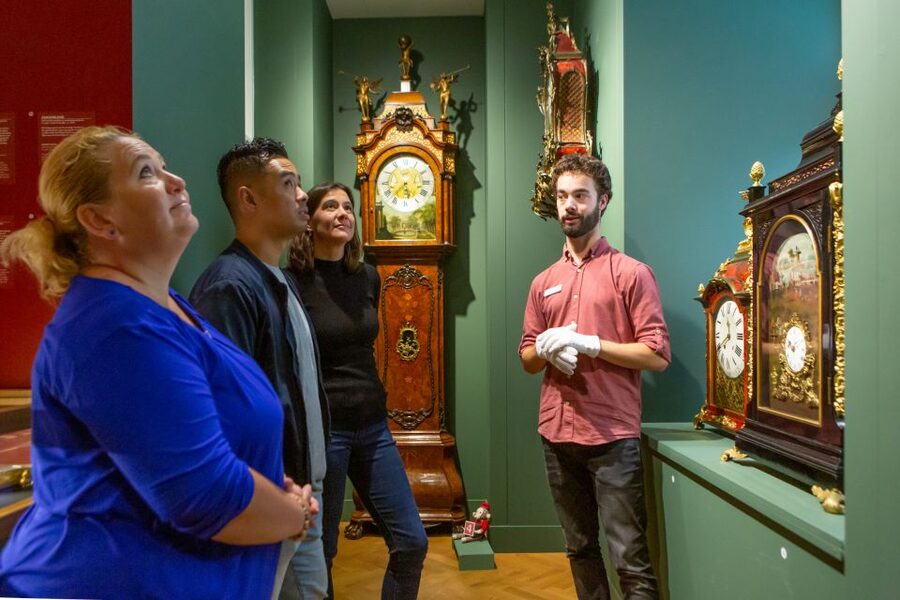
At about $20 per person, the ticket is not the cheapest museum admission in Utrecht, but it offers more than a silent collection of objects. Your price includes entry and the free museum tour, and the machines are demonstrated through sound and movement.
The value is strongest if you attend an English or Dutch tour. A guided explanation helps you understand why the instruments are unusual and how the technical work supports the music. It also gives shape to a collection that could otherwise feel like a series of unrelated curiosities.
The full-day validity adds flexibility. You can arrive, see the displays, join the next suitable tour, and spend more time with the instruments that interest you. Since transportation is not included, factor in your own cost of reaching the museum when comparing this with other Utrecht activities.
For a family, the admission adds up quickly, but the mix of sound, machinery, and hands-on learning gives the ticket more practical value than a quick look at static exhibits. For a solo visitor or couple, the price makes more sense if you have a real interest in mechanical music or want a distinctive museum experience rather than a general art collection.
Timing, language, and practical planning
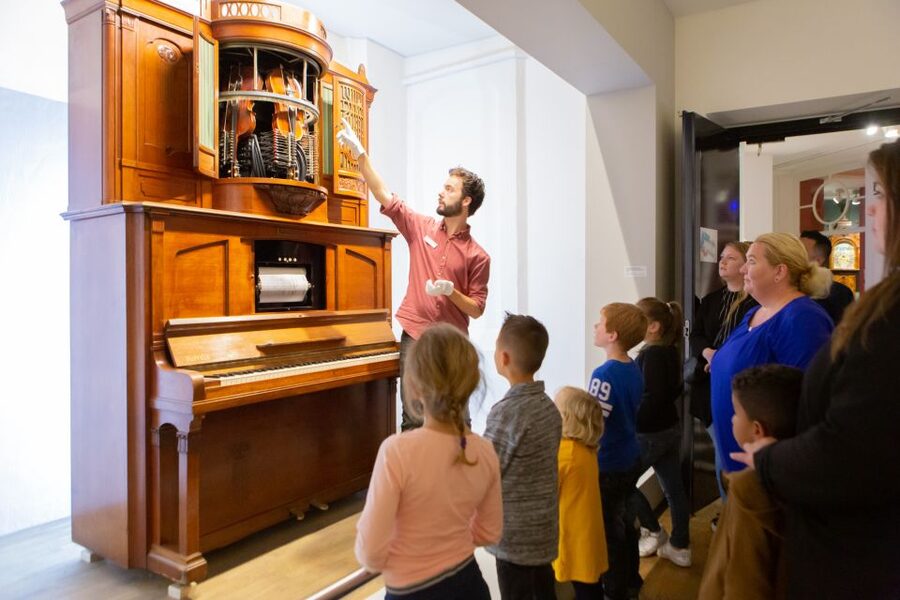
The tour is available in English and Dutch, and the host or greeter can communicate in both languages. If you want the English presentation, confirm the available starting time when checking the schedule rather than assuming every tour will be in English.
The activity is described as lasting one day, meaning your admission is not restricted to a brief window. The museum tour itself follows an hourly schedule, so your visit works best when you treat the tour time as an anchor and explore around it.
There is no transportation included. You will need to make your own way to the museum in Utrecht Province. Food and drink are also excluded and cannot be brought into the museum.
The ticket allows free cancellation up to 24 hours before the visit, and you can reserve now and pay later. Those terms are useful if your Utrecht plans are still changing. Wheelchair access is available, though the note about limited seating at some presentations is worth considering for anyone who needs regular rest.
Who should book Museum Speelklok?
I would choose this museum for a family, a music lover, an engineering enthusiast, or anyone who wants an unusual cultural stop in Utrecht. It is also a good option for a rainy day, since the visit is built around indoor displays, demonstrations, and guided explanation.
I would be more cautious if you prefer large museums with many subjects or if you lose interest quickly when exhibits focus on one type of object. The collection is distinctive, but its subject is narrow. Plan on joining the free tour to get the most from the admission, and do not expect every presentation to have a seat.
The strongest parts are the live sound, the strange beauty of the machines, and the chance to see how restoration keeps them playing for new generations. The most useful expectation is simple: this is not just a museum of old objects. It is a museum where the objects perform.
FAQ
What does the Museum Speelklok ticket include?
The ticket includes entrance to Museum Speelklok and the museum tour.
How much does the ticket cost?
The listed price is $20 per person.
How long is the ticket valid?
The activity has a duration of one day. Check availability for the available starting times.
Is the museum tour available in English?
Yes. The free tour is conducted every hour in Dutch and English. English and Dutch are also listed as the available activity languages.
Is Museum Speelklok wheelchair accessible?
Yes, the museum is wheelchair accessible.
Can I bring food or drinks inside?
No. Food and drinks are not allowed, and they are not included with the ticket.
Should you book it?
Book Museum Speelklok if you want to hear history rather than only look at it. The Arabier, Violina, the orchestras, and the smaller music boxes offer a rare kind of museum visit, one where gears, pipes, and cylinders take the stage.
At $20, I would make the free hourly tour part of the plan. That is where the collection’s technical craft and odd stories come together. Skip it only if you know you prefer a quick, self-guided stop. For most curious families and adults, the unusual instruments and live demonstrations make this a worthwhile Utrecht visit, with the lack of seating at some presentations as the main practical caution.
Just added around Utrecht
- Historical Utrecht: Private Walking Tour with a Local Guide★ 4.6 · 3 reviews
- Utrecht: Hoge Woerd Museum Entry Ticket with Audio Tour★ 3.3 · 3 reviews
- Walking Tour Utrecht with a local comedian as guide★ 4.8 · 4 reviews
- Uniquely Utrecht: An Audio Tour of its Charming City Centre★ 5.0 · 4 reviews
- Utrecht Walking Tour with a local comedian as guide★ 4.8 · 5 reviews
- Vecht River: Private Tour sightseeing Cruise with diner★ 5.0 · 5 reviews
- Utrecht Small Public Walking Tour★ 5.0 · 6 reviews
- Utrecht – Food Tour: Try out 6 dutch bites★ 4.5 · 6 reviews
Utrecht Tours, compared.

Utrecht 2-Hour Walking Tour | Discover The City With A Local
Read our review →

Browse the lists this tour appears in