
Reviewed · HISTORICAL TOURS
Amsterdam: Historic Walking Tour
Amsterdam’s old center makes the most sense on foot, where a palace, church, canal, and narrow lane can each open a different chapter of the city’s past. This two-hour walk links the major sights with smaller places you could easily miss on your own, while explaining how Amsterdam grew through trade, banking, art, and architecture.
I like the local perspective and the way guides can adjust the walk to the group. I also like the compact two-hour format, which gives you a useful first look without consuming half a day. The main consideration is pace: you will see many places from the street, but this is a walking and orientation tour rather than a ticketed visit inside Amsterdam’s major attractions.
Key points to know before booking
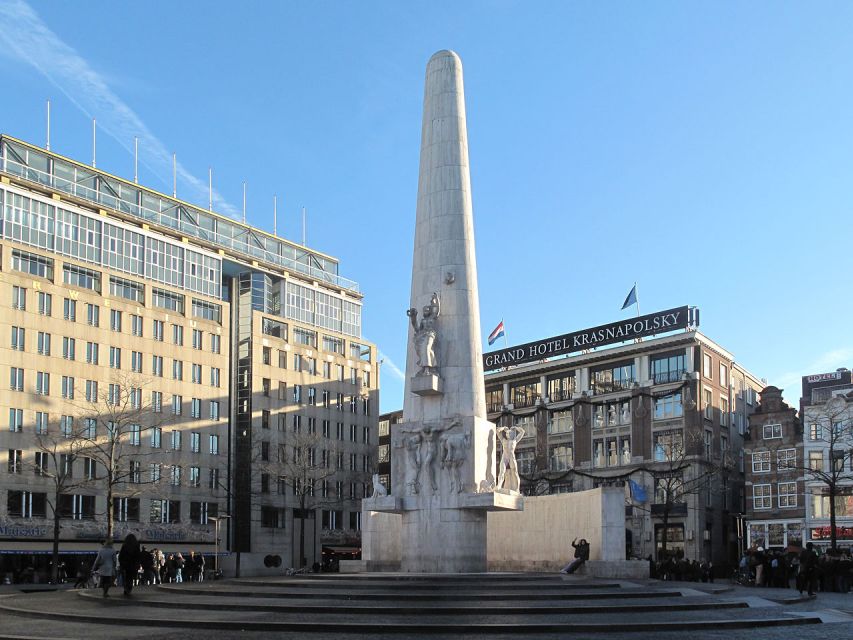
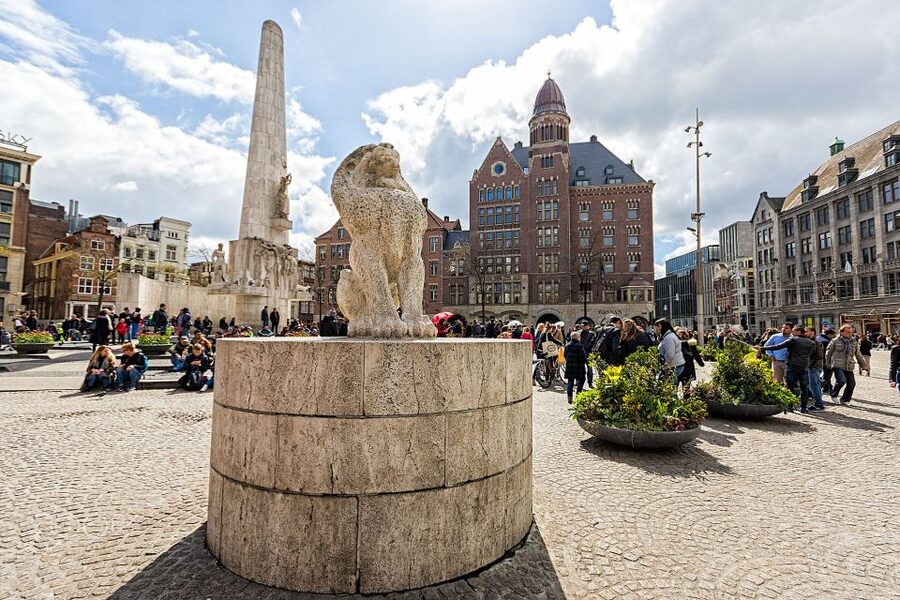
- Dam Square anchors the route, with the former city hall, now the Royal Palace, and the Nieuwe Kerk close by.
- Canal history gets proper context, including the city’s growth during the 16th, 17th, and 18th centuries.
- Small courtyards and lesser-known corners add character beyond Amsterdam’s postcard views.
- Guides can tailor the walk, as Arre, James, Maria, Scarlet, and others have done for different group sizes and ages.
- English and German tours are available, with a local licensed guide leading the route.
- The $35 price is fair for orientation, especially if this is your first time in Amsterdam and you want help choosing what to see next.
Starting at Damrak, where Amsterdam comes into focus
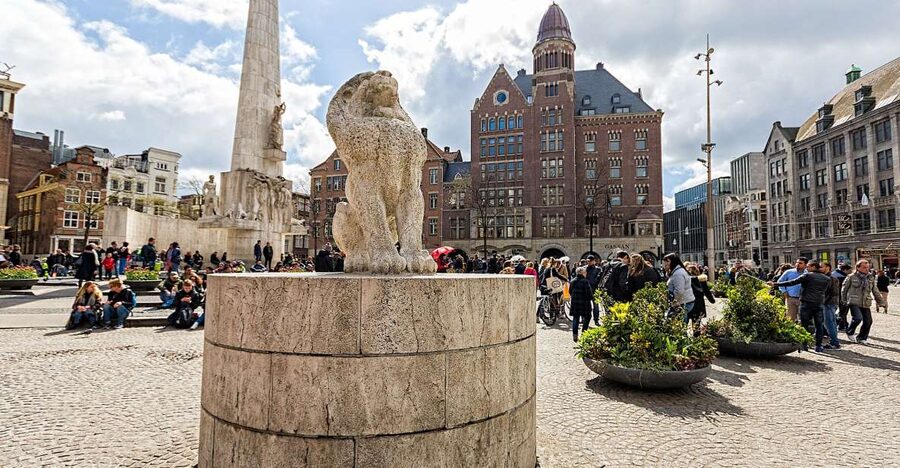
Meet your guide in front of the main entrance of the Park Plaza Victoria Hotel at Damrak 1-5. This is a useful starting point, since Damrak leads directly toward the historic center and puts you close to the city’s best-known public spaces.
From the first steps, you get a sense of Amsterdam’s unusual shape. The city was built seven centuries ago and now has more than 100 canals and over 1,000 bridges. A guide can explain how these waterways were not added merely for scenery. They helped organize trade, transport, housing, and expansion.
That context matters. Without it, Amsterdam’s canals can seem like a handsome backdrop for photographs. With it, you start to see the city as a practical machine built around water, commerce, and limited land.
The route is designed to cover the major sights, but it is not simply a march from one famous building to the next. The guide also points out architecture, small lanes, and places known mainly to locals. This balance is one of the tour’s strongest features. You get the broad outline of Amsterdam while still having moments that feel less packaged.
More history tours in Netherlands:
- Amsterdam Food and Cultural Tour with Tastings
★ 5.0 · 2,442 reviews - Rotterdam: Kinderdijk UNESCO World Heritage Entry Ticket
★ 4.6 · 1,477 reviews - The Hague: Hop-on Hop-off Old-Fashioned Heritage Tram Tour
★ 4.4 · 1,083 reviews
Dam Square and the former city hall
Dam Square is one of the essential stops, and the building on its west side gives the square much of its historical weight. The palace began life as Amsterdam’s city hall, a sign of how confident and prosperous the city had become.
Here, the guide connects the building to Amsterdam’s civic past and the Dutch Royal Family. That connection helps explain why the square remains such an important public stage. It is not only a place for photographs and city activity. It reflects the point where local government, national identity, and royal history meet.
You should not expect a full palace tour during this walk. The value is in understanding what you are looking at and why the building was put there in the first place. If you later decide to visit the palace inside, the street-level explanation gives that visit more meaning.
Dam Square can also be busy, and this is one place where a small group helps. A guide who keeps people together and moves efficiently can cover more ground. One particularly useful strength reported across the tour’s 4.7 rating from 16 bookings is the ability to adapt the route to the size and age of the group.
Nieuwe Kerk and Amsterdam’s religious past
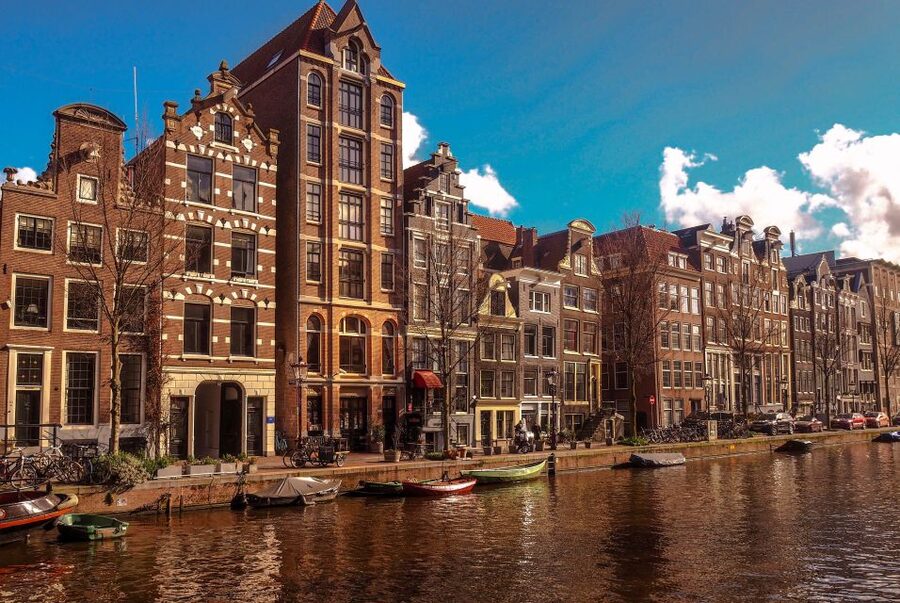
The Nieuwe Kerk sits beside Dam Square and adds another layer to the city’s story. Its name means New Church, though the building is centuries old. The contrast is typical of Amsterdam, where names, buildings, and institutions often carry traces of earlier periods.
The walk uses the church to discuss Amsterdam’s religious past and the changing role of churches in Dutch society. One guide also explained the city’s older churches and the way Catholic life fits into the region’s story. You get a better sense that Dutch culture is not one simple block. It has been shaped by different religious traditions, civic institutions, and royal connections.
Again, this is primarily an outside visit. The guide’s explanation is the point, not an extended interior tour. If you want to spend time studying church art or attending a service, plan a separate visit.
The former post office and the shape of the canal district
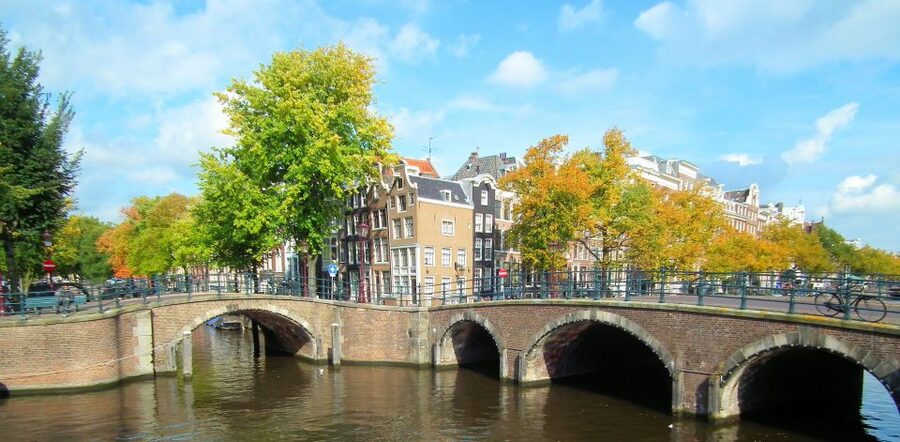
Another stop is the former main post office, an imposing reminder that Amsterdam’s center has changed jobs many times. Buildings that once handled civic or commercial work may now serve a different purpose, but their scale and design still reveal the importance of the institutions that occupied them.
The guide also explains the origins of the canal district. This is where the route becomes especially useful for first-time visitors. You learn how the city’s waterways and streets relate to one another, rather than seeing each canal as an isolated attraction.
Amsterdam’s architecture rewards patience. Narrow façades, tall windows, and varied rooflines can look decorative at first, but they also tell you about urban growth, wealth, and the demands of building on canal-side plots. The guide helps you notice those details while keeping the larger story moving.
You may not remember every architectural term after two hours, and that is fine. The practical gain is knowing what to look for when you walk the canals later on your own.
More walking tours in Netherlands:
- Anne Frank’s Story – Guided Walking Tour through Amsterdam
★ 5.0 · 11,619 reviews - Amsterdam: Life of Anne Frank and World War II Walking Tour
★ 4.8 · 10,467 reviews - Absolutely Amsterdam – the Essential Introductory Walking Tour
★ 5.0 · 3,629 reviews - Amsterdam: Anne Frank Guided Small Group Walking Tour
★ 4.8 · 2,722 reviews
Courtyards, side streets, and the value of slowing down
The route includes hidden courtyards and smaller places that are easy to pass without noticing. These stops are a welcome change from the main squares, where the city can feel crowded and noisy.
Courtyards offer a glimpse of a quieter side of Amsterdam. They also show how urban life was organized behind the grand façades. The contrast between public streets and sheltered inner spaces gives you a more complete picture of how people lived in the old center.
This is where a local guide earns the fee. A map can bring you to Dam Square or a canal. It is less likely to explain why a modest passage matters, what used to occupy a building, or how a side street fits into the city’s development.
I would pay close attention during these quieter sections. The headline sights are easy to remember. The small details are often what help you recognize Amsterdam later, when you wander without a guide.
Amsterdam’s trading power from the 16th to 18th centuries
The tour places Amsterdam’s development in the period when the city became a major force in international banking, trade, art, and architecture. That historical frame is vital because it explains why a relatively compact center contains such an impressive concentration of civic and commercial buildings.
You learn how money and trade affected the city’s streets, canals, and public institutions. Art and architecture were not separate from business. They were tied to the wealth, confidence, and competition of the period.
A good guide makes this material feel connected to the buildings around you. Instead of hearing a list of dates, you can see how the city’s past remains visible in its public spaces and canal district.
The guides have different personalities. Arre was praised for bringing unusual breadth to individual locations and for suggesting additional places to visit after the walk. James was singled out for answering questions and showing sights that would otherwise be easy to miss. Maria was described as clear and friendly, while Scarlet adjusted the tour to the group’s size and age.
Those details matter because a walking tour depends heavily on the person leading it. The listed guides may vary by date, so you should not assume you will receive a particular guide unless the booking details confirm it. Still, the consistent pattern is encouraging: the experience is built around explanation and conversation rather than a memorized speech.
From royal connections to present-day Amsterdam
The walk does not stop in the past. You also hear about the Dutch Royal Family and about how people use the center today. Amsterdam is more than its monuments, and the tour connects historic streets with the city’s current bars, cafés, restaurants, wine spots, and beer culture.
That present-day angle keeps the experience from becoming a museum lesson. You see how old buildings remain part of an active city, where people eat, meet, work, and go out.
I especially like this approach for a first visit. You get cultural context without needing to commit to a specialist subject. The guide can explain both how Amsterdam became what it is and what you might notice during the rest of your stay.
Food and drinks are not included, so you should budget separately if you want to stop afterward. The guide can point you toward areas for a later meal or drink, but this is not a tasting tour and there is no built-in café break.
How the two-hour format affects the experience
Two hours is long enough to cover the historic center’s major themes, but short enough to fit before a museum booking, canal cruise, or evening meal. That makes the tour especially useful on your first day in Amsterdam.
The tradeoff is depth. You will get a broad route with explanations at many stops, not a long visit inside each attraction. You should think of it as a guided introduction that helps you decide where to return.
The pace may also vary with the group. A small group can move quickly and cover more ground. One account described a particularly small group that made it possible to explore as much as possible within the time. A larger group may require more stops and regrouping.
Wear comfortable shoes and be ready to walk for the full two hours. The tour is outdoors and food and drinks are not included, so check the starting time and plan around weather and your own energy. The meeting point at Park Plaza Victoria Hotel is central, but you should arrive early enough to find the correct entrance without rushing.
What the $35 price gets you
At $35 per person, this is not the cheapest way to spend two hours in Amsterdam, but the price is reasonable if you want a live explanation of the city rather than a self-guided stroll.
You are paying for a local professional guide, route planning, historical context, and the chance to ask questions. That last part is important. If you are curious about churches, royal buildings, wartime history, local customs, or the canal district, a guide can shape the conversation around your interests.
The value is strongest for first-time visitors. You can use the walk to mark places for later, learn which areas deserve more time, and avoid spending your first day wandering without a sense of direction.
The value is weaker if you already know central Amsterdam well or prefer to move at your own pace. You may find a free map or audio guide sufficient for the main sights. You also need to remember that food, drinks, and admission to attractions are extra.
Free cancellation up to 24 hours before the start gives you some flexibility, and the reserve-now, pay-later option can help if your schedule is still changing.
Who will enjoy this Amsterdam walk most
I would recommend this tour to first-time visitors, couples, families, and small groups who want a clear introduction to the old center. It also suits people who enjoy asking questions and hearing stories tied to specific buildings.
It is a good choice if you want history without spending hours in a museum. The mix of major sights, architecture, courtyards, local culture, and modern city life gives you variety.
Families may appreciate the shorter format, though the value depends on how well children handle two hours of walking and listening. The guide can adapt to the age of the group, which is helpful, but the tour is still built around history and city streets rather than child-focused activities.
The walk also works well for repeat visitors who want to see the center through a local’s eyes. You may already know Dam Square and the canals, but smaller passages and local explanations can add something new.
It is less suitable for anyone looking for an attraction-heavy tour with interior admissions, food stops, or a slow photography pace. In that case, choose this as an orientation walk and pair it with a separate palace, church, or canal visit.
Should you book the Historic Walking Tour?
Book it if you want a well-rounded first look at Amsterdam and value a guide who can explain what you are seeing. The strongest reasons are the mix of major landmarks and lesser-known corners, the useful historical framework, and the guides’ apparent ability to adjust the route and conversation.
The $35 cost is fair for two hours with a licensed local guide, especially if you use the walk to plan the rest of your stay. Go in expecting outdoor sightseeing and street-level explanations, not a series of long interior visits.
If you have only a short time in Amsterdam, this is a sensible way to get your bearings quickly. If you already know the center well, book it only if you want local stories, architectural context, or a fresh route through familiar streets.
FAQ
How long is the Amsterdam Historic Walking Tour?
The tour lasts two hours.
Where does the tour meet?
Meet your guide in front of the main entrance of the Park Plaza Victoria Hotel at Damrak 1-5, 1012LG, Amsterdam.
What languages are available?
The live tour is available in English and German.
Is a guide included?
Yes. The experience includes a local professional guide who is licensed.
Are food and drinks included?
No. Food and drinks are not included in the tour price.
Can I cancel for a full refund?
Yes. You can cancel up to 24 hours in advance for a full refund.
Just added around Netherlands
- Amsterdam: Giethoorn Tour with Canal Cruise and Windmills★ 5.0 · 3 reviews
- Full-day excursion to Edam, Volendam, and Marken★ 3.7 · 3 reviews
- Amsterdam: Chocolate Fondue in the Dark★ 5.0 · 3 reviews
- Historical Leiden: Private Tour with Local Guide★ 5.0 · 3 reviews
- Amsterdam Family Friendly Historical Walking Tour★ 5.0 · 3 reviews
- Amsterdam Private Walking Tour of Famous Painters★ 5.0 · 3 reviews
- Amsterdam Old-West Vegan Food Tour with Local Guide★ 4.7 · 3 reviews
- From Amsterdam: visit Zaanse Schans, Muiderslot and more!★ 5.0 · 3 reviews
Historical Tours, compared.
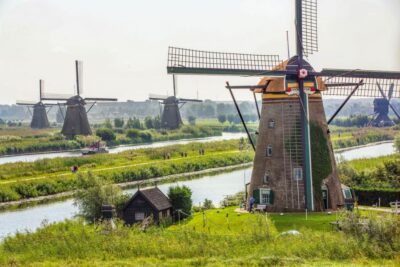
Kinderdijk UNESCO World Heritage Entry Ticket
Read our review →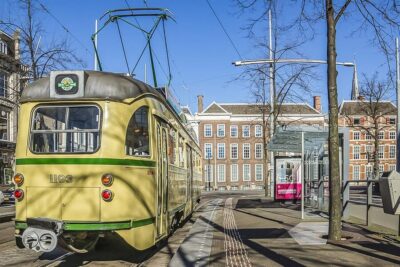
Hop-on Hop-off Old-Fashioned Heritage Tram Tour
Read our review →


Amsterdam High-End Dutch Food & History Tour – Up to 8 guests
Read our review →
Cruise through the Historic City Center with Guide
Read our review →
Historical Highlights Walking Tour with Tasting
Read our review →Browse the lists this tour appears in