
Reviewed · ROTTERDAM TOURS
Rotterdam: Kinderdijk UNESCO World Heritage Entry Ticket
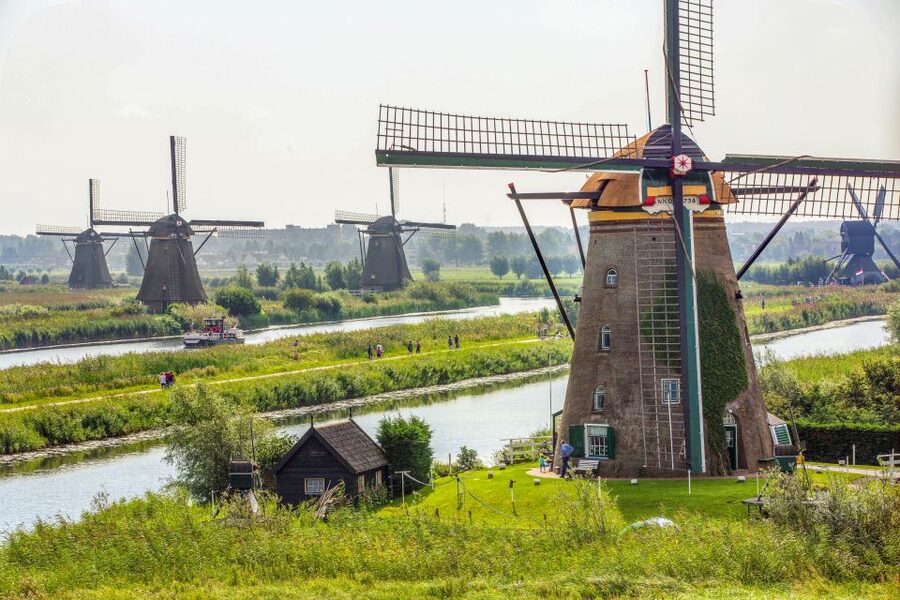
Kinderdijk is where Dutch water management stops being an abstract idea and becomes something you can see, hear, and walk through. The 19 working windmills line the polder canals like a living machine, showing how people kept reclaimed land dry long before modern pumps.
I like the freedom of this self-guided visit. You can walk at your own pace, step inside two museum mills, and use the boat when your feet need a rest. I also like the ticket’s practical mix of attractions: the pumping station, short film, exhibits, and online audio guide help explain what the windmills actually do.
The main drawback is distance. There is little shade between the museums, bicycles share some paths, and the boat has limited seating. The ticket costs about $25 per person, but transport, food, and drinks are extra.
Key points to know before you go
- See 19 historic windmills: Kinderdijk gives you the classic Dutch windmill view, but with a working water-management system behind it.
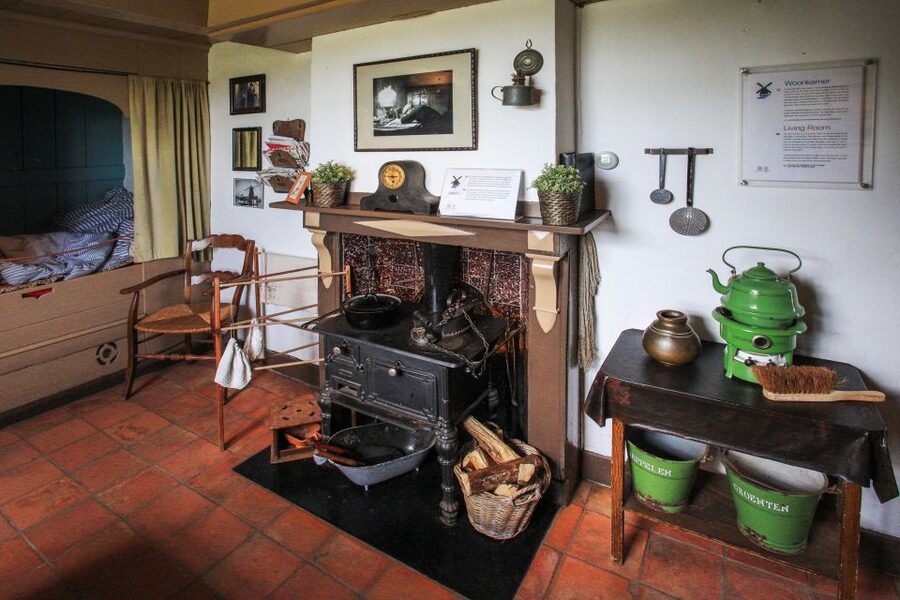
- Enter two museum mills: Blokweer and Nederwaard show both the machinery and the cramped domestic life of miller families.
- Cruise the polder canals: The included boat gives you a different view of the windmills and helps shorten the walking.
- Study the pumping station: The engine room explains how wind power and later technology worked together.
- Plan for a half-day or more: Two to three hours is possible, but a relaxed visit with the boat and museums can fill much of a day.
- Check the weather and timetable: Boats can stop in poor weather, and the final departure is 30 minutes before closing.
Why Kinderdijk is more than a row of pretty windmills
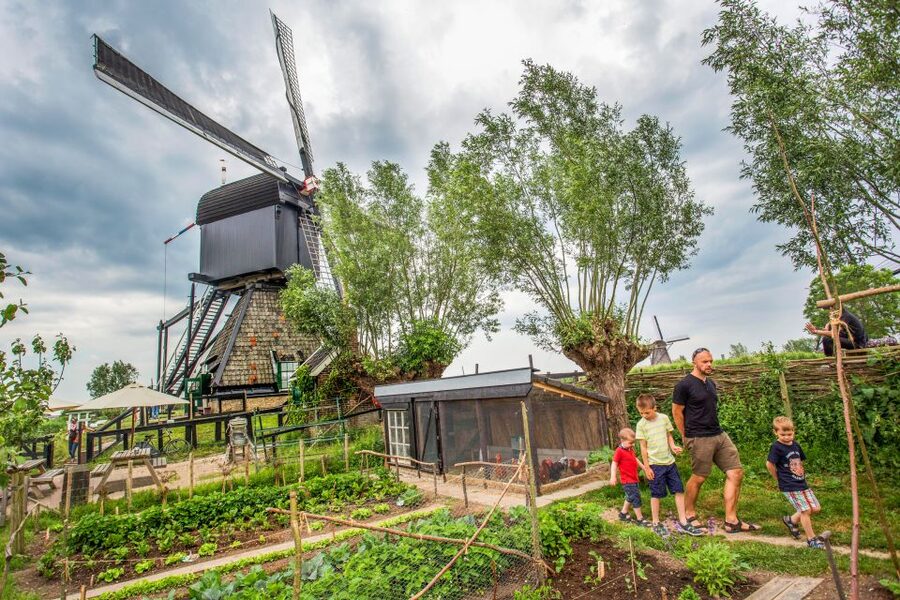
The familiar postcard image is real, but it tells only half the story. Kinderdijk is a UNESCO World Heritage Site because the windmills are part of a larger system of dikes, canals, pumping stations, and reclaimed polders.
The Dutch did not simply build windmills for decoration. They used them to move water from one level to another, gradually draining wet ground so people could farm and live there. At Kinderdijk, the channels and low-lying fields help you understand the scale of that work.
I find the place most rewarding when I treat it as an outdoor engineering museum rather than a quick photo stop. The windmills are beautiful, but the real subject is the long effort to keep the land dry.
You can walk along the paths and canals without entering every attraction, but the paid ticket gives the visit its meaning. Inside the mills, the pumping station, and the film area, you learn how the system operated and what daily life was like for the people who maintained it.
More Kinderdijk windmill trips:
- Rotterdam: Waterbus Ticket to Dordrecht and/or Kinderdijk
★ 4.6 · 542 reviews - All-Inclusive Private Windmill Tour to Kinderdijk from Rotterdam
★ 4.5 · 59 reviews - Kinderdijk Bike Tour
★ 5.0 · 35 reviews
Walking the village and canals
Start at the entrance and give yourself time to look over the information displays before heading along the water. The setting is open and peaceful, with old buildings, narrow waterways, grass, and windmills spread across the polder.
The route is not a compact museum circuit. You will walk between separate sites, sometimes for a while before reaching a crossing or entrance. That is part of the appeal, since the paths put you right beside the canals and mills, but it also means you should wear comfortable shoes.
The long open stretches have limited shade. On a warm, bright day, bring water, sunscreen, and a hat. On a wet or windy day, the same open setting can feel exposed, so a waterproof layer is useful.
Bicycles are permitted around parts of the site, and they can pass along paths shared with people on foot. Keep to the side and look before stepping across the route. Renting a bike can work well if you want to cover more ground, but walking gives you more time to pause at the water and study each mill.
A picnic can turn a short visit into a pleasant full afternoon. Food and drinks are not included in the ticket, so plan to buy them separately or bring your own.
Inside Blokweer Museum Mill
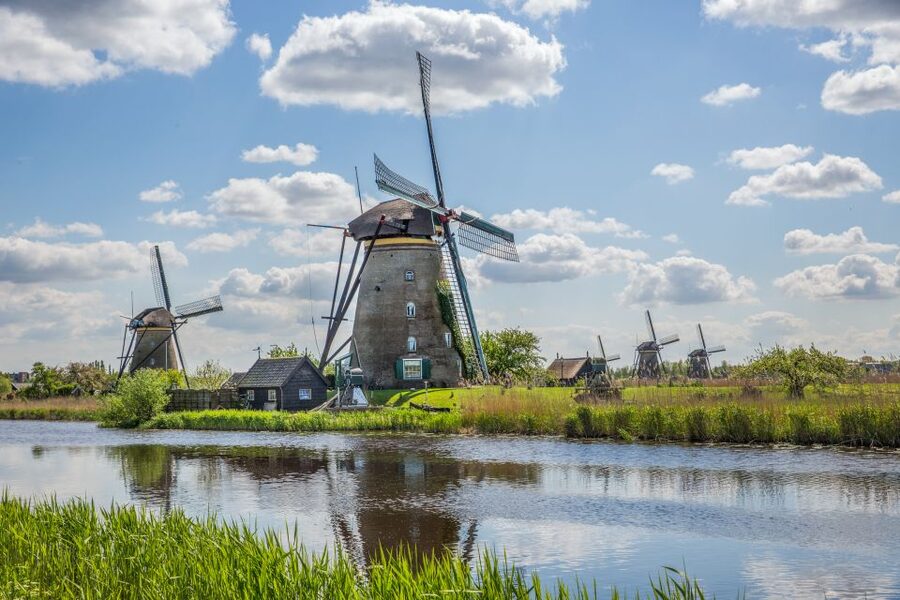
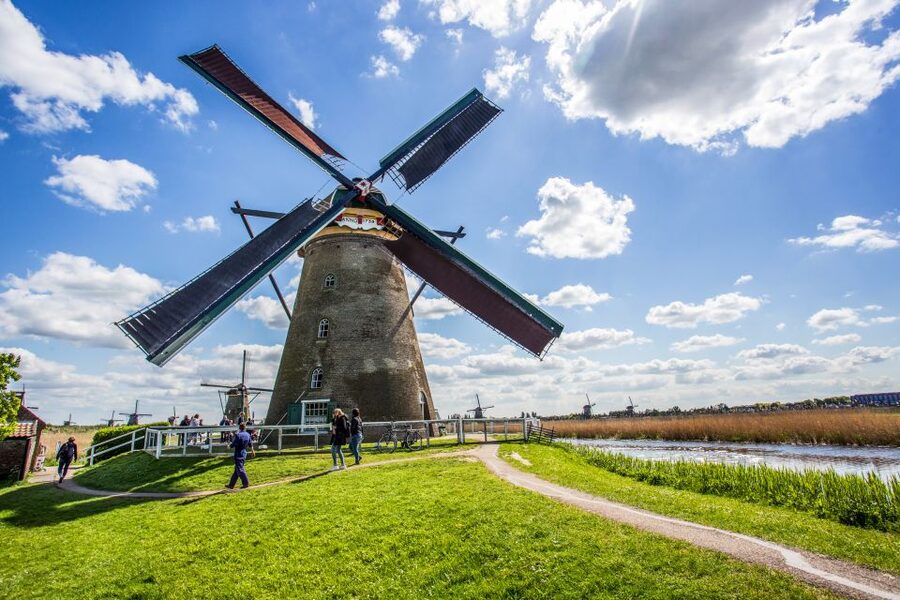
Blokweer Museum Mill is one of the two mills included with admission. The point here is not just to see a huge wooden mechanism. You get a sense of how a miller and family lived and worked in a building designed first for function.
The interior helps connect the windmill to ordinary life. Rooms, tools, and working spaces show that the mill was both a home and a workplace. The miller had to watch the weather, manage the sails, maintain the machinery, and keep the water moving.
That combination makes Blokweer especially useful for families. Children can see that the person operating the mill was not pressing a button from a neat control room. The work depended on wind, judgment, physical effort, and constant attention.
Move slowly inside. Windmills have tight stairways and compact rooms, and the machinery can make the experience feel close and immediate. It is a much stronger lesson than seeing the mill from the path alone.
Nederwaard Museum Mill and miller life
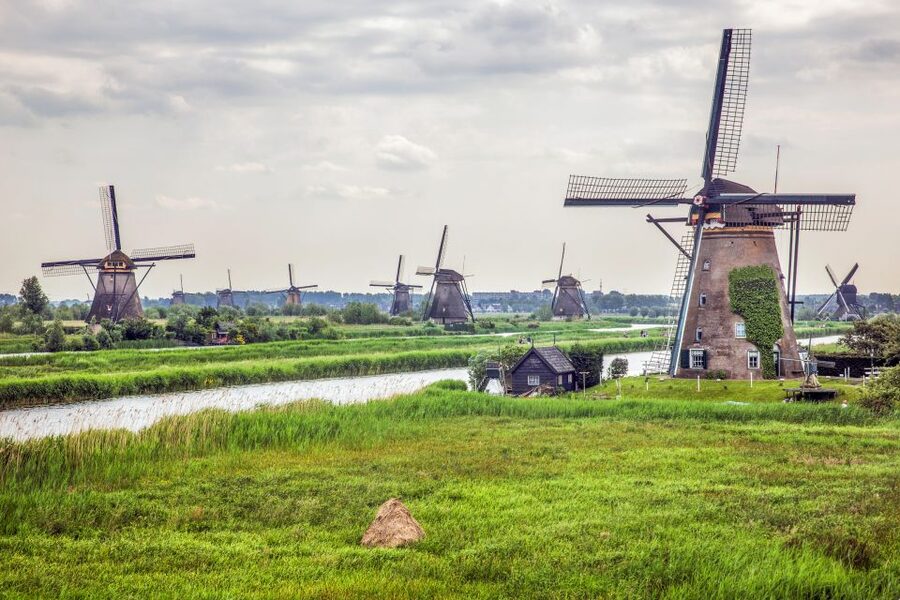
Nederwaard Museum Mill offers another look at life inside a working windmill. You can see the machinery and the domestic side of the building, including how families adapted to a narrow, vertical home.
One of the most memorable parts of the Kinderdijk visit is realizing how many people lived and worked in these mills over the years. The spaces are not arranged like a grand historic house. They feel practical, confined, and shaped by the demands of water control.
The machinery is a key part of the visit. If the mill is operating, you may see the moving parts that turn wind into useful work. The sight and sound of the mechanism make the system easier to understand than a diagram or a label.
Staff are available around the site and can help explain what you are seeing. Take the chance to ask questions when the millers or attendants are present. The experience is self-guided, but a short conversation can add useful detail.
More history tours in Rotterdam:
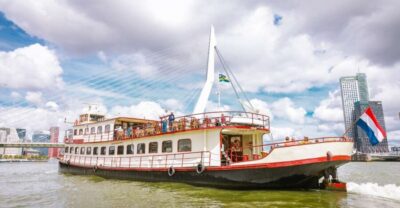
- Rotterdam: Harbor Cruise on a Historic Ship
★ 4.2 · 812 reviews - MUST DO: Rotterdam highlights & history with a local guide
★ 4.5 · 57 reviews - Rotterdam Must Do Tour: Highlights, History, WW2 and Architecture
★ 5.0 · 20 reviews - Dordrecht: Dark History Tour
★ 4.5 · 15 reviews
The pumping station engine room
The pumping station gives you the next chapter in the story. Windmills were effective, but later pumping technology offered another way to move water and manage the polder.
Admission includes the engine room, where the scale and force of the machinery make a sharp contrast with the wooden mill interiors. This stop is valuable because it shows that Kinderdijk’s water system did not freeze in one period of history. It changed as new technology became available.
If you have limited time, do not skip this part in favor of photographs. The windmills explain the older method, while the pumping station shows how Dutch water control developed. Together, they make the site feel like a working system rather than a collection of monuments.
The pumping station is also a good pause point when weather turns poor. Still, most of the visit takes place outdoors, and the boat service can be suspended in bad conditions.
The film, exhibition, and online audio guide
The short film and exhibition provide an efficient introduction before or after you walk the site. The film is about nine minutes, according to one detailed visitor account, so it does not demand a major block of your day.
I recommend watching it early if you are new to Dutch water management. It gives you the basic vocabulary and purpose behind the dikes, channels, mills, and pumps. Afterward, the machinery you see in the museums has a clearer role.
The online guide includes audio tours in English, Dutch, French, Spanish, Italian, Chinese, and German. Dutch and English are also listed among the spoken languages used on site. Ask for the audio tour code at the information desk, since it may not be handed to you automatically.
The guide works best when you use it selectively. You do not need to listen to every item while walking. Pick the mills or features that catch your eye, then keep moving when you want to enjoy the quiet.
There is also an interactive scavenger hunt for children. It gives younger visitors something specific to look for, which can make the long paths and technical displays easier to manage.
Taking the included boat through the polders
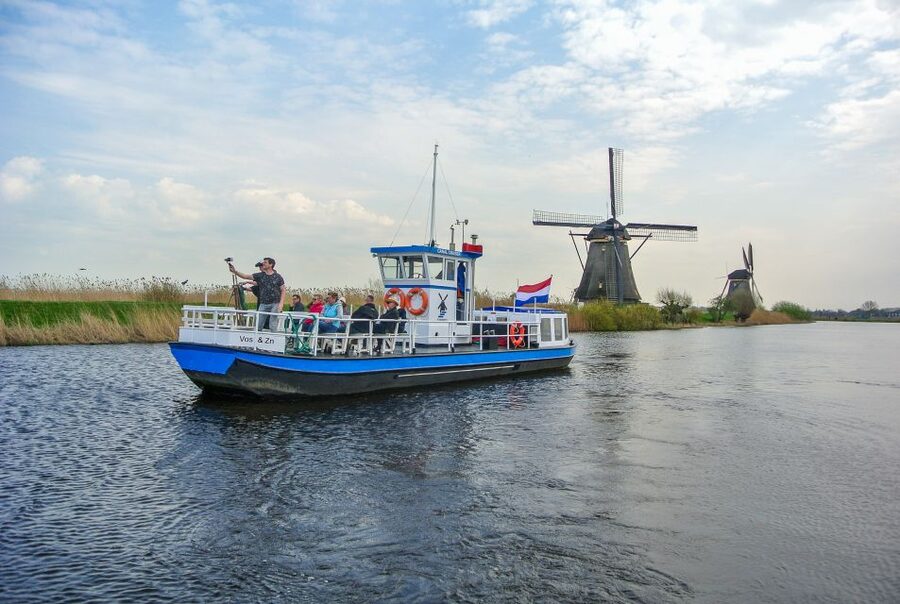
The tour boat is included in the ticket and is one of the best parts of the visit. From the water, you see the line of windmills from a lower, more open angle. The canals frame the mills, and the ride gives your legs a break from the paths.
Some boats operate as a moving tour, while the site also uses boats to connect the museum areas. Pay attention to the departure pattern when you arrive. The boat has limited seating, and queues can build during busy periods.
A useful approach is to walk one way and use the boat for the return, or take the boat first and then visit the museums on foot. The best choice depends on the schedule and weather. If you board first, you get an overview of the site. If you walk first, you can spend more time at the museums without watching the clock.
The final boat leaves 30 minutes before closing, so do not save the ride for the last few minutes. Service may stop when the weather is poor. If the boat is not sailing, you can still walk the paths and visit the included indoor attractions, but the ticket will feel slightly less complete.
Getting to Kinderdijk from Rotterdam
Transport to Kinderdijk is not included, so you need to plan the journey separately. Waterbus 21 is a popular option from Rotterdam, and the direct ride takes about 35 minutes according to a detailed account. Check the current timetable before you leave, especially if you are visiting on a limited schedule.
Another option is to take the Waterbus to Alblasserdam and continue from there. Some people rent bicycles for the final stretch or for the visit itself. This can be a fine way to make the journey part of the Dutch experience, but it adds planning and physical effort.
Do not assume driving will be easier. Parking can be difficult, particularly during busy periods. If you are arriving from a cruise ship, allow time to reach the Waterbus and check the return schedule carefully.
The access route from a water taxi may be awkward for some wheelchair users, even though the Kinderdijk site itself is wheelchair accessible and suitable for mobility scooters. If accessibility is important to you, confirm the transport connection before booking.
How long should you allow?
You can see the main paths in about two to three hours if you keep moving. That allows time for some history, the boat, and the two museum mills, but it leaves little room for a slow picnic or long stops.
I would allow at least half a day for a first visit. Add more time if you want to watch the film, follow the audio guide, examine the pumping station, take photographs, and pause along the canals.
A full day makes sense if you arrive by bicycle, bring food, or want to move at an easy pace. The ticket is valid for one day, so you do not need to rush from one attraction to the next.
Opening hours vary by season:
- Until March 5, the site is open on operating days from 10:30 a.m. to 4 p.m.
- From March 6 through November 1, it is open daily from 9 a.m. to 5:30 p.m.
- From November 2 through December 31, it is open daily from 10:30 a.m. to 4 p.m.
- Kinderdijk is closed on Christmas Day.
Check the current hours before setting out, since the boat’s final departure comes 30 minutes before closing.
Is the $25 ticket good value?
The ticket costs about $25 per person. The surrounding paths can be enjoyed without paying for every attraction, so the value depends on what you plan to do.
If you only want the famous views and a walk beside the canals, you may decide that the paid ticket is not essential. But entering two operating museum mills, visiting the pumping station engine room, watching the film, using the audio guide, and taking the boat adds a lot to the day.
I consider the ticket good value for a first visit. The museums answer the questions that photographs cannot: how the mills worked, how people lived inside them, and how water management changed over time. The boat also saves walking and gives you a view that the main path cannot provide.
It is especially worthwhile if you are coming from Rotterdam for a dedicated half-day trip. The attraction feels much less satisfying if you arrive only to take a few pictures and leave.
Who will enjoy Kinderdijk most?
Kinderdijk suits you if you like history, engineering, photography, and outdoor walks. It is also a strong choice for families, since the scavenger hunt, boat ride, and moving machinery offer more variety than a standard museum.
You should be comfortable with open-air walking and uneven or lengthy routes between stops. If you dislike walking, use the boats strategically and allow extra time rather than trying to cover everything quickly.
The site works well for independent visitors. There is no fixed group tour to keep pace with, and you can choose how much audio, film, and museum detail you want. That freedom is a real advantage, but it also means you must manage your own schedule.
People seeking a quiet countryside setting will appreciate the canals and working mills. On the other hand, anyone expecting a small, compact village with an attraction at every few steps may find the distances tiring.
My booking advice
Book this experience if you want to understand why Dutch windmills matter, not just photograph them. The strongest plan is to arrive early, watch the short film, take the boat while service is running, then walk back through the two museum mills and pumping station.
Bring water, sun protection, and comfortable shoes. Check the Waterbus timetable, keep an eye on the final boat, and consider a bicycle or picnic if you want to stay all day.
Skip the paid ticket only if you are content with an outdoor walk and views from the public paths. For a first visit to the Netherlands, I would pay for the full experience. The combination of working machinery, family homes, canals, and modern pumping technology turns a pretty scene into a clear lesson in how the country was made habitable.
FAQ
Where is Kinderdijk located?
Kinderdijk is in South Holland, Netherlands, near Rotterdam.
How much does the entry ticket cost?
The listed price is $25 per person.
How long is the ticket valid?
The ticket is valid for one day.
Is transport from Rotterdam included?
No. Transport to Kinderdijk is not included in the ticket.
What does the ticket include?
It includes the Blokweer Museum Mill, Nederwaard Museum Mill, the boat trip, the pumping station engine room, the informative film and exhibition, and an online audio guide.
Is the boat ride included?
Yes. The ticket includes a boat trip through the World Heritage Site.
Can the boat stop running?
Yes. The boats may not sail in bad weather conditions.
When does the last boat depart?
The last boat leaves 30 minutes before closing time.
Is Kinderdijk wheelchair accessible?
The site is listed as wheelchair accessible. One access route from a water taxi may be difficult for disabled visitors, so check your transport plan in advance.
Which languages are available for the audio guide?
The audio guide is available in English, Dutch, French, Spanish, Italian, Chinese, and German.
Just added around Rotterdam
- Discover Rotterdam: Classic Highlights Bike Tour by a Local★ 5.0 · 3 reviews
- Rotterdam: Capture the most Photogenic Spots with a Local★ 5.0 · 3 reviews
- Private tour: Markthal, Cube houses and Rooftop Het Witte Huis★ 4.5 · 3 reviews
- Private Transfer from Rotterdam Port to Amsterdam Airport (AMS)★ 5.0 · 3 reviews
- Rotterdam: 2.5-Hour Leckers Boat Cruise and Buffet★ 3.2 · 3 reviews
- Discover Rotterdam’s most Photogenic Spots with a Local★ 5.0 · 3 reviews
- Rotterdam: Wilhelminapier, High-rise & floating architecture★ 4.0 · 3 reviews
- Private Transfer from Rotterdam City to Amsterdam Schiphol Airport★ 5.0 · 4 reviews
Rotterdam Tours, compared.

Browse the lists this tour appears in