
Reviewed · ROTTERDAM TOURS
Rotterdam: Highlights & Gems Walking Tour with Dutch Local
Rotterdam’s appeal is its constant change. This three-hour walk links the medieval river settlement, Europe’s great port, the wartime destruction, and the daring city that rose afterward. Guide Yoreh uses photos, maps, and personal stories to explain why Rotterdam looks so different from other Dutch cities.
I like two things here: the mix of famous sights and lesser-known corners, and Yoreh’s use of visual material to make old photographs and future building plans easier to understand. The stroopwafel break is a small but welcome touch. The trade-off is simple: you cover about 6 kilometers and roughly 15,000 steps, so this is not a gentle stroll.
Key points at a glance
- A local guide with a personal connection: Yoreh combines city facts with stories from growing up in Rotterdam.
- Rotterdam in three time periods: See how the old port, WWII, and postwar rebuilding shaped the city.
- Architecture from old to future: The route moves from historic quarters to the Cube Houses, Markthal, Depot, and newer plans.
- A brisk six-kilometer route: Expect steady walking, some stairs, and longer periods on your feet.
- Useful extras included: You get a stroopwafel, photo-location advice, toilet breaks, and suggestions for eating in Markthal.
- A practical first-day introduction: The walk helps you understand the city’s layout before exploring on your own.
Why Rotterdam Makes a Good Walking Tour City
Rotterdam can confuse you at first. It lacks the old canal pattern that defines Amsterdam, and its center was rebuilt in a bold, sometimes surprising way after World War II. A guided walk gives that unusual city plan a clear thread.
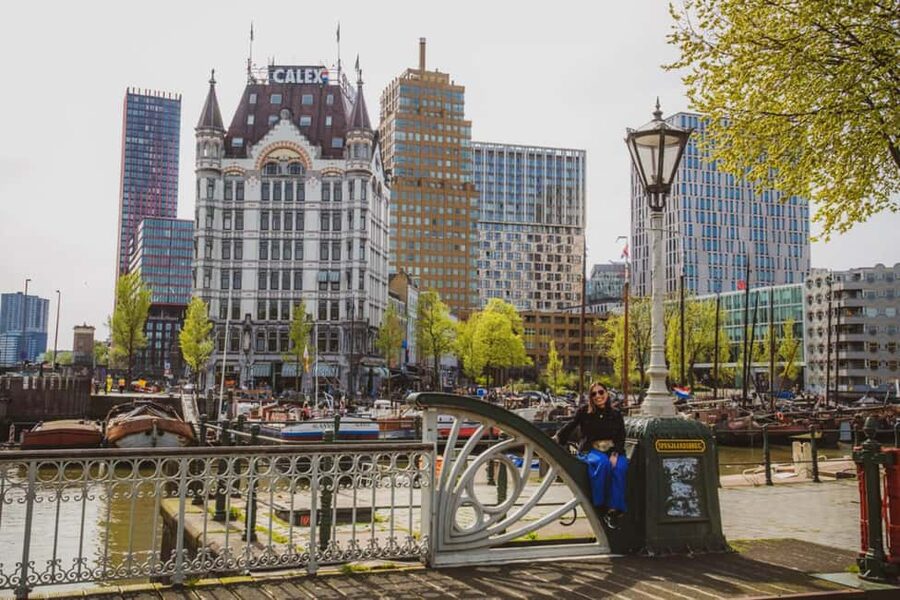
The story begins in the 13th century, when Rotterdam grew beside the Rotte River. From that small settlement, it developed into a major trading center and then one of Europe’s largest ports. The tour connects that growth to the Maritime District, Oude Haven, and the city’s wider relationship with shipping.
The WWII section matters because it explains so much of the modern city. Destruction erased large parts of the historic center, leaving Rotterdam with a chance, and a problem: rebuild the old city or try something new. The answer was largely new. That decision produced wide spaces, striking towers, experimental housing, and a city still testing ideas about urban life.
I find this context more useful than simply collecting photographs of unusual buildings. You begin to see Rotterdam’s architecture as a response to loss, trade, limited space, and confidence in the future.
More Walking Tours in Rotterdam
- Rotterdam: Architectural Highlights Guided Walking Tour
★ 4.8 · 215 reviews - Rotterdam Walk: Hilights, Gems, Architecture & WWII | 2 or 3hrs
★ 5.0 · 149 reviews - Rotterdam 2-Hour Walking Tour | Discover The City With A Local
★ 4.5 · 111 reviews
Meeting Yoreh at Oude Binnenweg
The tour begins at Oude Binnenweg 137, in front of the Swan gift shop and beside the large black Santa Claus statue. Look for the yellow Rottourdam umbrella, which is the clearest sign of the guide. Arrive at least five minutes early. The guide can wait no more than five minutes after the official start time, so this is not the moment to rely on a delayed tram.
Oude Binnenweg is a useful starting point because it places you in the central city before the route spreads toward the harbor districts. Yoreh speaks Dutch and English and leads a small group, with a private option available if you want a more tailored outing.
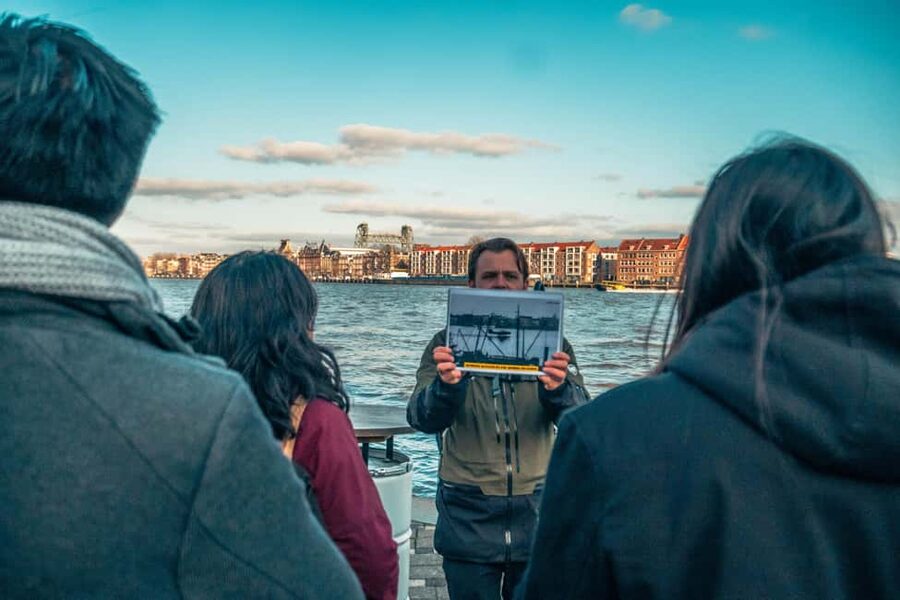
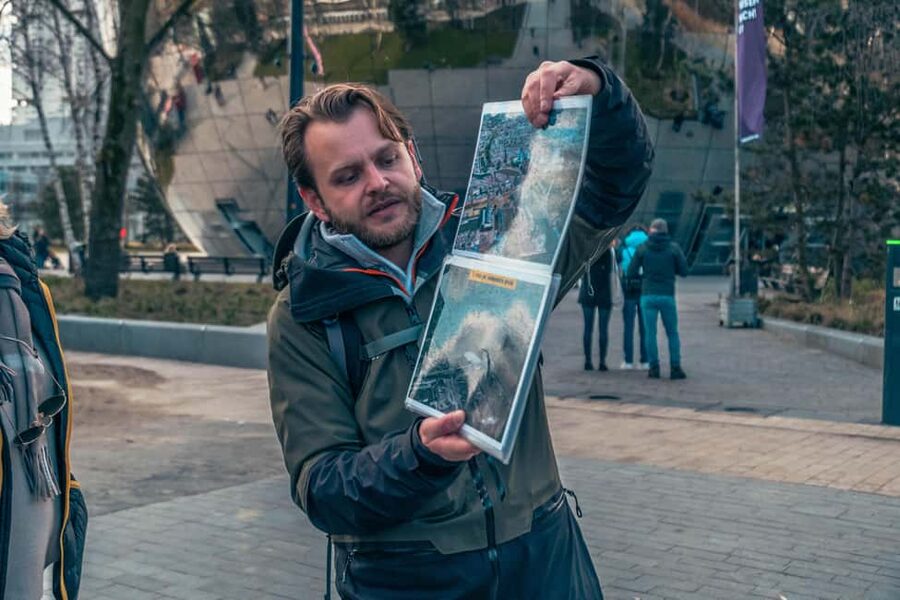
His style is a major part of the experience. He uses photos, maps, charts, and other visual aids while speaking, rather than asking you to remember a long string of dates. That is particularly helpful in Rotterdam, where present-day buildings often make more sense when you can see what occupied the same area before the war.
The route includes selected sitting stops when conditions allow, plus a toilet break around the halfway point. Still, expect to stand for long stretches and keep moving at a steady pace.
From Santa Claus to the Depot
The first part passes the large Santa Claus sculpture, a playful and slightly odd Rotterdam landmark. It sets the tone for a city that is comfortable with unusual public art and architecture.
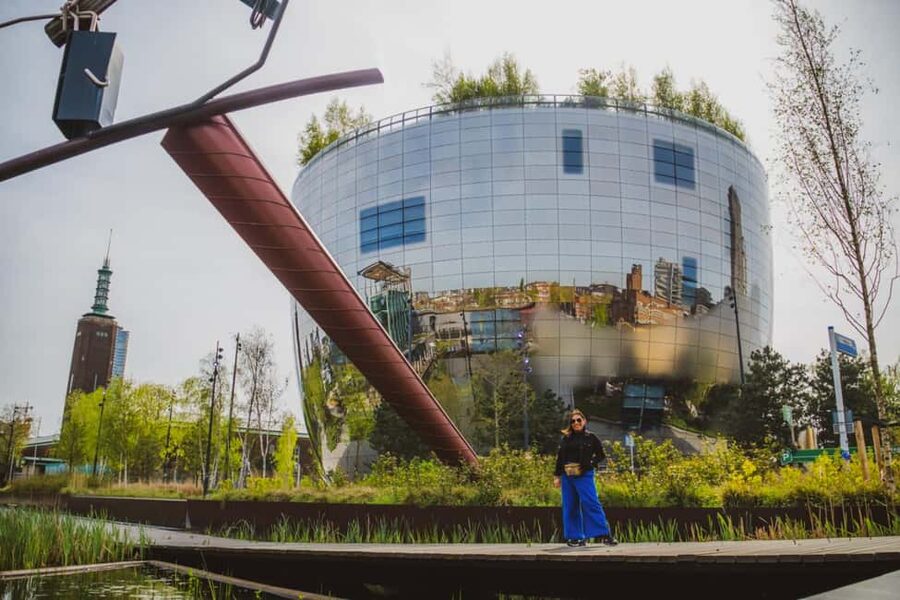
You then pass the Depot Boijmans Van Beuningen. Its reflective, bowl-like exterior is one of Rotterdam’s most photographed modern structures. The tour does not list an interior visit, so treat this as an exterior architecture stop rather than a museum admission.
The building is especially useful in Yoreh’s larger story about Rotterdam’s current identity. The city is not only preserving old objects behind traditional walls. It is also willing to make the storage and presentation of art part of the public view.
This section may appeal to architecture fans, but it is also a good place to ask questions. Yoreh’s visual material and explanations cover buildings, important people, art, daily life, and the city’s plans for the future. The result is broader than a quick photo walk.
Veerhaven and Rotterdam’s Waterfront
The route continues past Veerhaven, a quieter and more elegant part of the city. Its presence helps balance the newer buildings elsewhere on the walk. Rotterdam is often described through its postwar towers and daring housing, but this area adds another note to the city’s character.
You are still walking, not entering a sequence of attractions. That matters when setting expectations. The value comes from seeing how districts relate to one another and hearing the story as the city changes around you.
The tour then passes the Erasmus Bridge, one of Rotterdam’s defining views. Its sweeping shape and tall support have earned it a familiar nickname, but the important point is what it represents: a link between central Rotterdam and the southern side of the river, and a visible sign of the city’s postwar confidence.
Bring a camera, but do not expect a long photo session at every stop. The guide offers tips for good angles and photo locations, yet the group needs to maintain a steady pace to complete the walk in about three hours.
Same country, a completely different kind of day:
- Rotterdam: Harbor Sightseeing Cruise
★ 4.3 · 7,599 reviews - Rotterdam: 1-Hour Sightseeing Splash Tour
★ 4.5 · 3,299 reviews - Rotterdam: Rotterdam Zoo Blijdorp Entry Ticket
★ 4.6 · 2,754 reviews - Rotterdam: Euromast Lookout Tower Ticket
★ 4.4 · 2,549 reviews
The Shipping Quarter and Maritime District
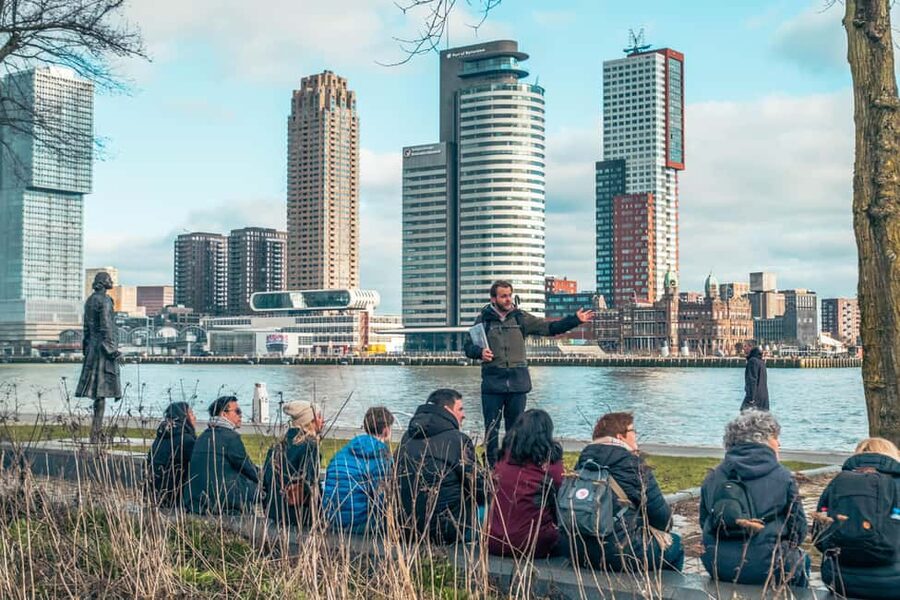
The Shipping Quarter and Maritime District give the tour its strongest connection to Rotterdam’s working identity. This is where the port story becomes easier to picture. Rotterdam is not simply a city with water nearby. Its growth, wealth, streets, and future plans have all been shaped by shipping.
Yoreh’s approach links the port to ordinary city life. You hear about customs, local stories, architecture, and the pressures of a city that keeps changing. Personal anecdotes help keep the presentation from feeling like a lecture.
This part can be especially useful if you are visiting Rotterdam from a cruise ship. From the cruise terminal, tram 5 toward Rotterdam Central stops at Kruisplein, about a five-minute walk from the meeting point. Tram 3 toward Central Station reaches Beurs, followed by about a ten-minute walk.
The route may shift slightly during city events or extreme weather. That is sensible in a working city with busy public spaces. The tour can also last a little longer or shorter than three hours, so avoid scheduling a tight connection immediately afterward.
Oude Haven and the Cube Houses
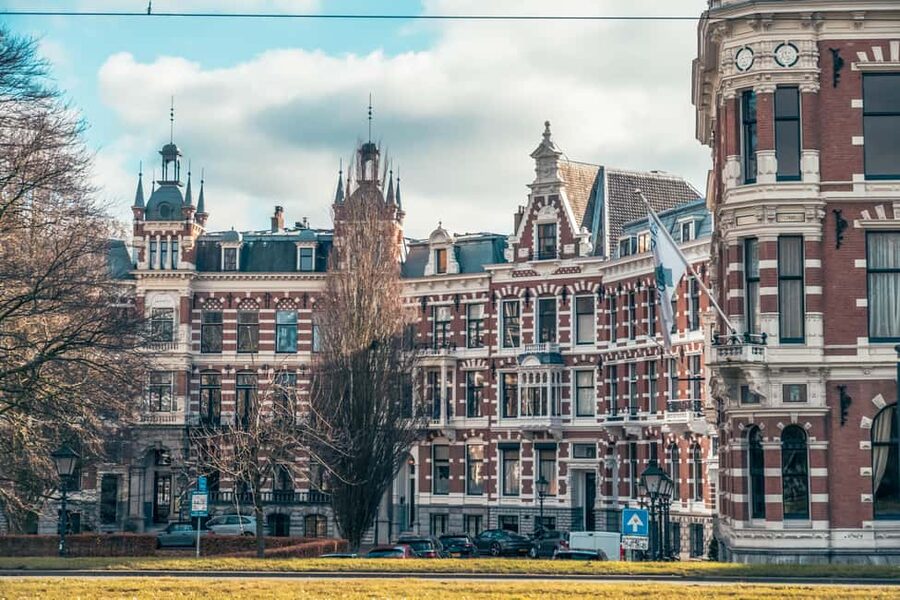
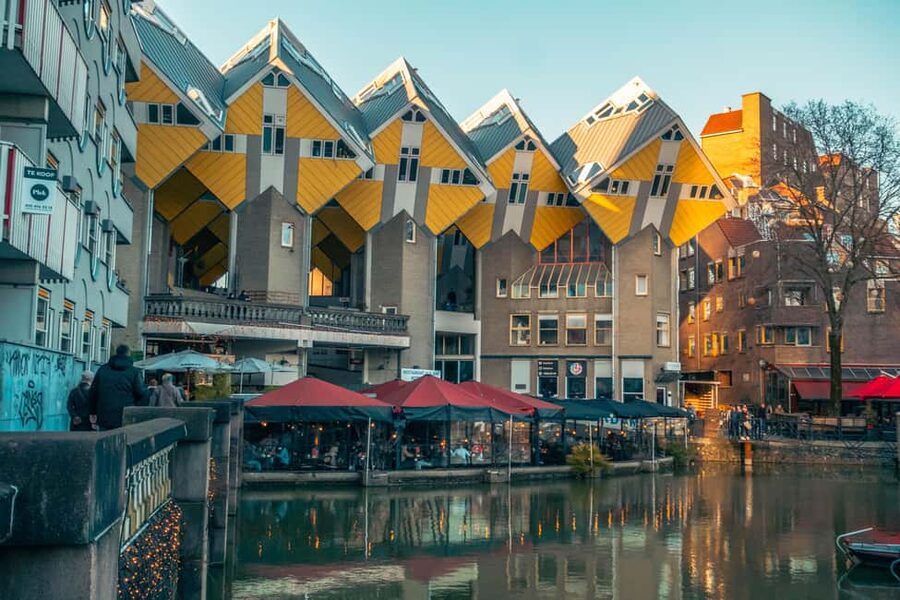
Oude Haven is one of the most appealing stops because it shows Rotterdam’s older harbor character beside modern construction. You pass through the Maritime District and then toward the Cube Houses, a group of tilted homes that turn ordinary domestic space into a piece of city sculpture.
The Cube Houses are an important Rotterdam sight, but a guide adds much more than a quick look upward. You can hear how the buildings fit the city’s interest in unconventional planning and how their design differs from the usual Dutch home.
The itinerary lists the Cube Houses as a pass-by stop, not a guaranteed interior visit. If walking through a Cube House is important to you, ask about that before booking rather than assuming it is included.
This is also where the 15,000-step estimate becomes real. The route covers many districts instead of lingering in one compact zone. Wear supportive shoes and dress for changeable weather. The activity is wheelchair accessible, and stairs or steps can be avoided on the route, but the general guidance still warns of extended standing and some walking difficulty.
Markthal, Stroopwafels, and the Finish
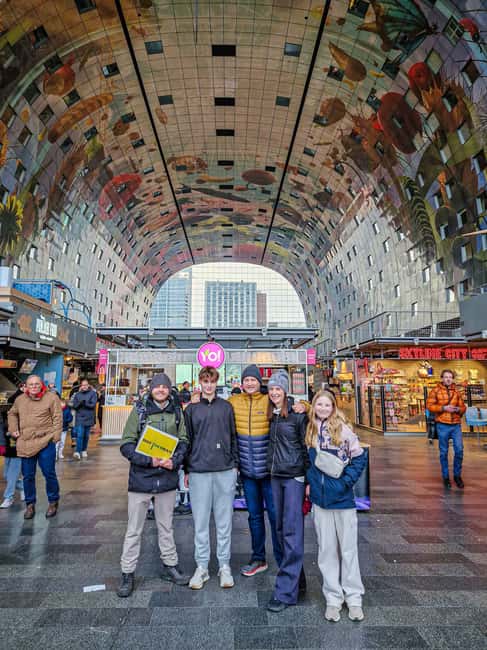
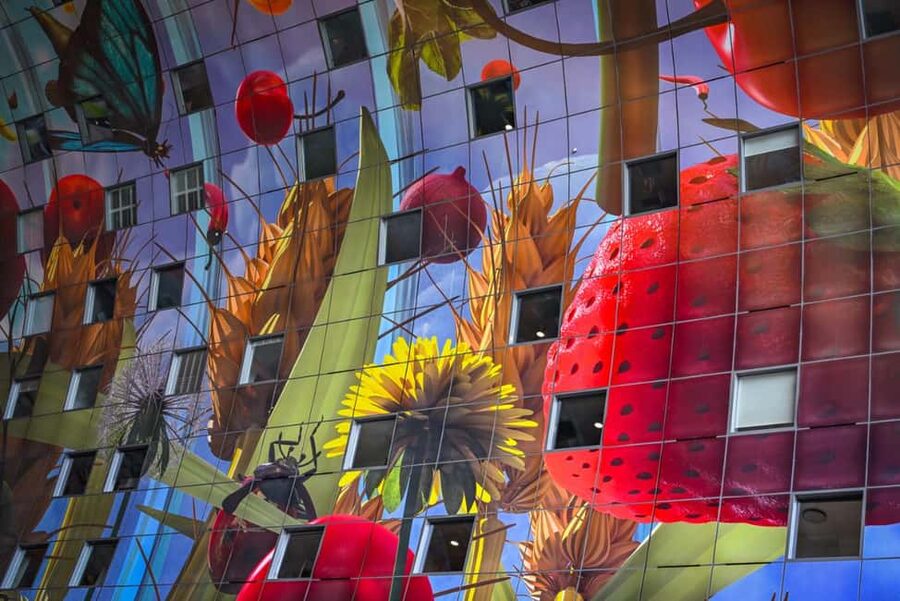
The walk ends at Markthal, Rotterdam’s dramatic indoor market building. Its huge arched form and colorful interior make it a fitting final stop for a tour focused on architecture, food, and the city’s future-facing personality.
You get a stroopwafel halfway through the walk, a small Dutch treat that also provides a useful energy lift. At Markthal, Yoreh suggests places to eat, so you can turn the final stop into lunch or a snack after the tour.
The food hall is more than a convenient ending. It lets you see how Rotterdam’s international character appears in everyday eating. The tour does not include a meal, so budget separately for anything you want to buy.
There is a small practical inconsistency in the supplied meeting information: the route lists Markthal as the finish, while the activity details also say the tour ends back at the meeting point. Confirm the final drop-off arrangement when you book. If you plan to eat in Markthal afterward, allow time for that rather than rushing to another appointment.
How Much Value Do You Get for $46?
At $46 per person, this tour sits in a reasonable range for a three-hour small-group walk, especially because it includes a local guide, visual material, a Dutch snack, toilet breaks, sitting opportunities, and tailored suggestions for photos and food.
The real value is the amount of ground covered and the way the stops are connected. You see the Depot, Veerhaven, Erasmus Bridge, Maritime District, Oude Haven, Cube Houses, and Markthal in one outing. Admission to major museums or interiors is not included, so the price pays for interpretation and orientation rather than entry tickets.
I would consider it good value if you have one day in Rotterdam or want to understand the city before sightseeing alone. It can also save time by helping you decide which areas deserve a return visit.
For a private group, the experience may be worth the extra cost if you want to ask many questions or shape the focus around architecture, WWII, port history, or photography. The small-group format should suit most people who prefer conversation without the formality of a large coach tour.
Who Should Book This Walk?
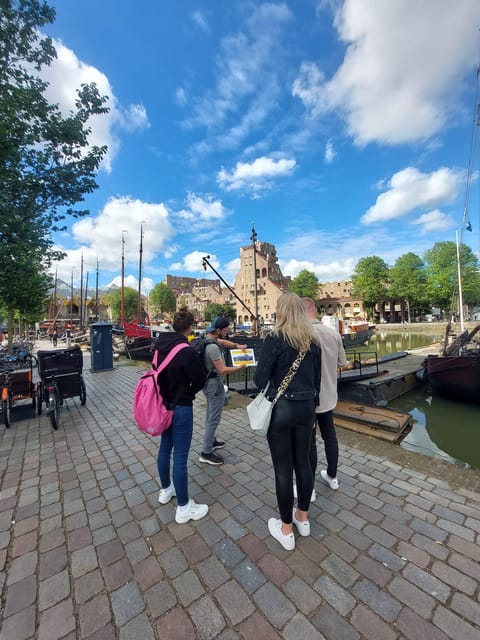
I would choose this tour for first-time visitors, architecture fans, history-minded visitors, cruise passengers with a day in port, and families with older children. One family found the walk worked well for children aged 12 and 16, helped by Yoreh’s humor and lively storytelling.
It also suits people who want honest local perspective. Yoreh is described as open about both the good and difficult parts of Rotterdam, rather than presenting a polished postcard version of the city. That balance can change how you see a place built so strongly through rebuilding.
You should think twice if long walks are difficult. The route is not recommended for people with back, hip, or foot problems, or for highly pregnant visitors. Wheelchair users can take an accessible version with stairs avoided, and the restroom is wheelchair accessible, but the distance and standing time still deserve careful thought.
This is not a tour for someone who wants a slow morning with frequent café stops. It is a brisk orientation walk with short sitting breaks and one restroom break.
Practical Tips Before You Go
Wear good walking shoes. Six kilometers and 15,000 steps can feel much longer on hard city surfaces, especially if you are carrying luggage or exploring after arrival.
Bring weather-appropriate clothing. City events and extreme weather can alter the route, and sitting opportunities depend partly on dry conditions. A compact rain layer is sensible in Rotterdam.
You can use a contactless debit or credit card on Dutch trains, buses, trams, and the metro. From Rotterdam Central, tram 4 toward Heemraadsplein, tram 6 toward Heemraadsingel, and tram 8 toward Spangen are listed routes toward the starting area.
Do not book a tight museum time, train, or cruise departure immediately after the walk. The planned length is three hours, but the pace, weather, and city events can change the timing.
Ask questions as you go. Yoreh’s strength is not only presenting prepared material, but also answering questions about getting around, places to eat, and what to see during the rest of your stay.
Should You Book the Rotterdam Highlights and Gems Walk?
Book it if you want Rotterdam explained rather than simply photographed. The combination of WWII context, port districts, experimental housing, major architecture, local anecdotes, and practical food and photo tips gives you a strong first look at a complicated city.
The best reason to choose it is Yoreh’s personal, visual way of telling the story. The main reason to skip it is the physical demand. If you are comfortable walking steadily for three hours, $46 buys a useful introduction that can improve the rest of your time in Rotterdam. If you need a relaxed pace or many indoor visits, choose a shorter or more focused activity instead.
FAQ
How long does the Rotterdam walking tour last?
The tour lasts about three hours. It may be slightly shorter or longer because of weather or city events.
How far do you walk?
The route covers approximately 6 kilometers and about 15,000 steps.
What language is the tour offered in?
The live tour is available in Dutch and English.
Who is the guide?
The local Rotterdam guide is named Yoreh. He uses photos, maps, charts, and personal stories during the walk.
Where does the tour start?
Meet at Oude Binnenweg 137, in front of the Swan gift shop beside the large black Santa Claus statue.
How do I recognize the guide?
Look for the yellow Rottourdam umbrella.
Which Rotterdam sights are included?
The route passes Santa Claus, Depot Boijmans Van Beuningen, Veerhaven, Erasmus Bridge, the Maritime District, Oude Haven, and the Cube Houses. It visits Markthal.
Is Markthal visited or only passed?
Markthal is listed as a visit and is the planned end point of the route.
Is the tour wheelchair accessible?
Yes. Stairs and steps can be avoided on the accessible route, and the restroom is wheelchair accessible. The tour still involves considerable walking and standing.
Are food and museum tickets included?
A stroopwafel is included halfway through the walk. Museum admission and a meal at Markthal are not listed as included.
Just added around Rotterdam
- Discover Rotterdam: Classic Highlights Bike Tour by a Local★ 5.0 · 3 reviews
- Rotterdam: Capture the most Photogenic Spots with a Local★ 5.0 · 3 reviews
- Private tour: Markthal, Cube houses and Rooftop Het Witte Huis★ 4.5 · 3 reviews
- Private Transfer from Rotterdam Port to Amsterdam Airport (AMS)★ 5.0 · 3 reviews
- Rotterdam: 2.5-Hour Leckers Boat Cruise and Buffet★ 3.2 · 3 reviews
- Discover Rotterdam’s most Photogenic Spots with a Local★ 5.0 · 3 reviews
- Rotterdam: Wilhelminapier, High-rise & floating architecture★ 4.0 · 3 reviews
- Private Transfer from Rotterdam City to Amsterdam Schiphol Airport★ 5.0 · 4 reviews
Rotterdam Tours, compared.

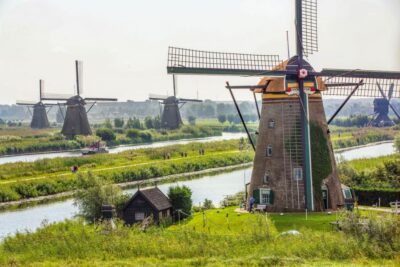
Kinderdijk UNESCO World Heritage Entry Ticket
Read our review →
Browse the lists this tour appears in