
Reviewed · HAARLEM TOURS
2 Hours Walking Tour Throughout History & Highlights of Haarlem
Haarlem’s story is packed into a walkable old center: a beer-brewing past, a river that powered the city, hidden courtyards, a rebuilt windmill, and the wartime courage of Corrie ten Boom. This two-hour walking tour gives you a useful first look without asking you to spend a full day indoors.
I like the small group of 15 or fewer, which should make it easier to hear the guide and ask questions. I also like the range of subjects, from Teyler and the Spaarne to the siege of Haarlem and repurposed buildings. The main concern is simple: you do not enter the church, windmill, or other attractions, and one guide has been hard for some people to hear.
Key points at a glance
- A quick orientation: Start and finish around Haarlem’s Grote Markt, the city’s natural center.
- A broad historical sweep: Hear about beer, trade, religion, war, science, architecture, and the Second World War.
- Small-group format: The maximum group size is 15 people.
- Outdoor sightseeing only: Admission tickets are not included because the tour does not enter attractions.
- Several memorable landmarks: See Amsterdamse Poort, De Koepel, Molen De Adriaan, hofjes, and Corrie ten Boom-related places.
- Good value for first-time visitors: At $25.68, the tour costs less than many longer guided walks, though the value depends on how much you want interior access.
Why Haarlem makes a fine walking-tour city
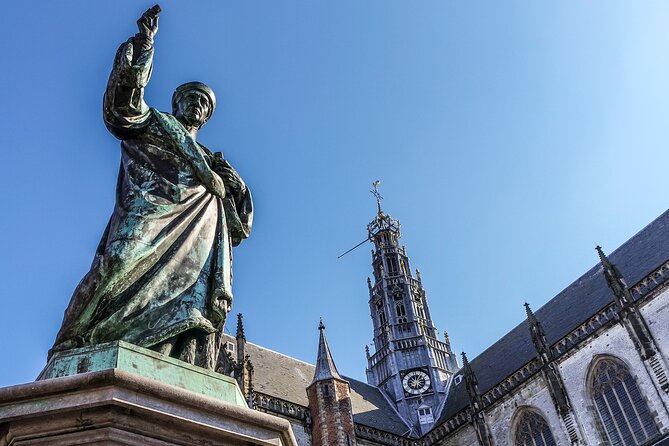
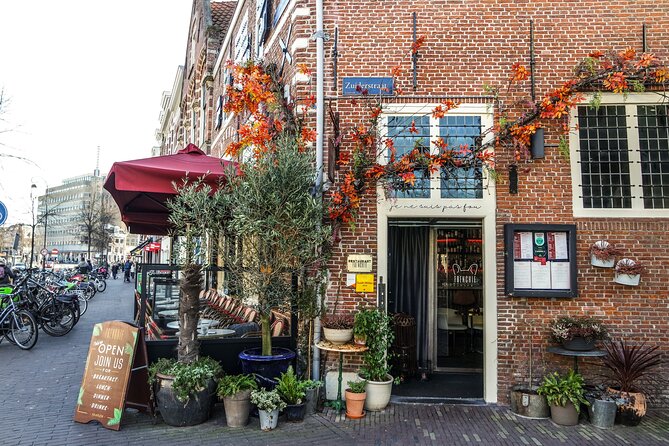
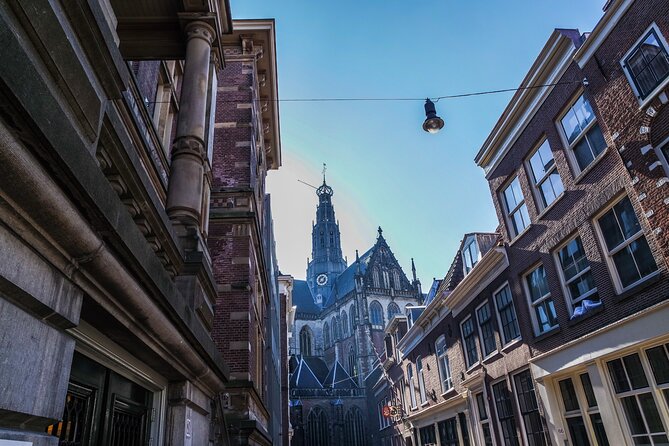
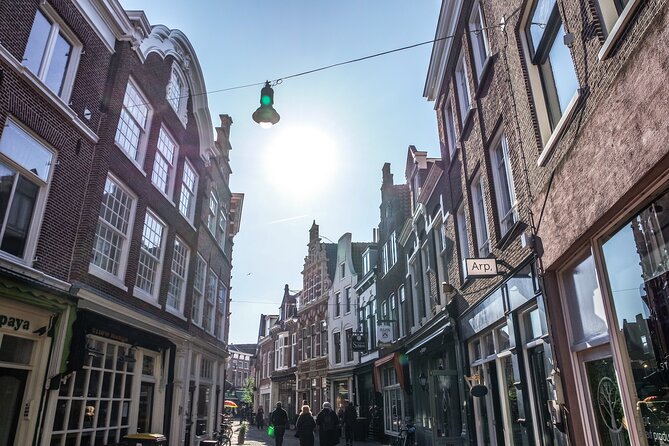
Haarlem rewards people who look up, slow down, and let the streets tell the story. The old center gathers grand public buildings, narrow lanes, churches, canals, and older houses within a compact area. You can cover a lot on foot without the tiring distances found in Amsterdam.
This tour uses that compact layout well. It begins at the Grote Markt and returns there, so you finish where many independent visits to Haarlem begin. That makes the experience especially useful on your first morning in town. After two hours, you should have a clearer sense of where the center sits and which places deserve a return visit.
The focus is not just on pretty buildings. You hear how the Spaarne helped shape Haarlem, how beer brewing supported the city, how religious and charitable institutions worked, and how war affected the town. That mix gives the walk more purpose than a simple list of façades.
More Walking Tours in Haarlem
- The rise of Haarlem: Culture, History, Art and Architecture Walking Tour
★ 5.0 · 59 reviews - Haarlem: City Highlights Walking Tour
★ 4.5 · 32 reviews - Haarlem Old Town Private Walking Tour
★ 5.0 · 24 reviews
Grote Markt: Haarlem’s best starting point
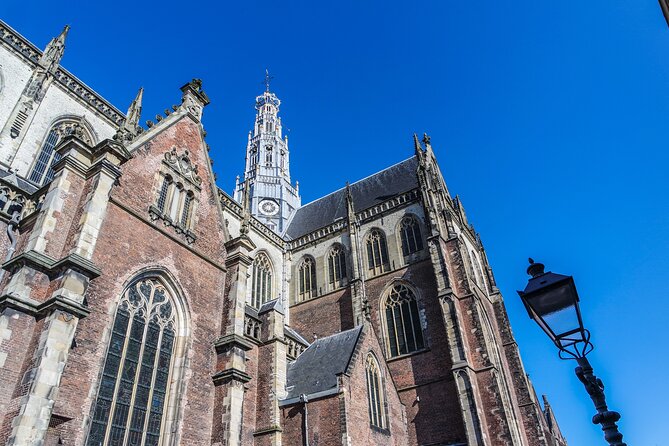
The Grote Markt is the right place to begin. It is the city’s main square and a natural reference point for the surrounding streets. Your guide is scheduled to meet you there 15 minutes before the start time, while the booking information also gives Lepelstraat 3, 2011 RD Haarlem, as the starting address. Check the meeting instructions carefully before setting out, since both details appear in the practical information.
The opening section lasts about 20 minutes. Use it to settle in, learn how the walk will run, and ask where you are in relation to the rest of central Haarlem. The guide may also begin introducing the city’s changing role over time, from local center to a place shaped by trade, religion, industry, and war.
The square is also the ending point, with another portion of the tour devoted to it. That repeat visit can be useful. You may notice details at the end that you missed at the beginning, once you understand more about Haarlem’s past.
The Spaarne, Teyler, De Waag, and beer
One of the most worthwhile sections links the river Spaarne with several parts of Haarlem’s civic life. The waterway mattered to the city’s movement of goods and people, so learning its role helps explain why Haarlem developed where it did.
The walk also brings in Peter Teyler and Teyler’s Museum. Teyler’s name is closely tied to science, art, collecting, and public learning in Haarlem. Even though you will not enter the museum on this tour, the guide’s explanation can help you decide if it deserves a separate visit.
De Waag adds another layer. Weighing houses were tied to commerce, and the building helps connect the city’s architecture with the practical business of buying and selling goods. The discussion of Haarlem’s beer-brewing tradition keeps the subject close to everyday life. Beer was not merely a drink for special occasions. Brewing was part of the city’s economy and social fabric.
This section lasts about 15 minutes. That is enough time for a clear introduction, but not enough for a long museum-style talk. If you want detailed information about Teyler’s collections or Haarlem’s brewing methods, treat this as a useful preview rather than the final word.
Amsterdamse Poort and the harder chapters
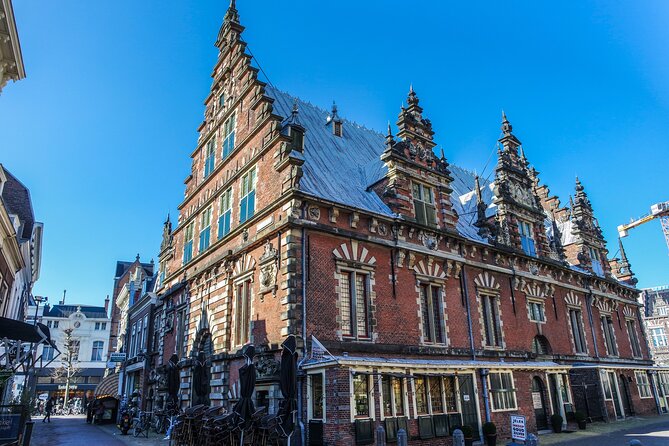
Amsterdamse Poort brings the walk to one of Haarlem’s historic gateways. The stop covers the gate’s past, Haarlem’s seal, the Fifth Crusade, and the siege of Haarlem. Those subjects move the tour from urban development into politics, warfare, and civic identity.
The reference to the Fifth Crusade gives you a wider medieval setting for Haarlem’s symbols and stories. The siege places the city in a much more local and painful chapter. Haarlem’s past is not presented as one long series of pleasant buildings. Conflict, pressure, and survival are part of the picture.
Allow about 15 minutes here. The amount of ground covered means the guide has to keep the explanations moving. If you enjoy military history, this may be one of the most appealing parts of the route. If you prefer art or architecture, the stop may feel more like background than a main attraction.
More history tours in Haarlem:
- Haarlem: Personalized Private tour Highlights & History
★ 4.9 · 13 reviews - Cultural and Historical Audio guided walking tour Tour of Haarlem
★ 3.5 · 13 reviews - Haarlem Self-Guided Taste, Culture & History Walk
★ 5.0 · 7 reviews - Amsterdam Food and Cultural Tour with Tastings
★ 5.0 · 2,442 reviews
De Koepel and the reuse of old buildings
De Koepel receives about 10 minutes. The guide discusses the building’s history, its current use, and the broader idea of repurposing older buildings in the Netherlands.
That topic is practical and surprisingly useful. Historic buildings do not remain meaningful simply because they are old. They need a role, and new uses can keep them part of daily life. De Koepel gives the guide a chance to explain how Haarlem handles older structures in the present day.
The short timing tells you what to expect. You will get an outdoor explanation and context, not a long architectural inspection or an interior visit. If adaptive reuse interests you, listen for the connection between the building’s former purpose and its present one.
Catharijnebrug and Molen De Adriaan
At Catharijnebrug, the focus shifts to Molen De Adriaan. The stop lasts about 15 minutes and covers the windmill’s history, its reconstruction, and its current use.
The reconstruction matters. A rebuilt landmark raises useful questions about preservation: what is being saved, what is being recreated, and how does a familiar symbol continue to function? The guide can give you that context while you view the mill from outside.
Do not expect to go inside the windmill. Admission to attractions is not included, and the tour remains outdoors. This is the clearest practical drawback for anyone hoping to climb through Molen De Adriaan or explore its working parts. You can still decide later if an interior visit belongs on your Haarlem schedule.
Wear comfortable walking shoes. The route includes several stops and enough standing to make flimsy footwear a poor choice. The required fitness level is moderate, so this is not described as a strenuous hike, but it is still a real city walk.
Hofjes, the Waalse Kerk, and an overlooked side of town
The next section introduces the hofje concept, the uses and reconstruction of the Waalse Kerk, and Haarlem’s former red-light district. It lasts about 10 minutes.
Hofjes are one of Haarlem’s most distinctive urban features. These enclosed courtyards were connected with housing and charity, creating quiet pockets behind the public streets. They show another side of city life, one based on community support and controlled residential space rather than trade or grand civic display.
The Waalse Kerk adds religious history and the question of reconstruction. The reference to Haarlem’s former red-light district keeps the walk from becoming too polished. Cities have always had less respectable quarters, and understanding where those activities took place can make the old center feel more like a lived-in place.
The stop is brief, so you may not get time to explore every courtyard. Some hofjes also have rules about access at different times, but no separate entry is promised here. Think of this part as an introduction to details you can seek out later on your own.
Corrie ten Boom and Haarlem during wartime
The Corrie ten Boom stop lasts about 15 minutes. It brings the tour into the Second World War and the story associated with the ten Boom family.
This is a powerful change of tone. After medieval gates, river trade, churches, and windmills, the walk reaches a modern story of courage and moral choice. Corrie ten Boom’s name is strongly linked with Haarlem, and the subject gives the city’s streets a human scale.
The tour does not include entry to attractions, so you should not expect an interior visit connected with this story. If Corrie ten Boom is a major reason you want to come to Haarlem, check the details of any separate museum or house visit you may wish to make. The walking tour can provide context, but it is not a substitute for an attraction admission.
What the guides add, and where the format can falter
The experience is led by a local English-speaking guide. Ronald is described as personable and well informed about Haarlem’s history and architecture, while Manuel is described as friendly and able to keep the two hours moving quickly. Those names suggest a warm, personal style, but the exact guide may vary by departure.
A small group should help. With no more than 15 people, you have a better chance of staying close, seeing what the guide points out, and asking a question without turning the walk into a private tour. The format also suits people who prefer conversation to a recorded audio guide.
Still, guide quality matters a great deal on a history walk. One guide was reported to speak very softly, which made it difficult to hear, and to spend too long on some explanations. There were also gaps in answers to basic questions. I would treat that as a real consideration, not a minor quibble. A tour covering many subjects in two hours needs clear delivery and firm control of the clock.
The best response is practical: stay near the guide, ask to repeat anything you miss, and do not hesitate to signal that the group cannot hear. If you prefer to set your own pace or want guaranteed detail on every subject, a self-guided walk may suit you better.
What $25.68 buys you
At $25.68 per person, this is a modestly priced introduction to Haarlem. You are paying for a local guide’s time and route planning, not for museum tickets, transportation, food, or a private experience.
The value is strongest if you are new to the city and want a quick framework for independent exploring. A good guide can point out connections you might otherwise miss: the river and trade, the museum and science, the gate and siege, the hofjes and charity, and the wartime story. That context can make later solo visits more rewarding.
The value is weaker if you expect interiors. The tour does not enter attractions, so the price does not cover Teyler’s Museum, Molen De Adriaan, a church interior, or any other admission. You will need to budget separately if you want to go inside.
The two-hour length helps keep the price reasonable and fits well into a day trip. You can take the walk in the morning, then return to the sites that caught your attention. It also avoids the commitment of a half-day tour, though the fast pace may leave you wanting more detail at several stops.
Who should book this Haarlem walk
I would recommend it to a first-time Haarlem visitor who wants orientation, local stories, and a manageable route through the historic center. It is also a good match for people who enjoy history, architecture, wartime stories, and the small details of city life.
It suits couples, solo visitors, and small parties who like walking and do not need a private guide. The mobile ticket makes it easy to keep the booking on your phone, and the tour is near public transportation. Service animals are allowed.
I would be more cautious if you have trouble hearing a soft speaker, dislike standing outdoors, or want to spend time inside the landmarks. The activity calls for moderate physical fitness, and comfortable shoes are a must. Anyone seeking a highly detailed specialist tour should also weigh the mixed guide performance before booking.
Cancellation is flexible if your plans are uncertain: you can cancel for a full refund up to 24 hours before the local start time. Changes or cancellations made within 24 hours are not accepted for a refund.
The final call: a useful first look, not a complete Haarlem visit
Book this tour if you want a well-priced starting point for Haarlem and enjoy learning how ordinary city features connect to larger events. The Grote Markt, Spaarne, Amsterdamse Poort, De Koepel, Molen De Adriaan, hofjes, Waalse Kerk, and Corrie ten Boom give the walk a pleasing range.
Skip it if your priority is entering buildings or controlling every minute yourself. The strongest version of this experience depends on the guide’s volume, pacing, and command of the facts. For most first-time visitors, the small group and broad route make it worthwhile, as long as you see it as an outdoor introduction and leave time for your own follow-up visits.
FAQ
How long does the Haarlem walking tour last?
The tour lasts approximately two hours.
What language is the tour offered in?
The tour is offered in English.
Where does the tour start?
The practical information gives Lepelstraat 3, 2011 RD Haarlem, Netherlands, as the start point. The guide is also scheduled to meet the group at the Grote Markt 15 minutes before the starting time, so check the booking instructions carefully.
Where does the tour end?
The activity ends back at the meeting point, around the Grote Markt area.
What attractions are included inside the tour?
No attractions are entered during the tour. Admission tickets are not included.
How large is the tour group?
The group has a maximum of 15 participants.
Can I cancel for a full refund?
Yes. You can cancel at least 24 hours before the experience’s start time for a full refund. Cancellations or changes made less than 24 hours before the start are not accepted for a refund.
More 2-Hour Experiences in Haarlem
- Amsterdam: 2-Hour Canal Cruise incl. Drinks & Dutch Snacks
★ 5.0 · 594 reviews - Amsterdam 2-hour Private Canal Cruise with Live Guide and Drinks
★ 5.0 · 296 reviews - Utrecht 2-Hour Walking Tour | Discover The City With A Local
★ 5.0 · 138 reviews - Amsterdam 2-Hour Evening Cruise With Live Guide and Bar
★ 5.0 · 134 reviews
Just added around Haarlem
- Haarlem Walking Tour. Unknown and Surprising★ 5.0 · 4 reviews
- BBQ on Board Haarlem Cruise★ 5.0 · 4 reviews
- Walking Tour of Haarlem with a Local Guide★ 4.5 · 4 reviews
- Delightful Haarlem★ 5.0 · 7 reviews
- Haarlem Self-Guided Taste, Culture & History Walk★ 5.0 · 7 reviews
- Haarlem Cheese and Wine Cruise★ 4.5 · 7 reviews
- Haarlem: 90-minute Beer Tasting Cruise★ 3.5 · 8 reviews
- Local Cheese and Wine Cruise through Haarlem★ 4.1 · 10 reviews
Haarlem Tours, compared.
Sightseeing Canal Cruise through the City Center
Read our review →
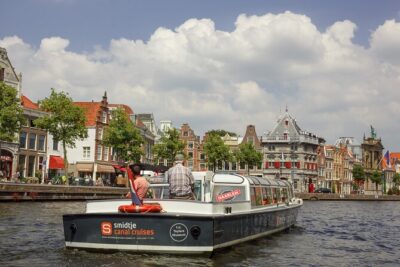

Haarlem Open-Boat Canal Cruise with Live Guide (Electric Boat)
Read our review →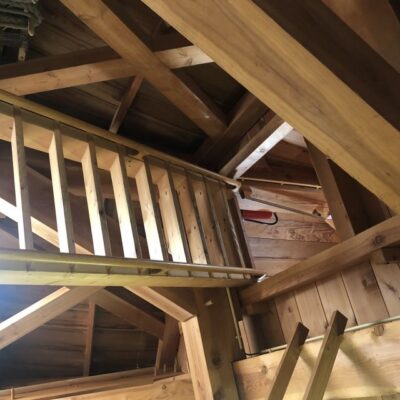
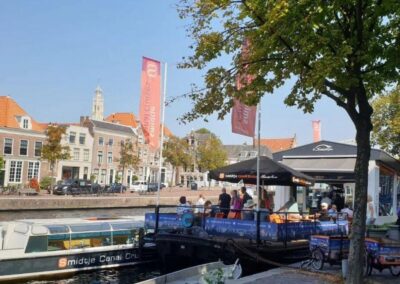
Dutch Windmill & Spaarne River Sightseeing Cruise
Read our review →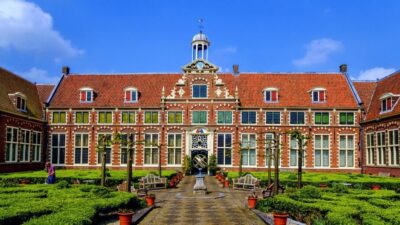
Frans Hals Museum Entrance Ticket with Audio Guide
Read our review →Browse the lists this tour appears in