
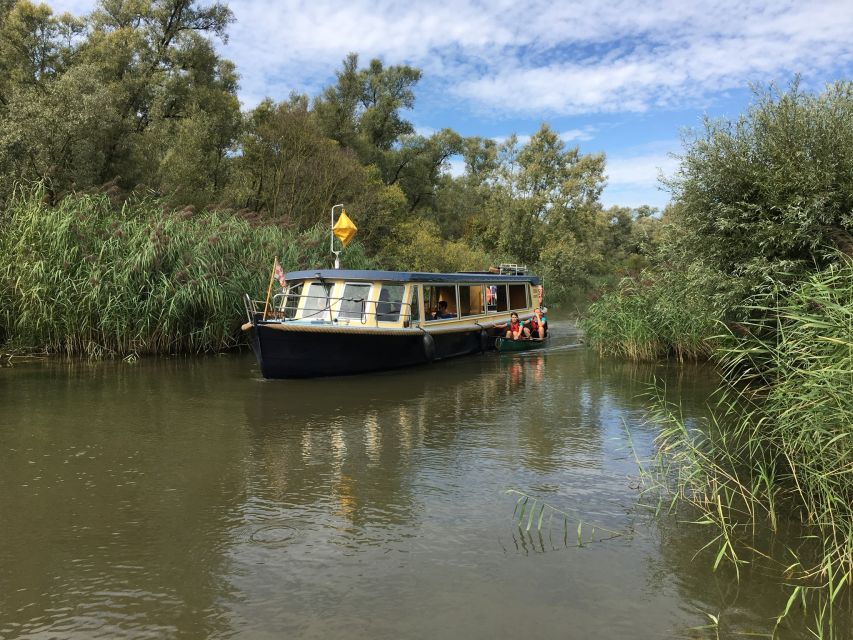
Reviewed · MUSEUMS
Werkendam: Boat Cruise and Biesbosch Museum Entry Ticket
De Biesbosch is best understood from the water. This 75-minute cruise slips through narrow creeks and trenches in one of the Netherlands’ largest national parks, where freshwater tides, reeds, wildlife, and old polders tell a story that is still unfolding. I especially like the quiet pace of the whisper boat and the chance to see places such as the Beneden Petrus trench.
I also like the museum pairing. The boat shows you the wetland itself, while Biesbosch Museum Island explains how the St. Elizabeth flood of 1421 shaped it and why the Dutch eventually gave some reclaimed land back to nature. The main drawback is that the guide speaks Dutch, and the experience is not suitable for wheelchair users.
Key points to know before booking
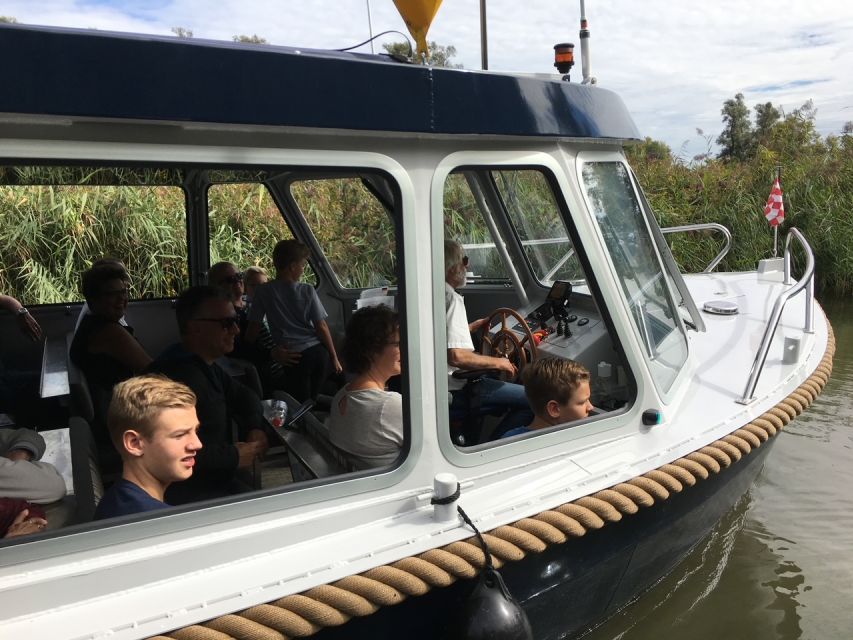
- A quiet 75-minute boat ride: The whisper boat moves through narrow waterways rather than offering a fast, open-water cruise.
- The Beneden Petrus trench: This is one of the named waterways on the route and one of the most appealing parts for close-up views of the park.
- Wildlife is possible, not guaranteed: Keep watch for beavers, eagles, and deer, but treat sightings as a bonus.
- Two experiences for one price: The $28 ticket includes both the national park cruise and admission to Biesbosch Museum Island.
- Dutch-language guiding: Captain John has received praise for clear, friendly explanations, but the spoken tour is in Dutch.
- A useful museum for families: The Biesbosch experience model shows polders, dykes, and streams in a way children can follow.
Why the water tells the Biesbosch story best
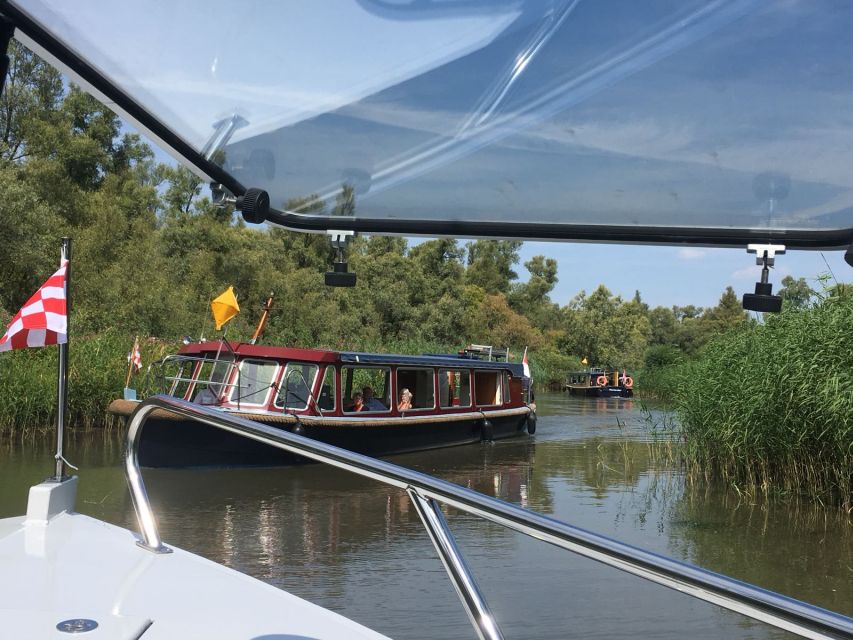
De Biesbosch is not simply a pretty patch of reeds and channels. It is an extensive freshwater tidal wetland in northwestern Europe, shaped by flood, farming, engineering, and later conservation. From a boat, you can see how much water controls the character of the park.
The route uses narrow creeks and trenches, so the boat brings you close to the banks. That matters here. A broad sightseeing boat would give you a wider view, but a whisper boat suits the Biesbosch better because the waterways are the main attraction. You get a slower look at the plants, bends, muddy edges, and changing openings between the reeds.
The boat is described as a whisper boat, which signals a calmer ride rather than a loud, high-powered trip. I would choose this experience if you prefer quiet observation to constant entertainment. It gives you time to scan the banks and listen to the guide without the engine dominating every moment.
The route includes the Beneden Petrus trench, one of the specific waterways named for the cruise. Narrow passages like this are likely to feel more intimate than the open sections, and they help you understand why a boat is the natural way to see the park. The Biesbosch is built around water access, not grand viewpoints or long roads through the middle of the reserve.
More museums in Netherlands:
- Amsterdam: Van Gogh Museum Ticket
★ 4.7 · 52,054 reviews - Moco Museum Amsterdam Entrance Tickets with Banksy & More
★ 4.4 · 10,088 reviews - Amsterdam: The Upside Down Museum Entrance Ticket
★ 4.4 · 9,506 reviews
A 75-minute cruise through creeks and trenches
The cruise lasts 75 minutes, making it an easy addition to a day in the Werkendam area. It is long enough to give you a real sense of the park, but short enough to fit beside the museum visit and other plans.
As you travel, keep your eyes on the waterline and the reeds. Beavers, eagles, and deer are among the wildlife you might spot. No sighting is promised, so I would not book this as a guaranteed animal-watching trip. The better reason to go is the combination of waterways, plants, and explanations about how the area works.
The flora can be colorful, particularly when the growing season is at its best. The experience description emphasizes the park’s colorful plant life, but conditions will naturally vary with the season. A winter cruise can still be worthwhile. In fact, the Biesbosch has a more spare and open appearance in colder months, and the bare structure of the wetland can make its waterways easier to read.
That seasonal point matters because you should not judge the trip only by warm-weather expectations. A January or February outing may not offer the same plant color as summer, yet the boat still gives you a direct view of the park. Captain John has been praised for making a winter cruise enjoyable, with plenty of explanation about the Biesbosch and the surrounding area.
The guide speaks Dutch. If you understand Dutch, the live commentary adds a great deal. If you do not, you will still have the physical experience of the park, but you may miss much of the historical and environmental explanation. This is an important booking point, especially because the museum also deals with detailed water management themes.
Captain John and the value of live explanation
A good guide matters in a place like this because the scenery can look subtle at first. Reeds, channels, dykes, and low wetland areas do not explain themselves. A guide connects what you see to the larger story.
Captain John has been singled out for being kind, relaxed, and willing to take his time. That fits the character of the cruise. You are not being rushed from one dramatic sight to another. Instead, the guide can point out how the waterways fit together, explain the park’s history, and give meaning to the areas you pass.
The strongest praise has focused on the captain’s manner as much as the information. That is useful to know if you are choosing between a bare boat transfer and a guided outing. Here, the boat ride is designed to teach as well as show.
Still, Dutch is the only stated tour language. You should be comfortable with that before paying. The experience is not advertised as multilingual, and no translated commentary is listed. If you are visiting with someone who understands Dutch, that person may get much more from the live narration than you do.
From polders to returning wetlands
The museum and cruise work well together because the Biesbosch is a story of changing attitudes toward water. For generations, the Dutch built polders and dykes in an effort to control wet ground and make it useful for farming and settlement. The museum explains these efforts as part of the long struggle between people and water.
The later shift toward depolderisation is just as important. Rather than trying to force every area into a dry, controlled shape, flood protection eventually included giving some wetland back to nature. This is not a simple return to an untouched past. It is a modern approach to managing water by allowing certain areas to hold and absorb it.
You can see the result from the boat. The channels and wet areas are not just scenic details. They are part of a larger system connected to flood safety, tidal movement, and the way land has been used over time. I like this kind of explanation because it turns a pleasant boat ride into a lesson you can see in front of you.
The St. Elizabeth flood of 1421 is a key date in the museum’s account of how the freshwater tidal area formed. That event helps explain why this part of the Netherlands looks and functions differently from an ordinary park. The water shaped both the natural setting and the human response.
A few more Netherlands trips worth a look
- Amsterdam: Heineken Experience Ticket
★ 4.6 · 30,055 reviews - Amsterdam: Rijksmuseum Entry Ticket
★ 4.7 · 25,535 reviews - Amsterdam: Icebar Entry Ticket with 3 Drinks
★ 4.2 · 14,562 reviews - Amsterdam: Keukenhof Ticket and Roundtrip Shuttle Transfer
★ 4.7 · 11,799 reviews
What to expect at Biesbosch Museum Island
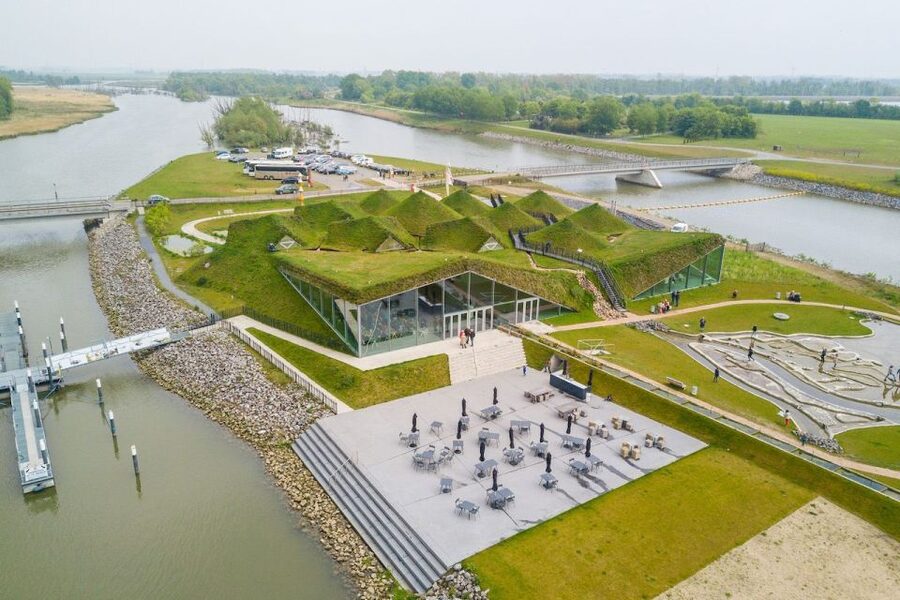
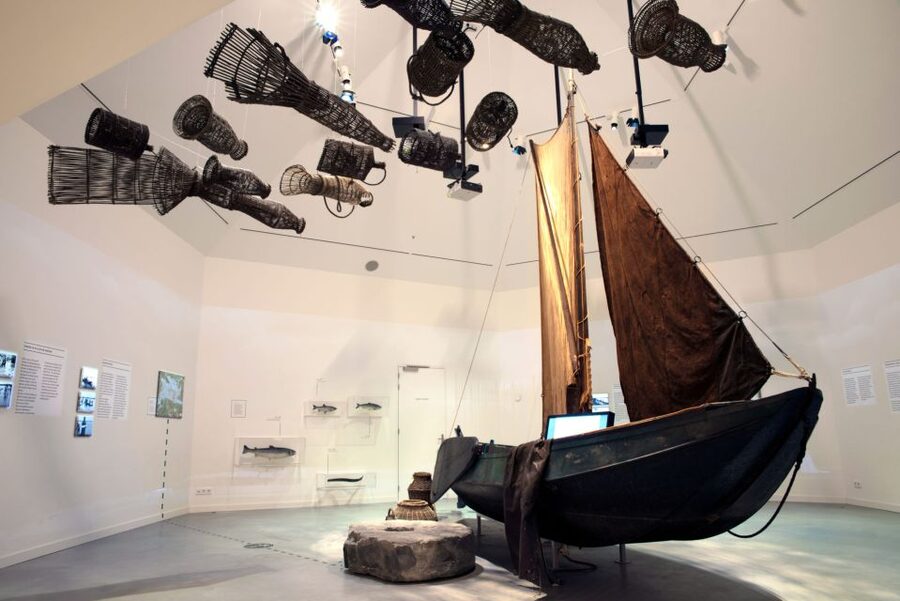
After the cruise, use your entry ticket to visit Biesbosch Museum Island. The museum’s permanent exhibition covers the past, present, and future of the park. It gives you the context that a short boat ride cannot provide on its own.
I would allow enough time here rather than treating the museum as a quick add-on. The cruise gives you movement and fresh air, but the museum gives you the structure needed to understand what you have seen. It explains the formation of the wetland, the construction of polders and dykes, and the move toward depolderisation.
The museum’s strength is its focus on the relationship between people and water. You are not simply looking at displays about plants and animals. You are learning why the land changed, how Dutch flood protection developed, and what the area may mean in the future.
Families should make a point of finding the Biesbosch experience. This scale model includes polders, dykes, and streams, allowing children to see how water moves through the area. It is the kind of hands-on visual aid that can make a technical subject easier to grasp.
The model can also help adults. If the actual waterways seem confusing from the boat, a miniature version gives you a clearer picture of how the pieces connect. You can think back to the creeks and trenches you passed and place them within the wider system.
Museum café and shop
The museum has a café where you can buy a light snack and a drink. Food and beverages are not included in the $28 price, so plan to pay separately if you want refreshments.
This café is useful because the cruise and museum together create a longer outing than the 75-minute boat ride alone. You can pause after the water trip instead of rushing straight through the exhibits. The available information does not specify a full meal service, so think of it as a place for a light break rather than a guaranteed restaurant stop.
The museum shop sells books, souvenirs, and locally made products. That gives you a chance to take home something connected to the region rather than a generic park memento. Books may be especially useful if you want to understand more about the Biesbosch after your visit.
Is $28 a fair price?

At $28 per person, the price is reasonable if you plan to use both parts of the experience. You are paying for a 75-minute guided national park cruise and museum admission, not just a short boat trip.
The value depends on how you use the museum. If you board the boat and leave without spending time with the exhibition, the price will feel less attractive. If you explore the permanent displays, examine the Biesbosch model, and use the café or shop, the combination becomes a fuller half-day-style outing, although the formal cruise itself remains 75 minutes.
The ticket also suits people who want a clear introduction rather than a self-guided day in the park. You do not have to work out the waterways on your own during the cruise, and the museum lays out the environmental and cultural background in one place.
One caution concerns the Dutch Museum Card. A visitor with a museum annual card was unable to use it with this combined booking, even though the card can be used when booking directly with the museum. If you hold that card, compare the direct museum option before purchasing this package. The $28 price may not be the best deal for you if your existing pass would cover museum entry separately.
The option to reserve now and pay later may also help if your plans are still shifting. Cancellation is allowed up to 24 hours before the activity for a full refund. Those are useful safeguards, but they do not change the main question: will you make proper use of both the boat and museum?
Who will enjoy this experience most?
I would recommend this outing to you if you like nature with a strong human story. The Biesbosch is not presented as scenery alone. You will learn how flooding, polders, dykes, and new flood strategies shaped the area.
It is also a good choice for families with children who learn well from models and visual displays. The Biesbosch experience gives younger visitors a practical way to understand streams and flood control. The boat ride adds variety, so the day is not spent entirely inside a museum.
Dutch speakers have the clearest advantage because the live guide speaks Dutch. You can still enjoy the waterways without understanding the commentary, but the educational value is reduced if you cannot follow the explanations.
The experience is less suitable if you need wheelchair access, since it is specifically listed as unsuitable for wheelchair users. Pets are not allowed, so you should make other arrangements for animals before booking.
I would also think carefully about your expectations. This is not a high-speed wildlife safari, and no beaver, eagle, or deer sighting is guaranteed. It is a quiet nature cruise with an educational museum visit attached. That distinction will help you decide if it matches your day.
My booking advice
Book this experience if you want a gentle introduction to De Biesbosch and appreciate seeing a place from both the water and the museum floor. The combination explains why the park looks the way it does, and Captain John’s patient style has been a clear strength when he is guiding the boat.
Choose a different plan if you need wheelchair access, want commentary in a language other than Dutch, or already have a museum card that works when booking directly with Biesbosch Museum Island. Also check the season in your expectations: winter can be peaceful and informative, but it will not provide the same plant color as warmer months.
For most visitors who can use the boat comfortably and understand Dutch, the $28 price buys a well-matched pair of experiences. The cruise lets you see the waterways up close. The museum explains why those waterways matter.
FAQ
How long does the experience last?
The boat cruise lasts 75 minutes. The museum visit is included, but no fixed duration is provided for exploring it.
What does the $28 price include?
The price includes the Biesbosch National Park sightseeing cruise and entry to Biesbosch Museum Island.
Is food included?
No. Food and drinks are not included. The museum has a café where you can buy a light snack and a drink.
What language does the guide speak?
The live tour guide speaks Dutch. Dutch is the listed language for the activity.
Can I see beavers, eagles, and deer?
You might see beavers, eagles, or deer during the cruise. Wildlife sightings are possible but are not guaranteed.
Does the cruise visit the Beneden Petrus trench?
Yes. The route includes the Beneden Petrus trench, one of the park’s named narrow waterways.
Is the museum ticket included after the boat ride?
Yes. Entry to Biesbosch Museum Island is part of the combined experience.
Is the experience suitable for wheelchair users?
No. The activity is listed as not suitable for wheelchair users.
Are pets allowed?
No. Pets are not allowed on this experience.
Can I cancel for a refund?
Yes. You can cancel up to 24 hours in advance for a full refund. You can also reserve now and pay later.
Just added around Netherlands
- Amsterdam: Giethoorn Tour with Canal Cruise and Windmills★ 5.0 · 3 reviews
- Historical Leiden: Private Tour with Local Guide★ 5.0 · 3 reviews
- Full-day excursion to Edam, Volendam, and Marken★ 3.7 · 3 reviews
- Amsterdam: Chocolate Fondue in the Dark★ 5.0 · 3 reviews
- Amsterdam Family Friendly Historical Walking Tour★ 5.0 · 3 reviews
- Amsterdam Private Walking Tour of Famous Painters★ 5.0 · 3 reviews
- Amsterdam Old-West Vegan Food Tour with Local Guide★ 4.7 · 3 reviews
- From Amsterdam: visit Zaanse Schans, Muiderslot and more!★ 5.0 · 3 reviews
Museums, compared.
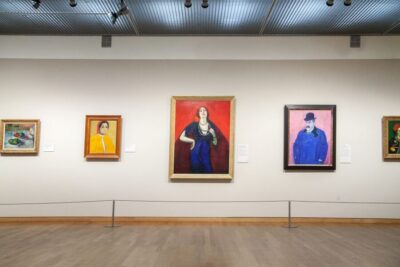

Moco Museum Amsterdam Entrance Tickets with Banksy & More
Read our review →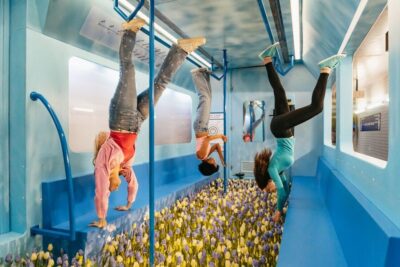

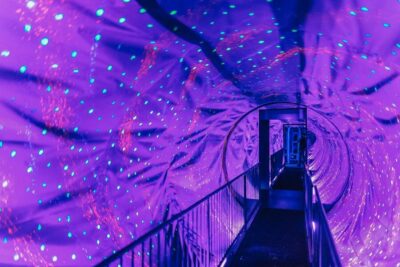
Amsterdam’s Weirdest Museum: Believe It or Not!
Read our review →
Browse the lists this tour appears in