
Reviewed · AMSTERDAM TOURS
Amsterdam: Rembrandt House Museum Entrance Ticket
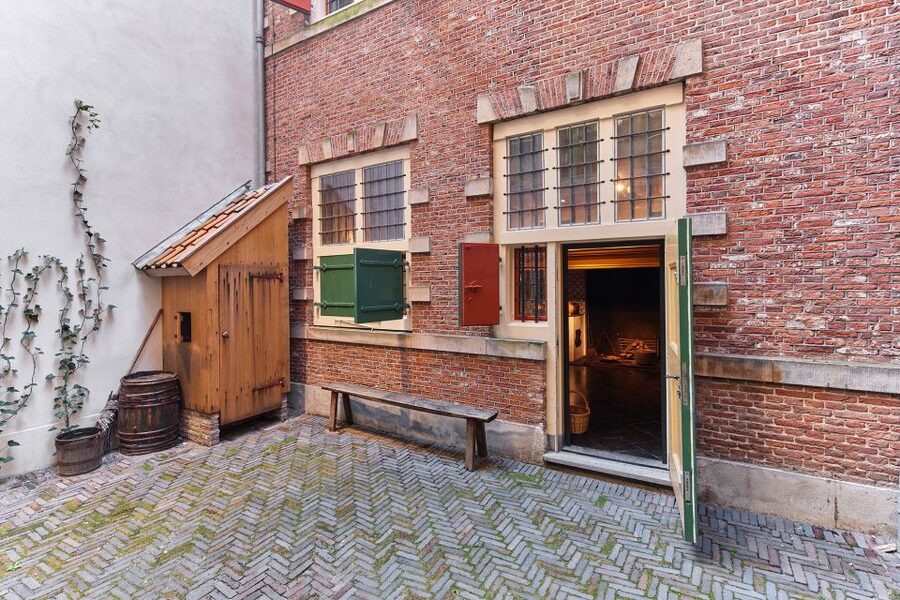
Rembrandt House Museum lets you step into the actual Amsterdam home where the artist lived, taught, collected objects, and worked before debt forced him out. The house is carefully restored, and the multimedia tour gives each room a clear link to Rembrandt’s career and family life.
I like the live demonstrations, especially the making of oil paint in Rembrandt’s studio and the etching session in the attic. I also like that you see much more than a collection of framed pictures: you see beds, workrooms, possessions, and the cramped setting that shaped his daily routine.
The main drawback is the building itself. You climb several steep staircases through a four or five-floor historic house, and some rooms can feel tight when busy. This is not a good choice for wheelchair users or people with mobility impairments.
Key points to know before you go
- You visit Rembrandt’s real Amsterdam house: Walk through the rooms where he lived and worked before bankruptcy changed his life.
- The audio guide is part of the ticket: Choose English, Dutch, Spanish, French, German, Italian, or Russian, then follow the story at your own pace.
- The demonstrations make the visit practical: Watch how period paint was prepared and how Rembrandt’s etching methods worked.
- The museum is about the man more than his famous paintings: You’ll see etchings, sketches, belongings, and work by associates, students, and other artists.
- New rooms add more space and context: The etching attic, epilogue room, and third exhibition room expand the visit.
- Allow two to three hours: You can move quickly, but the audio stops are worth time, especially in the studio, collection room, and living room.
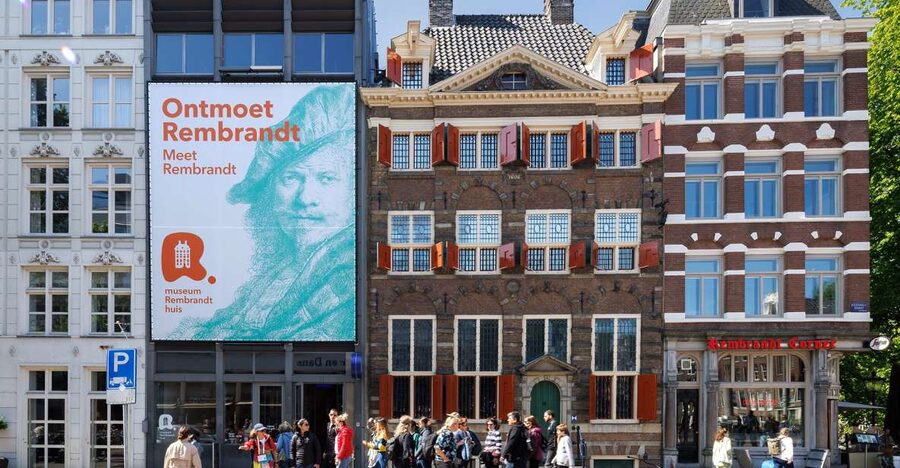
Entering Rembrandt’s home on Jodenbreestraat
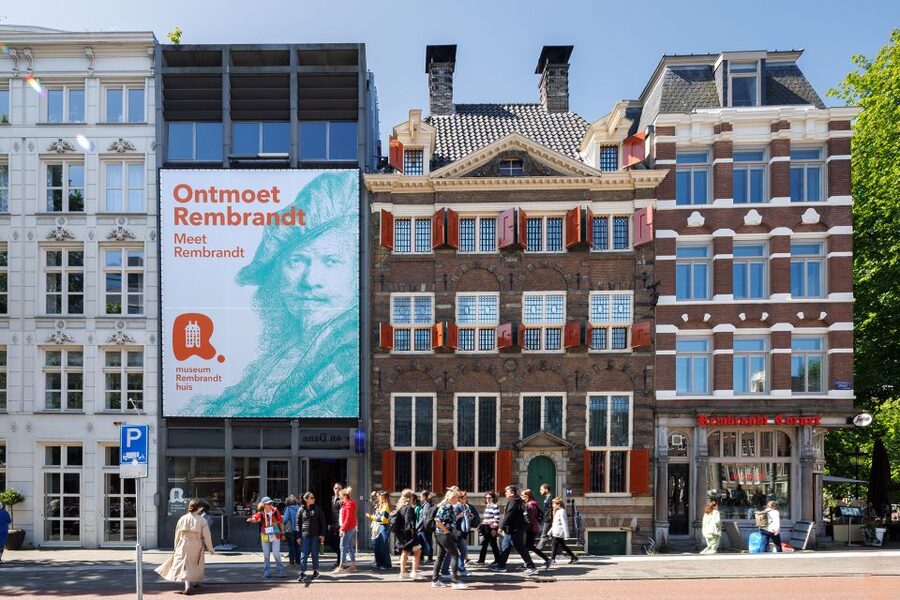
The museum is at Jodenbreestraat 4, in central Amsterdam. Your ticket is valid for one day, with entry based on the available starting time you select. At the entrance, you receive access to the house and the new multimedia tour, which is the key to getting the most from the visit.
The building is not a modern gallery. It is a tall historic house with narrow rooms and steep stairs. That is part of its appeal, since the awkward layout helps you picture how people lived and worked in seventeenth-century Amsterdam. It also means you should wear comfortable shoes and expect a slower pace between floors.
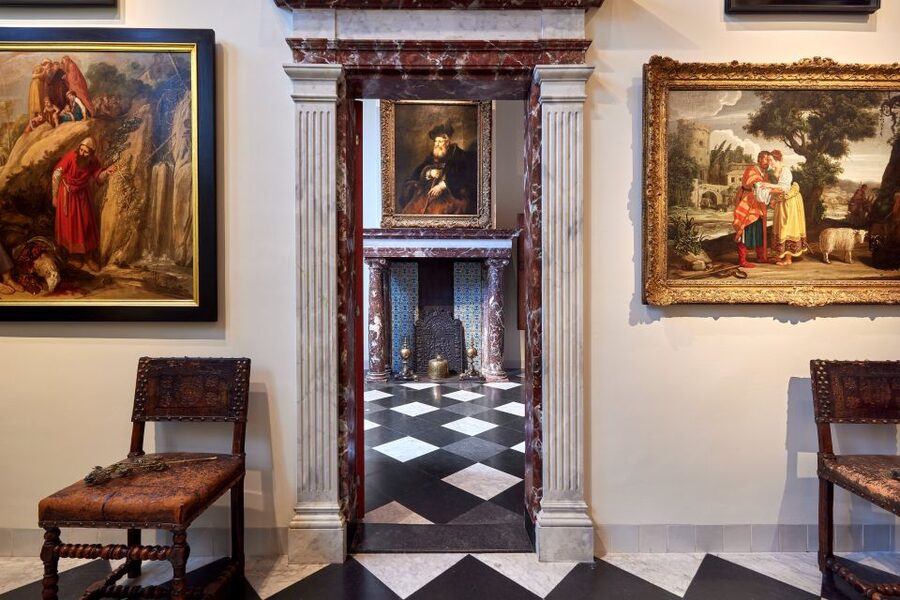
The museum has worked to recreate the feel of Rembrandt’s surroundings. Displays explain which objects are original, which are period pieces, and which have been reconstructed. For me, that detail matters. You are not simply looking at a theatrical set. You are being shown how the museum has built its picture of Rembrandt’s household.
More Museums in Amsterdam
- Amsterdam: Van Gogh Museum Ticket
★ 4.7 · 52,054 reviews - Moco Museum Amsterdam Entrance Tickets with Banksy & More
★ 4.4 · 10,088 reviews - Amsterdam: The Upside Down Museum Entrance Ticket
★ 4.4 · 9,506 reviews
Following Rembrandt from celebrity artist to financial collapse
The multimedia tour follows Rembrandt’s life from his arrival in Amsterdam as an ambitious young artist to his later financial troubles. The story is easy to follow, even if you know little about Dutch art.
Rembrandt was not presented only as a genius on a pedestal. You learn about a working artist who ran a household, taught pupils, bought art and unusual objects, and built a reputation that brought him money and attention. His success also encouraged expensive habits. The house becomes a useful way to understand how ambition, collecting, family life, and debt were tied together.
The audio stops are especially helpful in the living room, studio, and collection room. Some sections take about five minutes, while the most important rooms offer more detail about Rembrandt’s process, family, and possessions. You can listen carefully or move on, so the visit works for both serious art students and people making a shorter stop between other Amsterdam sights.
I recommend using the guide rather than treating the museum as a quick walk through old rooms. Without it, you might admire the furniture and walls but miss why each space mattered. The recordings explain the room functions, Rembrandt’s working habits, and the wider setting of seventeenth-century Amsterdam.
The studio where Rembrandt made paint
The studio is one of the strongest parts of the museum. This is where the visit shifts from biography to craft.
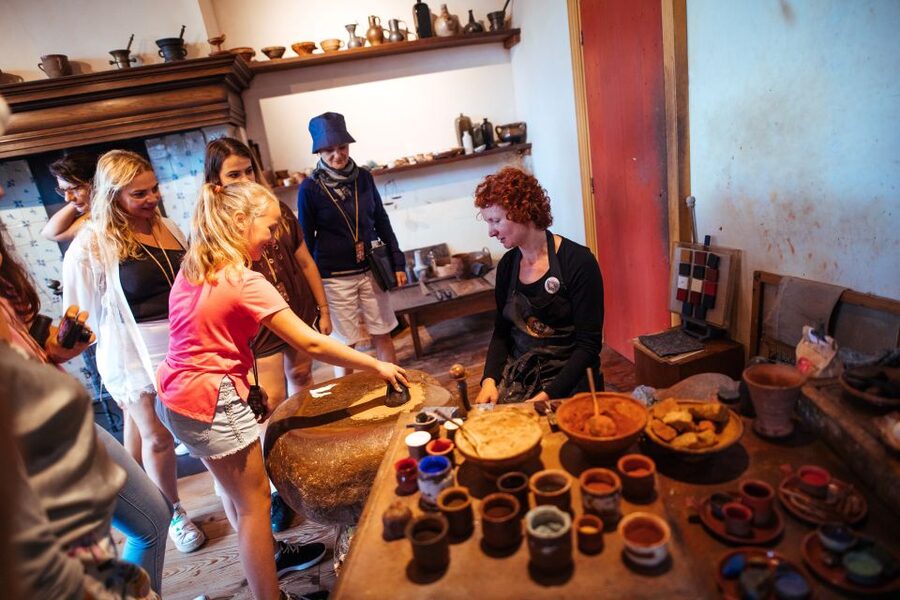
A live demonstration shows how oil paint was made in Rembrandt’s time. You learn about the materials and pigments used by artists before modern tubes of paint. The presenter works in the same type of setting where Rembrandt produced his paintings, making the process easier to picture.
I find this more useful than a general statement that Rembrandt was technically skilled. You see that painting began with preparation, sourcing materials, grinding pigments, and choosing how to handle them. The demonstration gives weight to the labor behind the finished image.
The studio can become crowded, so you may need to wait for a clear view. Still, it is worth planning your visit around the demonstrations if you can. They are not just extras for children. Adults who paint, draw, or enjoy the practical side of art will likely get the most from them.
The etching attic and Rembrandt’s printed work
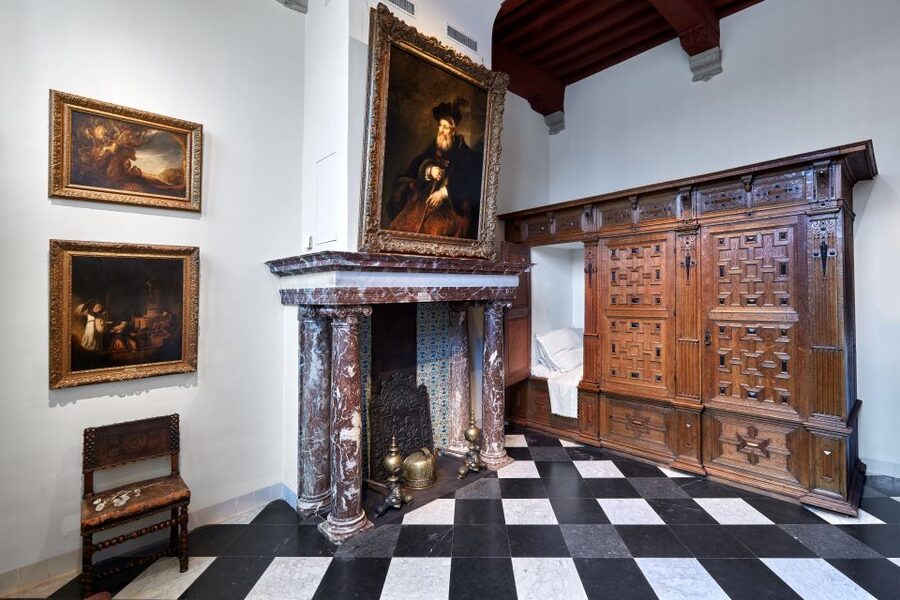
Rembrandt is famous for his paintings, but the museum gives special attention to his etchings. It has an almost complete collection of his etchings, along with explanations of the techniques behind them.
The new etching attic is designed to show how the prints were produced. A demonstration explains the tools and stages involved, letting you watch the method rather than only viewing the finished print behind glass. The setting gives you the feeling of looking over an artist’s shoulder.
This section is valuable because etchings can be easy to overlook in a museum full of paintings. Here, the small scale and fine lines receive proper attention. You can study how Rembrandt used tone, texture, and light in a medium that demanded careful control.
The museum also displays original sketches, along with works by Rembrandt’s contemporaries and artists he influenced. Do not arrive expecting a large gallery of his best-known paintings. This is primarily a house museum and a study of his life and working practice. The collection supports that goal through prints, drawings, objects, and works connected to his circle.
Same country, a completely different kind of day:
- Amsterdam Classic Saloon Boat Cruise with Drinks and Cheese
★ 5.0 · 31,825 reviews - Amsterdam Luxury Canal Cruise + Unlimited Drinks & Bites option
★ 5.0 · 30,518 reviews - Amsterdam: Heineken Experience Ticket
★ 4.6 · 30,055 reviews - Amsterdam: Rijksmuseum Entry Ticket
★ 4.7 · 25,535 reviews
Five new spaces and the 2026 Rembrandt’s Masterclass exhibition
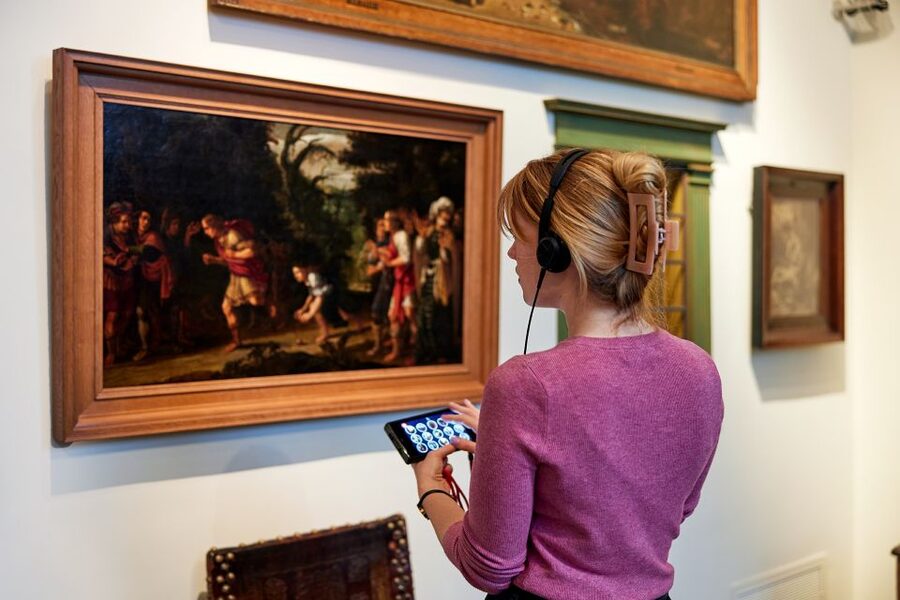
Five recently added museum spaces expand the route through the house. They include an epilogue room, the etching attic, and a third exhibition room. These additions give the museum more room to explain Rembrandt’s methods without squeezing every subject into the historic rooms.
If you visit from January 30 through May 25, 2026, you can also see Rembrandt’s Masterclass. The exhibition asks how Rembrandt became so effective and breaks his approach into five themes: Looking, Technique, Emotion, Experimenting, and Selling.
That structure should appeal to you if you like learning through activities rather than simply reading labels. You can draw an elephant, practise posing for a self-portrait, try to identify a real Rembrandt, and test your own ability to observe and analyse. It gives families and younger visitors something active to do, while still offering serious material about craft.
The exhibition ends with The Anatomy Lesson of Jan Deijman. A slow-watching room encourages you to look at the painting step by step and consider how it combines Rembrandt’s strengths. The show includes etchings, paintings, and a drawing by Rembrandt, so it adds a more direct art focus to a museum that otherwise centers on his home and process.
Exhibitions change, so check the date if this temporary show is a main reason for your visit. The permanent house remains the core experience.
How long to spend inside

You can make a fast visit, but I would set aside two to three hours. One careful visit lasted about two and a half hours, while another took three hours with the audio tour, demonstrations, and displays.
A quick route lets you see the rooms and listen to the main life-story stops. A slower route gives you time to examine the sketches, read about the household objects, wait for the demonstrations, and use the activities in the temporary exhibition.
The living room, studio, and collection room deserve extra time. The audio content there is longer and more detailed, but it also explains the most about Rembrandt’s life and work. If you are not especially interested in art, you can shorten those stops and still enjoy the architecture and domestic story.
The museum can feel crowded at peak times. Narrow rooms do not handle a large group well, and a loud guided group can make listening difficult. If a room is packed, move ahead and return later, or pause until the group has gone. The route is self-guided, which gives you flexibility, but it does not prevent occasional bottlenecks.
Getting the most from the audio guide
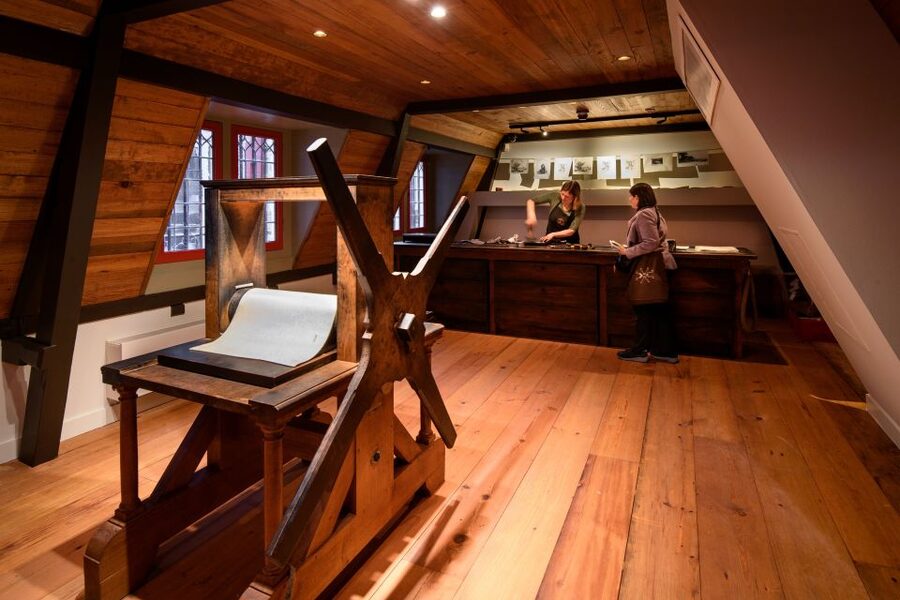
The guide is available in Spanish, Dutch, English, French, German, Italian, and Russian. English-language content is clear and detailed, and it covers more than basic dates.
I would listen to the room introductions first, then decide how much extra material you want. If you rush from one recording to the next, the visit can start to feel like a long history lesson. Instead, use the audio to understand the room, then look closely at the objects and displays before moving on.
Some people who normally skip audio guides find this one useful because it connects the rooms to Rembrandt’s life. The museum’s layout can be confusing at the beginning, and it is not always obvious which room matches the next recording. Take a moment to get your bearings, and ask staff if you are unsure where to go.
The guide is at its best when you combine listening with looking. Pause the recording while examining an etching or object, then continue when you are ready. You are not required to follow a fixed group pace.
What the $23 ticket is worth
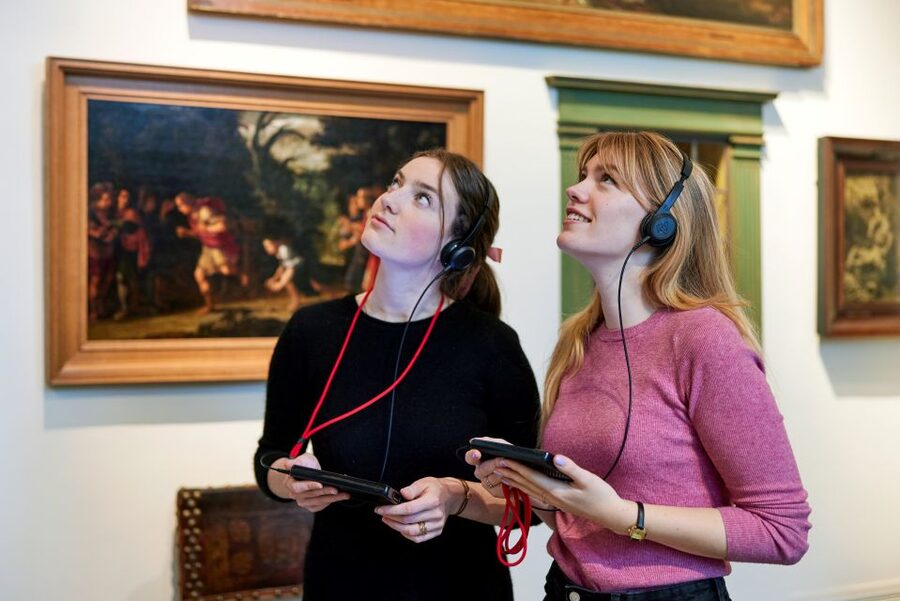
At $23 per person, this is not Amsterdam’s cheapest museum stop. I think the value is fair if you plan to stay two hours or more and use the multimedia tour.
The ticket includes entry, the audio experience, the historic rooms, the etching and paint demonstrations, and any temporary exhibition available during your visit. That is a solid package for visitors who want more than a quick look at a famous name.
The value is weaker if you only want to see major Rembrandt paintings. The house does not contain a large display of his most celebrated canvases. You will see etchings, sketches, and related works, but the main attraction is the place where he lived and worked.
Booking ahead may also save a little money. One visitor found museum prices about $3 higher than an advance purchase. Prices and availability can change, but reserving early makes sense during busy periods or when the temporary exhibition is running.
Free cancellation is available up to two days before the visit for a full refund. That gives you some flexibility if your Amsterdam plans change.
Who should visit, and who should think twice
I recommend the museum to anyone interested in Rembrandt, Dutch art, historic homes, printmaking, or the daily mechanics of an artist’s life. It also works well for families with older children, since the demonstrations and drawing tasks break up the listening and reading.
You do not need to be an art expert. The audio explains the story in plain terms, and the house gives you a physical sense of Rembrandt’s world even if you know only his name.
People with a strong interest in architecture and domestic history may enjoy it as much as painters do. You see how the artist’s home was arranged, how work and family life shared the same building, and how his professional ambitions affected his personal circumstances.
Think twice if stairs are difficult for you. The museum is not suitable for wheelchair users or people with mobility impairments. The building has steep staircases and compact rooms, although one visitor noted that a lift may be available for people who need to avoid stairs. Confirm current arrangements before booking rather than relying on that possibility.
Should you book the Rembrandt House Museum?
Book it if you want to understand how Rembrandt lived and worked, not just admire his finished paintings. The combination of restored rooms, excellent audio content, original sketches, etchings, and live craft demonstrations makes the visit feel useful and specific.
I would pair it with a separate museum visit focused on Rembrandt’s paintings if his art is your main interest. The Rembrandt House Museum explains the person, the household, and the working process. It is at its best when you give it time, listen to the guide, and accept that the stairs and narrow rooms are part of the experience.
At $23, it earns its place in an Amsterdam itinerary for art and history fans. Families, curious first-time visitors, and anyone who enjoys seeing the practical side of old art will find plenty here. Skip it only if mobility is a serious concern or if you are looking exclusively for a large collection of finished paintings.
FAQ
Where is the Rembrandt House Museum?
The museum is at Jodenbreestraat 4 in Amsterdam, in North Holland, Netherlands.
What does the ticket include?
The ticket includes admission to the Rembrandt House Museum and the new multimedia tour.
How long is the ticket valid?
The ticket is valid for one day. You should check availability for the available starting times.
Which languages are available for the audio guide?
The audio guide is available in Spanish, Dutch, English, French, German, Italian, and Russian.
Is the visit guided by a person?
The main visit is self-guided through the multimedia tour. Staff and presenters also provide demonstrations in the museum.
Can I see Rembrandt’s paintings?
The museum displays etchings, sketches, and other works, including art by Rembrandt’s contemporaries and artists he influenced. It is primarily a house museum rather than a large collection of his finished paintings.
Are demonstrations included?
Yes. You can see demonstrations about making paint and Rembrandt’s etching techniques. The museum offers a variety of daily etching and painting demonstrations.
Is the museum accessible for wheelchair users?
No. The activity is not suitable for wheelchair users or people with mobility impairments. The historic house has steep stairs and several floors.
Just added around Amsterdam
- Amsterdam: Giethoorn Tour with Canal Cruise and Windmills★ 5.0 · 3 reviews
- Full-day excursion to Edam, Volendam, and Marken★ 3.7 · 3 reviews
- Amsterdam: Chocolate Fondue in the Dark★ 5.0 · 3 reviews
- Amsterdam Private Walking Tour of Famous Painters★ 5.0 · 3 reviews
- Amsterdam Family Friendly Historical Walking Tour★ 5.0 · 3 reviews
- Amsterdam Old-West Vegan Food Tour with Local Guide★ 4.7 · 3 reviews
- From Amsterdam: visit Zaanse Schans, Muiderslot and more!★ 5.0 · 3 reviews
- Amsterdam Walking Tour with Dutch Pancake Lunch★ 5.0 · 3 reviews
Amsterdam Tours, compared.


Amsterdam Classic Saloon Boat Cruise with Drinks and Cheese
Read our review →
Amsterdam Luxury Canal Cruise + Unlimited Drinks & Bites option
Read our review →


Classic Boat Cruise with Optional Cheese & Wine
Read our review →
Evening Cruise with Optional Wine and Snacks
Read our review →
75 Minute City Canal Cruise with Audio Guide
Read our review →Browse the lists this tour appears in