
Reviewed · ROTTERDAM TOURS
Rotterdam: UNESCO Van Nelle Factory Guided Tour
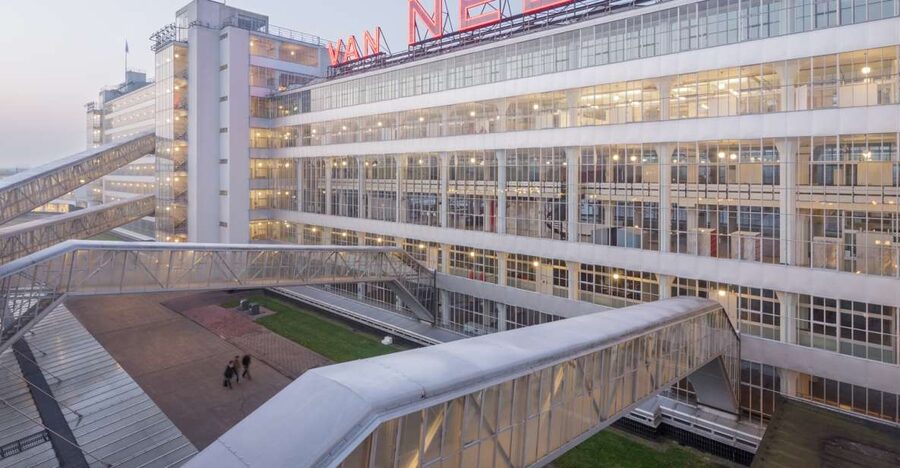
The Van Nelle Factory is not just an old industrial building. It is a 1930s vision of a better workplace, built around glass, air, light, and open space. This one-hour tour takes you inside and outside the former coffee, tea, and tobacco plant, then explains why UNESCO recognized it in 2014.
I like the clear focus on Modernist architecture and the chance to see a real production site rather than a polished historic house. I also like the added Chabot Museum ticket, which gives you a second Rotterdam art stop on the same day. The catch is the short format: one hour can feel rushed, especially with a large group, and you see only a small part of the factory.
Key points to know before you go
- A UNESCO factory with a bold purpose: See how Van Nelle used glass, steel, air, and open floors to rethink industrial work.
- Coffee, tea, and tobacco shaped the site: The building grew from practical production needs, not from decoration alone.
- The tour lasts only one hour: You get a focused introduction, not a full exploration of every corner.
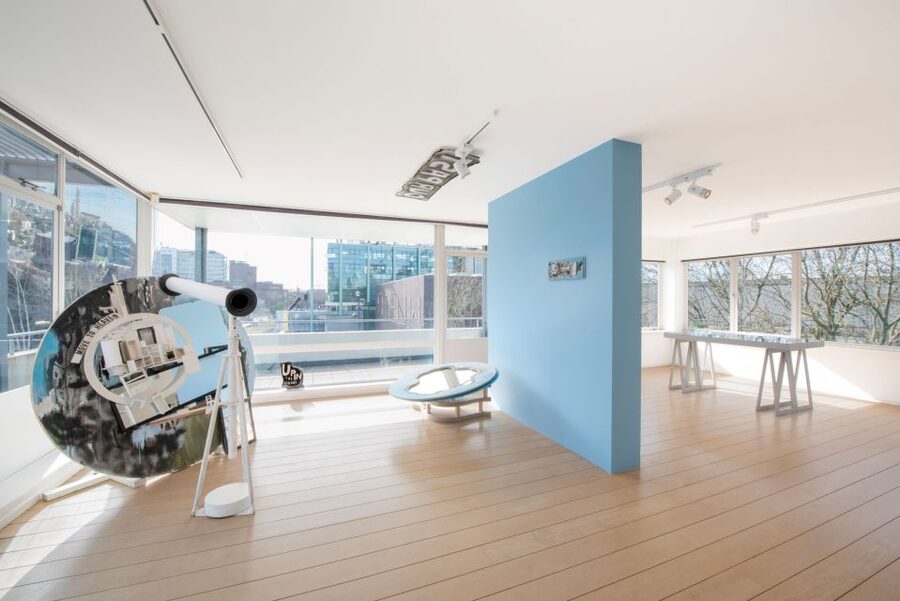
- The Chabot Museum is included: Visit this small museum of international Expressionism on the same day.
- The two sites are 4 km apart: Van Nelle Factory is in Rotterdam West, while Chabot Museum is in Museumpark.
- Dutch and English tours are available: A live guide leads the factory visit.
Why Van Nelle Factory matters
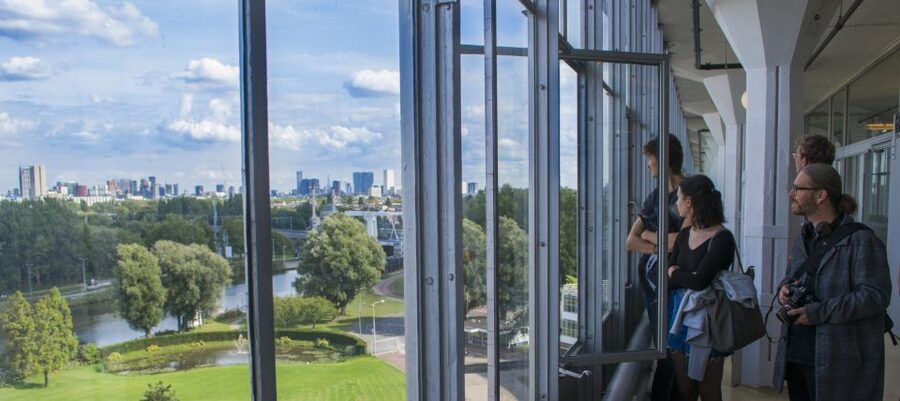
Rotterdam is famous for rebuilding and looking ahead. Van Nelle Factory fits that character perfectly. Designed in the 1920s and completed in the early 1930s, it was made for modern industry, but it also presented a modern idea of daily life.
The factory processed coffee, tea, and tobacco. Those products needed large work floors, good circulation, and plenty of daylight. Instead of hiding the work behind heavy walls, the architects made the process visible through broad windows and long glass facades.
That design was practical, but it also carried a message. The factory suggested that clean air, sunlight, and decent working conditions belonged in industrial life. In the 1930s, this was part of a wider belief that architecture could help create a new society.
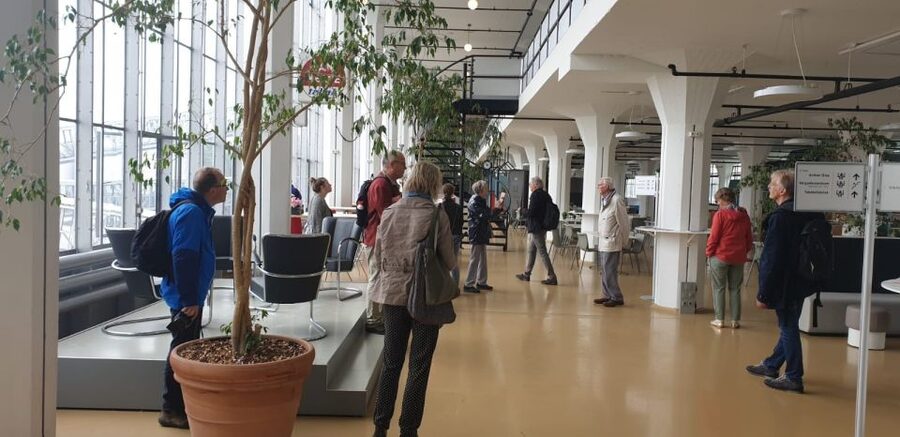
You can see that goal in the building’s open structure. The factory has a light, almost floating appearance, helped by its glass walls and slender supports. It does not look like the dark brick mills many people picture when they hear the word factory.
UNESCO added the Van Nelle Factory to its World Heritage list in 2014. The designation recognizes more than an attractive building. It honors the site as a major example of industrial Modernism and an important step in the development of 20th-century architecture.
A few more Rotterdam trips worth a look
- Rotterdam: Harbor Sightseeing Cruise
★ 4.3 · 7,599 reviews - Rotterdam: 1-Hour Sightseeing Splash Tour
★ 4.5 · 3,299 reviews - Rotterdam: Rotterdam Zoo Blijdorp Entry Ticket
★ 4.6 · 2,754 reviews
Meeting your guide at the porter’s lodge
Your tour begins at the Van Nelle Factory, at Van Nelleweg 1 in Rotterdam West. At the entrance to the site, go to the visitors reception in the porter’s lodge near the gate. Your guide waits there at the start of the tour.
This meeting point matters because the factory site is a working, large-scale complex rather than a small museum with one obvious front door. Give yourself enough time to reach the gate and find the reception area before the scheduled start.
The guide leads in Dutch or English. The one-hour visit is a walking tour, so wear shoes that are comfortable for moving through a large industrial building. Food and drinks are not included, and this is not a dining stop.
The tone is likely to be more architectural and historical than theatrical. You are there to understand the building, its purpose, and its change over time. The best part of the tour is the connection between the factory’s physical details and the ideas behind them.
Inside a factory built for light and air
The first thing to watch for is the way the building handles daylight. The Van Nelle Factory gave windows a major role, bringing light deep into spaces where workers once handled coffee, tea, and tobacco.
This was not simply a design flourish. Better light helped people work, while fresh air and open space supported the factory’s vision of a healthier workplace. The architecture made these ideas visible.
Your guide also explains how the production process shaped the building. The factory was designed around the movement of goods and workers, so its form came from use. As you walk, try to read the building as a machine for production rather than as a sculpture.
That approach makes the tour worthwhile even if you are not an architecture specialist. You do not need to know the difference between every Modernist style. You only need to notice how the building’s structure answers basic questions: How does light enter? How do materials move? How can a large factory feel open rather than oppressive?
The tour covers both the interior and exterior. Outside, you can better appreciate the long horizontal lines and glass surfaces. Inside, the scale becomes clearer, along with the relationship between the work areas and the building’s circulation.
The limited time is the main weakness here. A one-hour tour can introduce the factory’s design, but it cannot give you a full look at a complex site of this size. A large group can make the visit feel even faster, since people must stay together and stops may be brief.
A practical way to get more from the visit is to choose one theme before you enter. You might focus on workplace design, the production of coffee and tea, or the role of Modernism in the 1930s. A simple question in mind helps the details stick.
What the 1930s vision tells you
The Van Nelle Factory offers a useful lesson in the difference between old and historic. Its importance is not based on age alone. The building is valuable because it captured a particular moment when architects believed design could improve everyday life.
Air, light, and space were treated as tools for progress. That may sound ordinary now, but placing these qualities at the heart of a major factory was a strong statement at the time.
Your guide brings together the building’s architecture, production history, and later transformation. This helps prevent the tour from becoming a simple walk past windows and beams. You learn why those features were there and what they meant.
The site also shows how industrial buildings can outlive their original purpose. Its identity began with coffee, tea, and tobacco, but its architectural value continued after the production era changed. The tour explains this shift and the reasons the factory remains important.
I especially like this kind of visit for Rotterdam because it adds context to the city’s modern image. Rotterdam is not only about contemporary towers and rebuilt streets. Its modern character also comes from experiments like Van Nelle, where industry and architecture were planned together.
Same country, a completely different kind of day:
- Rotterdam: Euromast Lookout Tower Ticket
★ 4.4 · 2,549 reviews - Rotterdam: Pancake Cruise
★ 4.4 · 1,986 reviews - Rotterdam: Kinderdijk UNESCO World Heritage Entry Ticket
★ 4.6 · 1,477 reviews - Rotterdam: Harbor Cruise with Live Guide
★ 4.0 · 1,270 reviews
The one-hour format: useful, but tight
At $23 per person, this is a reasonable buy if you want a guided introduction to a building that is not easy to understand from the outside. The guide gives you context that photographs and a casual walk around the site cannot provide.
The value drops if you expect a long architectural tour. You do not have several hours to explore every floor, study details at your own pace, or linger at each viewpoint. One hour is enough for orientation and explanation, but not full coverage.
The time limit becomes more noticeable in a large group. You may hear good information yet feel that the tour moves on before you have fully looked at a space. One recent assessment described the format as rushed and incomplete, and that is a fair concern to keep in mind.
Still, the price includes entrance to the factory and the Chabot Museum. That second ticket improves the overall value, especially if you already plan to visit Museumpark. The factory tour alone is best viewed as a concentrated introduction, while the museum entry gives you another cultural stop to build into your day.
If you have a strong interest in Modernist buildings, you may wish the tour were longer. If you simply want to understand why Van Nelle is important, the compact format may suit you.
Adding the Chabot Museum in Museumpark
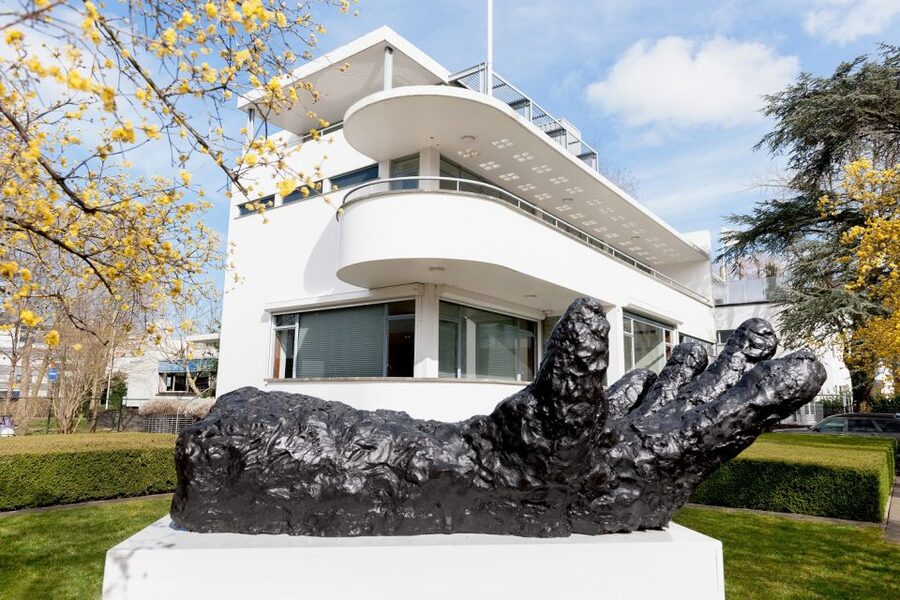
The ticket also includes entry to the Chabot Museum, a small museum devoted to international Expressionism. It is in Museumpark, in Rotterdam’s city centre, and it is not at the factory.
The two locations are about 4 km apart. Plan them as separate stops, not as one continuous visit. The museum ticket can be used on the same day at a moment that suits your schedule, which gives you room to visit it before or after the factory tour.
This flexibility is useful, but do not assume you can simply walk out of the factory and be at the museum in a few minutes. The distance is significant enough that you need to allow time between the two sites.
The Chabot Museum creates an interesting contrast with Van Nelle. At the factory, you study architecture built for production and movement. At the museum, you encounter Expressionist art in a more intimate setting. The combination broadens the day from industrial design to modern art.
I would not book the tour only for the Chabot Museum if your main goal is a major art collection. The information provided describes it as intimate, so the museum is best treated as a useful extra rather than the central reason to choose the factory tour.
If you are already visiting Museumpark, however, the included admission is a practical bonus. You can fit it around other plans in the city centre without needing to use the ticket at the same time as the factory visit.
Who will get the most from this tour
This experience suits you if you enjoy buildings, design, and the way architecture reflects social ideas. It is also a good pick if you want to see a less familiar side of Rotterdam beyond the usual city-centre sights.
You will get the most from it if you are curious about:
- Modernist architecture and 1930s design
- Industrial buildings with a cultural afterlife
- The history of coffee, tea, and tobacco production
- UNESCO sites connected to architecture rather than ancient monuments
- Rotterdam’s role in modern European design
- A short guided activity that fits into a larger city day
Families with older children may find the factory’s size and purpose more engaging than a traditional museum. Younger children may have less to hold their attention during the architectural explanation, especially if the group moves quickly.
This is less suitable if you want free time, photography stops, or a detailed look at every part of the complex. The guide controls the pace, and the short duration leaves little room for wandering.
The friendly guide is an important part of the experience. The strongest positive comments focus on the guide’s ability to make the factory interesting. That human explanation helps turn a large building into a story about work, technology, and social change.
Practical planning for Rotterdam
The factory is in Rotterdam West, while the Chabot Museum is in Museumpark in the city centre. Keep that separation in mind when arranging your day.
Meet at the visitors reception in the porter’s lodge near the gate. Do not head straight into the factory expecting to find the guide inside. The meeting point is at the entrance to the site.
Tours are available in Dutch and English. Check the starting time when you book, since the activity lasts one hour and the available departures can vary.
There is no food or drink included. Plan refreshments separately, especially if you are pairing the factory with the museum and other Rotterdam sights.
The booking terms are flexible: you can cancel up to 24 hours before the start for a full refund, and you can reserve now and pay later. Those terms help if your Rotterdam schedule depends on weather, transport, or another timed visit.
My verdict on the Van Nelle Factory tour
Book this if you want a concise, guided explanation of one of Rotterdam’s most important Modernist buildings. The factory’s use of glass, air, and open space makes it genuinely interesting, and the connection to coffee, tea, and tobacco gives the architecture a clear human purpose.
Go in with the right expectation. This is a one-hour introduction, not an exhaustive building visit. A large group or brisk pace may leave you wishing for more time, but the guide’s explanations and the included Chabot Museum admission help justify the $23 price.
I would choose it for architecture fans, design-minded visitors, and anyone looking for a Rotterdam stop with real historical substance. If you are already planning to visit Museumpark, the extra museum entry strengthens the deal. If you dislike short guided tours or prefer to explore at your own pace, you may find the format too tight.
FAQ
How long does the Van Nelle Factory tour last?
The guided tour lasts one hour.
Where does the tour begin?
Meet your guide at the Van Nelle Factory, Van Nelleweg 1, at the visitors reception in the porter’s lodge near the gate at the entrance to the site.
What languages are available?
The live guided tour is available in Dutch and English.
Is entry to the Chabot Museum included?
Yes. The ticket includes entry to the Chabot Museum for International Expressionism.
Are the Van Nelle Factory and Chabot Museum in the same place?
No. The Van Nelle Factory is in Rotterdam West, while the Chabot Museum is in Museumpark in the city centre. They are approximately 4 km apart.
Can I cancel or pay later?
You can cancel up to 24 hours in advance for a full refund. You can also reserve your place and pay later.
Just added around Rotterdam
- Discover Rotterdam: Classic Highlights Bike Tour by a Local★ 5.0 · 3 reviews
- Rotterdam: Capture the most Photogenic Spots with a Local★ 5.0 · 3 reviews
- Private tour: Markthal, Cube houses and Rooftop Het Witte Huis★ 4.5 · 3 reviews
- Private Transfer from Rotterdam Port to Amsterdam Airport (AMS)★ 5.0 · 3 reviews
- Rotterdam: 2.5-Hour Leckers Boat Cruise and Buffet★ 3.2 · 3 reviews
- Discover Rotterdam’s most Photogenic Spots with a Local★ 5.0 · 3 reviews
- Rotterdam: Wilhelminapier, High-rise & floating architecture★ 4.0 · 3 reviews
- Private Transfer from Rotterdam City to Amsterdam Schiphol Airport★ 5.0 · 4 reviews
Rotterdam Tours, compared.

Kinderdijk UNESCO World Heritage Entry Ticket
Read our review →
Browse the lists this tour appears in