
Reviewed · ROTTERDAM TOURS
Rotterdam: National Museum of Photography Entrance Ticket
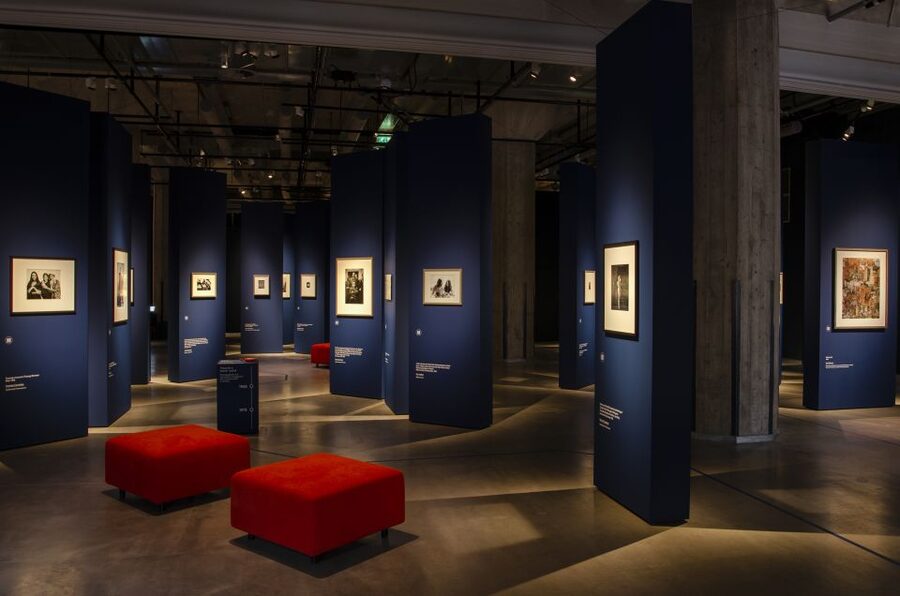
The most remarkable fact here is the scale: the Nederlands Fotomuseum safeguards more than 6 million photographs and objects from 175 Dutch photographic archives. You move from early experiments in 1842 to contemporary work, seeing not just attractive pictures but the changing way the Netherlands has recorded itself.
I like the 99 works in the Gallery of Honour, which give your visit a clear backbone, and I like the freedom of a self-guided day visit. You can take your time with a difficult image, skip a section, or return to a favorite exhibition. The main caution is language: some exhibition material may be only in Dutch or Turkish, so the English app does not guarantee that every caption or story will be translated.
Key points to know
- Six million photographic objects: Explore a national collection covering 180 years of Dutch photography.
- Ninety-nine landmark images: The Gallery of Honour gives you a focused route through major developments in Dutch photography.
- Five to seven changing exhibitions each year: Temporary displays keep the museum different from one visit to the next.
- Self-guided English or Dutch app: Download the application at the museum for added context and audio material.
- A serious look at preservation: Learn how photographs and 175 archives are protected for future generations.
- Flexible one-day admission: Spend a short visit on the highlights or give the changing exhibitions more time.
What the museum gives you in one visit
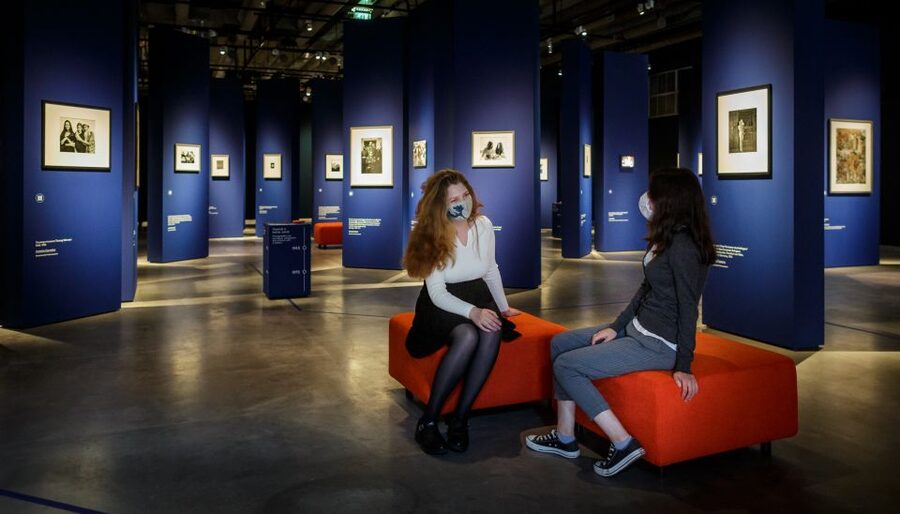
This is not simply a room of famous photographs. The Nederlands Fotomuseum presents photography as a record of Dutch life, a technical invention, an art form, and an archive that needs careful protection. That wider purpose gives the visit more weight than a quick display of pretty images.
You can expect permanent material in the Gallery of Honour alongside temporary exhibitions. The museum presents five to seven changing exhibitions each year, as well as two consecutive series, so the exact experience depends on what is on display when you arrive.
The ticket is valid for one day. That matters because you are not tied to a short timed route. You can focus on the permanent gallery, spend longer with a temporary show, or use the museum as one part of a day in Rotterdam.
A few more Rotterdam trips worth a look
- Kinderdijk Photography tour
★ 5.0 · 7 reviews - Rotterdam: Capture the most Photogenic Spots with a Local
★ 5.0 · 3 reviews - Discover Rotterdam’s most Photogenic Spots with a Local
★ 5.0 · 3 reviews
Start with the 99 works in the Gallery of Honour
The Gallery of Honour of Dutch Photography is the best place to get your bearings. Its 99 iconic works tell the story of photography in the Netherlands from 1842 to the present day.
The number is large enough to show change but limited enough to give the collection a shape. You see how photographers responded to new cameras, new printing methods, new subjects, and new ways of thinking about an image. The display moves from the invention of photography toward modern technological experiments.
I like this arrangement because it gives you context before you tackle the more open-ended exhibitions. You do not need to know the names of Dutch photographers in advance. The gallery provides a timeline of sorts, showing how photography shifted from a new technical process into documentary work, personal expression, social commentary, and experimental art.
Allow yourself time to look at the details. A famous image can be easy to pass in seconds, but the point of the gallery is to notice what changed between one period and another. Compare the subjects, the visual choices, and the role of the photographer. The experience works best when you treat the 99 works as a connected story rather than 99 separate pictures.
Follow 180 years of Dutch photographic life
The museum’s collection covers Dutch photography since 1842. That broad span lets you see more than individual artists. It also shows how the country and its people have been documented across generations.
The collection includes documented photographs, experimental work, contemporary images, archives, and millions of related objects. Some displays may feel immediately accessible, while others ask you to think about why a photograph was made and who it was meant to reach.
For history-minded visitors, this is one of the museum’s strongest features. Photographs preserve ordinary life as well as major events. They can record clothing, families, workplaces, streets, migration, celebrations, and changing ideas about identity. You might recognize a period through one small visual detail before you have read the accompanying explanation.
The museum also places its work in an international context. That is useful because Dutch photography did not develop in isolation. Technical changes and artistic ideas crossed borders, while photographers used the medium to address local subjects with wider meaning.
Give the temporary exhibitions your attention
The rotating exhibitions are likely to determine how much you enjoy the visit. The permanent Gallery of Honour offers a reliable foundation, but the temporary displays provide the museum’s changing point of view.
The program can include major Dutch photographers such as Ed van der Elsken and Johan van der Keuken. Their work is part of a larger photographic culture that includes documentary practice, personal observation, experimentation, and contemporary approaches.
Because five to seven exhibitions are presented each year, you should check the current program before booking if a particular artist or subject matters to you. The ticket includes the rotating exhibitions, but the exact displays are not fixed.
One exhibition may reward close reading of captions and background material. Another may be more visual and experimental. Do not assume that every room will feel like a conventional photo show. The museum presents the medium in several forms, and some work may challenge your idea of what a photograph should do.
A practical point: exhibition language can vary. One display focused on Turkish women who moved to the Netherlands had subtitles in Turkish or Dutch, without English translations. If you depend on English text for every story, this could limit your understanding. The English audio app may help with selected content, but it does not promise complete translation of every exhibition label.
More museums in Rotterdam:
- Maritime Museum Rotterdam
★ 3.5 · 73 reviews - Amsterdam: Van Gogh Museum Ticket
★ 4.7 · 52,054 reviews - Moco Museum Amsterdam Entrance Tickets with Banksy & More
★ 4.4 · 10,088 reviews - Amsterdam: The Upside Down Museum Entrance Ticket
★ 4.4 · 9,506 reviews
Use the app, but do not rely on it for everything
At the museum, download the application for the self-guided audio tour. The app is available in English and Dutch and is included when available, along with exhibition guides.
This is a good tool for turning a large collection into a more manageable visit. Six million objects can sound overwhelming. An app can point you toward selected works and explain why they matter, rather than leaving you to face an enormous amount of material without a route.
I would use it in stages. Begin with the Gallery of Honour and listen to the sections that interest you. Then move through a temporary exhibition at your own pace. If the app includes related information, return to it after you have looked at the photographs yourself.
The self-guided format has an advantage over a fixed tour. You are not required to keep up with a group, and you can spend more time on a photograph that catches your eye. The tradeoff is that you must manage your own visit. There is no named guide leading you from room to room, and the depth of your experience depends partly on how actively you use the app and exhibition guides.
The listed host languages are Dutch and English, while the audio guide is also available in Dutch and English. That makes the main visit accessible to English-speaking visitors, though individual exhibition text may differ.
Understand why the archives matter
The museum cares about preservation as much as display. It holds 175 archives of Dutch photographers and explains how the photographic heritage of the Netherlands is guarded and maintained.
That may sound technical, but it changes how you look at the images. A photograph is not only a finished print on a wall. It can be part of a larger archive with negatives, documents, different versions, and records of how the photographer worked.
The museum’s collection of more than six million objects also shows why preservation matters. Photographs are physical objects, and their survival depends on careful storage, cataloging, and attention to changing technology. Digital images create their own problems, while older photographic processes need their own form of care.
For you, the benefit is a better sense of what a national photo museum actually does. The public galleries show selected works, while the institution protects a much larger record behind the scenes. You see the result of that work through the permanent gallery and temporary displays.
This is especially worthwhile if you enjoy museums that explain their purpose, not just their contents. If you want only a fast gallery of famous pictures, the archival material may feel like more background than you need.
How long should you spend there?
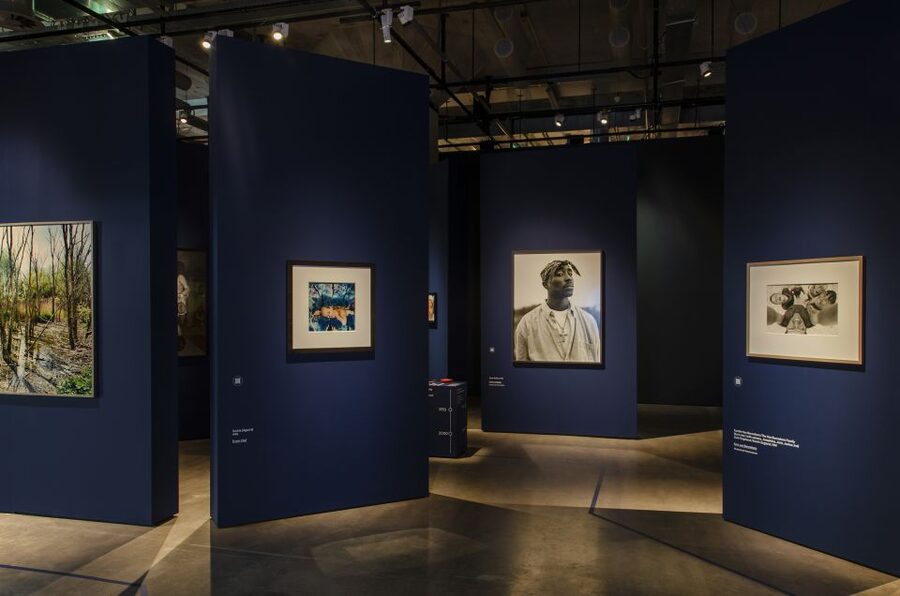
The ticket is valid for one day, but no fixed visit length is provided. Your timing should depend on how seriously you want to take the exhibitions.
A short visit can focus on the Gallery of Honour and a quick look at the temporary displays. This gives you the main chronological story and a sample of the current program.
A longer visit makes more sense if you enjoy reading captions, using the audio app, or thinking through experimental work. The six-million-object collection cannot be seen in full, of course. The point is to explore the selected displays and understand the scale of what the museum preserves.
The one-day validity gives you flexibility, but it does not mean you need to spend an entire day inside. Photography museums can become visually demanding after a while, especially when the exhibitions include serious documentary material or abstract experiments. Take the pressure off yourself. See the Gallery of Honour properly, then decide how much more you want.
Is the $18 ticket good value?
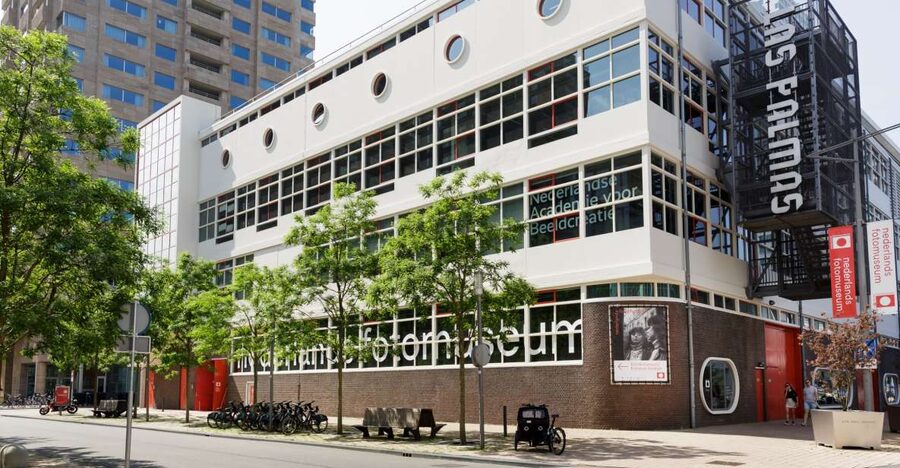
At $18 per person, the ticket is reasonably priced for a museum with permanent and temporary exhibitions included. The value is strongest if you care about Dutch photography, social history, archives, or the development of photographic technology.
You are paying for more than a single exhibition. The ticket includes the Gallery of Honour, rotating displays, and the app or exhibition guides when available. The one-day validity also lets you avoid rushing through the collection.
The value is less certain if you expect every display to have English subtitles or if you only want a small number of famous photographs. One exhibition’s Turkish and Dutch-only subtitles show that language support can vary. Check the current exhibition information if full English interpretation is important to you.
The rating of 3.8 from 24 reviews suggests a mixed but generally moderate response. That fits the nature of the museum. It is a specialized cultural visit, and the experience will depend heavily on the current temporary exhibitions and your interest in photography.
Who will enjoy this most?
I would recommend the museum to several types of visitors:
- Photography enthusiasts who want both landmark images and experimental work.
- History buffs interested in how Dutch people and places have been recorded since 1842.
- Art museum visitors who prefer a mix of permanent and changing exhibitions.
- Visitors with flexible schedules who appreciate one-day admission and a self-guided format.
- Researchers and archive-minded visitors who want to understand how photographic heritage is preserved.
Families and casual sightseers may enjoy the museum too, but the experience is not described as an interactive attraction. Much of the value comes from looking closely, reading, and following the development of the medium.
If you speak English, you can use the English app and audio guide. Still, do not assume that every caption or subtitle will be translated. That is the most important practical limitation to keep in mind.
Accessibility and booking flexibility
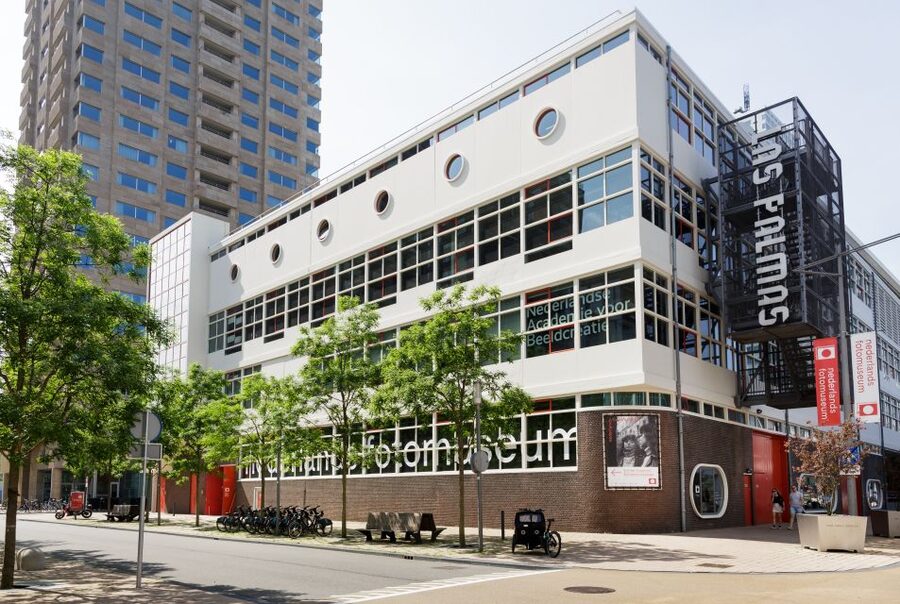
The museum is wheelchair accessible. The host and greeter languages are Dutch and English, and the audio guide is available in both languages.
The ticket is valid for one day, with starting times shown when you check availability. You can cancel up to 24 hours in advance for a full refund, and the reserve-now, pay-later option lets you keep your plans flexible. Food and drinks are not included, so plan those separately.
These details are small but useful. A flexible ticket suits a day when you are fitting the museum around other Rotterdam plans, while wheelchair accessibility removes one common concern for visitors checking practical access.
Should you book the National Museum of Photography?
Book it if you want a serious look at Dutch photography, especially if the Gallery of Honour and the current temporary exhibitions appeal to you. The combination of 99 landmark works, 180 years of photographic development, and a six-million-object collection gives the visit real substance.
Think twice if you need complete English translation or prefer a highly guided, fast-moving attraction. The app provides support, but this remains a self-guided museum, and some exhibition material may be in Dutch or Turkish only.
For $18, I see it as a solid choice for photography and history fans. Check the temporary program first, download the app when you arrive, and give the Gallery of Honour enough time to provide the framework for everything else.
FAQ
Where is the National Museum of Photography located?
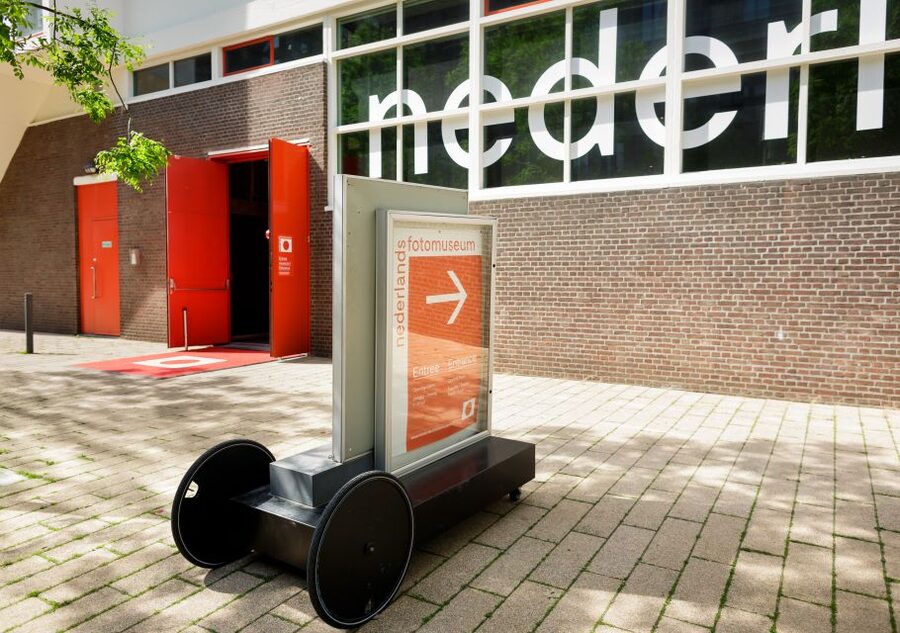
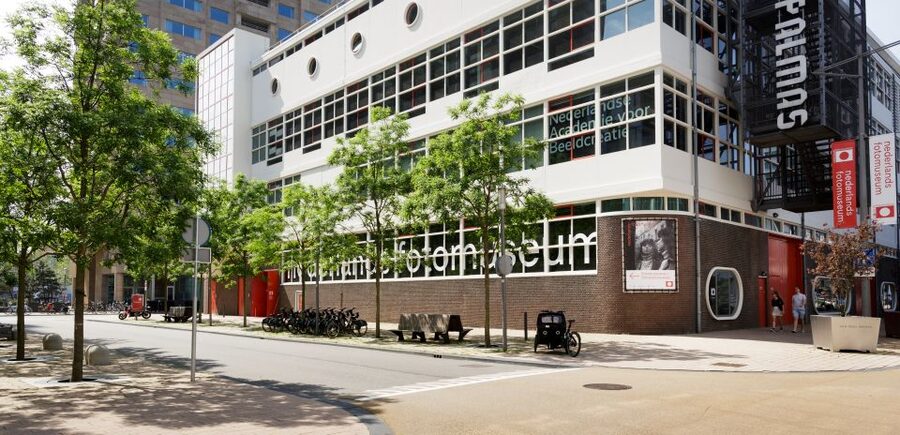
The museum is in Rotterdam, in South Holland, Netherlands.
How much does admission cost?
Admission costs $18 per person.
How long is the ticket valid?
The ticket is valid for one day. You should check availability for the available starting times.
What does the admission ticket include?
It includes entrance to the permanent Gallery of Honour and the rotating temporary exhibitions. The application and exhibition guides are included when available.
Is an audio guide available?
Yes. An audio guide is available in English and Dutch through the museum application.
What languages are supported at the museum?
The listed host or greeter languages are Dutch and English. The application and audio guide are also available in Dutch and English.
How many photographs and objects does the museum hold?
The museum preserves more than 6 million photographs and objects, along with 175 archives of Dutch photographers.
Is the museum wheelchair accessible?
Yes. The activity is wheelchair accessible.
Can I cancel my booking?
Yes. You can cancel up to 24 hours in advance for a full refund. A reserve-now, pay-later option is also available.
Just added around Rotterdam
- Discover Rotterdam: Classic Highlights Bike Tour by a Local★ 5.0 · 3 reviews
- Rotterdam: Capture the most Photogenic Spots with a Local★ 5.0 · 3 reviews
- Private tour: Markthal, Cube houses and Rooftop Het Witte Huis★ 4.5 · 3 reviews
- Private Transfer from Rotterdam Port to Amsterdam Airport (AMS)★ 5.0 · 3 reviews
- Rotterdam: 2.5-Hour Leckers Boat Cruise and Buffet★ 3.2 · 3 reviews
- Discover Rotterdam’s most Photogenic Spots with a Local★ 5.0 · 3 reviews
- Rotterdam: Wilhelminapier, High-rise & floating architecture★ 4.0 · 3 reviews
- Private Transfer from Rotterdam City to Amsterdam Schiphol Airport★ 5.0 · 4 reviews
Rotterdam Tours, compared.

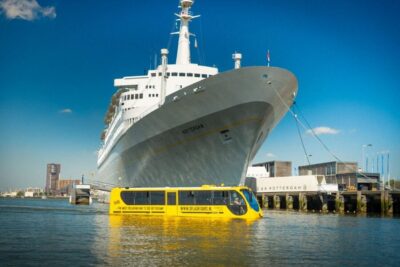

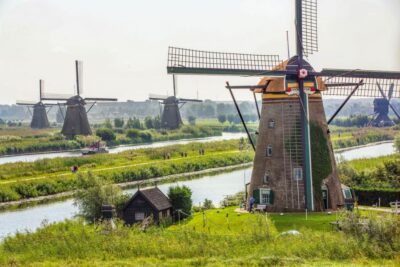
Kinderdijk UNESCO World Heritage Entry Ticket
Read our review →
Browse the lists this tour appears in