
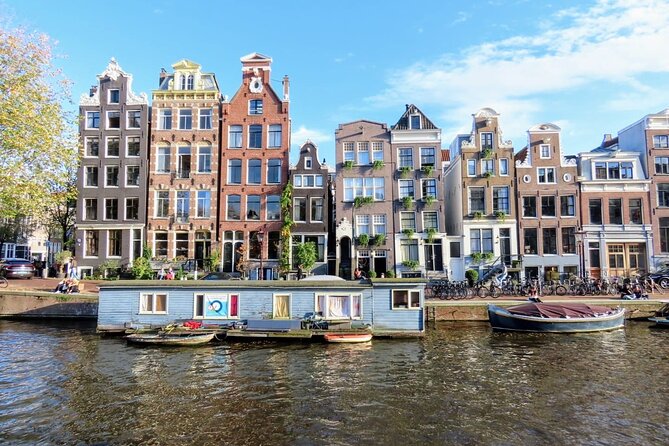
Reviewed · AMSTERDAM TOURS
Rembrandt & Van Gogh Amsterdam walking experience
Amsterdam’s art story feels more alive when you see the streets, bridges, and buildings behind the paintings. This two-hour walk connects Rembrandt, Van Gogh, Vermeer, and Frans Hals with real Amsterdam places, ending near Rembrandt Square and Waterloo Square.
I like the small-group limit of 15, which keeps the walk personal, and I like the way guide Manouk uses printed pictures to connect a place with the artwork it inspired. The main drawback is that the tour stays outdoors and moves at a steady pace, so it offers context rather than time inside a museum.
Key points to know before you book
- See Amsterdam through painters’ eyes: The route links old streets, canals, bridges, and city views with famous Dutch art.
- Guide Manouk adds a personal touch: She is prepared with art images, speaks clearly, and offers practical suggestions for lunch, a canal cruise, and apple tart.
- A useful first-day orientation: The walk begins near Amsterdam Centraal and ends in the center by the Blauwbrug.
- Best before the Rijksmuseum: The tour gives you names, places, and visual clues to keep in mind when you visit the museum.
- Small group, English only: The maximum is 15 people, and the tour is offered in English.
- Budget for the museum separately: Rijksmuseum admission is not included and is listed at €22.50 per person.
Why this Amsterdam art walk works
I like tours that explain not just what you are looking at, but why it matters. This walk takes that approach. Instead of treating Dutch art as a string of famous names, it places the artists in Amsterdam’s streets and shows how the city supplied subjects, patrons, views, and ideas.
The route lasts about two hours and includes nine stops. Most visits last 10 or 15 minutes, so you get a series of focused conversations rather than one long lecture. That rhythm suits Amsterdam well. You keep moving, see several parts of the old center, and still have time afterward for a museum or canal cruise.
The experience is especially useful if you are not an art specialist. One traveler described arriving without much art background and leaving with a fresh way to look at Amsterdam’s past. That is the right expectation here. You do not need to recognize every painting before you arrive.
The tour is also a good choice for art lovers who want more than museum labels. Manouk prepares images of the artworks, then uses them to show the link between painting and place. Her attention to clear, direct speaking was particularly helpful for one participant with hearing loss, so it is worth telling your guide about any communication needs before the walk begins.
More Walking Tours in Amsterdam
- Anne Frank’s Story – Guided Walking Tour through Amsterdam
★ 5.0 · 11,619 reviews - Amsterdam: Life of Anne Frank and World War II Walking Tour
★ 4.8 · 10,467 reviews - Absolutely Amsterdam – the Essential Introductory Walking Tour
★ 5.0 · 3,629 reviews
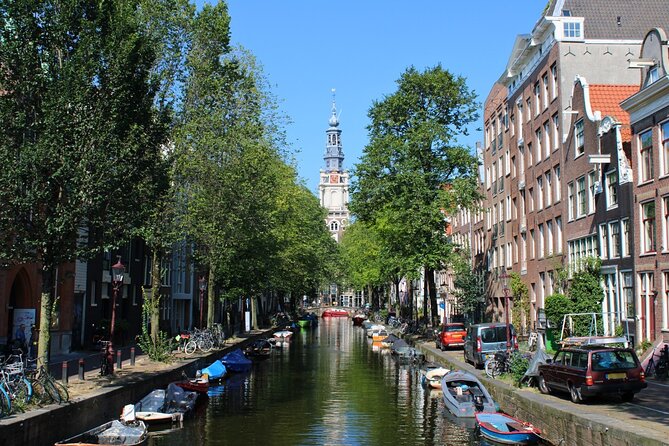
Starting near the Weeping Tower
The meeting point is at Prins Hendrikkade 95, in the central Amsterdam area near the main station. Your first stop is the Weeping Tower, where you consider the scenes that attracted famous painters and take in a broad city view.
You are given about 15 minutes here. That is enough for an introduction and photographs, but not for a long historical talk or a detailed sketching session. Bring your camera, since the tour makes a point of reaching attractive viewpoints rather than staying only on ordinary side streets.
This opening helps you get oriented. Amsterdam can feel confusing on a first visit, with canals, bridges, and narrow lanes bending away from the main roads. Starting near the station and moving into the older center gives you a useful mental map.
Nieuwmarkt and the city that painters saw
The next stop is Nieuwmarkt, another 15-minute pause. The focus remains on the scenes that caught painters’ attention, with time to look around and take photos.
Nieuwmarkt is a strong setting for this kind of walk because it gives you a sense of Amsterdam as a working city, not simply a museum backdrop. The route encourages you to notice architecture, open space, and the changing views between streets.
You should expect interpretation rather than entry into a landmark. Admission is free at this stop, and the value comes from the guide’s explanation of what to look for. If you prefer long visits at each site, the short stop may feel quick. If you like a moving tour with several different settings, it keeps the day lively.
Trippenhuis and the people behind the paintings
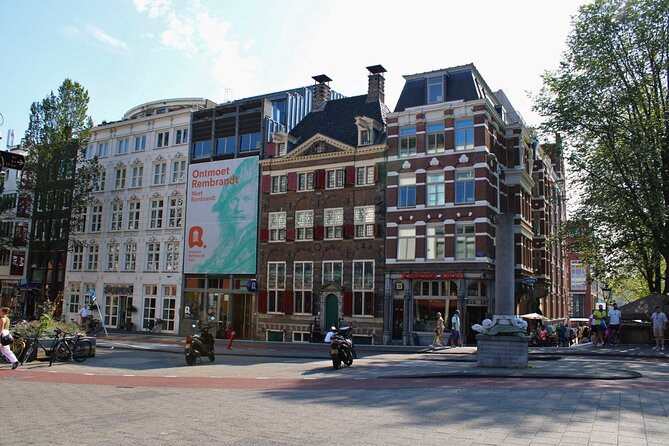
At Trippenhuis, the conversation turns to who Rembrandt painted there. The stop also connects with the history of the Rijksmuseum and the notable people associated with its halls.
This is one of the more useful parts of the route for anyone planning to visit the Rijksmuseum later. Museums can overwhelm you with rooms and names. A short outdoor introduction gives you a few anchors, so familiar artists and institutions have more meaning when you see them inside.
The stop lasts about 15 minutes. The experience does not include Rijksmuseum admission, which is listed separately at €22.50 per person. That separation is fair, since many people will already have museum tickets or may decide to visit on another day, but you should include the extra cost in your plans if the museum is part of your schedule.
More Van Gogh Museum tickets and tours:
- Amsterdam: Van Gogh Museum Ticket
★ 4.7 · 52,054 reviews - Amsterdam: Van Gogh Museum Ticket and City Canal Cruise
★ 4.6 · 3,899 reviews - Amsterdam: Van Gogh Museum Ticket & Canal Cruise
★ 4.5 · 3,304 reviews - Van Gogh Museum Amsterdam Exclusive Tour w/ Reserved Entry
★ 5.0 · 1,760 reviews
South Church and the Italian influence
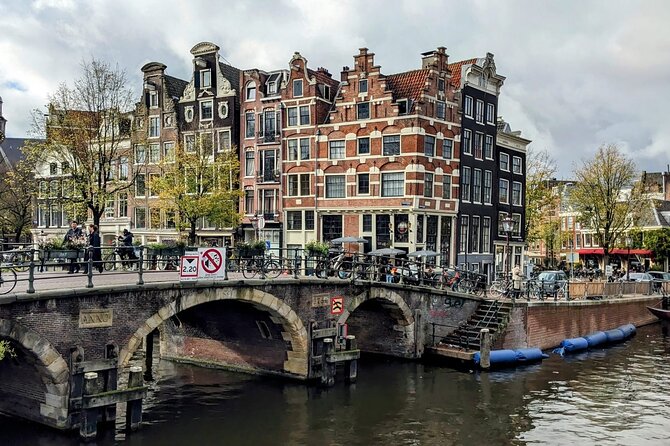
At South Church, the guide explains how Italy influenced 17th-century Dutch painting. You also learn about the technique that helped Dutch artists gain fame.
This adds welcome context. Dutch art is often presented as if it developed in isolation, but artistic ideas moved across Europe. A stop focused on outside influence helps you see Dutch painting as part of a wider exchange of styles and methods.
Again, the format is short and outdoors. You will not study a painting for half an hour, and you will not receive a full art-school lesson. Instead, you get a clear idea to carry with you into the Rijksmuseum.
Rembrandt’s former home and Amsterdam’s art market
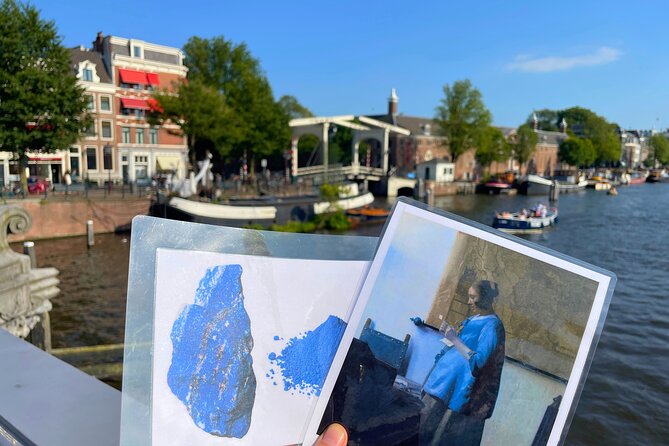
The route then reaches Museum Het Rembrandthuis, the former site of Rembrandt’s 17th-century home. The discussion shifts from the artist himself to the Dutch art market that helped support his success.
This is an important change of angle. Great artists do not work in a vacuum. Buyers, collectors, trade, and public interest all shape an artist’s career. By linking Rembrandt’s home with the rise of Amsterdam’s art market, the tour gives you a practical way to think about how his work found an audience.
The stop takes about 15 minutes. The admission ticket is free for this walking experience, but the information provided does not include entry to the museum house itself. If you want to tour the interior, check its admission details separately rather than assuming it is part of the walk.
Oudemanhuispoort and Vermeer
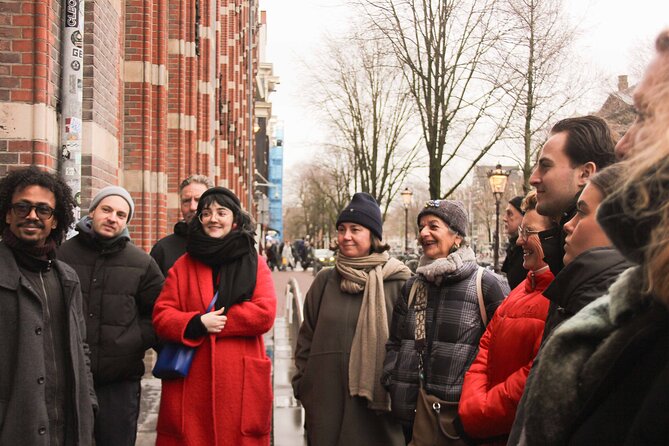
At Oudemanhuispoort, you turn to Johannes Vermeer and a famous collection now displayed at the Rijksmuseum. The stop lasts about 10 minutes.
For many people, this will be a useful bridge between the street walk and the museum visit. Vermeer’s paintings can seem quiet and self-contained, but the guide’s approach connects them with the wider Dutch art world and the collection where you can later see related works.
The timing is concise. You get a focused explanation, then move on. That makes the tour a good introduction, not a substitute for sitting with the paintings in a gallery. I would save notes about the artists and return to the Rijksmuseum with enough time to look at the works without rushing.
Staalstraat and Amsterdam’s working life
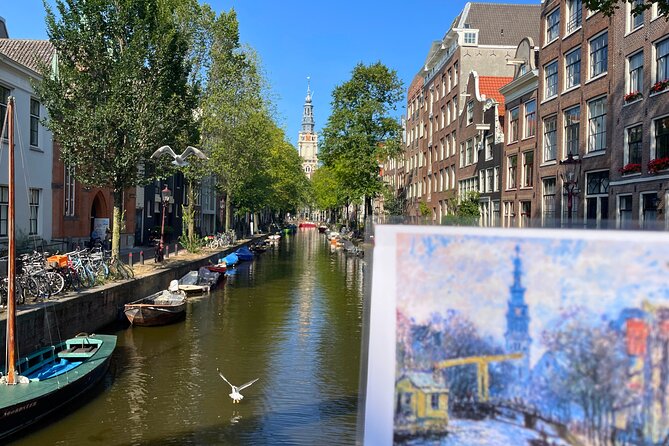
Staalstraat brings another change in subject. Here, you learn which French painter took inspiration from Dutch artistic giants and hear about one of Amsterdam’s important industries.
This stop shows that the walk is not only about statues, houses, and famous canvases. It also places art within the city’s commercial life. Amsterdam’s industries helped create the setting in which artists worked, patrons bought paintings, and ideas circulated.
The visit lasts about 10 minutes. Since the itinerary covers many artists and subjects in a short period, you may want to jot down names on your phone as you go. The mobile ticket makes booking easy, but the most useful souvenir may be a short list of artists to look up or find at the museum later.
Tivoli Doelen and the Frans Hals story
At the Tivoli Doelen Amsterdam Hotel, the guide explains the masterpiece linked with the former headquarters and the story behind the only painting Frans Hals created in Amsterdam.
This is the sort of detail that gives the walk its personality. A single work tied to a particular place can make an artist feel less abstract. Rather than hearing only that Frans Hals was an important painter, you get a specific Amsterdam connection to remember.
The stop lasts around 10 minutes. As with the other points, the emphasis is on the story and the setting outside, not on entering a gallery. The route works best for people who enjoy connections and anecdotes, especially when they are prepared with images of the art.
Blauwbrug and the final Amsterdam view
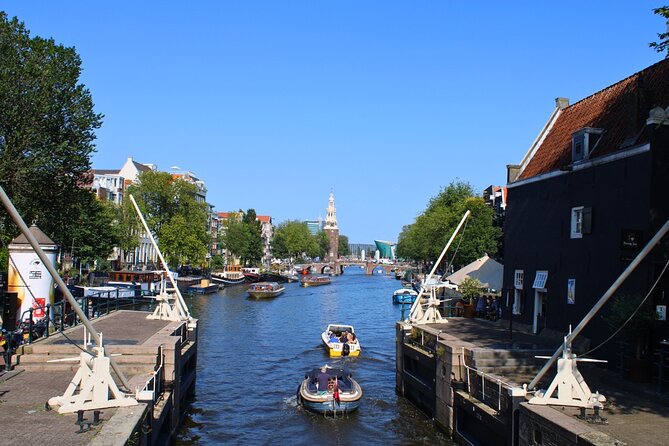
The final stop is the Blauwbrug, where the tour ends after another 10-minute visit. The guide discusses which painter worked here and points out one of Amsterdam’s striking views.
This is a convenient finish. You end in the center, between Rembrandt Square and Waterloo Square, rather than back at the starting point. From here, you can continue your day in central Amsterdam, plan a meal, or follow up on the museum suggestions Manouk gives at the end.
The final view also brings the walking experience back to its central idea: Amsterdam is not only where the paintings are displayed. Its bridges, water, streets, and buildings helped shape the way artists saw and recorded the city.
What the guide adds
The guide can make or break a short art walk, and Manouk’s approach sounds well suited to this format. She comes prepared with pictures of the artworks, which matters because many of the stops are outside and you may not be looking at the original paintings.
Her style also includes conversation. She takes an interest in the people on the walk rather than delivering a fixed speech and moving on. That personal exchange can make a small group feel more like a guided stroll with an informed local than a large procession.
Practical advice is part of the experience, too. At the end, Manouk has offered suggestions for lunch, a canal cruise, and the best apple tart. Those details are useful because the tour ends in a central area where you can easily continue exploring.
The tour is offered in English. The maximum group size is 15, which is small enough for questions and easier communication than a large coach tour. Service animals are allowed, public transportation is nearby, and most people can take part. Still, this is a walking experience, so comfortable shoes are a sensible choice.
Value, timing, and planning your day
The tour price is not provided here, so I cannot judge its exact value against the cost. The important comparison is what you receive: about two hours with a local guide, a nine-stop route, art images, city orientation, and preparation for a separate Rijksmuseum visit.
For an art lover, that can be worthwhile because it changes how you use your museum time. You arrive with a story about Rembrandt’s home, a clearer sense of Vermeer’s place in Dutch art, and several locations to connect with paintings. For someone who wants only an efficient route to major sights, the art focus may feel too specialized.
The walk is also a useful first activity in Amsterdam. It begins near Prins Hendrikkade and ends in the central area, so it helps you understand the old center before you tackle it alone. I would book it early in your stay if you want the guide’s suggestions to shape the rest of your visit.
Book with the weather in mind. The experience is built around outdoor stops and city views, and its appeal drops if you dislike walking in poor conditions. The operator offers free cancellation when you cancel at least 24 hours before the start time. Cancellations within 24 hours are not refunded, and changes in that period are not accepted.
Who should choose this walk
I would choose this tour if you want art explained in plain language and connected to actual places. It suits first-time visitors, couples, families with an interest in painting, and anyone planning to visit the Rijksmuseum but wanting a little preparation first.
You do not need to be an art expert. The walk also works if your main interest is Amsterdam itself and you simply want a more thoughtful route through the old center.
I would look elsewhere if you want extended museum time, a specialist lecture, or a tour devoted only to Van Gogh. Although Van Gogh appears in the tour title and the experience is aimed at art lovers, the route also gives substantial attention to Rembrandt, Vermeer, Frans Hals, Dutch art markets, Italian influence, and the city’s working life.
Should you book the Rembrandt and Van Gogh Amsterdam walk?
Book it if you want a friendly, small-group introduction to Dutch art before visiting the Rijksmuseum. The strongest reasons are the place-based storytelling, Manouk’s prepared art images, the central route, and the practical advice at the end.
Skip it if you prefer to explore at your own pace or want admission to museums included. You will spend about two hours outside, move through many subjects, and pay the Rijksmuseum’s €22.50 admission separately.
For most first-time visitors who like history, painting, and a good city walk, this is a smart early-Amsterdam activity. It gives you a sharper eye for the streets and a better reason to pause in front of the paintings later.
FAQ
How long does the Rembrandt and Van Gogh Amsterdam walking experience last?
The walk lasts approximately two hours.
Where does the tour start?
It starts at Prins Hendrikkade 95, 1012 AE Amsterdam, Netherlands.
Where does the tour end?
The tour ends at the Blauwbrug in central Amsterdam, between Rembrandt Square and Waterloo Square.
Is Rijksmuseum admission included?
No. Rijksmuseum admission is not included and is listed at €22.50 per person.
What language is the tour offered in?
The experience is offered in English.
How many people can join the tour?
The group has a maximum of 15 travelers.
Just added around Amsterdam
- Amsterdam: Giethoorn Tour with Canal Cruise and Windmills★ 5.0 · 3 reviews
- Full-day excursion to Edam, Volendam, and Marken★ 3.7 · 3 reviews
- Amsterdam: Chocolate Fondue in the Dark★ 5.0 · 3 reviews
- Amsterdam Old-West Vegan Food Tour with Local Guide★ 4.7 · 3 reviews
- Amsterdam Family Friendly Historical Walking Tour★ 5.0 · 3 reviews
- Amsterdam Private Walking Tour of Famous Painters★ 5.0 · 3 reviews
- From Amsterdam: visit Zaanse Schans, Muiderslot and more!★ 5.0 · 3 reviews
- Amsterdam Walking Tour with Dutch Pancake Lunch★ 5.0 · 3 reviews
Amsterdam Tours, compared.


Amsterdam Classic Saloon Boat Cruise with Drinks and Cheese
Read our review →
Amsterdam Luxury Canal Cruise + Unlimited Drinks & Bites option
Read our review →


Classic Boat Cruise with Optional Cheese & Wine
Read our review →
Evening Cruise with Optional Wine and Snacks
Read our review →
75 Minute City Canal Cruise with Audio Guide
Read our review →Browse the lists this tour appears in