
Reviewed · KEUKENHOF & TULIP TOURS
Brussels: Holland Keukenhof & Kinderdijk Guided Day Tour
The real treat here is seeing two very different sides of the Netherlands in one outing: Kinderdijk’s working water system and Keukenhof’s carefully arranged spring flowers. One explains how the Dutch kept their feet dry; the other turns tulips, daffodils, and hyacinths into a grand seasonal show.
I like the canal cruise and the chance to enter two furnished windmills, not just photograph them from a path. I also like the generous free time at Keukenhof, where you can leave the guide and follow your own nose. The catch is the distance: with about six hours on the road, this is a long day for anyone who dislikes coach travel.
Key points at a glance
- Two original windmills at Kinderdijk: Enter the narrow, creaking interiors and see how millers lived and worked.
- A canal view of all that engineering: The boat cruise gives you a calmer, more complete view of the windmill row.
- A 30-minute Keukenhof introduction: Your guide explains the park and points out what deserves your time.
- Nearly three hours among the flowers: You have enough time for gardens, pavilions, photographs, and a relaxed wander.
- A practical Brussels day trip: Central pickup, entry fees, transport, and the guide are included in the $192 price.
- Spring timing matters: Flower displays depend on the weather, so the number of blooms and open fields cannot be promised.
Why this Dutch double-header works
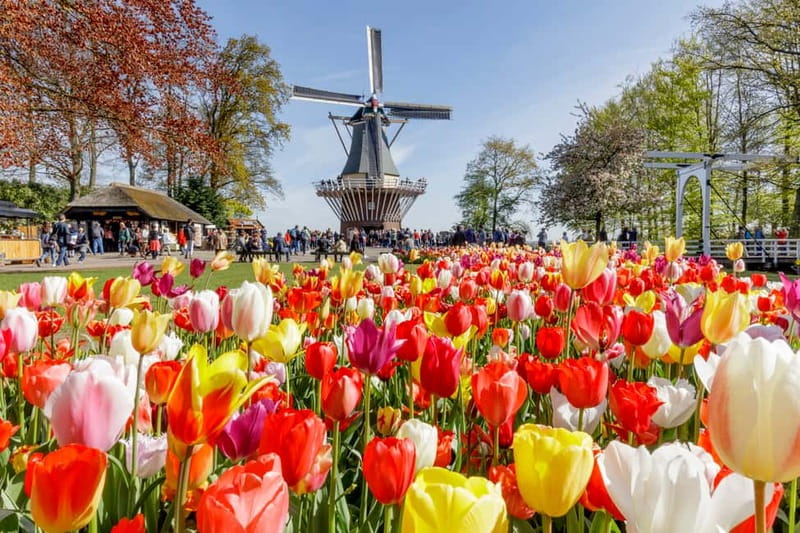
Kinderdijk and Keukenhof are popular for good reason, but they offer very different experiences. Kinderdijk is about survival and engineering. Keukenhof is about design, color, and the short Dutch bulb season.
I find that contrast useful. You are not spending the whole day looking at one type of attraction. At Kinderdijk, the scenery is broad and quiet, with canals, dikes, grass, and windmills. At Keukenhof, the paths lead through flower beds, themed gardens, trees, and exhibition pavilions.
The tour also saves you the trouble of arranging separate transport across the Belgian and Dutch borders. You meet near Brussels Central Station on Boulevard de Berlaimont, then settle into a single-deck coach. The practical value is strongest if you want both sites but do not want to handle trains, buses, timed garden entry, and local connections yourself.
The price is $192 per person. That is not a bargain-basement day trip, but it covers central Brussels pickup and return, transport, a multilingual English and Spanish guide, Kinderdijk admission, entry to two windmills, the canal cruise, and Keukenhof entry. If you paid for the main admissions and transport separately, the convenience would shrink the price gap.
Still, do not confuse convenience with speed. The day lasts 12 hours, but roughly half of it is spent on the coach. Traffic can change the schedule, and the route may include other pickup points along the way. I would book this for access and ease, not for a leisurely pace.
More Keukenhof and tulip field trips:
- Amsterdam: Keukenhof Ticket and Roundtrip Shuttle Transfer
★ 4.7 · 11,799 reviews - Amsterdam: Tour to Keukenhof Gardens with Windmill Cruise
★ 4.5 · 2,819 reviews - From Amsterdam: Keukenhof Gardens Ticket and Transfer
★ 4.5 · 2,741 reviews
The morning ride from Brussels
The meeting point is about a six-minute walk from Brussels Central Station. Look for the guide holding a sign with the tour company logo and the tour title. Google Maps is recommended for finding the exact spot, which is sensible in central Brussels, where a small wrong turn can cost you valuable minutes.
The first coach ride takes about two hours and 15 minutes. You pass from the Belgian capital into the Dutch countryside, and the change in character is part of the day. This is not a quick hop across town. Bring comfortable shoes, a camera, and something to occupy you during the longer road sections.
The guide speaks English and Spanish. On some departures, the commentary may be given in both languages, so explanations can take longer. Guides named Matteo, David, and James have led different departures, with Matteo and driver Bruno noted for a relaxed, detailed style, while David has been particularly energetic. You should not assume a specific guide, but the range of guide styles is worth knowing if you prefer either lively commentary or more quiet time on the road.
The vehicle is a single-deck bus. No group size is provided, so expect a standard coach outing rather than a private tour. The schedule can also be adjusted by traffic, especially on a 12-hour cross-border day.
Kinderdijk and the Dutch fight against water
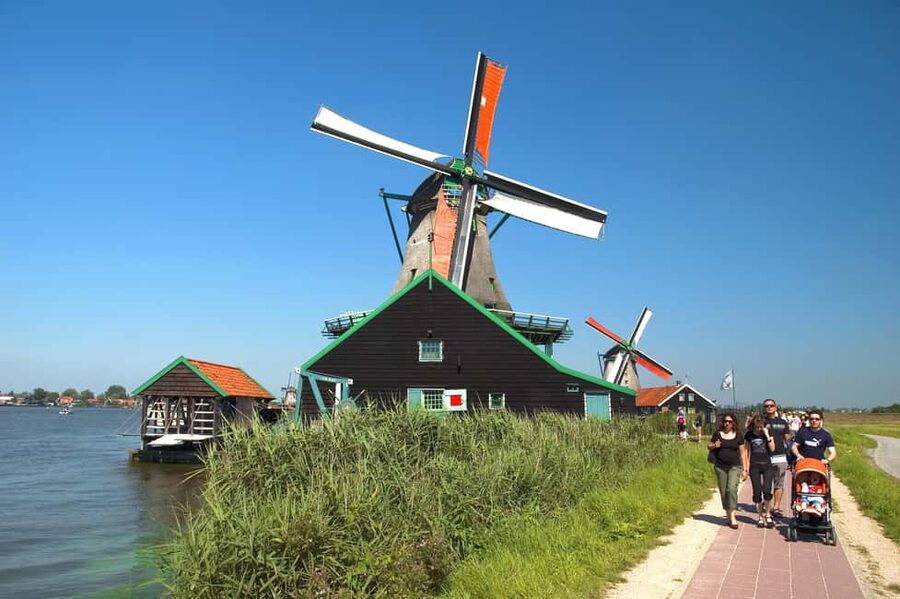
Kinderdijk gives you a clear look at the old Dutch answer to a basic problem: much of the country needed constant help to keep water out. The site contains 19 original windmills from the 18th century, positioned among dikes and canals.
These are not simply decorative structures left behind for photographs. The water management system remains part of a living process, supported by both traditional wind power and modern methods. That makes the visit more meaningful than a row of pretty buildings. You are looking at a place where engineering, work, and daily life still connect.
Your Kinderdijk visit lasts about two and a half hours. It includes free time, the canal cruise, entry to two windmills, and self-guided exploration with a multilingual audio guide. You can walk along the dikes and paths, then use the boat to see the site from water level.
The canal cruise is one of the strongest parts of the stop. From the bank, the windmills appear in a long line, but from the boat you get changing angles and reflections across the water. It is also a welcome pause after the morning ride. Keep your camera ready, but do not spend the entire cruise staring through the screen.
Inside two working windmills
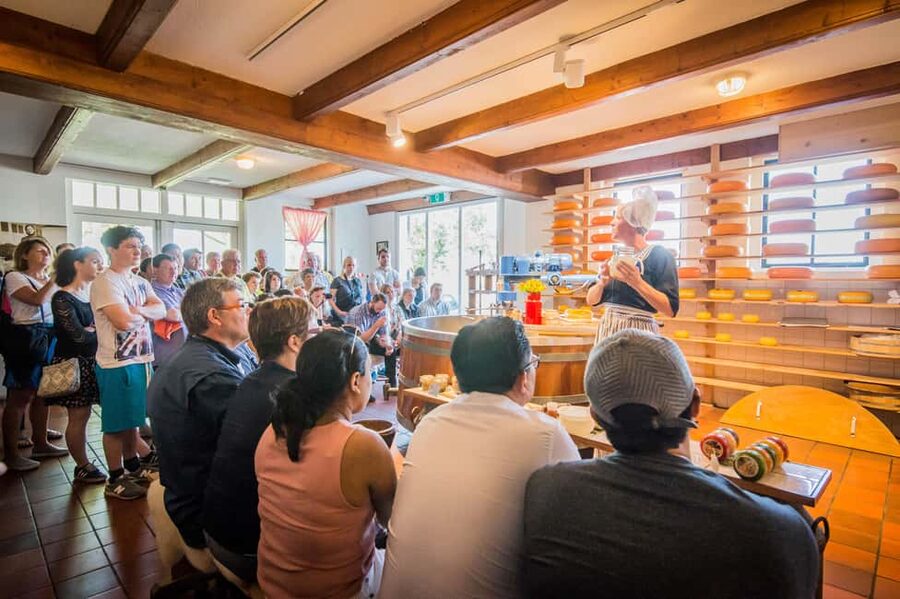
Entering the windmills adds the human story. You see the narrow stairs, wooden machinery, and furnished rooms where millers once lived and worked. The interiors are compact, and the stairways may be awkward for anyone with limited mobility.
This is where the audio guide earns its place. It provides background on the water system, the mills, and past daily life, allowing you to move at your own speed instead of waiting for a large group to gather. The Wisboom Pumping Station and visitor center add modern context, showing how older techniques fit into the wider history of water control.
I would give priority to the two windmills before wandering farther. The time sounds generous, but a boat ride, interiors, visitor center, and dike paths can quickly fill the visit. If you want the best photographs, the water and open paths provide more space than the tight rooms inside the mills.
Kinderdijk is not an open-air museum in the usual sense. It is still connected to water management today. That distinction matters. You are not just looking at an old village frozen in time. You are seeing an operating system that grew from centuries of work.
More Kinderdijk windmill trips:
- Rotterdam: Kinderdijk UNESCO World Heritage Entry Ticket
★ 4.6 · 1,477 reviews - Rotterdam: Waterbus Ticket to Dordrecht and/or Kinderdijk
★ 4.6 · 542 reviews - All-Inclusive Private Windmill Tour to Kinderdijk from Rotterdam
★ 4.5 · 59 reviews - Kinderdijk, The Hague, Mauritshuis Private Tour from Amsterdam
★ 4.5 · 44 reviews
The transfer to Keukenhof
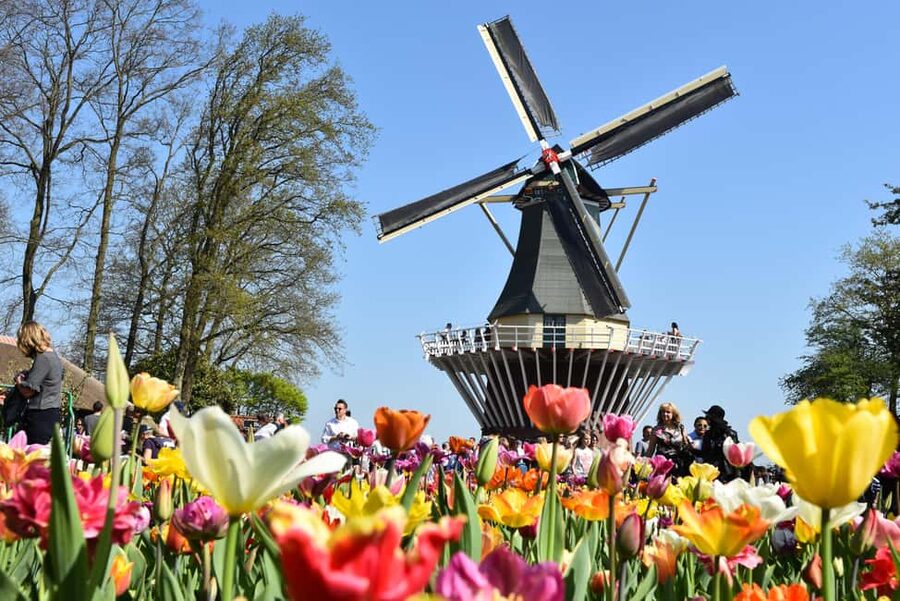
After Kinderdijk, the coach ride to Keukenhof takes about an hour and 30 minutes. This is a useful time to rest, because the afternoon involves considerable walking. Food and drinks are not included, so plan your budget around that before you leave Brussels.
Keukenhof is reached after the longer morning excursion, and the change is immediate. Kinderdijk asks you to look at the relationship between water and land. Keukenhof asks you to notice color combinations, planting patterns, garden themes, trees, paths, and pavilion displays.
The timing of the visit is important. Keukenhof is a seasonal park, and the number of open flowers depends on weather and natural growing conditions. Advanced growing methods help, but they cannot guarantee that every bed or surrounding field will be at its best on your date.
That is not a minor footnote. If your main reason for booking is a particular shade of tulip or a full view of nearby flower fields, you are taking a seasonal chance. The gardens themselves are the safer part of the plan, because the park contains many beds and indoor pavilions, but outdoor conditions can still vary.
Thirty minutes with the guide, then your own route
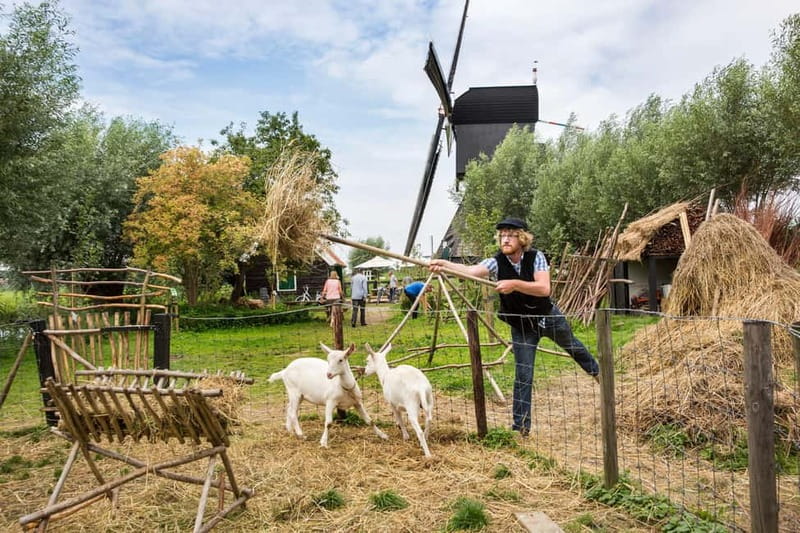
The Keukenhof visit begins with a 30-minute guided introduction. This is a good use of a guide because the park can feel overwhelming at first. You receive basic background, learn what to see, and get help understanding how the floral designs are arranged.
After that, you have about two hours and 45 minutes of free time. I like this setup. A guided walk gives you orientation without forcing you to spend the entire visit in a group. You can return to a favorite garden, slow down for photographs, or spend time inside the pavilions.
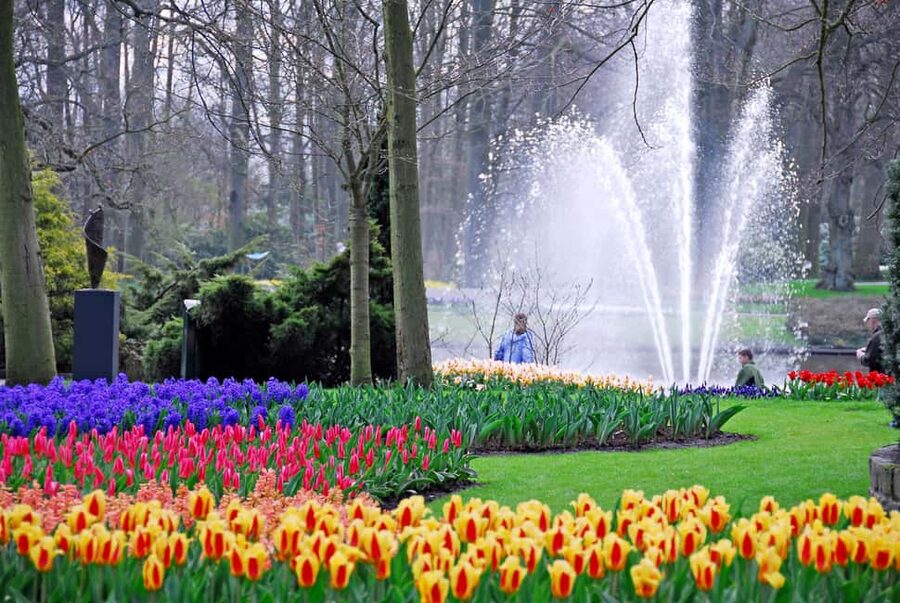
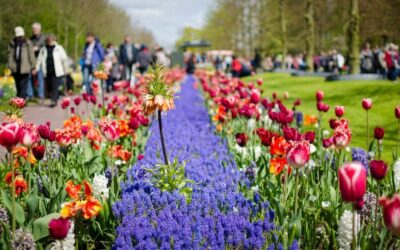
The park is often called the Garden of Europe, and the scale explains why. You are not viewing one formal bed and leaving. You have themed gardens, tree-lined paths, flower displays, and seasonal arrangements spread across a large setting. The experience is visual and easy to tailor to your energy level.
If you want photographs, allow time for both close views and wider scenes. The close views show the planting patterns and flower colors. The wider views give you the sense of how much work goes into arranging the park. Weather permitting, you may also see the surrounding flower fields, but those fields are not guaranteed to be in peak condition.
The main drawback is that Keukenhof can be tiring late in the day. You have already spent time walking at Kinderdijk, and the return drive takes about three hours. Wear shoes that can handle paths and uneven ground, and resist the urge to race through every pavilion.
The long ride back to Brussels
The final coach ride is scheduled for about three hours. By then, you will probably be ready for a quiet seat and a rest. One useful feature of a good guide is knowing when to stop talking. James, for example, has been noted for mixing informative explanations with quiet time on the bus, a balance I appreciate on a long day.
The return is to the same central Brussels meeting point. Times can shift because of traffic, and the tour may combine with other pickup locations along the route. Do not plan a tight evening reservation or an important train immediately after the stated return time.
This is a day trip built around two major stops, not a flexible independent outing. You accept the fixed schedule in exchange for covered admissions, direct transport, and a guide who handles the cross-border logistics.
Comfort, access, and what to bring
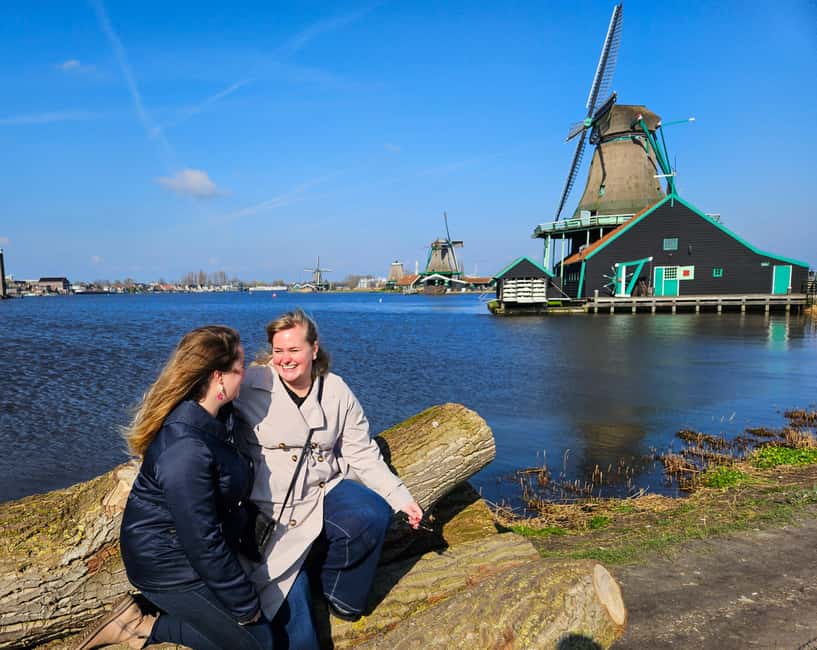
The tour is not suitable for wheelchair users or people with mobility impairments. The windmills have narrow stairways, and both sites involve walking. Even if you normally manage long walks, the combination of dikes, paths, garden routes, and a 12-hour schedule can be demanding.
Bring comfortable shoes and a camera. You should also carry a valid passport and any visa required to enter the Netherlands. The tour crosses an international border, so do not treat this as a domestic Brussels excursion.
Because meals and drinks are excluded, check the day’s food arrangements when you book and budget accordingly. No pets are allowed. Free cancellation is available up to 24 hours before departure, and you can reserve now and pay later if you want to keep your plans flexible.
Who gets the best value from this tour
I would choose this tour if you are staying in Brussels and want to see Keukenhof without changing hotels or arranging Dutch transport. It is also a strong fit if Kinderdijk matters to you, since the package includes the canal cruise and entry to two windmills rather than only an exterior photo stop.
You will get the most from it if you enjoy outdoor sights, photography, gardens, and cultural context. Couples, families with older children, and first-time visitors to the Netherlands can all find a good mix here, provided everyone is comfortable with a long coach day.
I would think twice if you want a slow visit, dislike long rides, or need a fully accessible route. I would also think twice if tulips are your only priority. A Keukenhof-focused trip would give you more time and less road travel, though it would not include Kinderdijk.
The strongest parts are the variety and the included access. The weakest part is the ratio of transport to time on site. About six hours of the 12-hour schedule involves coach travel, so the value depends on how much you want these two locations and how much you value having the details handled for you.
Should you book this Brussels to Keukenhof and Kinderdijk day trip?
Book it if you want the easiest way to combine Dutch windmills and spring flowers from Brussels, and you accept a very full day. The two windmill interiors, canal cruise, guided Keukenhof introduction, and long free period in the gardens give you more substance than a quick photo stop.
Skip it if you need a relaxed pace, wheelchair access, or complete control over your time. Also check the flower forecast close to your date, while remembering that weather cannot guarantee the exact display.
At $192, I see the tour as a convenience purchase with solid coverage of the main costs. You pay for the long-distance transport, admissions, guide, and a straightforward return to central Brussels. For one carefully planned spring day, that is a fair trade for many visitors.
FAQ
How long does the tour last?
The tour lasts 12 hours, including transport from central Brussels to the Netherlands and back.
Where does the tour start?
It starts on Boulevard de Berlaimont, about a six-minute walk from Brussels Central Station.
Where does the tour end?
The activity ends back at the same central Brussels meeting point.
What languages does the guide speak?
The live guide is available in English and Spanish. The tour may be operated in multiple languages.
What is included at Kinderdijk?
You receive entry to the UNESCO World Heritage site, access to two windmills, a canal cruise, and a multilingual audio guide.
How much time do you have at Kinderdijk?
The Kinderdijk portion lasts about two and a half hours, including free time, the boat cruise, and self-guided exploration.
How much time do you have at Keukenhof?
You receive a 30-minute guided introduction followed by about two hours and 45 minutes of free time.
Are food and drinks included?
No. Food and drinks are not included in the tour price.
Can wheelchair users join the tour?
No. The activity is not suitable for wheelchair users or people with mobility impairments.
Just added around Netherlands
- Amsterdam: Giethoorn Tour with Canal Cruise and Windmills★ 5.0 · 3 reviews
- Full-day excursion to Edam, Volendam, and Marken★ 3.7 · 3 reviews
- Amsterdam: Chocolate Fondue in the Dark★ 5.0 · 3 reviews
- Historical Leiden: Private Tour with Local Guide★ 5.0 · 3 reviews
- Amsterdam Family Friendly Historical Walking Tour★ 5.0 · 3 reviews
- Amsterdam Private Walking Tour of Famous Painters★ 5.0 · 3 reviews
- Amsterdam Old-West Vegan Food Tour with Local Guide★ 4.7 · 3 reviews
- From Amsterdam: visit Zaanse Schans, Muiderslot and more!★ 5.0 · 3 reviews
Keukenhof & Tulip Tours, compared.

Keukenhof Ticket and Roundtrip Shuttle Transfer
Read our review →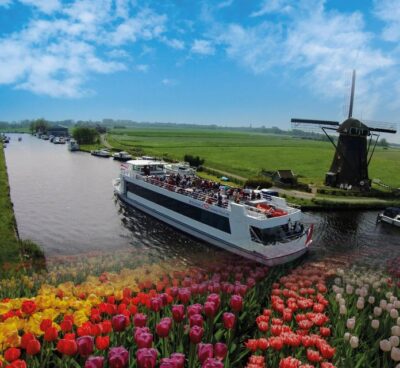
Tour to Keukenhof Gardens with Windmill Cruise
Read our review →
Day Tour Keukenhof and Zaanse Schans Windmills
Read our review →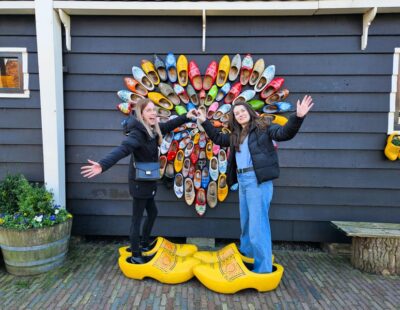
Keukenhof and Zaanse Schans Live Guided Day Tour
Read our review →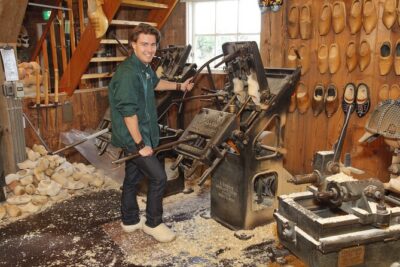
Keukenhof and Zaanse Schans Windmills Guided Day Trip
Read our review →
Go City Amsterdam Pass: 40+ Attractions including Keukenhof
Read our review →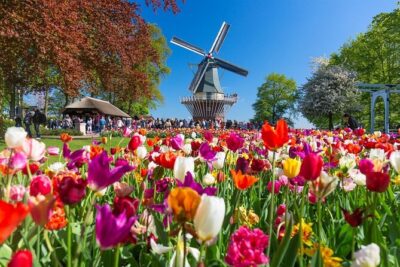
Keukenhof Entry & Shuttle Bus with Flexible Return
Read our review →Browse the lists this tour appears in