
Reviewed · AMSTERDAM TOURS
Amsterdam: Red Light District & City Tour (Private tour)
Amsterdam’s Red Light District makes more sense when you see it as part of the city’s older story, not as an isolated strip of nightlife. This private walk links Dam Square, the canalside old harbor, Chinatown, and Nieuwmarkt while tackling subjects many visitors hesitate to ask about, including window prostitution, coffee shops, and the district’s darker side.
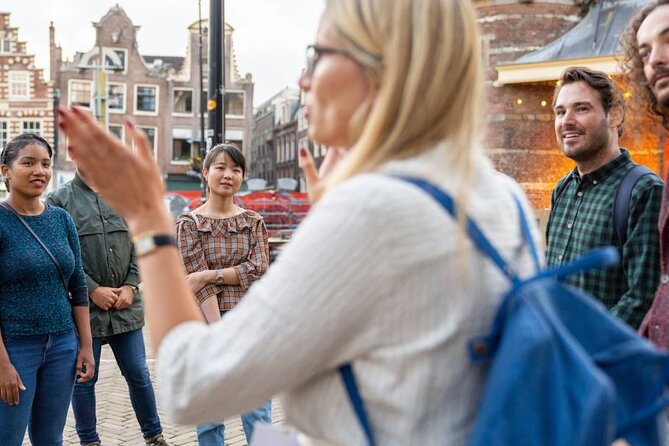
I like the private format, since your group can set the pace and ask direct questions without a crowd listening in. I also like the guide’s clear, informative approach, which gives the tour more weight than a quick stroll past red-lit windows. The main drawback is timing: two hours moves quickly, and a 5 p.m. start may show less of the district’s nighttime atmosphere than a later departure.
Key points at a glance
- Private walking tour for up to four people: The $264.35 price covers the group, so the value improves sharply when four people share it.
- A serious look at sex work: You can ask how window work is regulated, what is legal, and how the district affects the people who work there.
- Ten carefully chosen stops: The route connects Amsterdam’s royal center, trade past, oldest church, Chinatown, and coffee-shop culture.
- A guide-led visit to a 1970s peep show: This is an unusual detail that gives the tour a more direct look at the area’s adult-entertainment past.
- Useful orientation for the rest of your stay: You finish in Nieuwmarkt with personal tips, then can continue exploring on your own.
- Strong fit for curious adults and first-time visitors: The walk is best for people who want context, not just photographs.
Dam Square gives the tour its starting point
The tour begins at the National Monument on Dam Square, where Amsterdam’s story is framed by its civic and royal center. You spend about 10 minutes here, learning how the city began and why this square became such an important gathering place.
This is a smart starting point. It gives you a basic map of Amsterdam before the route turns toward the Red Light District. Dam Square can feel crowded and grand at first glance, but the guide helps connect the open square with the narrower streets and older buildings ahead.
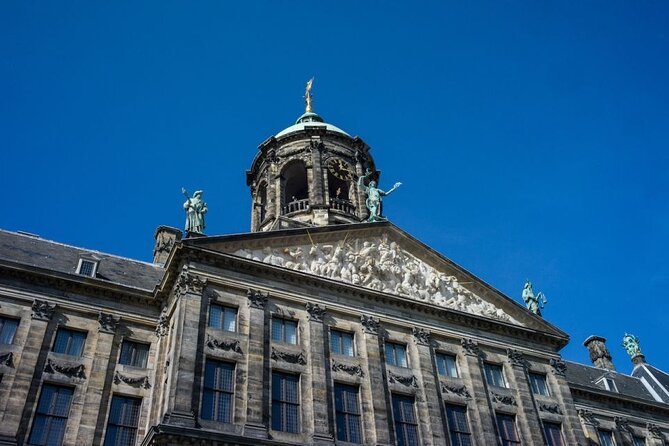
The tour then moves to the Royal Palace Amsterdam for another 10 minutes. You learn about the Dutch monarchy and its role today. The palace is an important counterpoint to the Red Light District because both places reflect different parts of Amsterdam’s public identity: formal power on one side, commerce and personal freedom on the other.
No admission tickets are included because the stops are handled as part of the walking route rather than as interior visits. If you want to tour the palace inside, you would need to arrange that separately. That keeps this experience focused, affordable, and compact, but it also means you should not book it expecting a palace tour.
More Red Light District walks:
- Amsterdam: Red Light Secrets Museum Entry Ticket
★ 4.2 · 5,722 reviews - Amsterdam: Red Light District Tour in German/English/Italian
★ 4.9 · 5,623 reviews - Amsterdam Red Light District & Coffee Shop Tour
★ 4.6 · 4,134 reviews
Oude Kerk explains the district’s oldest connection

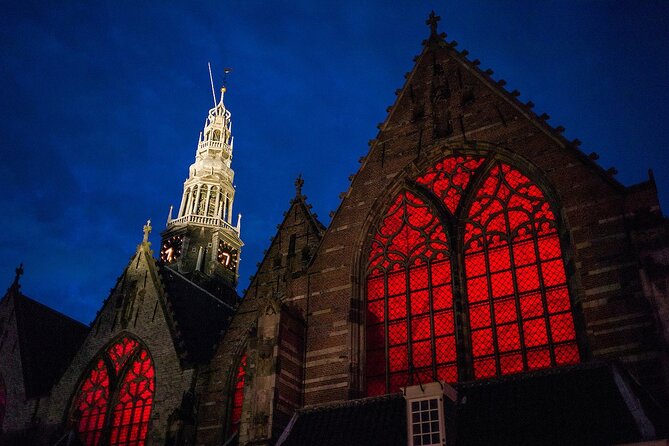
The walk reaches the Oude Kerk, Amsterdam’s oldest church, for about 15 minutes. Here the guide explains how the Red Light District developed around the church and the city’s early commercial life.
This is one of the most useful stops because it challenges the idea that the district appeared only as a modern tourist attraction. The church and the surrounding adult businesses exist side by side, creating one of Amsterdam’s most striking contrasts. You get a better sense of how religion, trade, sailors, lodging, and sex work became linked in the old city center.
The setting also calls for some care. This is an active neighborhood, not a theme park. You should expect to walk respectfully, avoid photographing people in windows, and listen to the guide’s explanation of local customs. The tour gives you context, but it does not turn the people working there into scenery.
Warmoesstraat adds the LGBTQ+ story
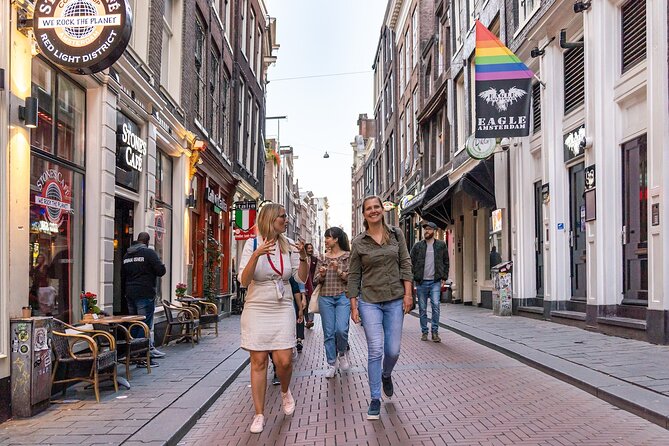
Warmoesstraat takes about 10 minutes and focuses on the LGBTQ+ side of the Red Light District. You pass some of Amsterdam’s well-known gay bars while learning how this part of the city fits into its wider social and cultural story.
This stop broadens the tour beyond the most familiar images of window prostitution. It shows that the area has long been connected with different forms of nightlife and sexual identity, not just one commercial system.
The route is especially useful if you want to understand how Amsterdam presents itself as a city with a liberal reputation while still dealing with regulation, tourism, and public debate. The guide can place the venues in context instead of leaving you with a simple list of bar names.
Beurs van Berlage recalls Amsterdam’s trading power
At Beurs van Berlage, the guide spends roughly 15 minutes explaining Amsterdam’s trade past and its rise during the Dutch Golden Age. This stop shifts the focus from nightlife to money, shipping, and the commercial forces that shaped the city.
The building helps explain why Amsterdam became one of the world’s wealthiest cities. You are not just hearing dates and royal names. You are seeing how markets and trade affected the streets you are walking through today.
I like this part because it stops the tour from becoming narrowly focused on sex work. The Red Light District is tied to the city’s old harbor and commercial center, so understanding Amsterdam’s business past makes the neighborhood easier to read.
A few more Amsterdam trips worth a look
- Amsterdam: Van Gogh Museum Ticket
★ 4.7 · 52,054 reviews - Amsterdam Classic Saloon Boat Cruise with Drinks and Cheese
★ 5.0 · 31,825 reviews - Amsterdam Luxury Canal Cruise + Unlimited Drinks & Bites option
★ 5.0 · 30,518 reviews - Amsterdam: Heineken Experience Ticket
★ 4.6 · 30,055 reviews
Damrak answers the questions most visitors have
The Damrak stop takes about 15 minutes and covers the old harbor area. This is where the guide addresses practical questions about sex work in Amsterdam, including whether it is legal, how the window system is regulated, and what different services cost.
The value here is directness. You can ask questions that may be difficult to raise on a large group tour. The guide is expected to explain the rules and costs, but the exact answers may depend on current policy and the specific service being discussed, so treat this as a chance to understand the system rather than a price list.
You also learn how the harbor helped shape the area. Amsterdam’s old waterfront brought in workers, merchants, and sailors, and that commercial traffic influenced the district’s development. The stop connects present-day tourism with the city’s older economic life.
One practical point matters: a two-hour tour cannot cover every legal, social, and political detail. The guide can give you a clear starting point and correct common misunderstandings, but you should see the tour as an introduction rather than a complete study of Dutch sex-work policy.
Amsterdam Centraal brings a critical view
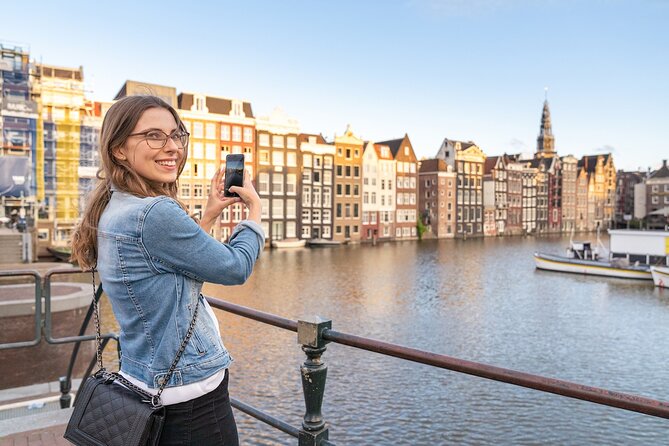
The route continues to Amsterdam Centraal for about 10 minutes. This is one of the more photogenic points on the walk, but the purpose is not only taking a picture.
Here you get a more critical look at the Red Light District, including the darker side of sex work and Amsterdam’s unusual position in the international tourist economy. The station is a fitting place for this discussion because so many people enter the city through it and head straight toward the district.
This stop can help you think beyond the postcard version of Amsterdam. Legal status does not remove every problem, and public acceptance does not mean every person involved has equal power or protection. The tour’s willingness to address those tensions is one of its strongest qualities.
Chinatown shows another Amsterdam
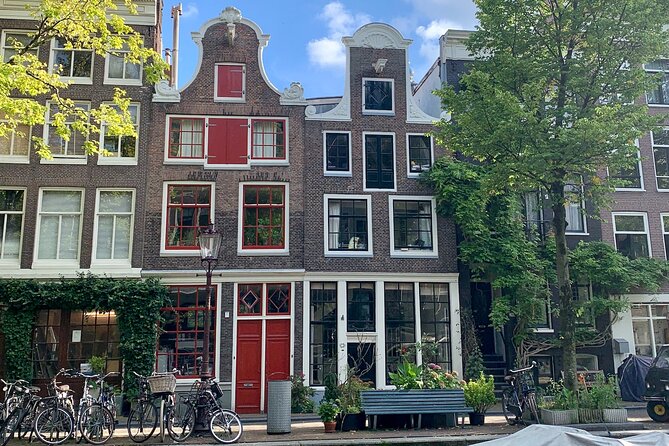
The walk through Chinatown lasts about 10 minutes. You learn about Amsterdam’s multicultural character while strolling through what is described as the oldest Chinatown in Europe.
This is a useful change of pace after the more sensitive discussions around sex work. Chinatown shows how the center has been shaped by different communities, food traditions, businesses, and migration patterns.
The stop is brief, so do not expect a full food or cultural tour. Instead, it gives you another lens for understanding the city center. Amsterdam is not one single story of canals, bicycles, and liberal nightlife. Its central neighborhoods have also been shaped by communities from outside the Netherlands.
Jolly Joker opens the coffee-shop debate
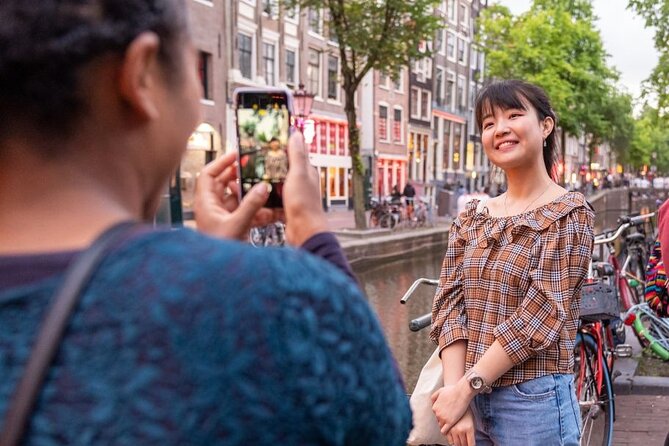
At Jolly Joker, the guide spends about 15 minutes on the history and politics of Amsterdam’s coffee shops. You learn how coffee-shop culture developed and how it relates to mass tourism today.
This subject is often misunderstood by first-time visitors. The guide can explain the political background and the difference between Amsterdam’s public image and the practical issues created by tourism. That makes the stop more useful than simply pointing out a coffee shop and moving on.
The discussion also fits the tour’s broader approach. You are encouraged to look at the Red Light District and coffee-shop scene with some distance. They are part of Amsterdam’s identity, but they are also commercial systems affected by crowds, visitor behavior, and city policy.
The stop is short, so ask your most important questions while you have the guide with you. The private format helps here because your group can focus on the points that matter most to you.
Nieuwmarkt finishes with the Waag and personal advice
The final stop is Nieuwmarkt, where you see the Waag, one of Amsterdam’s most important historic buildings. The tour allows about 10 minutes here before ending near Restaurant-Café In de Waag.
The Waag gives the walk a strong finish because it brings you back to Amsterdam’s civic and commercial past. By this point, you have seen the royal center, the old church, the harbor, Chinatown, and the adult-entertainment district. Nieuwmarkt helps tie those pieces together.
You also receive personal suggestions for making the most of your time in the Red Light District. This is where the private format has practical value. You can ask where to continue, how to behave respectfully, and which parts of the area suit your interests.
The description also allows for a visit to a 1970s peep show. That is an unusual inclusion and may appeal to you if you want a direct look at the district’s entertainment history. It will not suit everyone, so consider your group’s comfort level before booking.
After the official two-hour walk, you can continue through the district at your own pace. If you prefer to finish back at Dam Square, you may walk there with the guide after the tour.
What $264.35 means for a private group
The listed price is $264.35 per group of up to four people, with a €1.50 tourist tax included. For four people, that works out to about $66 per person. For two people, it is about $132 each, and for one person the price is much harder to justify.
That calculation is the key to judging value. A private guide, flexible conversation, and direct questions can be worthwhile for a group of friends or family members who want a focused introduction. The price is less attractive if you are alone, especially since the tour lasts only about two hours and does not include paid museum or palace admission.
You are paying for the guide’s time and the private setting, not for a long list of ticketed attractions. If you want to see Amsterdam’s major sights from the outside while learning how the Red Light District fits into the city, the cost can make sense. If you want palace access, church interiors, or a longer historical walk, you may need to add separate visits.
The tour is booked an average of 53 days ahead, so it is sensible to reserve early if your dates are fixed. Free cancellation is available up to 24 hours before the start time. Late cancellations and changes are not accepted, and a minimum number of participants is required for the experience to operate.
Timing, pace, and practical details
The experience lasts about two hours and is offered in English. It begins at the National Monument on Dam Square and ends at In de Waag in Nieuwmarkt.
The route is designed as a walking tour through central Amsterdam. Public transportation is nearby, and most people can participate. Service animals are allowed.
A 5 p.m. departure gives you a useful early-evening introduction, but it may not provide the full late-night character of the district. If seeing the area after dark is a major goal, consider the timing carefully. The guide’s personal tips and the option to continue alone afterward may help, but the official walk still finishes after roughly two hours.
The itinerary allows only 10 to 15 minutes at each stop. That is enough for orientation and conversation, but not enough for long visits inside buildings. Wear comfortable shoes, keep your group together, and save your more detailed questions for the stops most relevant to you.
Who will get the most from this walk?
I would recommend this experience to first-time visitors who want a clear introduction before exploring Amsterdam independently. It is also a good fit for couples or small groups who prefer private conversation over a large walking tour.
You will get the most from it if you are curious about how the city’s history, laws, nightlife, trade, and tourism overlap. The route does not simply celebrate Amsterdam’s permissive image. It also asks you to consider regulation, exploitation, mass tourism, and the difficult realities behind the district.
Families and mixed-age groups should think about the adult subject matter before booking. The route includes sex-work discussions, LGBTQ+ bars, coffee-shop politics, and a 1970s peep show. The supplied information does not set an age limit, so your group must decide if the content is appropriate.
This is not the best choice if your priority is museum entry, a long architectural tour, or an extensive visit inside the Royal Palace or Oude Kerk. It is a walking orientation with discussion, not a ticketed attraction package.
Should you book this Amsterdam Red Light District tour?
Book it if you want a private, question-friendly introduction to Amsterdam’s most controversial neighborhood and you are traveling with enough people to share the cost. The combination of Dam Square, the Royal Palace, Oude Kerk, Warmoesstraat, Damrak, Chinatown, and Nieuwmarkt gives you a wider view than a tour focused only on red-lit windows.
I especially like the balance between history and present-day issues. You learn about the city’s royal and trading past, then examine sex work, LGBTQ+ nightlife, coffee shops, and mass tourism without treating any of them as simple curiosities.
Skip it if you want a late-night experience, extensive interior visits, or the lowest possible per-person price. For a group of four, though, the cost is reasonable for a private two-hour walk with an informative guide and useful advice for the rest of your stay.
FAQ
How long does the Amsterdam Red Light District and City Tour last?
The tour lasts approximately two hours.
How many people can join the private tour?
The price covers a private group of up to four people. Only your group participates in the activity.
What language is the tour offered in?
The tour is offered in English.
Where does the tour start and finish?
It starts at the National Monument on Dam Square and ends at Restaurant-Café In de Waag in Nieuwmarkt. You may walk back to Dam Square with your guide after the tour if you wish.
Is the €1.50 tourist tax included?
Yes. The €1.50 tourist tax is included in the tour price.
Can I cancel for a full refund?
Yes, if you cancel at least 24 hours before the experience start time. Cancellations or changes made less than 24 hours in advance are not accepted for a refund.
Just added around Amsterdam
- Amsterdam: Giethoorn Tour with Canal Cruise and Windmills★ 5.0 · 3 reviews
- Full-day excursion to Edam, Volendam, and Marken★ 3.7 · 3 reviews
- Amsterdam: Chocolate Fondue in the Dark★ 5.0 · 3 reviews
- Amsterdam Old-West Vegan Food Tour with Local Guide★ 4.7 · 3 reviews
- Amsterdam Private Walking Tour of Famous Painters★ 5.0 · 3 reviews
- Amsterdam Family Friendly Historical Walking Tour★ 5.0 · 3 reviews
- From Amsterdam: visit Zaanse Schans, Muiderslot and more!★ 5.0 · 3 reviews
- Amsterdam Walking Tour with Dutch Pancake Lunch★ 5.0 · 3 reviews
Amsterdam Tours, compared.


Amsterdam Classic Saloon Boat Cruise with Drinks and Cheese
Read our review →
Amsterdam Luxury Canal Cruise + Unlimited Drinks & Bites option
Read our review →


Classic Boat Cruise with Optional Cheese & Wine
Read our review →
Evening Cruise with Optional Wine and Snacks
Read our review →
75 Minute City Canal Cruise with Audio Guide
Read our review →Browse the lists this tour appears in