
Reviewed · AMSTERDAM TOURS
Van Gogh & Rijksmuseum w/ Reserved Entry Exclusive Guided Tour
Amsterdam’s two great art museums make a powerful pair. At the Rijksmuseum, you meet Rembrandt, Vermeer, Dutch history, curious dollhouses, and a stunning old library. After a lunch break, the Van Gogh Museum follows with The Potato Eaters, The Bedroom, Sunflowers, self-portraits, and the painful story of Vincent’s life.
I like the reserved admission, which removes one major worry on a busy museum day. I also like the human touch of a dedicated guide, with guides such as Diana, Anna, Ewald, Hanneke, and Janet praised for clear stories and flexible pacing. The catch is simple: five and a half hours is a long art session, and the tour involves plenty of walking.
Key points at a glance
- Two major museums in one day: See the Rijksmuseum and Van Gogh Museum with one connected plan.
- Reserved entry included: Museum admission is part of the price, so you do not buy separate tickets.
- Private or semi-private choice: Pay more for a guide exclusively for your group, or choose the save option for a smaller shared format.
- A useful lunch pause: The break between museums gives you time to eat and reset before the Van Gogh collection.
- Art made easier to understand: Guides explain symbols, family stories, scandals, technique, and Dutch culture rather than simply naming paintings.
- A strong first-day choice: The tour gives you a broad introduction to Dutch art and helps you decide what deserves a second visit.
Why these two museums work so well together
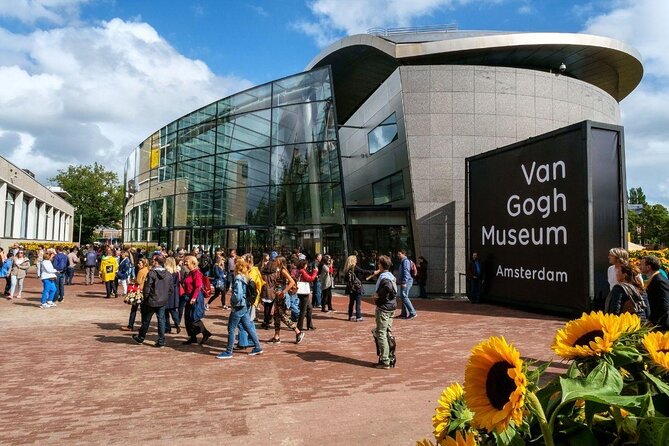
The Rijksmuseum and Van Gogh Museum sit in Amsterdam’s Museumplein area, making this pairing practical as well as artistically strong. You begin with centuries of Dutch art and culture, then move to one painter’s intense, closely documented career.
That order matters. The Rijksmuseum gives you a broad frame: the Dutch Republic, domestic life, trade, religion, civic pride, and the changing role of art. The Van Gogh Museum then narrows the focus to one man, his family, his work, and his struggle to find an artistic voice.
I like this structure because it prevents the day from becoming a random parade of famous names. You see how Dutch art developed, then watch Van Gogh respond to artists and traditions that came before him.
The tour begins at 10:00 am outside the Cobra Café on Hobbemastraat 18. It ends at the Van Gogh Museum on Museumplein. There is no hotel pickup or drop-off, so plan your own route to the meeting point. The area is near public transportation, and the starting café is also a useful landmark.
More Van Gogh Museum tickets and tours:
- Amsterdam: Van Gogh Museum Ticket
★ 4.7 · 52,054 reviews - Amsterdam: Van Gogh Museum Ticket and City Canal Cruise
★ 4.6 · 3,899 reviews - Amsterdam: Van Gogh Museum Ticket & Canal Cruise
★ 4.5 · 3,304 reviews
The Rijksmuseum in 2.5 focused hours
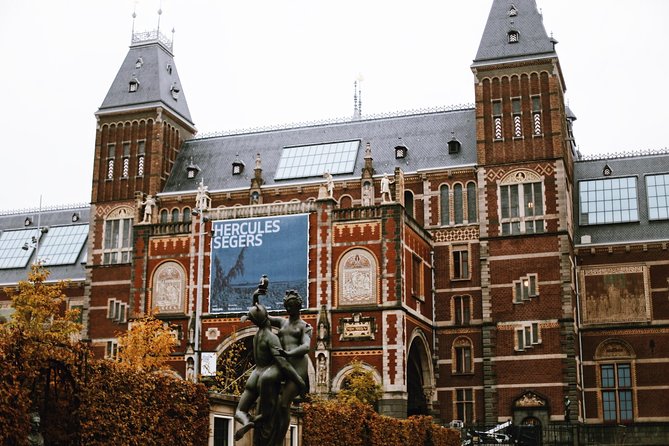
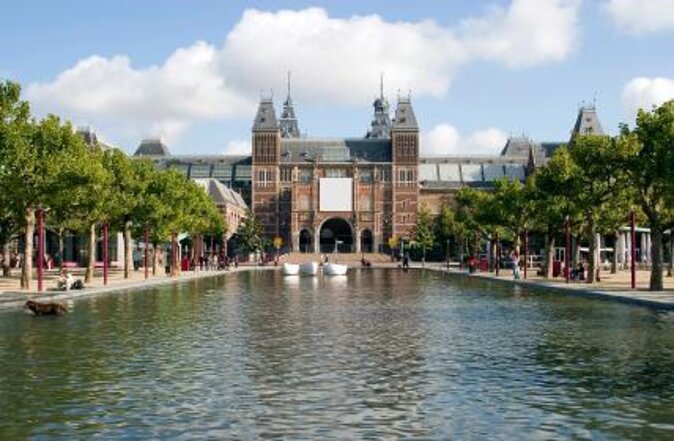
The Rijksmuseum is enormous, with about 8,000 objects on display. You cannot properly see everything in one visit, and you should not try. A good guide helps you spend your limited time on major works while adding smaller pieces that make the museum feel like more than a greatest-hits album.
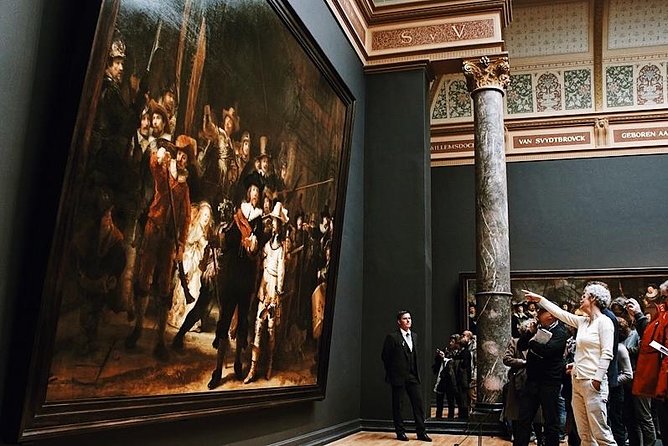
Rembrandt is a central figure here. His paintings reward time, but a guide can point out the visual choices that your eye might miss at first. You may learn how light directs attention, how a pose reveals status or personality, and how the details around a sitter tell a larger story.
Vermeer’s The Milkmaid offers a different kind of pleasure. Instead of grand events, you get a quiet domestic scene. A guide can help you read the objects, light, space, and mood without reducing the painting to a single easy answer.
The museum also contains works that are less famous but highly useful for understanding Dutch life. The 17th-century dollhouses are a good example. They are not simply charming miniatures. They offer clues about household ideals, wealth, order, and the way people imagined a well-run home.
Another highlight is the 19th-century library. It adds an architectural pause to the paintings and artifacts. You are not just looking at objects in cases, you are moving through a building shaped by the idea that art, books, and national memory belong together.
This is where a private guide can be especially helpful. Diana, Anna, Ewald, and other guides are described as combining art information with stories about artists and the objects around them. Janet is praised for answering questions and finding good viewing positions, while Anna is noted for explaining the meaning of small details in period paintings.
You should expect a steady walking pace. The tour is described as accessible in its private format, but a moderate level of physical fitness is advised. Museum galleries can also be tiring simply because there is so much to look at. Wear sensible shoes and avoid carrying anything you do not need.
The guide may use visual aids or earpieces. That matters in crowded galleries, where a soft voice can disappear quickly. Some rooms require quiet or limit speaking, so the guide will explain the rules before you enter.
Lunch between the museums
The schedule includes a break between the two museum visits. Lunch is not included, so budget separately for food and drinks.
This pause is more important than it may sound. After two and a half hours of paintings, sculpture, decorative art, and conversation, you need time to sit down. A café in the Museumplein area can make the transition easier, and the Cobra Café near the museums has been used by some groups as a convenient place to eat.
Do not treat the break as dead time. Use it to decide what you want from the Van Gogh Museum. If the first half left you full of questions about color, religious feeling, domestic life, or artistic change, bring those questions with you.
The lunch interval is described as about an hour in one account, but the overall experience lasts approximately 5.5 hours including the break. Exact pacing can vary with the group, museum conditions, and the guide’s approach. If you prefer slow meals, expect the day to feel tightly scheduled.
Meeting Vincent van Gogh at his own museum
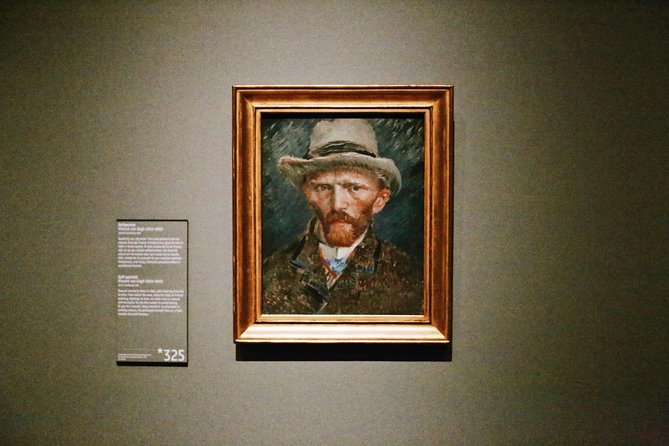
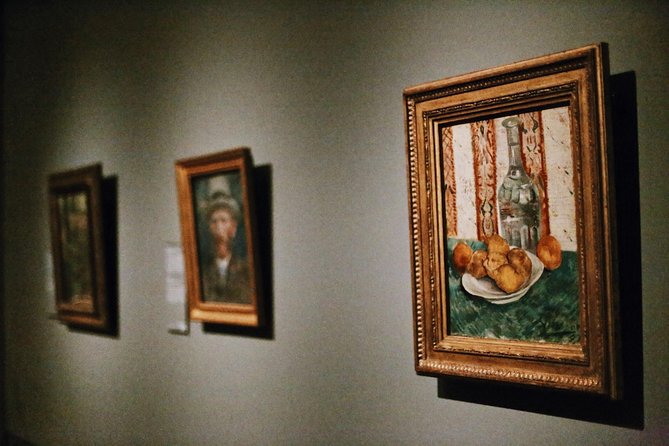
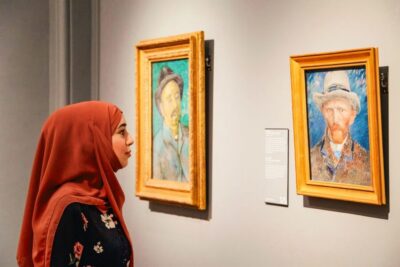
The Van Gogh Museum is not just a room filled with Sunflowers and self-portraits. Its strength is the way it follows Vincent’s development from his early work in Holland through his years in France.
The Potato Eaters is an important stop because it shows Van Gogh before the bright colors most people associate with him. The painting is dark, serious, and focused on working people. It helps you see that his interest in ordinary lives came before the later explosions of color.
The Bedroom offers another useful angle. It is familiar, but a guide can explain why the painting matters beyond its simple subject. You can look at the unusual perspective, the intense color, and Van Gogh’s attempt to create a feeling of rest and personal space.
The collection also includes objects from his studio. These give the paintings a physical connection to the artist’s working life. Instead of seeing only finished canvases, you get a sense of tools, materials, and the practical setting behind the work.
The museum holds the world’s largest collection of Van Gogh’s work. That makes a guide valuable, since the collection can easily become an overload of yellow, blue, faces, fields, flowers, and swirling brushwork. A strong guide gives the paintings a sequence and explains how one period leads to another.
You will also hear about Van Gogh’s troubled life, his relationships, his mental health, and the famous ear incident. The best approach is to treat those facts as part of the story, not as the whole story. His paintings deserve attention on their own, and the guide can help you connect biography to artistic decisions without turning the visit into a museum version of celebrity gossip.
Several guides receive especially warm praise for this portion. Diana is described as bringing passion and clear explanation to Van Gogh’s work. Anna is praised for stories and scandals that add context, while Hanneke is noted for making her enthusiasm for the artists obvious. These names come from past guide experiences, not a guarantee of who will lead your tour, so focus on the format rather than trying to secure a particular person.
More Rijksmuseum tickets:
- Amsterdam: Rijksmuseum Entry Ticket
★ 4.7 · 25,535 reviews - Amsterdam: City Canal Cruise and Rijksmuseum
★ 4.5 · 2,129 reviews - Rijksmuseum Amsterdam Small-Group Tour with Private Upgrade
★ 4.5 · 1,547 reviews - Amsterdam: Rijksmuseum Entry Ticket and Canal Cruise Combo
★ 4.3 · 1,276 reviews
What the guide adds that a ticket cannot
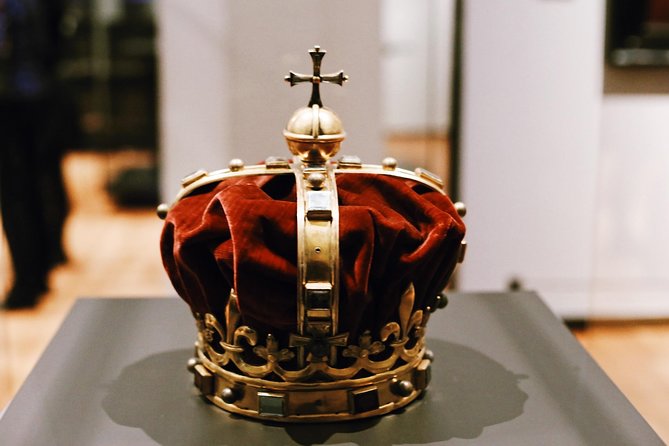
You can visit both museums independently, but the guide changes the way you use your time. Instead of wandering until you find a famous canvas, you move through a planned route with explanations tied to the objects in front of you.
I find the strongest benefit is context. A painting can be beautiful without explanation, but knowing why a gesture matters, what an object suggests, or how an artist’s work changed can turn a quick look into a lasting memory.
The guides also appear to adjust their approach. Romy is praised for going at the group’s pace, while other guides are described as giving breaks when needed. With children, that flexibility can make a real difference. One family found that children aged eight and ten stayed engaged through much of the day because the guides kept the material lively.
Small details matter here. A guide may point out symbols in a still life, explain a social custom, or connect a painting to a larger period in Dutch culture. Those links are hard to build when you are moving alone through a large museum with limited time.
The private option gives your group its own guide. That is the best fit if you want to ask many questions, set the pace, or shape the visit around a particular interest. The semi-private save option costs less, but the listed wheelchair-friendly feature does not apply to that format.
Is $288.55 a fair price?
At $288.55 per person, this is not a budget museum visit. The price makes sense only if you value saved planning time, reserved admission, and several hours of one-to-one or small-group interpretation.
Admission to both museums is included, which helps. You also avoid the risk of finding one museum sold out on the day you hoped to visit. One useful point is that Rijksmuseum tickets can be unavailable when you arrive, so advance planning has real value.
The private format is easier to justify for a group of family or friends, since the guide’s attention stays with your party. Solo visitors or couples on a tight budget may prefer the save, semi-private option, if available for their date.
Think of the cost as paying for three things: entry, organization, and interpretation. If you already know Dutch art well and enjoy planning your own route, you may not need all three. If you have only one full day for these museums, the price can be reasonable because the tour removes much of the guesswork.
Gratuities are not included. They are optional, so add them only if you feel the guide gave you a particularly useful or enjoyable day.
Practical details that affect the day
Bring your booking confirmation and make sure the operator has your mobile phone number, including the country code. This is required for communication about the meeting point or changes.
Do not arrive with a large suitcase or oversized bag. The museums allow handbags and small, thin backpacks through security, but large bags are not allowed inside. Appropriate dress is also required for entry at some sites on the tour.
Security checks may still create lines. Reserved entry saves you from buying tickets at the door, but it does not promise that every security queue disappears. Museum rooms can also close without warning, and collections may change during the year.
If a museum opening is delayed by more than one hour, an alternative is provided. The stated terms do not offer a refund or discount for these changes. That is worth knowing before you book, especially if your Amsterdam schedule is tightly packed.
The tour is offered in English. It is listed as wheelchair friendly in the private format, while that feature does not apply to the semi-private option. Ask for the private format if accessibility is important to your planning.
Who should book this museum day?
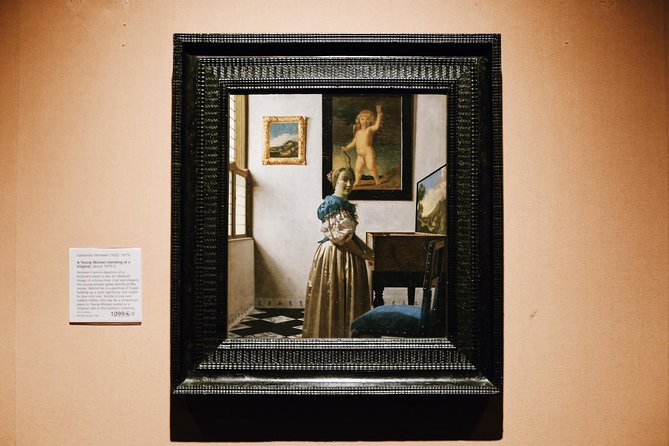
I would choose this for a first visit to Amsterdam when Dutch art and culture sit high on your list. It is also a good match if you want the major works explained rather than simply photographed.
Families can benefit from the storytelling, though the day is still long for younger children. The examples from families with children aged eight and ten are encouraging, but you know your own group’s attention span best.
Art lovers will appreciate the chance to connect Rembrandt, Vermeer, and Van Gogh in one day. People who are unsure about museums may also enjoy it, since the guide gives you a clear path and keeps the discussion tied to memorable details.
I would think twice if you dislike long museum visits, need a relaxed lunch, or prefer to linger silently with a few favorite works. In that case, split the museums over two days if your schedule allows. Several guides can cover the highlights without making you feel rushed, but five and a half hours is still a full outing.
Should you book the Van Gogh and Rijksmuseum tour?
Book it if you want two major museums made manageable in one day, with entry handled and an English-speaking guide connecting the art to Dutch culture and personal stories.
Choose the private version if your group wants its own pace, needs wheelchair access, or expects plenty of questions. Choose the lower-cost semi-private format if price matters more than exclusive attention.
Skip it if you prefer to explore alone or want several hours for one museum at a time. For most first-time visitors with limited time, though, this is a well-planned introduction to Amsterdam’s greatest art collections, with enough stories to make the paintings easier to remember after you leave.
FAQ
How long does the tour last?
The experience lasts approximately 5.5 hours, including a break between the two museum visits.
What time does the tour begin?
The scheduled start time is 10:00 am.
Where does the tour start?
The meeting point is Cobra Café, Hobbemastraat 18, 1071 ZB Amsterdam.
Where does the tour end?
The tour ends at the Van Gogh Museum, Museumplein 6, 1071 DJ Amsterdam.
Are museum admission fees included?
Yes. Entrance fees for both the Rijksmuseum and Van Gogh Museum are included in the tour price.
Is lunch included?
No. The tour includes a break for lunch, but you pay separately for food and drinks.
Can I cancel for a full refund?
Yes, if you cancel at least 24 hours before the experience start time. Cancellations or changes made less than 24 hours before the start are not accepted for a refund.
Just added around Amsterdam
- Amsterdam: Giethoorn Tour with Canal Cruise and Windmills★ 5.0 · 3 reviews
- Full-day excursion to Edam, Volendam, and Marken★ 3.7 · 3 reviews
- Amsterdam: Chocolate Fondue in the Dark★ 5.0 · 3 reviews
- Amsterdam Family Friendly Historical Walking Tour★ 5.0 · 3 reviews
- Amsterdam Private Walking Tour of Famous Painters★ 5.0 · 3 reviews
- Amsterdam Old-West Vegan Food Tour with Local Guide★ 4.7 · 3 reviews
- From Amsterdam: visit Zaanse Schans, Muiderslot and more!★ 5.0 · 3 reviews
- Amsterdam: Beer Tasting with Paired Bites at Eighty-Four★ 5.0 · 3 reviews
Amsterdam Tours, compared.
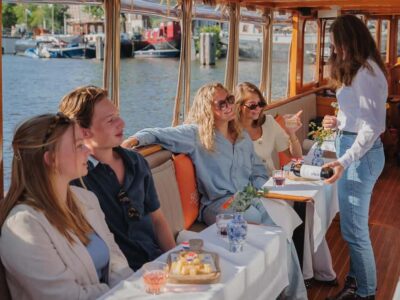
Amsterdam Classic Saloon Boat Cruise with Drinks and Cheese
Read our review →
Amsterdam Luxury Canal Cruise + Unlimited Drinks & Bites option
Read our review →
Classic Boat Cruise with Optional Cheese & Wine
Read our review →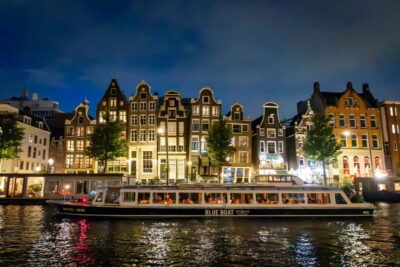
Evening Cruise with Optional Wine and Snacks
Read our review →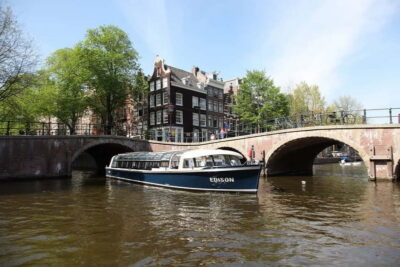
75 Minute City Canal Cruise with Audio Guide
Read our review →Browse the lists this tour appears in