
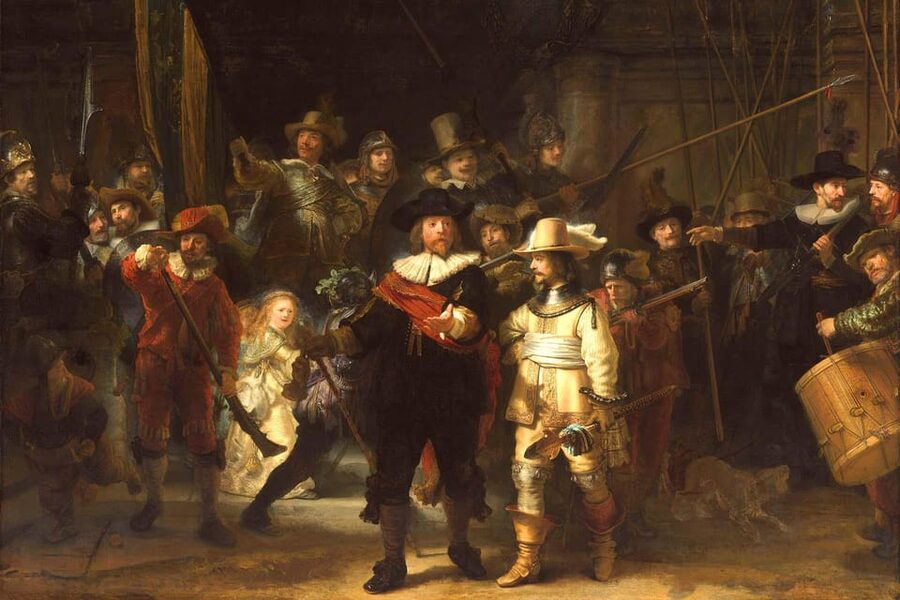
Reviewed · AMSTERDAM TOURS
The Rijksmuseum Tour: Small Guided Group with Museum Entry
The best thing about this Rijksmuseum tour is its clear story. Instead of wandering through a huge collection and collecting random names, you follow Dutch art from medieval hardship to independence, the Golden Age, the Enlightenment, and the later loss of Dutch power.
I like the small group of 10 or fewer, which should make it easier to hear the guide and ask questions. I also like that your entry ticket is included, so the two-hour visit can begin at the museum rather than at a ticket counter. The main consideration is time: two hours gives you a strong introduction, not a complete museum visit.
Key points to know before you book
- Rembrandt, Vermeer, and Van Gogh: See major Dutch names while learning how their work fits into wider European art.
- A history-led route: Follow Dutch society from the Black Death and medieval turmoil through independence and the Golden Age.
- Small English-speaking group: The tour is limited to 10 participants, with a live local guide.
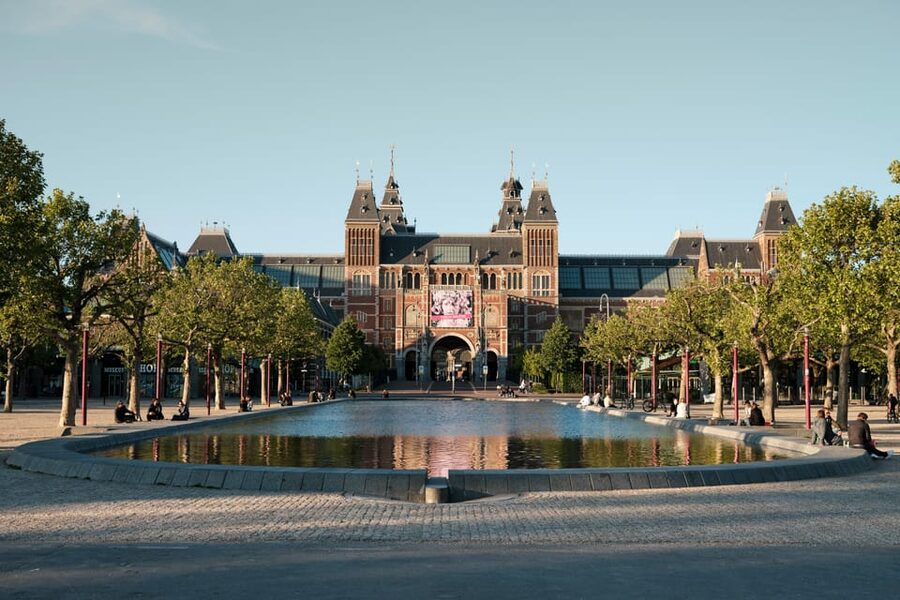
- Entry included: Meet outside at Paulus Potterstraat 1, then enter with the guide.
- A focused two-hour visit: Good for first-time visitors who want direction, but short for seeing the entire museum.
- Comfortable shoes matter: The experience is a walking tour through the Rijksmuseum, with no transportation included.
Why a guide helps inside the Rijksmuseum
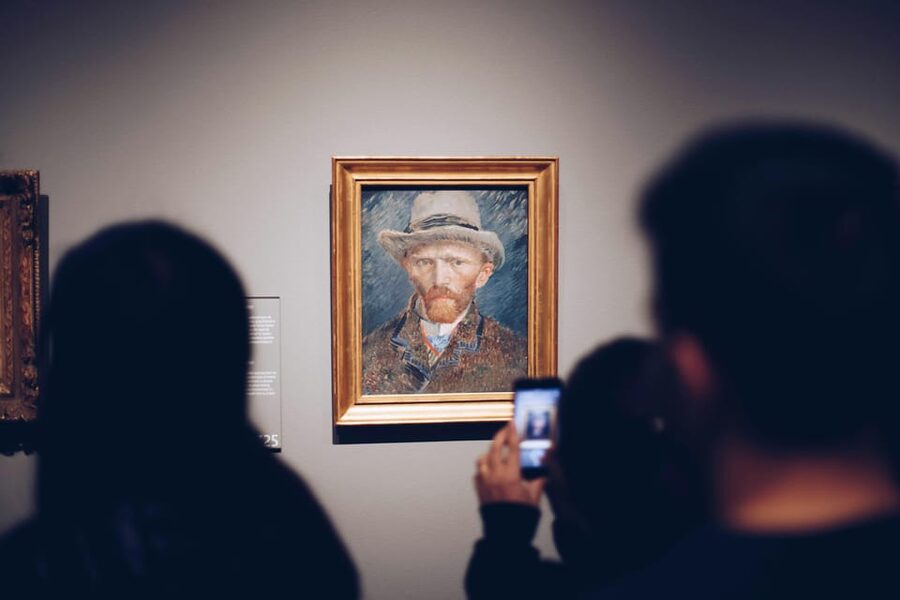
The Rijksmuseum is not a small, tidy collection that you can absorb in one quick pass. Its galleries cover centuries of Dutch art and history, and the sheer number of rooms can leave you with more dates than meaning.
That is where this tour earns its keep. The guide’s job is not simply to point at famous paintings and recite their titles. The route is designed to explain how the art grew out of Dutch events, beliefs, trade, independence, and changing ideas about everyday life.
I find that approach far more useful than a quick list of masterpieces. You see a painting, then hear why its subject mattered at that moment. A still life becomes more than fruit on a table. A portrait becomes part of a rising merchant society. A domestic interior gives you a clue about what Dutch people valued and how they wanted their world to be seen.
The tour also places Dutch painting beside larger European movements. That matters because Dutch art did not develop in isolation. You get a better sense of what made it distinct, while still seeing how artists responded to ideas spreading across Europe.
The guide speaks English, and the group is capped at 10 people. That is small enough for a more personal pace without the cost of a private tour. A five-star assessment from seven submitted ratings, including strong praise for a guide named Tristan’s friendly manner and clear expertise, suggests the human side of the tour is one of its best assets.
More Museums in Amsterdam
- Amsterdam: Van Gogh Museum Ticket
★ 4.7 · 52,054 reviews - Moco Museum Amsterdam Entrance Tickets with Banksy & More
★ 4.4 · 10,088 reviews - Amsterdam: The Upside Down Museum Entrance Ticket
★ 4.4 · 9,506 reviews
Meeting at Paulus Potterstraat 1
You meet the guide next to the museum entrance at Paulus Potterstraat 1. This is a practical arrangement because you do not need to find a separate office or travel to an off-site starting point.
Your transport to the Rijksmuseum is not included, so plan that part yourself. The meeting point is in North Holland, in Amsterdam, and the activity ends back at the same meeting point after the museum walk.
Give yourself enough time to arrive. A museum entrance is not the place to cut things close, especially if you are unfamiliar with the surrounding streets. Have the meeting point ready on your phone, and wear comfortable shoes. The tour lasts two hours and involves walking through the museum’s large wings and different levels.
Once you find the guide, the practical work is handled for you. Entry is included, and the group enters together. That saves you from spending the opening minutes working out where to go or trying to decide which galleries deserve your limited time.
From medieval turmoil to Dutch independence
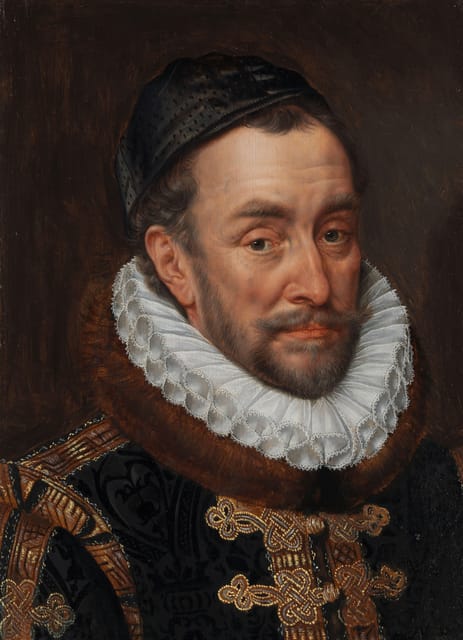
The first part of the story reaches back before the paintings most people associate with Amsterdam. The guide connects Dutch culture to the difficult medieval period, including the disruption caused by the Black Death.
This broad opening gives the visit a useful base. You begin to see Dutch society as something that changed over time, rather than as a finished setting for famous painters. The museum’s art becomes evidence of those changes.
The next turn is independence. The Dutch Republic’s rise created new economic and social conditions, and those conditions shaped the art that followed. The tour uses the museum’s collections to show how political freedom and growing prosperity helped create a setting in which artists could find new subjects and new buyers.
That historical thread is especially helpful if you do not already know much about the Netherlands. You do not need a background in European history to follow it. The guide’s task is to connect the artwork to the events around it, so you can understand why the Dutch Golden Age mattered beyond a few famous paintings.
Do not expect every century or every gallery to receive equal attention. A two-hour tour must make choices. That is a strength if you want a focused route, but a limitation if your main goal is to cover the museum’s full collection.
The Golden Age and the Dutch masters
The heart of the visit is the Dutch Golden Age, when the country’s artistic reputation grew rapidly. This is where Rembrandt and Vermeer take their place in a much larger story.
You can expect to see works by Rembrandt, Vermeer, Van Gogh, and other major painters. The experience is not presented as a simple greatest-hits checklist. Instead, the guide explains why these artists are held in such high regard and how their work relates to the society around them.
Rembrandt’s importance becomes easier to grasp when you consider the changing role of portraiture, public life, and individual identity. Vermeer’s quiet interiors also gain more meaning when you place them in the setting of Dutch domestic culture and prosperity. The point is not just to admire technique. It is to understand why these images spoke so strongly to the people who saw them when they were new.
Still lifes receive attention too. Their popularity can seem puzzling at first. Why devote so much skill to food, flowers, household objects, or other ordinary things? The guide helps you consider the cultural reasons behind these choices, rather than treating them as decorative filler between portraits and history paintings.
The same goes for everyday people as artistic subjects. Dutch painters often found significance in ordinary life, and that choice tells you something about the society that supported their work. You are encouraged to look for those social clues, not just for famous faces.
Van Gogh adds another period to the museum’s artistic story. His work belongs to a different time than Rembrandt and Vermeer, so his inclusion helps you see how Dutch art changed across the centuries. The route does not leave you with a single frozen image of Dutch culture. It shows a country whose art kept shifting as its politics, economy, and ideas changed.
More Rijksmuseum tickets:
- Amsterdam: Rijksmuseum Entry Ticket
★ 4.7 · 25,535 reviews - Amsterdam: City Canal Cruise and Rijksmuseum
★ 4.5 · 2,129 reviews - Rijksmuseum Amsterdam Small-Group Tour with Private Upgrade
★ 4.5 · 1,547 reviews - Amsterdam: Rijksmuseum Entry Ticket and Canal Cruise Combo
★ 4.3 · 1,276 reviews
Looking beyond famous names
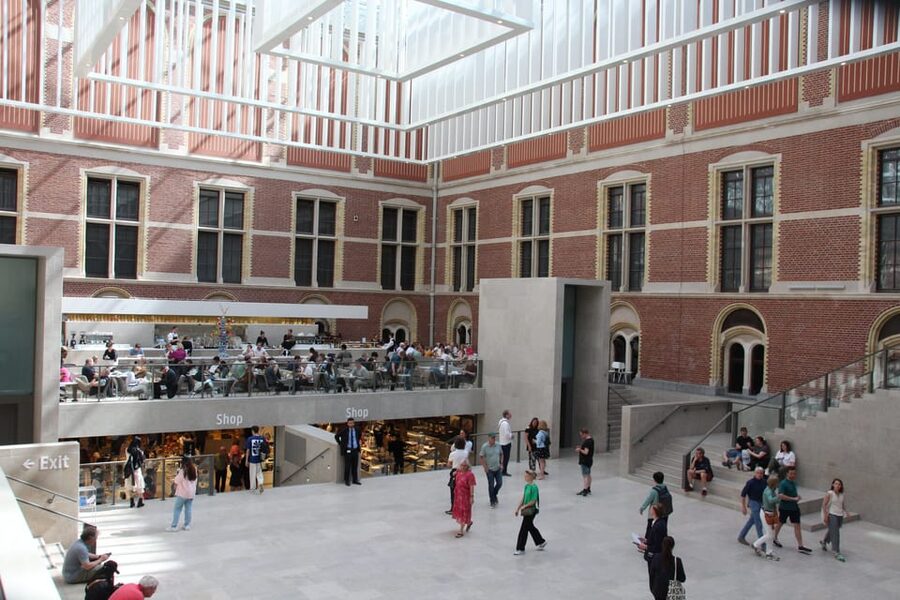
A good museum tour should make you notice more than the paintings you already know. This one aims to do that by connecting well-known works to broader movements in Europe.
That comparison is useful because visitors often treat national art as a sealed box. The guide instead points to larger artistic developments and shows how Dutch painters responded to them in their own way. You can enjoy the local character of the work without losing sight of its European setting.
The tour is also built for different levels of background knowledge. If you already know Rembrandt and Vermeer, you can focus on the historical links and artistic comparisons. If you are starting from scratch, the guide supplies enough structure to keep the visit from becoming a parade of unfamiliar names.
The small group should help here. In a group of 10 or fewer, you have a better chance of hearing explanations in front of a busy painting and asking for clarification. The experience is still a shared tour, not a private conversation, but it should feel more manageable than a large crowd gathered around a guide.
The clearest praise attached to this experience centers on the guide’s friendly, informed approach. Tristan is specifically described as nice, friendly, and highly prepared, with a carefully planned route through the large museum. Since guides can vary, you should treat Tristan’s name as a useful detail rather than a guarantee that he will lead every departure.
The lower levels and the end of the republic
The tour finishes by moving to the lower levels, where the historical story changes direction. The Dutch Golden Age declines, the Enlightenment follows, and Dutch independence is taken again.
This ending is important because it avoids presenting the Golden Age as a permanent triumph. Countries rise and fall, and artistic life changes with them. By finishing with decline and political change, the guide gives you a more honest picture of Dutch history.
You also see how the reputation of the Dutch Republic continued to affect world history. That final point widens the scope of the tour. The Rijksmuseum is not only about paintings made in Amsterdam or the Netherlands. Its collections also show how a small republic could influence events and ideas far beyond its borders.
The lower-level visit may appeal most to people who want context rather than only famous masterpieces. If you are mainly visiting for a particular painting, the historical ending may feel less urgent than the Golden Age galleries. For me, though, it gives the two-hour route a proper shape and prevents the visit from ending at the easiest part of the story.
Is $63 a fair price?
At $63 per person, this is not the cheapest way to enter the Rijksmuseum. You are paying for more than admission, though. The price includes the museum ticket, a live English-speaking local guide, and a two-hour walking route for a group limited to 10 people.
The value depends on how you use museums. If you enjoy choosing your own rooms, reading labels, and spending a long time with one painting, a self-guided visit may suit you better. You will have more freedom and can stay as long as you like.
If a vast museum tends to overwhelm you, the price is easier to justify. The guide gives you a route, a historical framework, and explanations that help the collection make sense. You also avoid spending your first part of the visit figuring out how to enter and where to start.
Keep in mind that two hours is only an introduction. You should not book this expecting to see every important work or every wing. Think of it as a well-directed first visit. You may want extra time afterward to return to paintings that caught your attention, but the activity itself ends back at the meeting point.
The reserve-now-and-pay-later option also gives you some planning flexibility. You can hold a place without paying immediately, and cancellation is available up to 24 hours before the activity for a full refund. Check the available starting times when you book, since the schedule is not fixed in the information provided here.
Who will get the most from this tour?
I would choose this for a first visit to the Rijksmuseum, especially if you want an understandable introduction rather than a self-guided wander. It also suits anyone who enjoys art more when someone explains the politics, religion, trade, and social habits behind it.
The tour should work well for:
- First-time museum visitors: You get a clear route through a large collection.
- Art lovers with limited time: Two hours keeps the visit focused.
- History-minded visitors: The paintings are tied to Dutch independence, the Golden Age, the Enlightenment, and later political change.
- Small-group fans: Ten participants or fewer is a comfortable limit for a guided museum walk.
- Visitors unsure where to begin: Your ticket and entry are arranged as part of the experience.
You may want another option if you prefer a slow, unstructured museum day. The fixed route and two-hour limit mean the guide decides what receives attention. You should also reconsider it if you dislike walking or forget to bring comfortable shoes.
Families and mixed-age groups might find the historical storytelling useful, but the supplied information does not specify a minimum age or a child-focused format. If those details matter to you, check before booking rather than assuming the tour is designed for children.
How to make the two hours count
Arrive ready to listen, not just to photograph famous paintings. The most useful part of this experience is the connection between the artwork and the society that produced it.
A little preparation can help. You do not need to study Dutch history, but it is worth deciding what you want from the visit. Do you want to understand Rembrandt and Vermeer? Do you want a general introduction? Are you trying to make sense of Dutch independence and the Golden Age? Tell the guide if there is a subject you particularly hope to understand.
Wear shoes that are comfortable for steady walking. The route moves through large wings and includes lower levels, so this is not a sit-down lecture. Transportation is not provided, and the activity begins and ends at the museum meeting point.
Also keep your expectations in proportion. The Rijksmuseum is too large for a full account in two hours. A successful tour should leave you with a working map of the collection and enough context to explore further, not with the illusion that you have seen everything.
Should you book the Rijksmuseum tour?
Book it if you want the museum’s famous Dutch art placed inside a clear historical story. The combination of included entry, a two-hour English tour, and a group of no more than 10 makes $63 reasonable for visitors who value guidance and a focused route.
The strongest reason to choose it is the guide-led interpretation, especially if your museum visits often blur into dates, names, and beautiful but disconnected objects. The main drawback is the short format. You will need more time on your own if you want to see the Rijksmuseum at length.
For a first introduction to Rembrandt, Vermeer, Van Gogh, and the Dutch Republic, I would book it. Arrive at Paulus Potterstraat 1 with comfortable shoes, keep the rest of your day flexible enough for independent exploring, and let the two-hour tour give you a firm starting point.
FAQ
How long does the Rijksmuseum tour last?
The tour lasts two hours. Starting times vary, so check availability when choosing your date.
What is included in the price?
The $63 price includes entry to the Amsterdam Rijksmuseum, a local professional guide, and a guided walking tour of the museum.
Where does the tour meet?
Meet your guide next to the museum entrance at Paulus Potterstraat 1.
Where does the activity end?
The tour ends back at the meeting point at the Rijksmuseum.
What language is the tour conducted in?
The live tour guide speaks English.
How large is the group?
The experience is limited to 10 participants.
Is transportation included?
No. Transportation is not included, so you must make your own way to the museum meeting point.
Just added around Amsterdam
- Amsterdam: Giethoorn Tour with Canal Cruise and Windmills★ 5.0 · 3 reviews
- Full-day excursion to Edam, Volendam, and Marken★ 3.7 · 3 reviews
- Amsterdam: Chocolate Fondue in the Dark★ 5.0 · 3 reviews
- Amsterdam Old-West Vegan Food Tour with Local Guide★ 4.7 · 3 reviews
- Amsterdam Private Walking Tour of Famous Painters★ 5.0 · 3 reviews
- Amsterdam Family Friendly Historical Walking Tour★ 5.0 · 3 reviews
- From Amsterdam: visit Zaanse Schans, Muiderslot and more!★ 5.0 · 3 reviews
- Amsterdam Walking Tour with Dutch Pancake Lunch★ 5.0 · 3 reviews
Amsterdam Tours, compared.


Amsterdam Classic Saloon Boat Cruise with Drinks and Cheese
Read our review →
Amsterdam Luxury Canal Cruise + Unlimited Drinks & Bites option
Read our review →


Classic Boat Cruise with Optional Cheese & Wine
Read our review →
Evening Cruise with Optional Wine and Snacks
Read our review →
75 Minute City Canal Cruise with Audio Guide
Read our review →Browse the lists this tour appears in