
Reviewed · AMSTERDAM TOURS
LGBTQI+ History Tour of Amsterdam
Amsterdam’s LGBTQI+ story is written into its streets, monuments, bars, churches, and public squares. This two-hour walk with Henk, who experienced the early years of the gay movement himself, connects those places with the people and struggles behind them.
I like the small group limit of 15, which gives you room to ask questions. I also like the finish at Café ’t Mandje, a landmark linked to Bet van Beeren and one of the city’s oldest gay bars. The main consideration is that this is a serious history walk as well as a pleasant stroll, with difficult subjects including war, AIDS, and discrimination.
Key points to know before booking
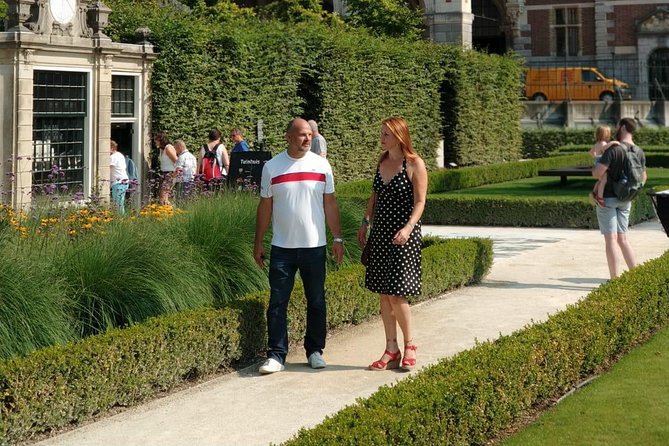
- Starts at the Gay Monument: Learn why Amsterdam became home to the world’s first monument honoring gay victims, past, present, and future.
- Henk brings personal context: His connection to the early gay movement gives the walk a firsthand point of view.
- Covers several central districts: The route links Westermarkt, Dam Square, the Red Light District, and Chinatown.
- Ends at Café ’t Mandje: Finish near Central Station at a bar tied to Bet van Beeren and Amsterdam’s lesbian history.
- Designed for allies too: You do not need to identify as LGBTQI+ to take part. Straight allies are welcomed.
- A focused two-hour walk: The route is compact, but the subject reaches across centuries of Dutch history, politics, art, literature, and community life.
Why this Amsterdam walk is different
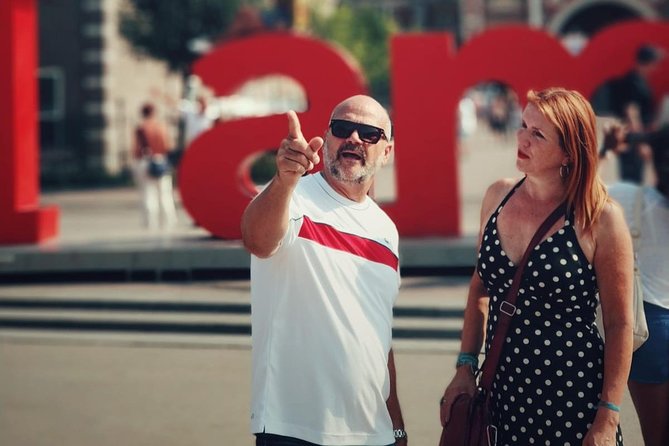
Many city walks explain Amsterdam through canals, merchants, churches, and grand houses. This one asks a different question: how have LGBTQI+ people lived, hidden, organized, celebrated, and fought for recognition in the same city?
That change in viewpoint is the tour’s main value. You still see familiar Amsterdam sights, but they acquire another layer. A canal house can lead to a discussion of seventeenth-century city planning. Dam Square can open a conversation about royal power and gay life in the seventeenth century. A narrow street in Chinatown can point to an old bar and the social rules of wartime Amsterdam.
Henk is central to the experience. He combines historical facts with personal memories, humor, Dutch poetry, and answers to questions from the group. His own life began during the early gay movement in Amsterdam, so the recent past is not presented as a distant textbook subject.
That personal element also gives the walk emotional weight. The subject includes the loss of loved ones to AIDS and the long work needed to secure civil rights. You should expect warmth and humor, but not a lightweight sightseeing script.
More History Tours in Amsterdam
- Amsterdam Food and Cultural Tour with Tastings
★ 5.0 · 2,442 reviews - Amsterdam: Haunted History and Ghost Walking Tour
★ 4.5 · 488 reviews - Amsterdam High-End Dutch Food & History Tour – Up to 8 guests
★ 5.0 · 482 reviews
Starting at the Gay Monument on Westermarkt
Meet at Westermarkt 2L at 11 a.m. The first stop is the Gay Monument, where the tour spends about 30 minutes. This is not a quick photo stop. Henk explains how the Netherlands came to have the world’s first monument for gay victims, with its meaning extending to people lost in the past, those facing danger today, and future generations.
Starting here makes sense. The monument gives the walk a clear moral and historical center before the group moves into the busy heart of Amsterdam. It also helps you understand that LGBTQI+ history is not only about legal milestones or nightlife. It includes memory, mourning, public recognition, and the decision to place that memory in a visible public space.
I would pay attention to the way Henk connects national history with individual lives. That is one of the strongest features of this walk. The tour does not treat rights as something that appeared by magic. It points toward the people who organized, resisted, endured, and pushed public attitudes forward.
Because the tour begins with victims and remembrance, this part can feel solemn. That is appropriate, but it may not suit someone looking only for light entertainment. For most people, it provides useful context for everything that follows.
Along Amsterdam’s canals and seventeenth-century houses
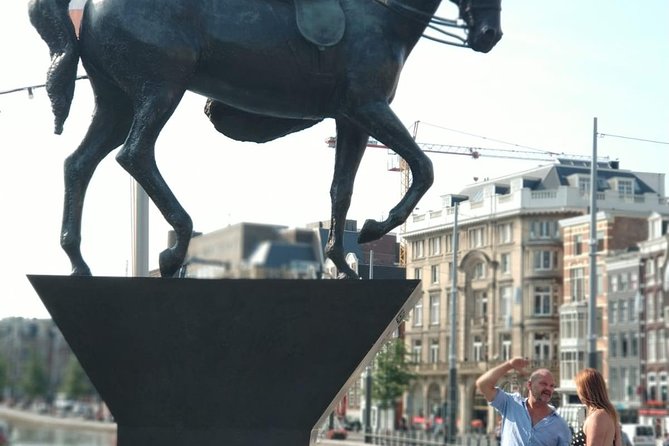
From Westermarkt, you walk along the canals toward Dam Square. The route includes views of seventeenth-century houses and an explanation of Amsterdam’s city planning.
This section links LGBTQI+ stories to the wider development of Amsterdam. The city’s canal layout was not an accidental arrangement of pretty waterways. It reflects deliberate planning, commerce, housing, and social change. Henk uses the streets and buildings around you to show how people occupied the city across time.
The walk is not built around entering museums or major buildings. You learn outdoors, while moving through the city. That keeps the pace active and lets you see how LGBTQI+ history sits beside ordinary daily life instead of being shut away in a separate venue.
Bring comfortable walking shoes. The tour lasts about two hours and includes several central districts, so the practical challenge is steady walking on Amsterdam streets rather than a long coach ride or indoor presentation. Water is not included, so carry your own bottle.
The Royal Palace and gay life in the seventeenth century
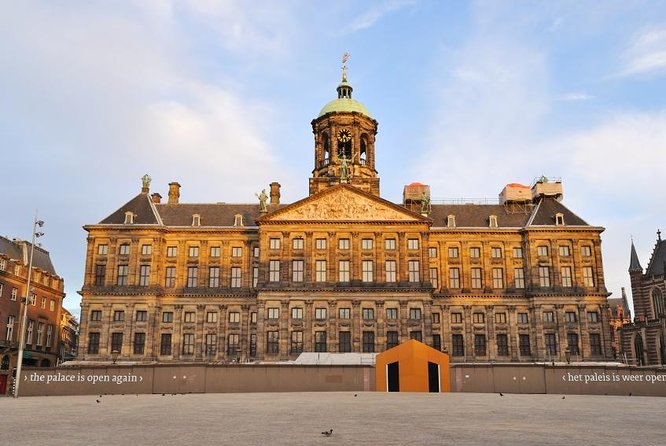
At the Royal Palace Amsterdam, Henk explains the building’s origins and its connection to gay life in the seventeenth century. The group does not have time to go inside, and admission to the palace is not part of the tour.
That limitation is worth noting. If you want to explore the palace itself, plan a separate visit. On this tour, the building works as a historical backdrop, not as an indoor attraction.
The stop lasts about 15 minutes and adds useful contrast to the route. The palace represents civic and royal power, while the discussion turns toward the private and public lives of gay people in the period. That pairing helps show how LGBTQI+ stories are not separate from political and architectural history.
You are not simply being shown a famous building. You are being asked to consider who had power, who was visible, and how people lived within the rules of their time.
Same country, a completely different kind of day:
- Amsterdam: Van Gogh Museum Ticket
★ 4.7 · 52,054 reviews - Amsterdam Classic Saloon Boat Cruise with Drinks and Cheese
★ 5.0 · 31,825 reviews - Amsterdam Luxury Canal Cruise + Unlimited Drinks & Bites option
★ 5.0 · 30,518 reviews - Amsterdam: Heineken Experience Ticket
★ 4.6 · 30,055 reviews
Dam Square, public life, and political change
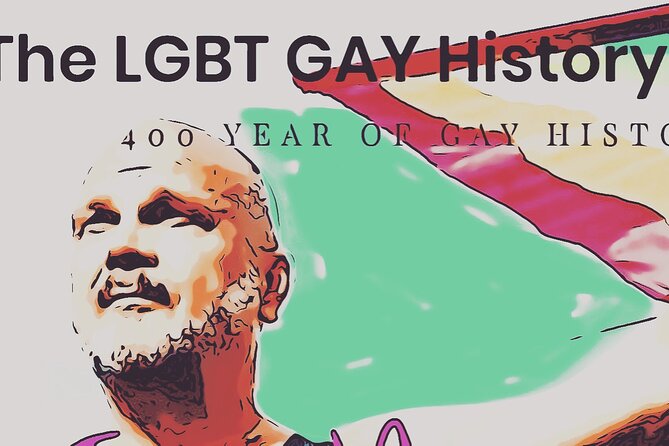
Dam Square is Amsterdam’s central public space, and the tour spends about 10 minutes here. Henk explains its long history and brings the discussion back to LGBTQI+ life.
A short stop does not mean a shallow one. Dam Square is a useful place to consider public visibility. Public squares can be sites of celebration, protest, danger, authority, and everyday gathering. LGBTQI+ rights are shaped not only in courtrooms or government offices, but also through the gradual ability to live openly in public.
This is one reason the tour works well early in an Amsterdam visit. You see the central city through a more specific lens, then notice that lens again as you continue sightseeing on your own.
The area can be busy, and the group may need to stay close to Henk. That is a normal concern in a central square, but a maximum of 15 people should make it easier to hear the guide and keep track of the group.
The Red Light District and Amsterdam’s leather street
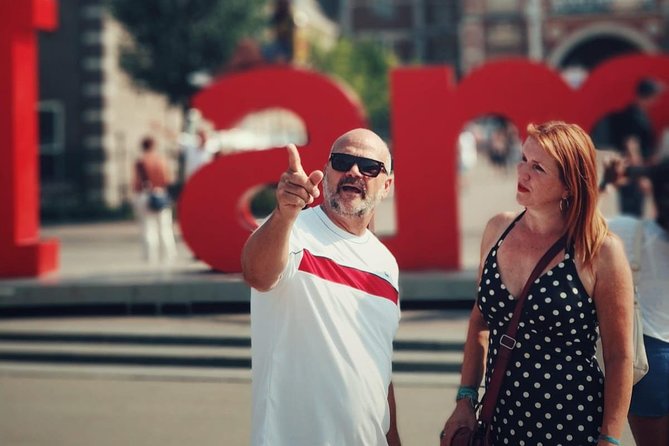
The route continues through the Red Light District. Henk discusses Amsterdam’s leather street and welcomes questions about the district.
This part is best approached with an open mind. The Red Light District is often reduced to quick jokes and snapshots, but its streets also reveal how Amsterdam has handled sex, commerce, public morality, and subcultures. The LGBTQI+ angle adds another way to understand the neighborhood.
You can ask Henk for more detail if this subject interests you. That flexibility is useful because not everyone wants the same level of discussion about the Red Light District. Some people will want social and political context, while others may prefer to keep moving.
The tour does not promise a full examination of every part of the district. Instead, it uses the streets as one chapter in a broader story about gay life and public space.
Chinatown, wartime restrictions, and Café ’t Mandje
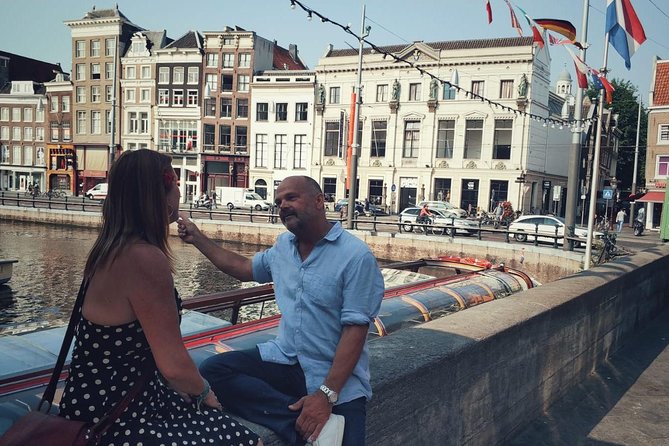
The final stretch takes you through Chinatown, described during the tour as once one of Amsterdam’s roughest streets. Here you hear about the oldest gay bar in Amsterdam and why German soldiers during World War II were not allowed in this part of the city.
This is a striking change of setting from the broad spaces around Dam Square. The narrow streets make the social history feel close at hand. The wartime detail also reminds you that Amsterdam’s neighborhoods have carried different rules and meanings at different times.
The tour ends at Café ’t Mandje on Zeedijk, a short walk from Amsterdam Central Station. The bar is connected with Bet van Beeren, a major figure in Amsterdam’s lesbian bar history. The finish gives the walk a human scale. After monuments, palaces, squares, and districts, you end at a place associated with people meeting, socializing, and building community.
The tour ends outside the formal route, and entry to the café is not listed as included. Treat the stop as the conclusion of the walk, then decide for yourself if you want to continue your visit there.
Henk’s style and the emotional side of the walk
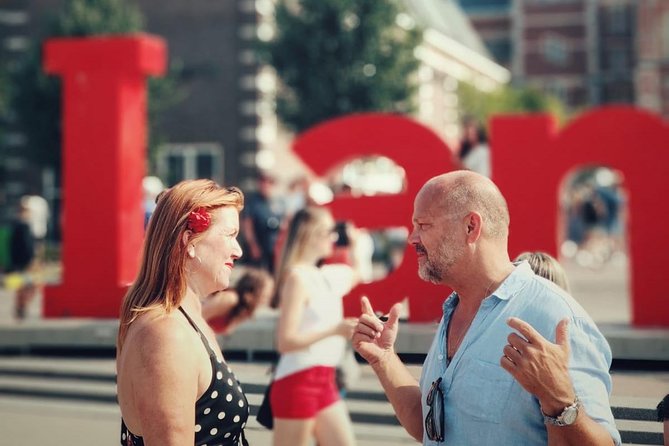
Henk’s greatest strength is the way he joins facts with lived experience. He is described as warm, funny, caring, and direct, with a habit of mixing history, personal stories, literature, art, and politics.
That approach suits this subject. LGBTQI+ history can become dry if it is reduced to dates and laws. It can also become too personal if the wider political setting disappears. Henk’s style appears to hold both together.
He also makes space for questions and gives suggestions for what to do after the tour. One particularly practical touch is his attention to the group’s comfort. On a rainy day, he used a rainbow umbrella to help shield a participant from the drizzle.
You should also be ready for a serious tone at times. Stories about AIDS, wartime persecution, and the loss of loved ones can bring strong emotions. That is not a flaw, but it is important to know what kind of experience you are booking. The humor and kindness help, yet the tour does not avoid painful parts of the past.
Who will get the most from this tour
This is a strong choice if you want to understand Amsterdam beyond canals and famous paintings. It suits LGBTQI+ visitors seeking local context, couples and friends looking for a focused city walk, and straight allies who want to learn without treating the subject as a spectacle.
It also works well as one of your first activities in Amsterdam. The route gives you a new way to read central streets for the rest of your visit. You may find that a familiar square, canal, or bar carries more meaning after Henk explains its connections.
The walk may be less suitable if you want a fast list of attractions or a purely architectural tour. The subject is the priority, and some stops are brief because the tour is built around discussion rather than admission to major sights.
Most participants can take part, and service animals are allowed. The tour is near public transportation, begins at Westermarkt, and finishes on Zeedijk within walking distance of Central Station.
Is $42.33 a fair price?
At $42.33 per person, this is not the cheapest way to walk around Amsterdam. You are paying for a two-hour guided experience rather than entry to a palace, museum, or monument.
I think the price makes sense if you value a specialist guide and a personal, small-group format. A group maximum of 15 means this should feel more like a guided conversation than a large procession. You also get a subject that is difficult to explore well through a general city tour.
The value depends on your interests. If you already know Amsterdam’s LGBTQI+ history and want access to paid attractions, your money may be better spent elsewhere. If you want the city explained through community memory, political change, and personal experience, the cost is reasonable.
The tour is offered in English and uses a mobile ticket. Confirmation arrives when you book. It requires good weather and a minimum number of participants. If poor weather cancels it, you can choose another date or receive a full refund.
A few practical tips for the 11 a.m. start
Arrive ready to walk at Westermarkt 2L. Wear shoes suited to city streets and bring water, since neither is supplied by the tour.
Keep the day flexible after the finish. You end at Café ’t Mandje on Zeedijk, close to Central Station, so it is easy to continue through the city or return to your accommodation.
Book at least several weeks ahead if your schedule is fixed. The experience is often reserved about 26 days before the start date, which suggests that last-minute spaces may not always be available.
Cancellation is free up to 24 hours before the 11 a.m. start time. Changes or cancellations inside that 24-hour window are not accepted for a refund, and the cut-off follows local Amsterdam time.
Should you book the LGBTQI+ History Tour of Amsterdam?
Book it if you want a personal, thoughtful look at Amsterdam’s LGBTQI+ past and present, especially if you appreciate a guide who connects public history with lived experience. Henk’s firsthand link to the early gay movement, the Gay Monument, the wartime stories, and the finish at Café ’t Mandje give the walk a clear identity.
Skip it if you want a general introduction to every major Amsterdam sight or prefer indoor attractions. For everyone else, this is a focused way to understand the city through people, memory, and the long effort to live openly and safely.
FAQ
Where does the LGBTQI+ History Tour of Amsterdam start?
The tour starts at Westermarkt 2L, 1016 DW Amsterdam, Netherlands.
What time does the tour begin?
The start time is 11 a.m.
Where does the tour end?
The tour ends at Café ’t Mandje, Zeedijk 63, 1012 AS Amsterdam, within walking distance of Amsterdam Central Station.
How long does the tour last?
The walking tour lasts about two hours.
Is the tour offered in English?
Yes. The tour is offered in English.
How many people can join the tour?
The maximum group size is 15 travelers.
Is the Royal Palace entrance included?
No. The tour discusses the Royal Palace from outside, and admission is not included.
Is the Gay Monument included in the tour?
Yes. The Gay Monument is part of the route, and admission is included.
Are straight allies welcome?
Yes. Straight allies are warmly welcomed on the walking tour.
What should I bring?
Bring your own water and comfortable walking shoes. The tour includes only the guide.
Can I cancel for a full refund?
Yes. You can cancel at least 24 hours before the experience start time for a full refund. Cancellations or changes made less than 24 hours before the start time are not accepted for a refund.
What happens if bad weather cancels the tour?
If poor weather causes a cancellation, you will be offered a different date or a full refund.
Just added around Amsterdam
- Amsterdam: Giethoorn Tour with Canal Cruise and Windmills★ 5.0 · 3 reviews
- Full-day excursion to Edam, Volendam, and Marken★ 3.7 · 3 reviews
- Amsterdam: Chocolate Fondue in the Dark★ 5.0 · 3 reviews
- Amsterdam Old-West Vegan Food Tour with Local Guide★ 4.7 · 3 reviews
- Amsterdam Family Friendly Historical Walking Tour★ 5.0 · 3 reviews
- Amsterdam Private Walking Tour of Famous Painters★ 5.0 · 3 reviews
- From Amsterdam: visit Zaanse Schans, Muiderslot and more!★ 5.0 · 3 reviews
- Amsterdam Walking Tour with Dutch Pancake Lunch★ 5.0 · 3 reviews
Amsterdam Tours, compared.


Amsterdam Classic Saloon Boat Cruise with Drinks and Cheese
Read our review →
Amsterdam Luxury Canal Cruise + Unlimited Drinks & Bites option
Read our review →


Classic Boat Cruise with Optional Cheese & Wine
Read our review →
Evening Cruise with Optional Wine and Snacks
Read our review →
75 Minute City Canal Cruise with Audio Guide
Read our review →Browse the lists this tour appears in