
Reviewed · LEIDEN TOURS
Leiden: Hortus Botanicus Entry Ticket
The best reason to visit Hortus Botanicus Leiden is its unusual mix of 1590 history and living plants from around the world. You can walk through the garden where the first tulips in Europe were grown, then move into tropical glasshouses filled with orchids, carnivorous plants, and Southeast Asian species.
I like the freedom to explore at your own speed, and I like that the garden changes with the season. Spring brings flowering bulbs, while autumn puts the focus on old monumental trees. The main drawback is that the most striking plants bloom at different times, so you will not see every seasonal highlight on one visit.
Key points to know before you go
- Founded in 1590: Hortus Botanicus Leiden is the oldest botanical garden in the Netherlands.
- Around 90 minutes is a useful minimum: You can see the main collections in that time, but the ticket is valid for the full day.
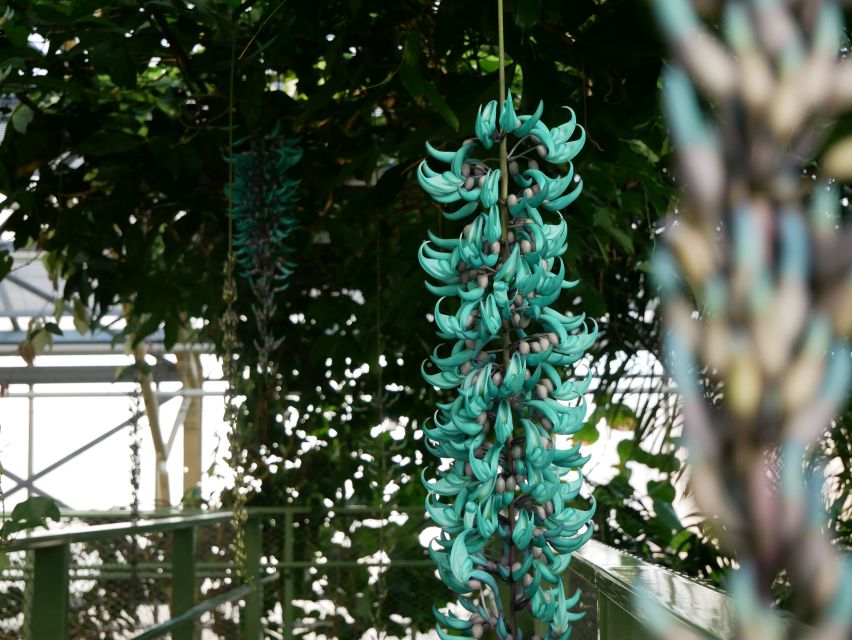
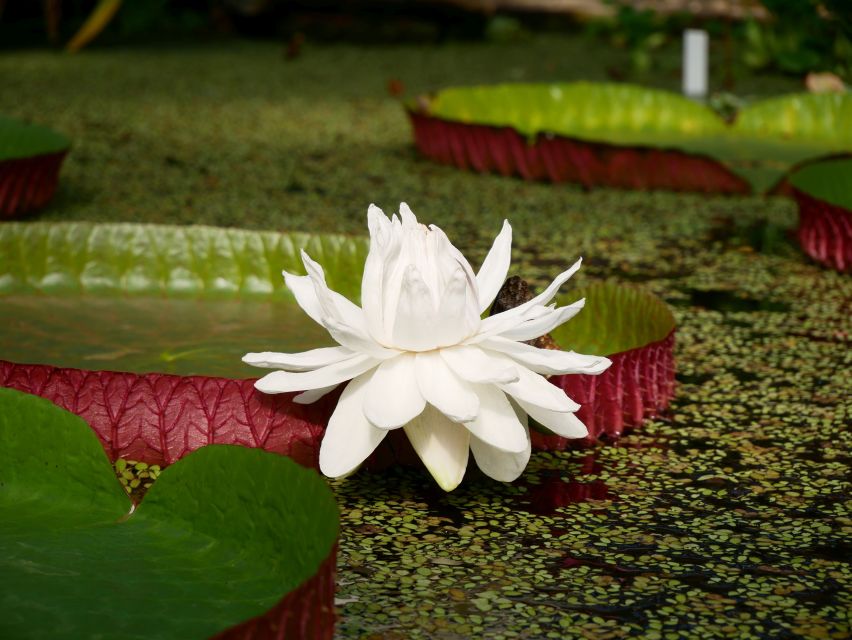
- Seasonal plants matter: Jadevine usually flowers in March and April, Victoria amazonica from June through September, and Chinese lotus in July.
- Southeast Asia takes center stage: Tropical orchids and other warm-climate plants give the glasshouses their strongest sense of place.
- Nearly 30 older trees: Some trees are more than a century old, giving the outdoor garden a calm, shaded character.
- Practical extras: The site is wheelchair accessible and includes a souvenir shop and Grand Café, though food and drinks cost extra.
A 1590 garden with a global collection
Hortus Botanicus Leiden is not simply a patch of flowers beside the university. It is a working botanical garden with centuries of plant exchange behind it, and that age gives the visit its appeal.
The garden was founded in 1590. It was also the place where the first tulips in Europe were grown, an important detail for anyone interested in how plants moved between continents and cultures. You do not need to be a serious gardener to appreciate this. The setting connects an ordinary walk with a much larger story about science, trade, collecting, and adaptation.
Your admission ticket lets you enter and explore independently. There is no scheduled guided tour listed, so plan on setting your own route and pace. Dutch and English are available for the experience, and you can spend roughly an hour and a half seeing the main areas.
The ticket remains valid for one day. That makes the visit easier to fit around a day in Leiden. You can make a focused 90-minute stop, or slow down and return to a favorite glasshouse, tree-lined path, or garden section later in the day.
A few more Leiden trips worth a look
- Leiden: Guided City Canal Cruise
★ 4.6 · 724 reviews - Leiden: Cruise through the Historic City Center with Guide
★ 4.6 · 445 reviews - Leiden: Electric Boat Rental
★ 4.8 · 168 reviews
Starting at the Front Garden
After exchanging your ticket at the front gate, begin in the Front Garden. This is a useful place to get your bearings before moving toward the more specialized collections.
The recently built glasshouse provides an early look at the garden’s modern side. It is a good reminder that Hortus Botanicus is not frozen in the past. Historic plant collections and newer facilities work side by side, giving the visit more variety than a simple outdoor park.
I would not rush through this opening section. The appeal here is the shift from city surroundings to a place organized around plant life. If you are visiting with someone who is not a dedicated plant fan, the Front Garden offers an easy start before the more tropical and scientific displays begin.
The garden has a relaxed pace, but it is not designed like a quick attraction with one central viewpoint. You will get more from it if you treat the ticket as permission to wander rather than as a fixed route. Allow extra time if you like reading labels, comparing plant forms, or stopping for photographs.
The Clusius Garden and Leiden’s botanical beginnings
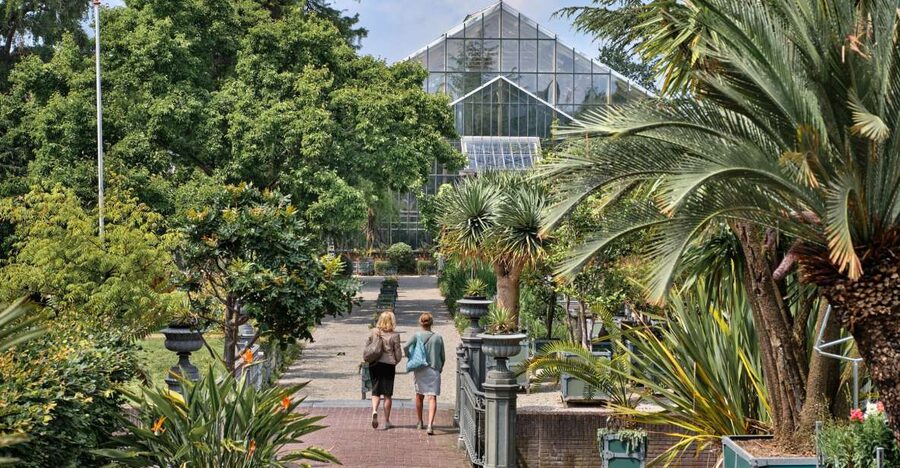
The Clusius Garden is one of the most meaningful stops because it links the modern site to its early botanical purpose. The garden was founded in 1590, and the first tulips in Europe were grown here. That gives this section more weight than a standard display of seasonal flowers.
I like this part for the historical connection, but you should keep your expectations sensible. This is not presented as a theatrical reconstruction or a long guided history lesson. The value comes from seeing the place as part of a living tradition of collecting and growing plants.
Spring is a particularly appealing time for this area, when flowering bulbs add color to the garden. If your main reason for visiting is tulips or spring flowers, timing matters more than the ticket itself. The garden is open across seasons, but the look and feel can change sharply from one visit to another.
The Clusius Garden also gives you a useful contrast with the tropical glasshouses. Outside, you see plants in a historic garden setting. Inside, you move toward species that require very different conditions. That change keeps the visit from feeling repetitive.
Japanese Garden and the exchange of plants
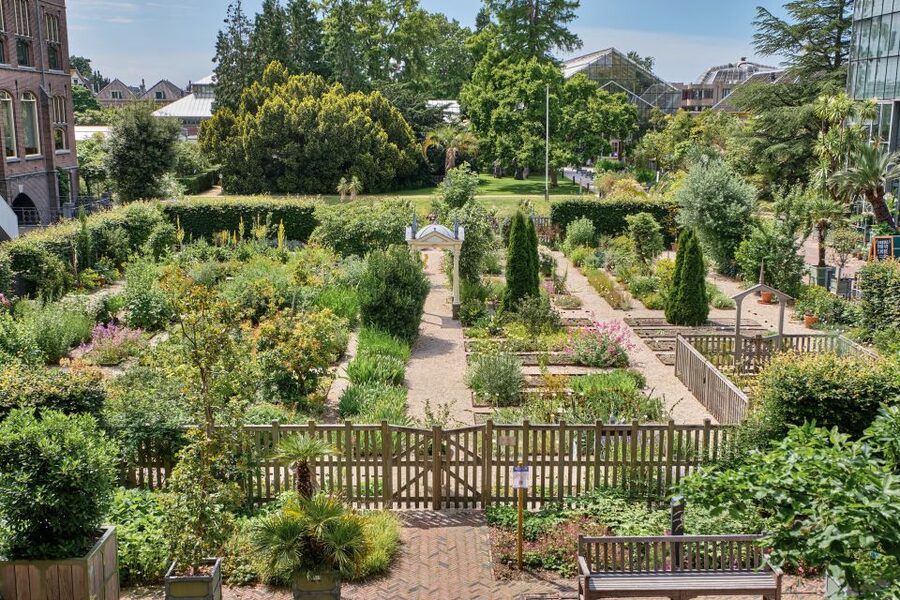
The Japanese Garden focuses on the historical exchange of plants between Japan and the Netherlands. It adds a quieter, more considered section to your walk and helps show that the garden’s collections are shaped by international connections.
This is an especially good stop if you want more than tropical color. The Japanese Garden shifts attention toward arrangement, movement, and the relationship between plants and space. I would take your time here rather than treating it as a passage between the other areas.
The garden’s international story is one of its strongest qualities. Plants do not appear here as isolated decorations. They reflect long periods of exchange between countries, institutions, and growers. Even if you only spend a few minutes with the displays, the Japanese Garden helps explain why a Dutch botanical garden includes plants from so many parts of the world.
Same country, a completely different kind of day:
- Noordwijk: Space Expo Entry Ticket
★ 4.4 · 63 reviews - From Katwijk: Kaag Lakes Cruise
★ 4.6 · 31 reviews - Leiden Tour with Live guide and Visit to Rembrandt’s First Studio
★ 5.0 · 29 reviews - e-Scavenger hunt Leiden: Explore the city at your own pace
★ 4.0 · 19 reviews
Tropical glasshouses and Southeast Asian plants
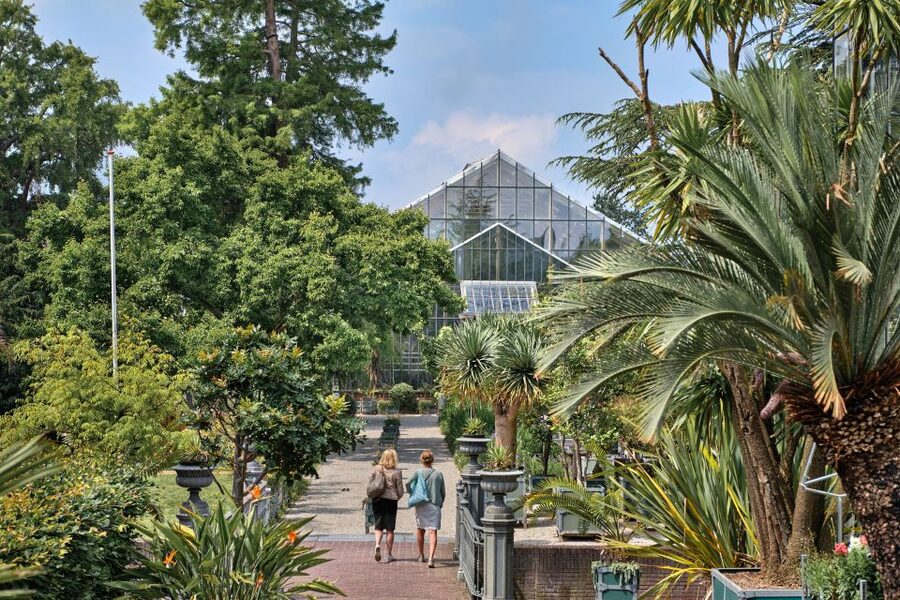
The tropical collections are likely to be the most memorable part of the visit. Hortus Botanicus places particular focus on plants from Southeast Asia, and the glasshouses create a clear change from the outdoor paths.
Expect tropical orchids, unusual foliage, and plants adapted to warm, humid conditions. The collection also includes rare tropical orchids and carnivorous plants, so there is plenty for you to look at even when no major seasonal flower is in bloom.
The carnivorous plant collection is a good example of the garden’s range. These plants are visually intriguing, but the larger value is seeing how different plant life can be. A visit here is not limited to roses, tulips, or familiar garden flowers.
The glasshouses can be especially useful on a cool or wet day. They give you an indoor section without turning the whole visit into a museum experience. Still, the outdoor garden remains important, so I would not plan your visit around the glasshouses alone.
If orchids are your priority, remember that flowering conditions change. You will see the collection of tropical orchids, but the exact number of flowers and the strongest displays depend on the time of year. That is a normal limitation of a living garden, not a fault with the ticket.
Seasonal highlights worth timing carefully
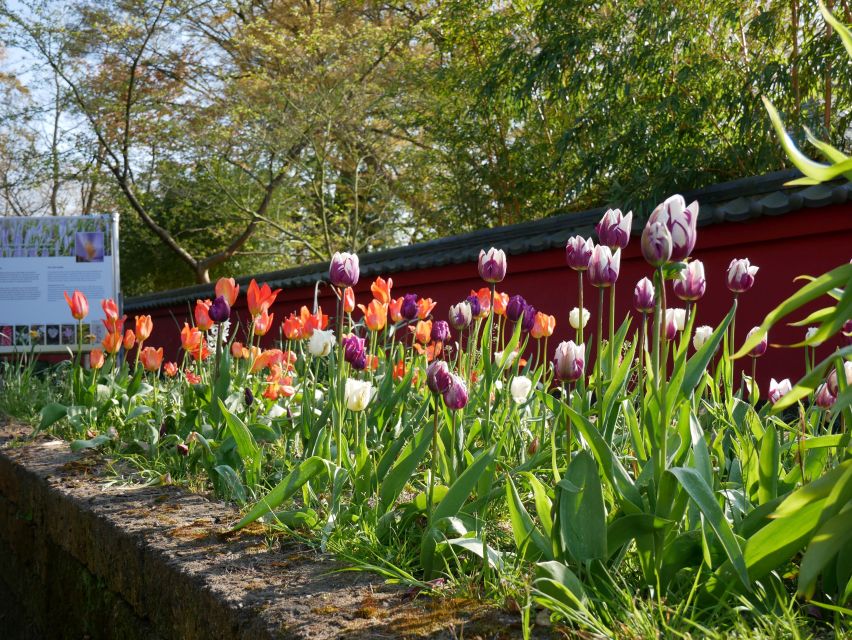
Hortus Botanicus is open throughout the year, but several named plants give you a reason to choose one season over another.
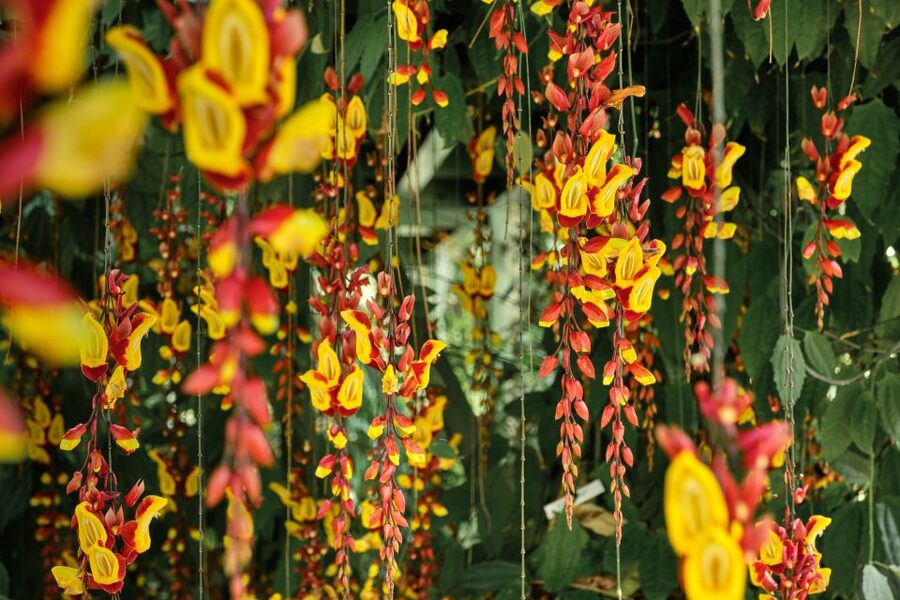
The jadevine flowers in March and April. Its unusual color and shape make it one of the garden’s more distinctive seasonal attractions. If you are in Leiden during this period, it is worth checking the current display before you go.
Victoria amazonica flowers from June through September. This giant water lily is one of the best reasons to visit during the warmer months. The timing is broad, but flowering is still seasonal, so do not assume every visit in that period will look identical.
The Chinese lotus flowers in July. A midsummer visit can therefore offer a different experience from a spring trip focused on bulbs and jadevine.
Autumn has its own appeal. The garden’s ancient monumental trees become the main event, with color and shade replacing the bright seasonal focus of spring and summer. The collection includes almost 30 trees, some more than a century old. That is enough to make the outdoor walk worthwhile even when fewer flowers are showing.
I would choose your date based on what you want to see most:
- Visit in March or April for jadevine and spring bulbs.
- Visit in June through September for the Victoria amazonica period.
- Visit in July for Chinese lotus.
- Visit in autumn for the old trees and changing foliage.
These dates are guides, not guarantees. Plants follow growing conditions, and a botanical garden is always changing.
The old trees and the slower side of the visit
The nearly 30 older trees give Hortus Botanicus a different mood from the glasshouses. Some are more than 100 years old, and their presence makes the garden feel established and calm.
I like this section because it gives you a reason to slow down. The tropical collections ask you to look closely at individual plants. The trees encourage you to step back and enjoy the space around you.
This is also where the garden works well for people who are not interested in identifying every species. You can simply take a relaxed walk beneath the trees and enjoy the contrast between the city and the garden. The outdoor areas make the ticket suitable for a mixed group, since one person can focus on plants while another enjoys the setting.
The drawback is that a self-guided visit can feel less structured here. Without a named guide or fixed tour route, you need to decide how long to stay and what deserves your attention. That is a benefit for independent visitors, but less useful if you want a tightly organized, interpretive experience.
How long to allow and how the $13 ticket fares
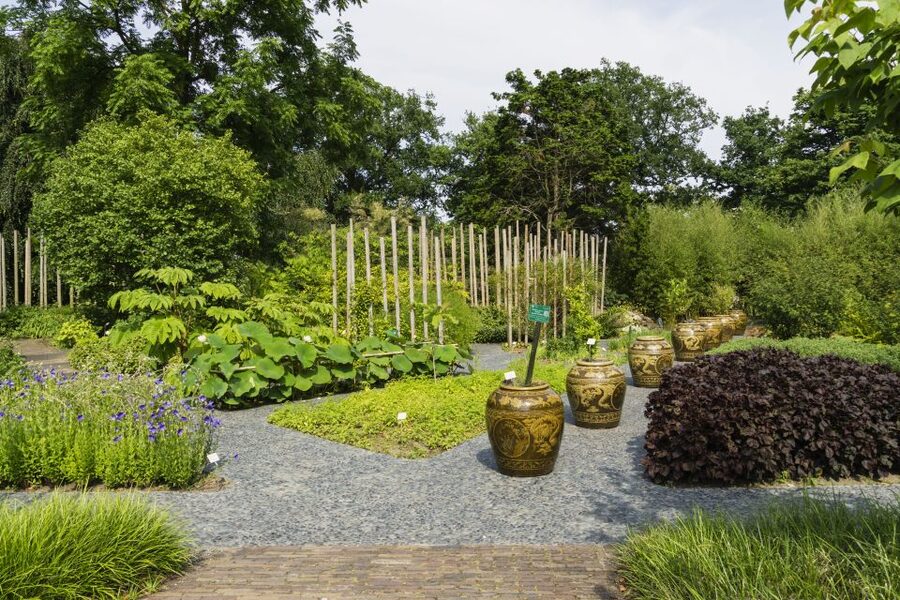
The advertised visit takes about an hour and a half. I consider that a sensible minimum for seeing the main garden sections without rushing. If you read plant information, take photographs, stop at the café, or return to a favorite area, the full-day validity gives you more breathing room.
At $13 per person, the ticket is fairly priced for a specialist garden with historic importance, indoor tropical collections, seasonal displays, and access for the whole day. The value is strongest if you already plan to spend time in central Leiden and want a calm attraction that does not require a full-day commitment.
The value is weaker if you only want to see one famous flower. Seasonal highlights are not all available at once, and the ticket does not include food or drinks. You are paying for access to a changing collection, not a guarantee of a particular bloom.
The 4.1 rating from 63 reviews suggests a generally positive experience with some room for individual preference. That fits the attraction well. Plant lovers may want more time than the suggested 90 minutes, while visitors looking for a major landmark or a guided story may find the visit quieter and less eventful.
Food, shopping, and a useful stopping point
Before leaving, you can visit the souvenir shop and Grand Café. Neither is included in the $13 price, since food and drinks are separate, but both make the garden easier to fit into a longer day.
The café is useful if you want to pause after the glasshouses or outdoor paths. It also gives you a natural endpoint if you are visiting with someone who prefers a break to another circuit of the garden.
The souvenir shop adds a small final stop for plant-related gifts and garden items. I would treat both places as extras rather than reasons to buy the ticket. The main value remains the botanical collection and the freedom to explore it at your own pace.
Access, flexibility, and who will like this visit
The garden is wheelchair accessible, which makes it a practical choice for visitors who need step-free access. The activity supports Dutch and English, and a Dutch or English host or greeter is available at the experience.
You can cancel up to 24 hours before the visit for a full refund. The reserve-now, pay-later option also helps if your Leiden plans are not fixed yet. These terms are useful, but I would still check the selected date and availability before making firm plans.
I think this visit suits:
- Plant lovers who want tropical, seasonal, and endangered species in one place.
- History-minded visitors interested in the 1590 foundation and early tulip cultivation.
- Families or mixed groups who prefer an easy walk with both indoor and outdoor areas.
- Visitors looking for a quieter Leiden activity between museums and city sightseeing.
- Anyone visiting during the flowering periods listed above.
It may not suit you as well if you want a guided tour, a large historical monument, or a guaranteed display of one particular plant. The experience is self-paced and dependent on the season.
Should you book Hortus Botanicus Leiden?
I would book this ticket if you want a peaceful, flexible stop with real historical depth and a wide range of plant life. The strongest reasons are the 1590 origins, the first European tulips, the Southeast Asian collections, and the mix of tropical orchids, carnivorous plants, old trees, and seasonal flowers.
Book with realistic expectations. Plan around the plant you most want to see, but accept that a living collection changes from week to week. At $13, the ticket offers good value for a 90-minute visit and even better value if you use the full-day validity to explore slowly.
FAQ
How long does the Hortus Botanicus Leiden visit take?
The main visit takes about an hour and a half. Your ticket is valid for one day, so you can take longer if you want to explore at a slower pace.
What is included in the ticket?
The ticket includes entry to the Hortus Botanicus Leiden botanical gardens. Food and drinks are not included.
Is Hortus Botanicus Leiden open in every season?
The garden is worth visiting during any season. Spring offers flowering bulbs, summer brings seasonal plants such as Victoria amazonica and Chinese lotus, and autumn highlights the old monumental trees.
When do the main seasonal plants flower?
Jadevine flowers in March and April, Victoria amazonica flowers from June through September, and Chinese lotus flowers in July.
Is the garden wheelchair accessible?
Yes. Hortus Botanicus Leiden is wheelchair accessible.
Can I cancel the booking if my plans change?
Yes. You can cancel up to 24 hours in advance for a full refund. A reserve-now, pay-later option is also available.
Just added around Leiden
- Historical Leiden: Private Tour with Local Guide★ 5.0 · 3 reviews
- Historical Private Tour of Delft and Leiden including Transfer★ 5.0 · 4 reviews
- Leiden: Paddleboard Rental to Explore Leiden’s Canals★ 4.4 · 5 reviews
- Historical Leiden: Private Walking Tour with a Local Guide★ 4.8 · 5 reviews
- Windmill cruise through Warmond★ 4.5 · 7 reviews
- Genuine Leather Tote Bag Workshop in Leiden★ 5.0 · 9 reviews
- Warmond: Kagerplassen Cruise with “Tulip Experience” Ticket★ 4.3 · 9 reviews
- Dutch Windmills & Polder Walking Tour★ 5.0 · 10 reviews
Leiden Tours, compared.

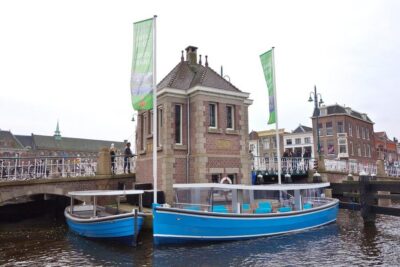
Cruise through the Historic City Center with Guide
Read our review →



Leiden Tour with Live guide and Visit to Rembrandt’s First Studio
Read our review →
e-Scavenger hunt Leiden: Explore the city at your own pace
Read our review →
Discover Leiden with a self-guided Outside Escape city game tour!
Read our review →Browse the lists this tour appears in