
Reviewed · AMSTERDAM TOURS
History & culture tour in Amsterdam with a local
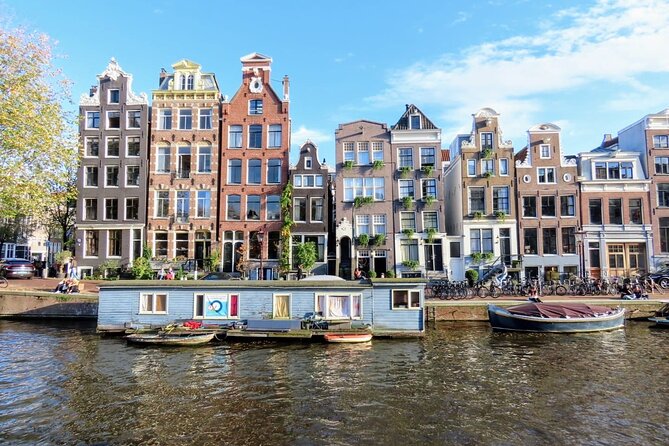
Amsterdam’s story unfolds nicely on foot here, from a fishing village at Beursplein to the trading power of the 17th century. In about two hours, you connect city origins, royal history, religious tolerance, wartime memory, canals, guilds, Chinatown, and Central Station.
I like the small maximum of 15 people, which gives the guide room to answer questions. I also like the route’s mix of major sights and telling details, including Begijnhof’s wooden houses, Nieuwmarkt’s old city gate, and the famous dancing houses. The included stroopwafel is a fine bit of Dutch fuel.
The main consideration is pace. The tour covers a lot of ground, and each stop gets roughly 10 to 15 minutes. You will hear a useful overview rather than spend long periods inside attractions, and the tour ends where it starts at Beursplein.
Key points at a glance
- Amsterdam in one compact walk: Connect the city’s beginnings, its 17th-century economic rise, wartime past, and modern identity.
- A route with real variety: Visit Dam Square, Begijnhof, the canal belt, Nieuwmarkt, Zeedijk, and Centraal Station.
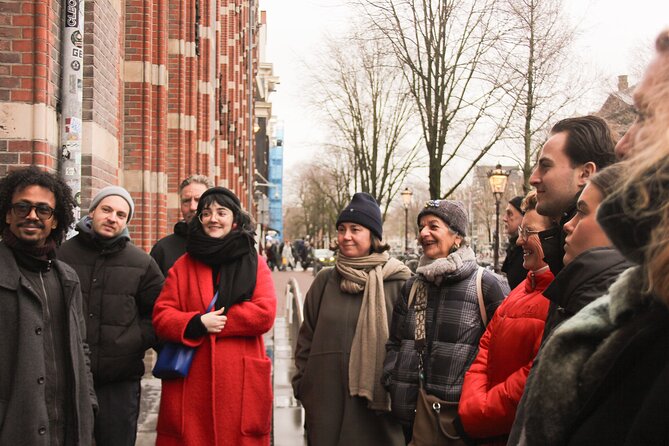
- Small-group format: The group is capped at 15 people, a practical size for questions and conversation.
- A local guide’s perspective: Manouk and Malik are associated with the experience, with an emphasis on both past events and present-day Amsterdam.
- A sweet Dutch pause: Enjoy a classic stroopwafel during the walk.
- Useful first-day orientation: The route gives you a broad map of central Amsterdam before you explore on your own.
Why this Amsterdam history walk works
This is not a museum tour with a long lecture in one room. It is a moving introduction to Amsterdam, with the city itself providing the evidence. You see streets, waterways, old buildings, religious spaces, and transport links while the guide explains how they fit together.
That approach suits you if you want context before choosing which museums, neighborhoods, or historic sites deserve more of your time. The route is especially useful on a first day, since it connects several central areas and gives you a basic sense of how Amsterdam developed.
The tour is offered in English and lasts about two hours, though the practical duration is listed as two to two and a half hours. Allow the longer estimate when planning lunch, a museum reservation, or a train connection.
The small-group limit matters. With no more than 15 people, you should be able to hear the guide and ask a question without turning the walk into a crowd exercise. Private tours are also possible based on the experience details, and Manouk has been praised for shaping the route around a group’s needs.
More History Tours in Amsterdam
- Amsterdam Food and Cultural Tour with Tastings
★ 5.0 · 2,442 reviews - Amsterdam: Haunted History and Ghost Walking Tour
★ 4.5 · 488 reviews - Amsterdam High-End Dutch Food & History Tour – Up to 8 guests
★ 5.0 · 482 reviews
Beursplein: from fishing village to world economy
The walk begins at Beursplein, a fitting place to start because the story here is about trade and money. You learn how Amsterdam grew from a fishing settlement into one of the world’s major economic centers during the 17th century.
The useful point is not just that Amsterdam became wealthy. You get a sense of how the city’s name, waterways, commerce, and location helped shape its future. This gives the rest of the walk a clear thread: Amsterdam was built through connection, trade, movement, and practical use of water.
There is no admission charge at this stop, since the lesson takes place outdoors. That keeps the tour moving and helps the price stay focused on the guide rather than entry tickets.
Dam Square: royal power and wartime memory
Dam Square brings you into the civic heart of the city. The guide explains the square’s role in Amsterdam’s formation while pointing out the Royal Palace on the Dam.
This is a useful stop because it links old civic life with the modern city you see today. The palace gives the square a formal, royal face, while its wider history reaches into the Second World War. You hear why the square matters not only as a popular meeting place, but also as a site tied to national memory.
You get about 10 minutes here. That is enough for a concise explanation and a look at the setting, but not enough for a detailed palace visit. The Royal Palace is an exterior point on this walking route, so plan a separate visit if you want to go inside.
Begijnhof: quiet space and religious tolerance
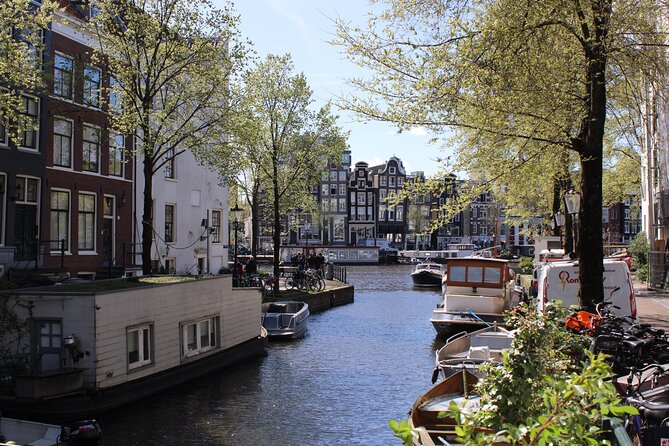
Begijnhof is one of the most appealing pauses on the route. This enclosed courtyard feels calmer than the busy streets nearby, and the guide uses it to explain Amsterdam’s religious past and the city’s tradition of tolerance.
You also see one of Amsterdam’s oldest houses, one of the two wooden cottages in the courtyard. That detail gives the place a human scale. Instead of hearing only about grand buildings and wealthy merchants, you see the kind of modest structure that helps explain how people once lived in the city.
The stop lasts about 15 minutes, making it one of the longer visits. That extra time is welcome. Begijnhof is a place where you need a moment to look around, listen, and appreciate the change in atmosphere.
Keep your expectations sensible. This is still a guided outdoor stop, not an extended architectural study. The value comes from the setting and the explanation of religion, housing, and tolerance in Amsterdam.
Same country, a completely different kind of day:
- Amsterdam: Van Gogh Museum Ticket
★ 4.7 · 52,054 reviews - Amsterdam Classic Saloon Boat Cruise with Drinks and Cheese
★ 5.0 · 31,825 reviews - Amsterdam Luxury Canal Cruise + Unlimited Drinks & Bites option
★ 5.0 · 30,518 reviews - Amsterdam: Heineken Experience Ticket
★ 4.6 · 30,055 reviews
The house on three canals and the bicycle bridge
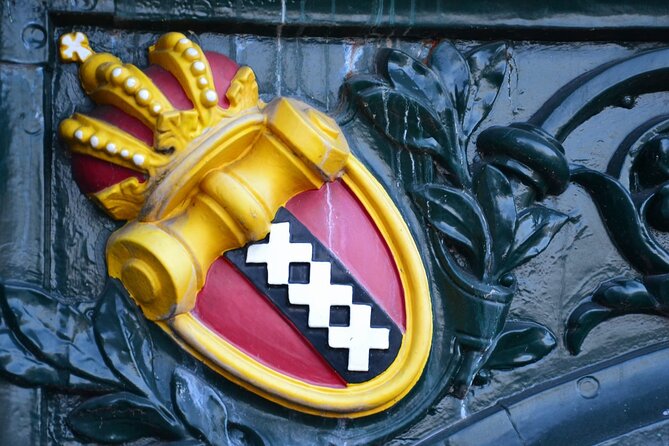
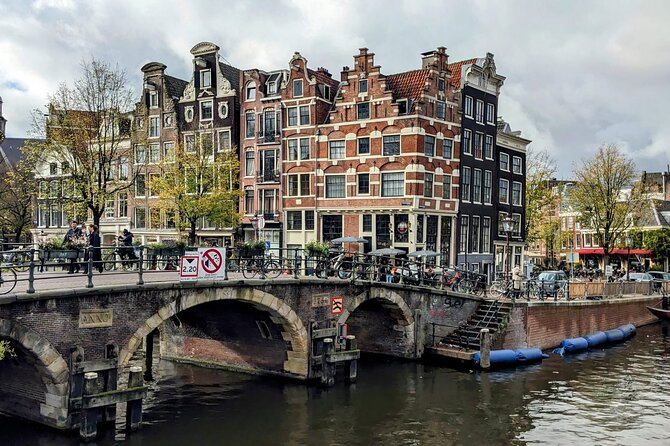
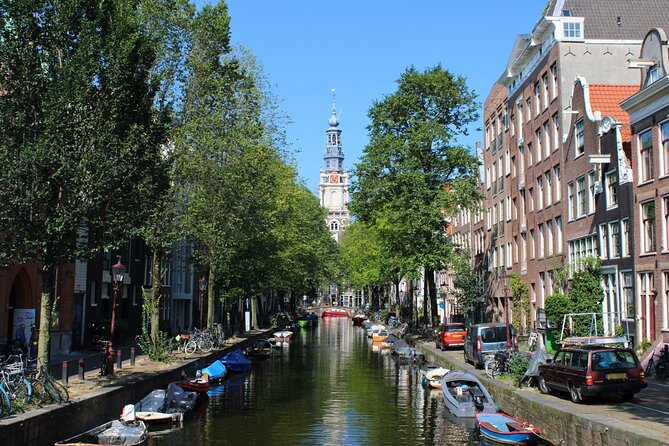
The route then turns to one of Amsterdam’s most recognizable themes: canals and narrow urban spaces. At the house on three canals, you learn how the building relates to the waterways around it.
The guide also points out the bicycle bridge. That reference connects old Amsterdam with the city’s current daily life, where bicycles remain part of the visual and practical character of the streets. You are not simply looking at pretty canal views. You are being shown how the city’s design affects movement and living space.
This is a short stop of about 10 minutes. It works best as part of the larger story rather than as a destination by itself. You will get a quick explanation and a chance to notice how closely architecture and water are linked.
Nieuwmarkt: the Waag, guilds, and leaning houses
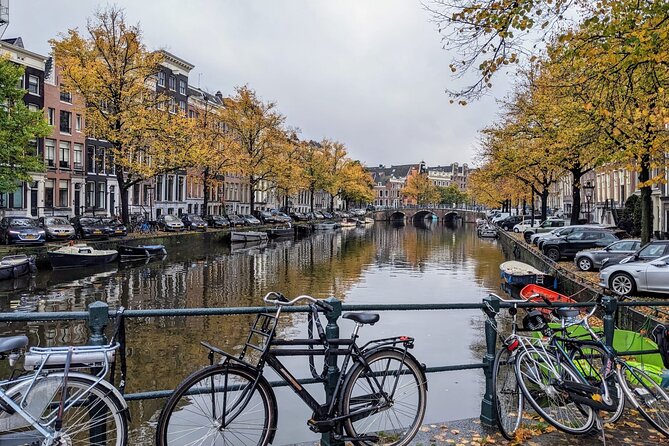
At Nieuwmarkt, the focus shifts to the Waag, one of Amsterdam’s former city gates. It later became a guild hall, giving the guide a chance to explain how guilds shaped work and civic life.
That is a helpful bit of social history. Amsterdam’s wealth did not come from merchants alone. Skilled trades, professional groups, rules, and city institutions all played a role. The Waag gives you a visible landmark for that story.
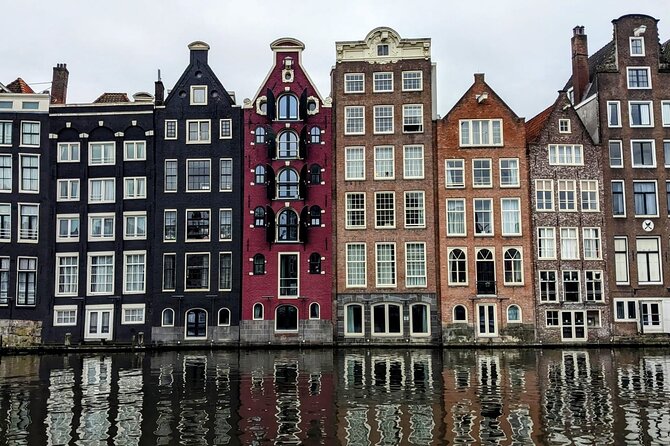
You also see the dancing houses, the narrow buildings that appear to lean along the waterfront. The nickname adds a little humor, but the buildings also show the challenges of constructing homes on Amsterdam’s ground and foundations.
Nieuwmarkt receives about 10 minutes. As elsewhere, the stop is about interpretation rather than entry. You look, listen, and continue through the city instead of waiting in lines.
Zeedijk: Amsterdam’s Chinatown and changing reputation
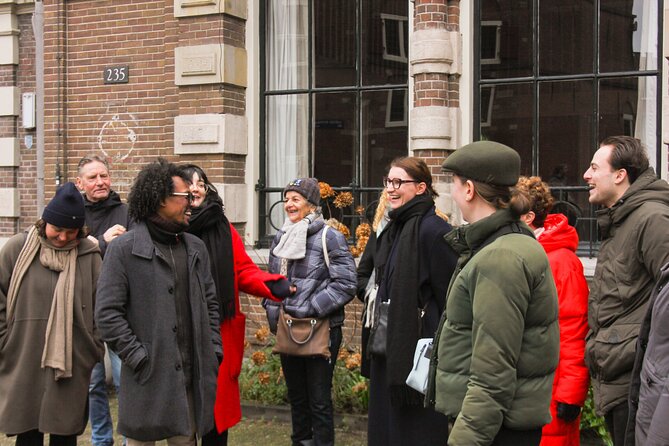
Zeedijk offers one of the route’s strongest links between past and present. The guide introduces Amsterdam’s Chinatown and explains how the area was once considered the city’s most dangerous place during the 1970s.
You then hear how the street declined and changed into one of the favorite spots for many Amsterdammers. That shift gives you a more honest view of city life. Amsterdam is not presented as frozen in a postcard version of the past. Neighborhoods change, reputations change, and streets take on new roles.
This stop can help you read the city with more care. Instead of treating Chinatown as a decorative district, you learn about its difficult period and later renewal. The 10-minute visit will not cover every layer of the neighborhood, but it gives you a useful reason to return and explore at your own speed.
Centraal Station: a grand finish about connection
Centraal Station is the final major stop and one of the most striking buildings on the route. The guide discusses its architecture and explains why this location has mattered as a transport hub for centuries.
The station also works as a symbol of connection and prosperity. It links Amsterdam with other parts of the Netherlands and beyond, while its place at the edge of the historic center reflects the city’s long reliance on movement and trade.
Ending here gives the tour a satisfying shape. You began with the city’s early growth and finish with a building tied to modern travel and national connections. After the station, the activity returns to Beursplein, so you do not need to arrange a separate pickup or find your way to an unfamiliar final stop.
The station receives about 10 minutes. That is enough for the guide’s main points and an exterior look, but not a full architectural tour.
What the guide adds to the walk
The quality of this experience depends heavily on the person leading it. Manouk is associated with the tour and has been praised for combining factual detail with a friendly approach. Her style also includes adapting the route to a group’s needs, which matters if you are booking a private version.
Malik is also named in connection with the guiding team. The key promise is not a scripted list of addresses, but a local explanation of how Amsterdam works and how its past still appears in everyday places.
The best parts of the route are the ones where the guide connects a small detail to a larger idea: a wooden cottage to religious history, a guild hall to working life, or Chinatown’s changing reputation to the way neighborhoods evolve. Ask questions as you walk. The group size should make that possible.
A thoughtful treat at the end has also been part of the experience. The tour description specifies a classic Dutch stroopwafel, so expect a simple local snack rather than a full food tour. It is a pleasant finish, especially if you have been walking steadily for two hours.
Is $30.07 a fair price?
At $30.07 per person, this is not the cheapest way to wander central Amsterdam, since you can walk these streets without paying an admission fee. You are paying for the guide’s organization, explanations, local framing, small-group setting, and the included stroopwafel.
I consider that fair if you value context. Without a guide, Beursplein, Dam Square, Begijnhof, the Waag, Zeedijk, and Centraal Station can feel like separate sights. The tour ties them together into one story, which can save you time and help you decide what deserves a longer visit later.
The value is also stronger for a first visit. You cover a broad part of central Amsterdam in one outing and get a quick orientation before spending money on museums, canal cruises, or paid landmarks.
The value is weaker if you already know central Amsterdam well or prefer to spend 20 to 30 minutes at every stop. The schedule is brisk, and most places receive only 10 minutes. You should view this as an overview and orientation walk, not a full treatment of each landmark.
Timing, walking, and group size
The experience takes place on foot and lasts roughly two to two and a half hours. Between the named stops, you continue through the city while the guide discusses different subjects. The walking itself is part of the experience, not simply time spent getting from one address to the next.
Wear comfortable shoes and leave room in your schedule. The route passes through central areas with plenty to see, so you may want to stop for photographs, but lingering too long could make it hard to stay with the group.
The maximum group size is 15 people. That is small enough for a more personal feel, yet large enough to include people with different interests. If you want the most tailored version, a private booking may suit you better, since the guide can shape the visit around your priorities.
The meeting point is Beursplein, in the 1012 JW area of Amsterdam. The walk returns there at the end. It is near public transportation, making it a practical starting point for a day in the center.
Confirmation arrives at booking. Service animals are allowed, and most people can participate. No special fitness requirement is stated, but you should be comfortable walking for the full duration.
Who should book this Amsterdam tour?
I would choose this walk for a first visit, especially if you want a broad introduction before tackling Amsterdam’s museums and neighborhoods. It suits history lovers who prefer to learn outdoors, with buildings and streets serving as the teaching material.
It also works well for couples, friends, and solo visitors who like a small social group without committing to a large bus tour. The English-language format and compact schedule make it easy to add to a central Amsterdam day.
Families may appreciate the changing scenery and short stops, though the amount of historical explanation may suit older children better than very young ones. The stroopwafel adds a small, welcome reward.
I would think twice if your main goal is entering major attractions. This route does not include admission to the Royal Palace or another museum. It is also not a dedicated food, architecture, or canal cruise experience. Its strength is the combination of subjects and locations.
Should you book it?
Book this tour if you want Amsterdam to make sense quickly. For $30.07, you get a guided walk through the city’s origins, royal center, religious past, canal architecture, guild culture, changing Chinatown, and transport history, plus a stroopwafel and a small-group format.
Skip it if you prefer to explore without a set pace or already know these central districts. For most first-time visitors, the route is a practical way to get your bearings and collect ideas for the rest of your stay.
Free cancellation is available if you cancel at least 24 hours before the start time. Changes or cancellations made inside that window are not accepted for a refund.
FAQ
How long does the Amsterdam history and culture tour last?
The tour lasts about two hours, with the practical duration listed as two to two and a half hours including the walking between stops.
Where does the tour start and finish?
It starts at Beursplein, 1012 JW Amsterdam, Netherlands, and returns to the same meeting point at the end.
What language is the tour offered in?
The experience is offered in English.
How large is the walking group?
The tour has a maximum of 15 participants.
Is food included?
Yes. You receive a classic Dutch stroopwafel during the walk.
Can I cancel for a full refund?
Yes, if you cancel at least 24 hours before the experience’s start time. Cancellations made less than 24 hours before the start time are not refunded.
Just added around Amsterdam
- Amsterdam: Giethoorn Tour with Canal Cruise and Windmills★ 5.0 · 3 reviews
- Amsterdam: Chocolate Fondue in the Dark★ 5.0 · 3 reviews
- Full-day excursion to Edam, Volendam, and Marken★ 3.7 · 3 reviews
- Amsterdam Old-West Vegan Food Tour with Local Guide★ 4.7 · 3 reviews
- Amsterdam Family Friendly Historical Walking Tour★ 5.0 · 3 reviews
- Amsterdam Private Walking Tour of Famous Painters★ 5.0 · 3 reviews
- From Amsterdam: visit Zaanse Schans, Muiderslot and more!★ 5.0 · 3 reviews
- Amsterdam Walking Tour with Dutch Pancake Lunch★ 5.0 · 3 reviews
Amsterdam Tours, compared.


Amsterdam Classic Saloon Boat Cruise with Drinks and Cheese
Read our review →
Amsterdam Luxury Canal Cruise + Unlimited Drinks & Bites option
Read our review →


Classic Boat Cruise with Optional Cheese & Wine
Read our review →
Evening Cruise with Optional Wine and Snacks
Read our review →
75 Minute City Canal Cruise with Audio Guide
Read our review →Browse the lists this tour appears in