
Reviewed · EINDHOVEN TOURS
Eindhoven: Philips Museum Entry Ticket
Eindhoven’s Philips Museum begins in a real 1891 lightbulb factory, where the company’s first lamps were made. You follow Philips from electric light to radios, televisions, digital products, healthcare equipment, and artificial intelligence. It is part company story, part social history, and part hands-on science lesson.
I like the clear product timeline, which shows how inventions changed ordinary life rather than treating technology as a list of gadgets. I also like the mix of old and new: you can look back at familiar Philips products, then move into the future with the brAInpower AI exhibition. The main drawback is that the €14 ticket gives you museum entry, not a guided tour, and some special activities cost extra or require separate scheduling.
Key points at a glance
- 1891 factory setting: See the original type of place where Philips began making lightbulbs.
- A step-by-step product timeline: Follow the move from electric light to radio, television, digital technology, and healthcare.
- AI from past to future: The brAInpower exhibition explains artificial intelligence and Philips’ role in it.
- More than standard displays: Included scheduled options can include Mini Lectures, The Lamp performance, and temporary exhibitions.
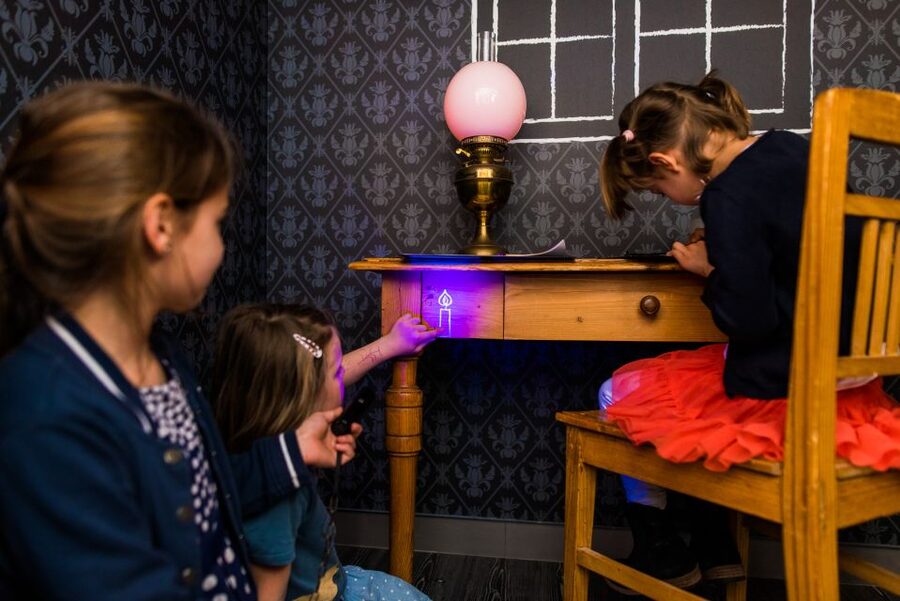
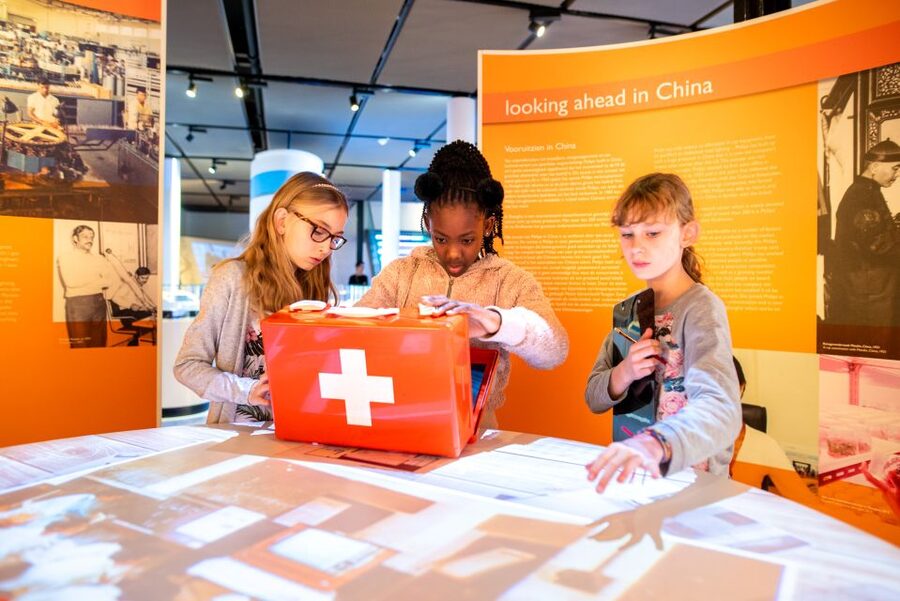
- Useful for families: Children can take on the Torchlight Treasure Hunt, while the Museum Kids Factory and Mission Eureka are separate options.
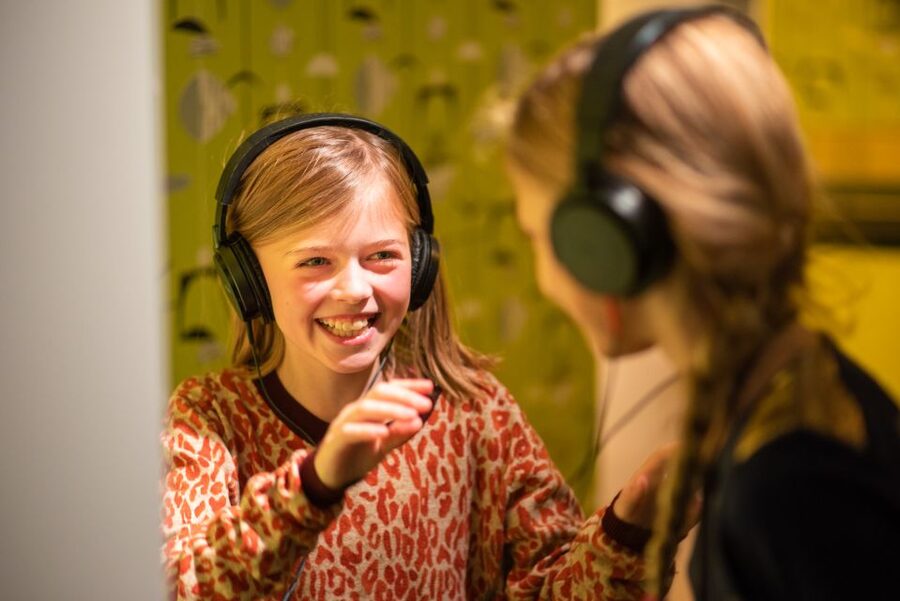
- Easy, flexible visit: Your ticket is valid for one day, audio is available in seven languages, and the museum is wheelchair accessible.
Start with the factory where Philips began
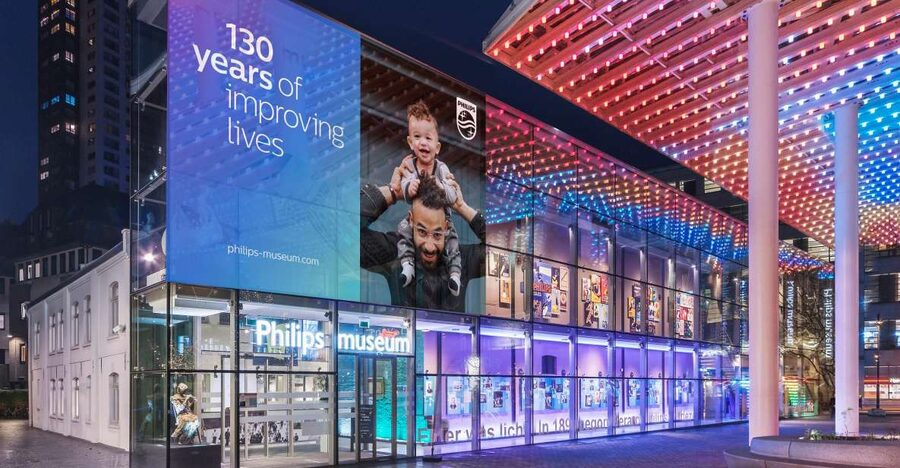
The building gives the museum its strongest opening. Philips began producing lightbulbs in Eindhoven in 1891, and the museum occupies that former factory site. That setting helps you picture the company as a working industrial operation, not just a famous modern brand.
The first section takes you back to the early days of electric light. You can see how lightbulbs were made and consider what electric lighting meant at the time. The point is not only how a bulb worked. It is how dependable artificial light altered homes, workplaces, streets, and daily schedules.
I like this approach because it gives the later displays a clear starting point. When you eventually reach televisions, digital products, and healthcare technology, you can see the thread connecting them: Philips kept trying to make useful technology part of everyday life.
The museum focuses on the company and its products, so you should not expect a broad industrial museum covering every Dutch manufacturer. If you want Eindhoven’s local story through one influential company, though, the old factory is a strong place to begin.
More museums in Eindhoven:
- Eindhoven: PSV Stadium Museum Entry Ticket
★ 4.1 · 101 reviews - Eindhoven: Next Nature Museum Entry Ticket
★ 3.9 · 83 reviews - Amsterdam: Van Gogh Museum Ticket
★ 4.7 · 52,054 reviews
Follow the Philips timeline from light to healthcare
The main route moves through Philips’ history in order. You walk past the company timeline and encounter products and inventions step by step, from the previous century through the present day.
This layout makes the museum easy to follow. You do not need to arrive with much background. The sequence lets you connect one stage to the next:
- Electric light and the company’s earliest work
- Radio and the spread of home electronics
- Television and changing entertainment habits
- The digital age and newer forms of technology
- Healthcare innovation and Philips’ current direction
The display is most useful when you pause to think about what each product changed. Radio brought news and entertainment into homes. Television altered how people spent leisure time. Digital technology changed the way information moved and how devices connected with daily routines.
The museum also gives attention to Gerard Philips, the company’s founder. You get a glimpse into his thoughts and actions, which adds a human element to the corporate timeline. That matters because the museum is not only asking what Philips produced. It is also asking how a company built around invention makes decisions and keeps changing course.
Philips no longer centers its identity on household electronics in the way many people remember. The museum explains the company’s major focus on healthcare today and its goal of improving people’s lives through technology. That shift is important context, especially if your memory of Philips begins with a television, cassette player, shaver, or lamp.
See familiar products with fresh context
The Philips displays work best for anyone who remembers older household products. You might recognize items from your own home or from a parent’s or grandparent’s house. That recognition turns a corporate collection into something personal.
The museum’s product story also suits younger visitors who know Philips mainly as a modern healthcare or technology company. They can see how earlier inventions became part of normal life, then compare them with current ideas.
I would allow time to stop at products you already know instead of rushing through the timeline. A familiar object can tell you more about changing habits than a technical label alone. You may find yourself thinking less about the gadget and more about how people listened, watched, communicated, or managed their homes before newer technology arrived.
The museum’s tone is generally approachable rather than highly technical. Still, the experience is not simply a row of nostalgic objects. Its main question is how innovation affects society. That makes the visit worthwhile for adults who want context, not just a quick collection of old Philips equipment.
Meet the future in the brAInpower exhibition
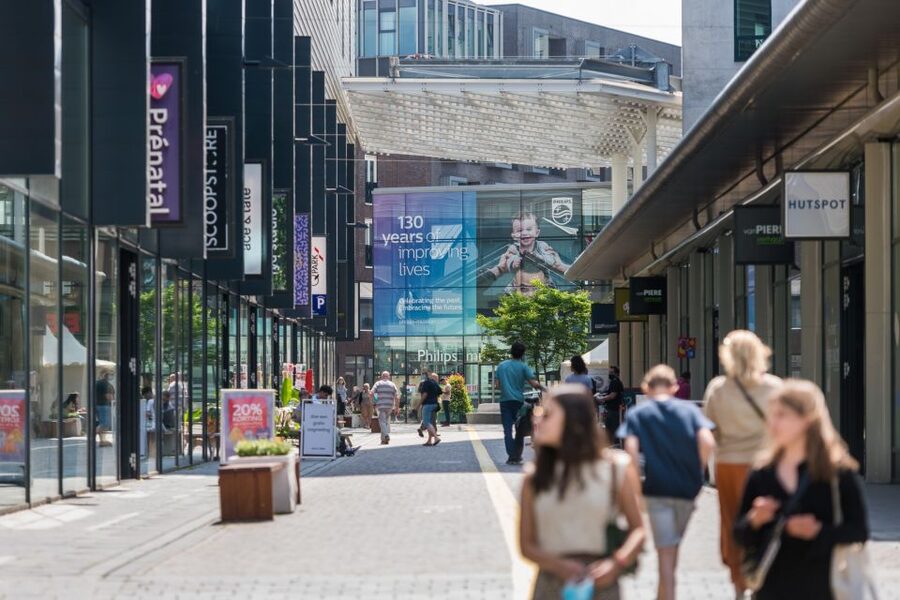
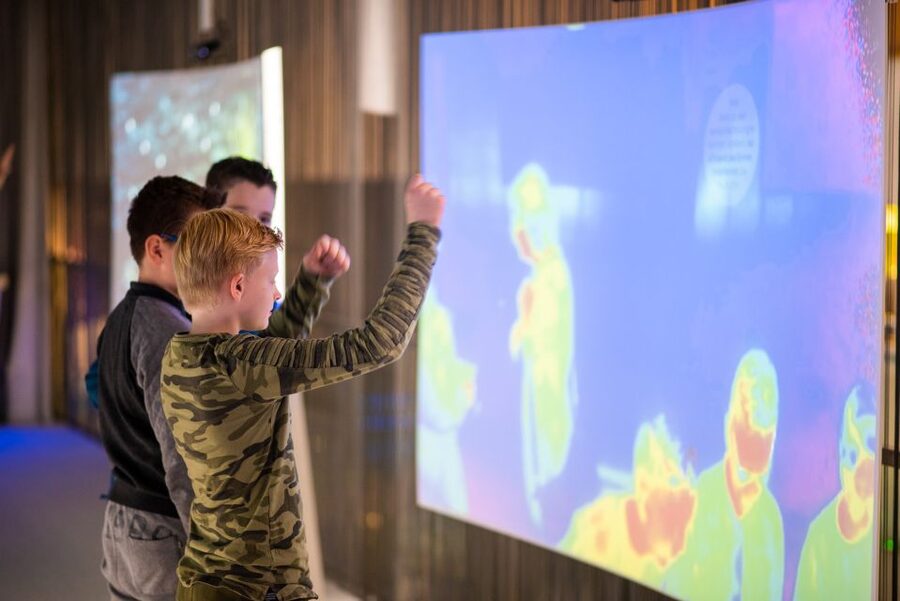
The brAInpower exhibition turns the museum toward artificial intelligence. It looks at the history and future of AI and Philips’ role in this field.
This section gives the visit a useful change of pace. The early lightbulb displays are about physical manufacturing and basic electrical technology. The AI section asks larger, newer questions about how computers process information and how technology may support people in the future.
I like having both ends of that story in one building. You begin with a simple but important invention, then reach a subject that is still changing. The contrast shows how far technology has moved while keeping the museum’s main idea intact: Philips repeatedly reinvents itself as society’s needs shift.
Do not expect this ticket to turn the museum into a full technology course. The information available here is designed for a museum visit, with an accessible route through the subject. If AI is your main reason for visiting, check how much of the brAInpower display is operating on your date and allow enough time to read and interact with it.
The AI exhibition is also a good reason for repeat visitors to return. Temporary material and scheduled programs can change the feel of the museum, even if the main Philips timeline remains familiar.
A few more Eindhoven trips worth a look
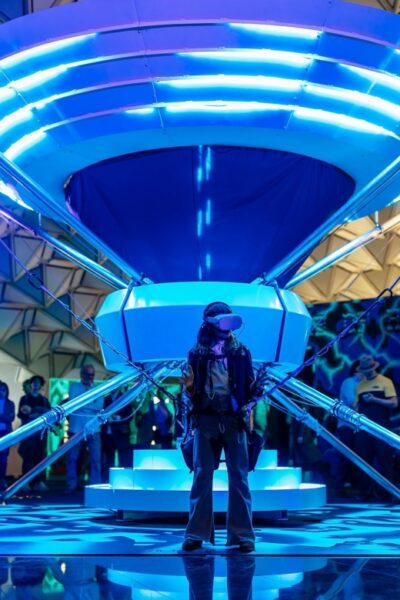
- Eindhoven: Motion Experience Light Art Playground Ticket
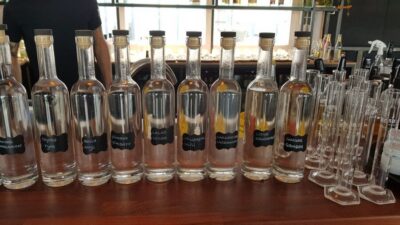
★ 4.0 · 168 reviews - Eindhoven: Bottle Distillery Tour and Tasting Experience
★ 4.9 · 74 reviews - Eindhoven: City Center Walking Tour
★ 4.7 · 43 reviews - Discover the best spots in Eindhoven with Outside Escape
★ 4.5 · 40 reviews
Check the included activities before you arrive
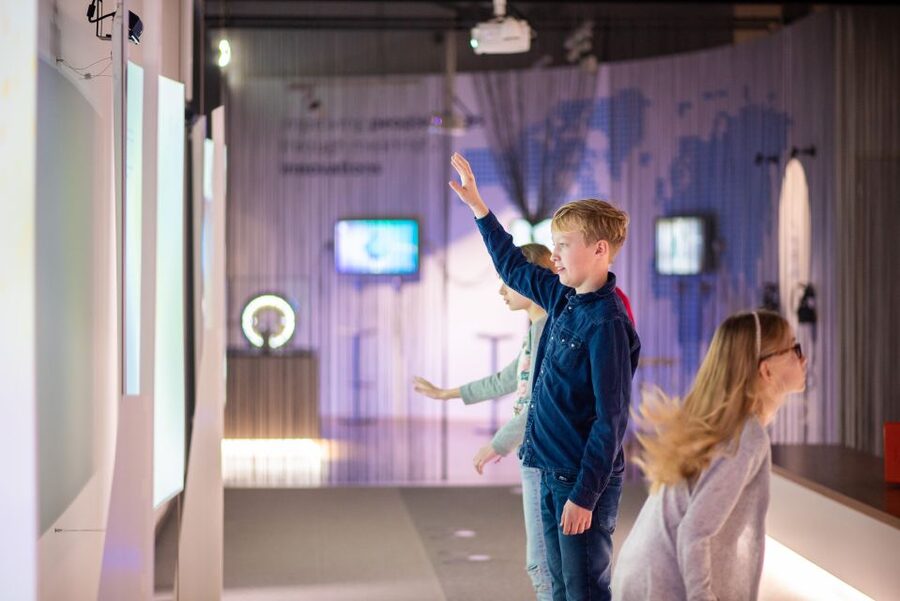
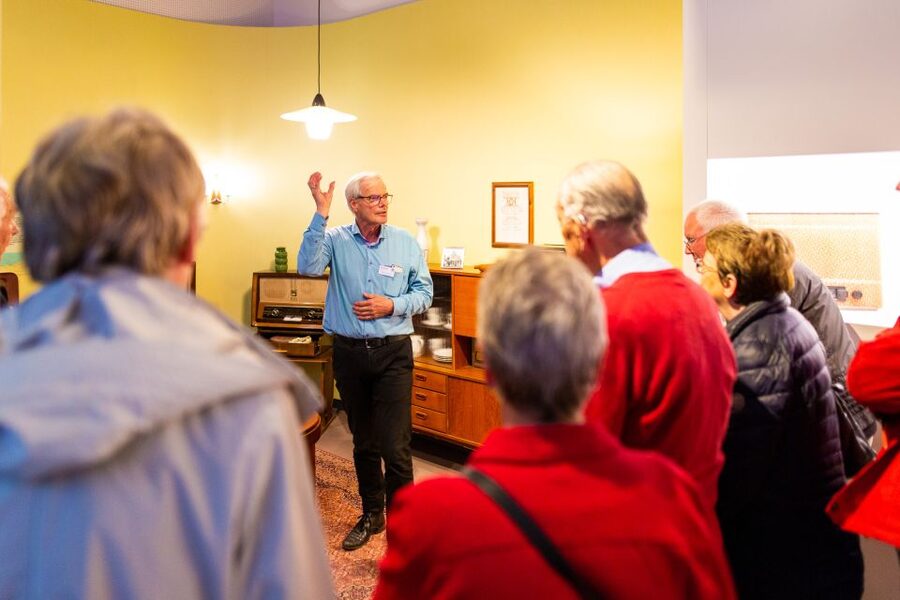
Your entry can include scheduled activities such as Mini Lectures and the performance The Lamp. These are useful additions because they give the visit a more active rhythm than reading display panels alone.
The exact schedule matters. Your ticket is valid for one day, but that does not mean every activity runs continuously. Check availability and starting times before you book, then plan your arrival around any program you want to catch.
The Lamp performance is especially relevant to the building’s story because it connects the museum’s theatrical presentation with Philips’ earliest product. Mini Lectures can offer a compact way to learn more without committing to a full guided tour.
Temporary exhibitions included with entry can include Eyecatchers and PSV, Eendracht maakt macht. These give you a reason to look beyond the permanent company timeline. PSV content adds a local Eindhoven angle through football, while Eyecatchers suggests a display focused on visual design or memorable objects. The supplied details do not specify the full contents or dates of these exhibitions, so check what is showing when you plan your visit.
A guided tour is not included. That distinction is easy to miss. You get access to the museum and listed included activities, but you should not arrive expecting a guide to lead your group from room to room.
Make the most of the audio tour
The audio tour is available in Dutch, English, German, French, Turkish, Spanish, and Italian. That is a real advantage if you prefer listening to reading, or if members of your group are more comfortable in different languages.
The available host or greeter languages are Dutch and English. The audio tour offers a wider choice, but those are separate things. If you need help on arrival, Dutch or English is the information provided for staff support.
I would use the audio tour selectively. Listen closely through the opening factory section, the Gerard Philips material, and the changes from radio to television and digital technology. Then move at your own pace through displays that already feel familiar.
The audio format also helps families or mixed-interest groups. One person can listen while another spends time with an interactive display or product case. You are not tied to a guide’s pace, which makes a one-day ticket flexible.
Allow time for football and family activities
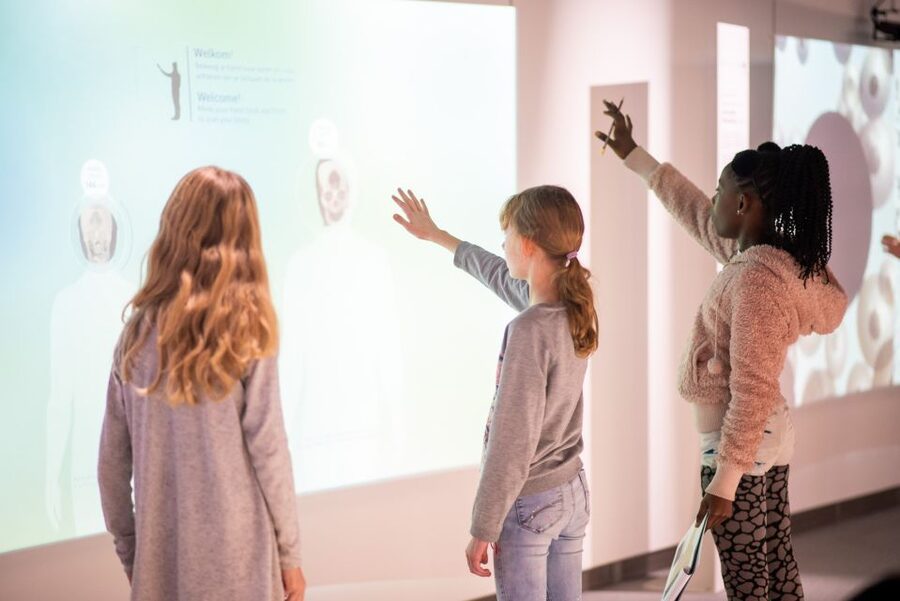
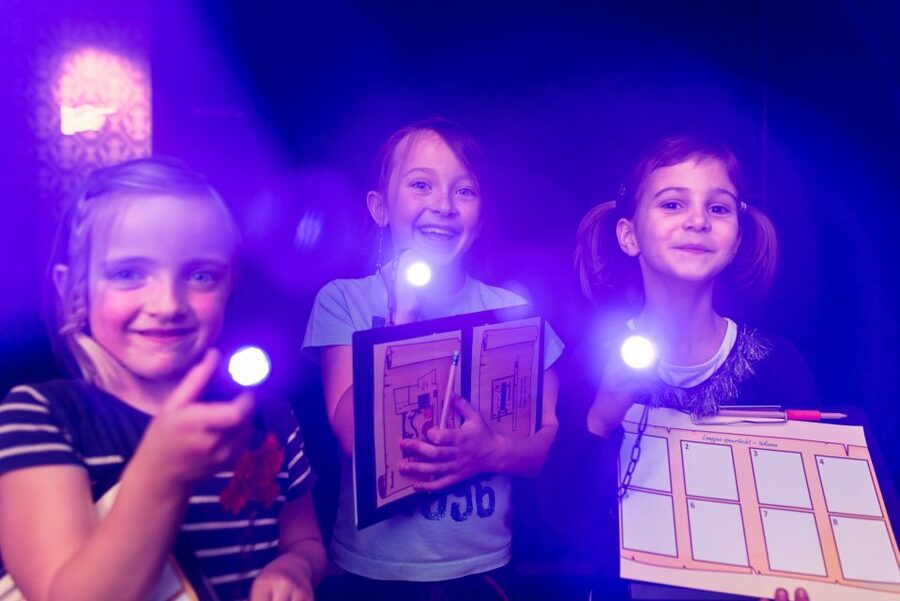
The museum has enough variety to work for a mixed-age group, but not every family option is included. The Torchlight Treasure Hunt is included, making it a practical choice if children need a clear task while adults examine the timeline.
The Museum Kids Factory is listed as a scheduled activity but is not included in this entry ticket. The group game Mission Eureka is also separate. If either one matters to your visit, check its availability and price rather than assuming your €14 ticket covers it.
This distinction helps you budget honestly. The base ticket is a straightforward admission price, but a family visit can cost more if you add paid activities, food, or drinks. The museum itself does not include food and drinks in the ticket.
The PSV, Eendracht maakt macht exhibition can add local flavor for football fans. It also broadens the visit beyond company products. If your group includes someone who is less interested in technology, a football display may give that person another reason to enjoy the museum.
A morning visit may be worth considering if you prefer a quieter setting. One recent assessment specifically noted that there were not many people in the morning, along with praise for the interactive AI section and football display. That is not a guarantee, but it is a sensible time to try if you want more room at the exhibits.
Judge the €14 ticket by your interests
At about $14 per person, this is a modest museum ticket for a full-day validity period. The value is strongest if you plan to spend enough time with the permanent displays, audio tour, AI exhibition, and any included scheduled activities.
It is less compelling if you only want a quick look at old lightbulbs. The museum’s appeal comes from the full arc: factory beginnings, changing consumer products, social effects, AI, and healthcare. Give that story time and the price makes more sense.
The ticket also includes storage lockers for baggage or personal belongings. That is useful if you are visiting between trains, carrying shopping, or do not want a day bag in your way. Cash is not accepted, so plan to pay by another method.
You can present a museum card or student card for a discount. Bring the relevant card if you have one, since the standard price may not be your best rate.
Free cancellation is available up to 24 hours in advance, and you can reserve now while paying later. Those terms help if your Eindhoven plans are still moving, but the key practical point remains the activity schedule. A flexible booking does not guarantee a preferred Mini Lecture or performance time.
Location and practical comfort in Eindhoven
The Philips Museum is close to a central area of Eindhoven, making it easy to add to a city visit. Parking lots are available nearby, according to the practical information provided, so you have options if you are arriving by car.
The museum is wheelchair accessible. Lockers make arrival simpler, especially if you are combining the visit with other Eindhoven stops. Since the ticket is valid for one day, you do not need to rush through every section at one fixed time.
The museum’s central position also makes it useful on a poor-weather day. You can build a short Eindhoven outing around it, or use it as a focused stop during a broader city visit. No transport package is included, so you arrange your own way there.
Who will get the most from this visit
I would recommend the Philips Museum to:
- Adults who remember Philips household products and want to see how they fit into a larger story
- Families looking for an indoor activity with a children’s treasure hunt
- Students and technology fans interested in AI, digital change, and healthcare
- Football fans who want to see the PSV temporary exhibition
- Visitors who prefer a self-guided museum with audio in several languages
- Anyone interested in Eindhoven’s connection to industry and invention
I would be more cautious if your main goal is a guided, highly interactive science center. The guided tour is not included, and some family activities cost extra. You also may find the company focus narrow if you are looking for a broad survey of Dutch culture.
The museum is particularly effective for a first visit to Eindhoven because it explains why the city became associated with technology and industry. It gives you a useful local framework without requiring a full-day commitment outside the city.
Should you book the Philips Museum?
Book it if you want a clear, self-guided story about how one company moved from lightbulbs to modern healthcare and AI. The 1891 factory setting, multilingual audio, included Torchlight Treasure Hunt, and changing exhibitions give the €14 ticket solid value for a thoughtful visit.
Skip it if you only have time for a very brief stop, do not care about technology or product history, or need a guided tour included in the admission price. Families should check the costs and times for Mission Eureka and Museum Kids Factory before deciding.
For most visitors with a spare part of the day in Eindhoven, I would book the ticket, check the scheduled programs first, and aim for the morning if you prefer a quieter visit.
FAQ
Where is the Philips Museum located?
The Philips Museum is in Eindhoven, in North Brabant, Netherlands. It is close to a central area of Eindhoven.
How much does admission cost?
The listed price is $14 per person. You may receive a discount by presenting a museum card or student card.
How long is the ticket valid?
The ticket is valid for one day. Check availability for the starting times of scheduled activities.
Is a guided tour included?
No. Entry to the museum is included, but a guided tour is not.
Is an audio tour available?
Yes. Audio tours are available in Dutch, English, German, French, Turkish, Spanish, and Italian.
What languages are available from the host or greeter?
The host or greeter languages are Dutch and English.
Is the museum wheelchair accessible?
Yes. The museum is wheelchair accessible.
Are food and drinks included?
No. Food and drinks are not included in the admission ticket.
Are family activities included?
The Torchlight Treasure Hunt is included. The Museum Kids Factory and Mission Eureka are not included.
Can I cancel my booking?
Yes. You can cancel up to 24 hours in advance for a full refund. A reserve-now-and-pay-later option is also available.
Just added around Eindhoven
- Roermond Self Guided Sherlock Holmes Murder Mystery Game★ 4.5 · 3 reviews
- Eindhoven: Private Guide for a Bike Tour★ 5.0 · 4 reviews
- Eindhoven: journey to the future★ 5.0 · 6 reviews
- Comedy Walks© Eindhoven (the comedy walking tour)★ 3.5 · 10 reviews
- Eindhoven: E-Fatbike Tour In The Footsteps of Vincent van Gogh★ 4.0 · 11 reviews
- e-Scavenger hunt Roermond: Explore the city at your own pace★ 4.5 · 16 reviews
- Eindhoven: Strijp-S Industrial Park Guided Walking Tour★ 4.3 · 21 reviews
- Eindhoven: Guided bicycle tour of the Highlights of Eindhoven★ 5.0 · 27 reviews
Eindhoven Tours, compared.

e-Scavenger hunt Den Bosch: Explore the city at your own pace
Read our review →
Browse the lists this tour appears in