
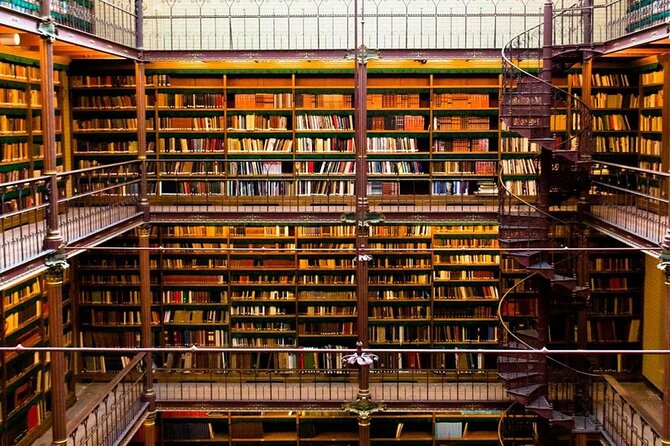
Reviewed · AMSTERDAM TOURS
Amsterdam Rijksmuseum Guided Tour
The best part of this Rijksmuseum visit is the way it connects famous paintings to the society that made them possible. You’ll see Rembrandt’s The Night Watch, dazzling still lifes, carefully staged interiors, and an elaborate dollhouse while learning how the new Dutch Republic created one of Europe’s strongest middle-class art markets.
I like the small maximum group of 15, which gives a guide room to explain details without turning the visit into a lecture from across a crowd. I also like the all-day museum ticket: once the two-hour tour ends, you can return to favorite galleries, visit the café, or browse the shop at your own pace.
The main consideration is the price, $116.40 per person, for an experience lasting about two hours. The ticket and personal guidance add value, but independent visitors who already know the Rijksmuseum well may prefer to save the money and explore alone.
Key points at a glance
- Rembrandt’s The Night Watch gets a central place among the Dutch Golden Age highlights.
- A professional English-speaking guide explains the art alongside its social and historical setting.
- The group is capped at 15 people, a useful size for questions and clear communication.
- Your Rijksmuseum admission lasts all day, not just for the guided portion.
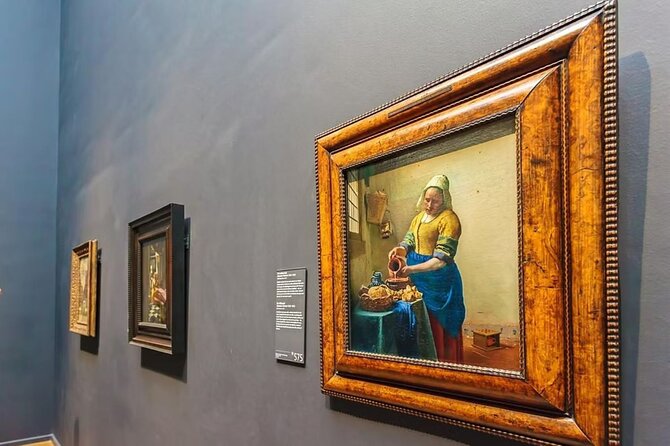
- The route includes unusual objects, including an intricate dollhouse and illusionistic interior paintings.
- Wheelchair and stroller access make this a practical choice for many visitors.
Why this Rijksmuseum tour is different from a quick museum visit
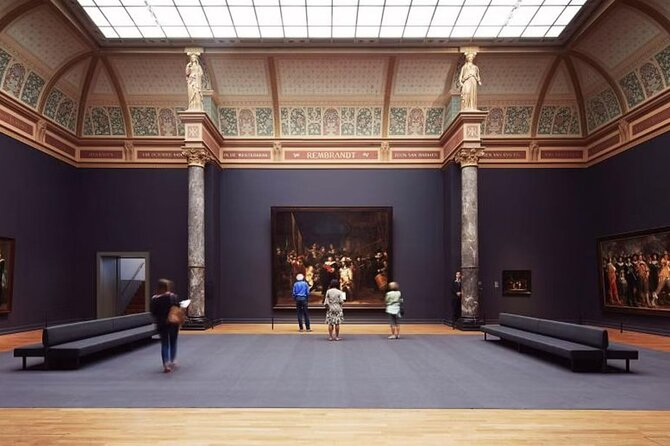
The Rijksmuseum can overwhelm you. It holds far more than the handful of paintings most people recognize, and a first visit can easily become a march from one famous room to another. This tour gives you a clear route through the Dutch Golden Age, the period when the young Dutch Republic grew wealthy, confident, and eager to display that success through art.
I like that the focus is not limited to famous names. You will look at the way painters created the illusion of texture, light, space, and ordinary domestic life. A still life can show more than fruit, glass, and silver. An interior painting can reveal how people wanted their homes and values to appear.
The guide also places the art in its wider setting. The Dutch Republic supported a large middle-class market for paintings, and that market shaped what artists produced. Instead of treating each work as an isolated treasure, the tour helps you see why so many homes wanted pictures, what subjects appealed to buyers, and how prosperity affected artistic taste.
That context is useful if you are not an art specialist. You do not need to arrive knowing the difference between every Dutch painter or period. The guide’s job is to point out what matters and explain why it matters.
More Rijksmuseum tickets:
- Amsterdam: Rijksmuseum Entry Ticket
★ 4.7 · 25,535 reviews - Amsterdam: City Canal Cruise and Rijksmuseum
★ 4.5 · 2,129 reviews - Rijksmuseum Amsterdam Small-Group Tour with Private Upgrade
★ 4.5 · 1,547 reviews
Meeting at Cobra Café on Hobbemastraat
The experience begins at Cobra Café, at Hobbemastraat 18 in Amsterdam. This is the stated meeting point, so you should plan to arrive there rather than going directly into the museum and trying to find the group inside.
The location is near public transportation, which makes the starting point fairly practical. Your voucher or booking confirmation should be checked before you leave, since confirmation is provided at the time of booking. The tour ends back at the meeting point according to the stated arrangements.
That last detail is worth noticing. The guided museum portion lasts about two hours, but your Rijksmuseum ticket remains valid for the entire day. You can therefore continue exploring on your own after the guided visit, even though the organized activity returns to its original meeting point.
Inside the Rijksmuseum: a focused route through Dutch art
Once inside, you and your group will concentrate on highlights from the Dutch Golden Age. The route is designed to give you a strong first impression rather than cover every room in the museum.
You can expect the guide to select important or especially interesting works and explain them in plain terms. Wybe, one of the guides associated with this experience, has been praised for choosing strong pictures and adding background. Marlene is another named guide connected with the tour, described as energetic and enthusiastic during the visit.
Guide quality matters here. A museum tour can be memorable when the guide notices what the group wants to understand and adjusts the explanation. One especially useful detail from the feedback is that Wybe personalized the experience successfully. That suggests you may receive more than a fixed speech, though the exact guide and approach cannot be guaranteed.
The group size helps. With no more than 15 people, you are less likely to lose the guide in a large gallery, and asking a question should be easier than on a packed coach-style tour. Still, museum conditions and the interests of other participants can affect the pace.
Rembrandt’s The Night Watch
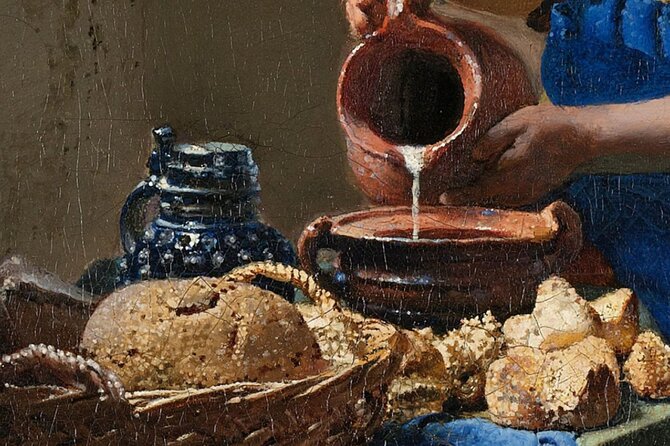
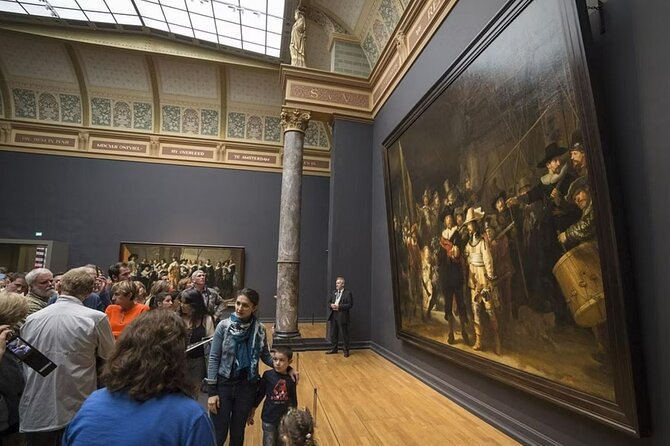
Rembrandt’s The Night Watch is one of the major reasons many people enter the Rijksmuseum. The painting is large, dramatic, and full of movement, with figures appearing to step forward from the darkness.
A guide can help you look past the first burst of spectacle. Notice how the composition directs your eye, how light picks out particular faces and objects, and how the scene feels more like a living moment than a formal lineup. The painting was made for a civic group, so its size and theatrical effect also tell you something about public pride in Amsterdam.
The tour promises insight into the historical and social setting around the works. That makes The Night Watch more useful than a simple photo stop. You will have a chance to consider who paid for paintings, why civic organizations wanted them, and how art displayed status in the Dutch Republic.
Because it is such a famous work, this room can be a highlight for some people and the busiest part of the visit for others. If you want time to study the painting quietly, use your all-day ticket to return later after the guided portion.
A few more Amsterdam trips worth a look
- Amsterdam: Van Gogh Museum Ticket
★ 4.7 · 52,054 reviews - Amsterdam Classic Saloon Boat Cruise with Drinks and Cheese
★ 5.0 · 31,825 reviews - Amsterdam Luxury Canal Cruise + Unlimited Drinks & Bites option
★ 5.0 · 30,518 reviews - Amsterdam: Heineken Experience Ticket
★ 4.6 · 30,055 reviews
Still lifes and illusionistic interiors
Dutch still lifes often reward careful looking. At first, you may see a polished arrangement of food, flowers, vessels, or other household objects. Then the small tricks begin to register: the surface of a lemon, the shine of metal, the transparency of glass, or the texture of fabric.
The tour highlights the illusionism in these paintings. That means you will be encouraged to think about how artists made flat surfaces look touchable and real. The skill is impressive, but the objects can also carry social meaning. Fine goods, imported food, and expensive household items could point to wealth, taste, or the fleeting nature of luxury.
Interior paintings offer another kind of illusion. A carefully painted room can look open enough to enter, with doors, tiled floors, windows, and furniture arranged to create depth. These scenes also offer clues about domestic life and the ideals people wanted to show in their homes.
I find this part of the route especially useful for visitors who think museum tours are only about famous portraits. The quieter works can explain daily life, private wealth, and the visual habits of the period. You may leave with a better sense of why the Dutch Golden Age was not only about grand public paintings.
The dollhouse that turns domestic life into art
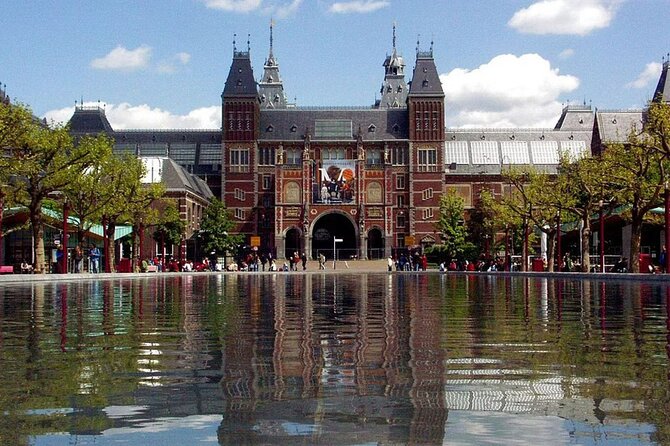
The Rijksmuseum’s dollhouse is one of the more unusual stops in the experience. It is not simply a toy in the modern sense. Its detail reflects the way a wealthy home could be represented in miniature, with rooms, furnishings, and objects arranged to show taste and status.
The tour describes it as the dollhouse every child dreams of, but its importance goes beyond its charm. It gives you a compact way to think about domestic life in the Dutch Republic. A full-size interior painting shows a room on canvas. A dollhouse lets you inspect an entire household in three dimensions.
This is also a useful change of pace. After looking at large canvases and famous names, a carefully made miniature can pull your attention toward small details. Families may find this stop more approachable than a long run of formal paintings, while adults can appreciate what it reveals about wealth and social display.
The guide’s explanation is important because a quick glance could make the piece seem like a curiosity. With context, it becomes part of the larger story about the Dutch art market and the value placed on refined household objects.
What the two-hour format gives you
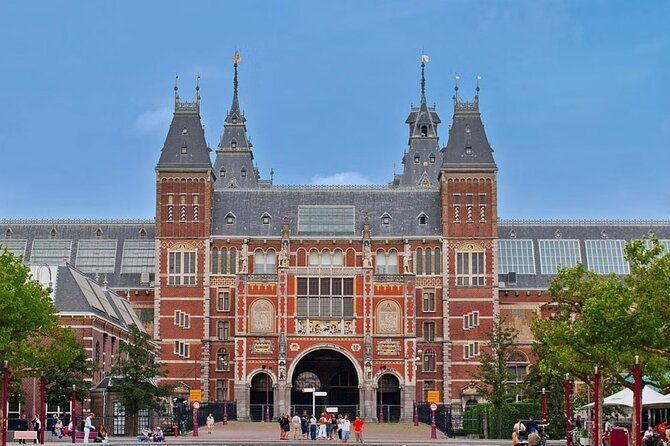
Two hours is long enough to build a coherent picture of the collection without using your entire day. You will not see everything in the Rijksmuseum, and that is a strength rather than a failure. Trying to cover every gallery in one visit usually leaves you tired and unable to remember much.
The organized route should help you spend your attention well. You will receive explanations of selected highlights, historical background, and connections among paintings and objects. The pace may feel quick if you want to study every work at length, but the all-day ticket solves part of that problem.
After the tour, you can continue alone and revisit works that caught your eye. You can also explore other parts of the permanent collection, take a break in the museum café, or browse the museum shop. I would treat the guided portion as your introduction and the remaining hours as your chance to follow your own interests.
The ticket is included in the $116.40 price and remains valid all day. That matters when judging the cost. You are not paying only for two hours inside a museum. You are paying for admission plus an English-speaking guide who organizes the visit and provides interpretation.
Still, the value depends on your habits. If you enjoy art but find large museums hard to navigate, the guidance can justify the price. If you are comfortable reading labels, planning your own route, and spending several hours alone with the collection, the added cost may be harder to defend.
Group size, language, and guide style
The experience is offered in English, so you should be comfortable following an English-language explanation for the full tour. There is one professional guide for a group of up to 15 people.
The small group is one of the strongest practical features. It is not a private tour, but it is more personal than a large group with several dozen people. You can expect a shared route, and the group’s pace will influence how long each work receives.
The named guides connected with this experience include Wybe and Marlene. Wybe has been praised for selecting the most interesting pictures and adding useful background. Marlene has been described as energetic and enthusiastic, even when some participants made the visit more difficult.
That last point is a reminder to keep expectations sensible. A guide can organize the route and explain the art, but no tour can control every participant. If you want complete freedom to linger, sketch, photograph, or move at your own speed, the guided format will impose some limits.
Accessibility and practical comfort
The experience is wheelchair and stroller accessible, and most people can participate. It is also near public transportation, which helps you reach the meeting point without needing a special transfer.
Food and drinks are not included. Since the museum café is available after the tour, you can make your own plan for a break, but you should budget separately for anything you purchase there. The museum shop is also available if you want a book or souvenir after the visit.
Tips and gratuities are not included in the listed cost. You should decide for yourself whether you want to tip the guide based on the service you receive.
The activity is non-refundable and cannot be changed for any reason. That is the biggest booking risk. Only reserve once your Amsterdam schedule is firm, since canceling or requesting an amendment does not result in a refund.
Who will get the most from this visit
I would recommend this tour to a first-time Rijksmuseum visitor who wants structure, background, and a sensible route through major Dutch works. It is also a good fit for art buffs who enjoy hearing how paintings connect to trade, domestic life, civic pride, and social change.
Families may appreciate the dollhouse and the variety of objects. The stroller and wheelchair access adds practical value, though the shared pace may not suit someone who needs frequent stops or extended rest.
This is less suitable for an independent museum expert who already has a detailed plan. It may also disappoint anyone expecting a full museum tour, since two hours can cover only selected highlights. Think of it as a guided introduction followed by open museum time.
Should you book the Amsterdam Rijksmuseum Guided Tour?
Book it if you want an English-speaking professional to make the Rijksmuseum easier to understand, especially on a first visit. The small group, strong focus on Dutch Golden Age art, named guides such as Wybe and Marlene, and all-day ticket make the package more useful than a rushed highlights walk.
I would skip it if you prefer total independence or are mainly looking for the lowest-cost museum admission. At $116.40, the price is substantial, and the non-refundable terms require a firm schedule.
For most visitors who value context and direction, the best plan is to use the two-hour tour to learn the museum’s main story, then stay on with your ticket and explore at your own pace. That combination gives you both a guide’s framework and the freedom to follow your own eye.
FAQ
How long does the Amsterdam Rijksmuseum Guided Tour last?
The guided experience lasts approximately two hours.
What language is the tour offered in?
The tour is offered in English and includes a professional English-speaking guide.
Is the Rijksmuseum entrance ticket included?
Yes. The entrance ticket is included in the booking price.
Can I stay in the Rijksmuseum after the guided tour?
Yes. Your ticket is valid for the entire day, so you can continue exploring independently after the guided portion.
What does the tour focus on?
The route focuses on highlights of the permanent collection, especially Dutch Golden Age art, including The Night Watch, still lifes, interior paintings, and the dollhouse.
Where does the tour begin and end?
The tour begins at Cobra Café, Hobbemastraat 18, 1071 ZB Amsterdam. The activity ends back at the meeting point.
Is the tour wheelchair and stroller accessible?
Yes. The experience is wheelchair and stroller accessible, and most people can participate.
Just added around Amsterdam
- Amsterdam: Giethoorn Tour with Canal Cruise and Windmills★ 5.0 · 3 reviews
- Full-day excursion to Edam, Volendam, and Marken★ 3.7 · 3 reviews
- Amsterdam: Chocolate Fondue in the Dark★ 5.0 · 3 reviews
- Amsterdam Family Friendly Historical Walking Tour★ 5.0 · 3 reviews
- Amsterdam Private Walking Tour of Famous Painters★ 5.0 · 3 reviews
- Amsterdam Old-West Vegan Food Tour with Local Guide★ 4.7 · 3 reviews
- From Amsterdam: visit Zaanse Schans, Muiderslot and more!★ 5.0 · 3 reviews
- Amsterdam: Beer Tasting with Paired Bites at Eighty-Four★ 5.0 · 3 reviews
Amsterdam Tours, compared.


Amsterdam Classic Saloon Boat Cruise with Drinks and Cheese
Read our review →
Amsterdam Luxury Canal Cruise + Unlimited Drinks & Bites option
Read our review →


Classic Boat Cruise with Optional Cheese & Wine
Read our review →
Evening Cruise with Optional Wine and Snacks
Read our review →
75 Minute City Canal Cruise with Audio Guide
Read our review →Browse the lists this tour appears in