
Reviewed · AMSTERDAM TOURS
Amsterdam: Rijksmuseum Guided Tour and Ticket
The best reason to book this Rijksmuseum guided tour is simple: a good guide gives you a way into a very large museum. In two hours, you move from the Dutch Republic’s new middle-class art market to Rembrandt’s The Night Watch, then on to portraits, still lifes, Delftware, dolls’ houses, and other carefully chosen works.
I like the clear focus on the Dutch Golden Age, and I like that your ticket remains valid all day. Guides such as Martina, Kawika, Claire, Marlena, and Sylvia have been praised for making small details, social customs, and painting techniques easy to understand. The main drawback is the short time. Two hours is enough for a strong introduction, not enough for all 8,000 works.
Key points to know
- The Night Watch is the main event: See Rembrandt’s huge militia painting and learn how its scale and composition changed group portraiture.
- The tour gives the museum a story: Your guide links art to the growth of the Dutch Republic and its middle-class market.
- You can stay after the tour: The entrance ticket is valid all day, so return to rooms you missed or explore alone.
- The guides shape the experience: Martina, Kawika, Claire, Marlena, and others are praised for clear explanations, humor, and personal insight.
- Pack light: Only a handbag or small, thin backpack is allowed. Large bags, suitcases, and umbrellas cannot enter.
- Arrive early: The museum uses strict time slots, and late arrivals cannot join once the ticket has expired.
Why a guided Rijksmuseum visit helps
The Rijksmuseum is not a small collection you can casually sweep through in an hour. It holds about 8,000 works on display, covering paintings, decorative arts, furniture, historical objects, and more. Without a plan, you can spend your best energy finding rooms instead of looking closely at the art.
This tour gives you a route through the museum’s Dutch highlights. Your guide explains not just who painted a work, but why it was made, who paid for it, and what it tells you about Dutch society. That context matters. A still life becomes more than fruit and silver when you understand how illusion, wealth, trade, and domestic pride shaped the picture.
I especially like the way the tour connects household art with public art. You may move from a formal portrait to a family interior by Jan Steen, then to a dolls’ house or Delftware. These objects show how art entered ordinary homes, not just churches and palaces.
The pace is active, but it is not meant to feel like an exhausting march through every gallery. The goal is to help you see a selection well. If you want a slow look at every painting, use the ticket after the guided portion.
More Rijksmuseum tickets:
- Amsterdam: Rijksmuseum Entry Ticket
★ 4.7 · 25,535 reviews - Amsterdam: City Canal Cruise and Rijksmuseum
★ 4.5 · 2,129 reviews - Rijksmuseum Amsterdam Small-Group Tour with Private Upgrade
★ 4.5 · 1,547 reviews
Meeting at Museumplein and entering the museum
You meet at Cobra Cafe, at Museumplein beside the Rijksmuseum. The exact meeting point can vary with the option you book, so check your confirmation carefully rather than assuming every group gathers in the same spot.
Your guide has the Rijksmuseum entrance ticket ready at the start. This is useful because it removes one task from your arrival, but it also makes punctuality important. The museum works with strict entry times. If you arrive after the tour begins, you cannot simply walk in later, since the entrance ticket expires at the scheduled start.
Bring a passport or other ID card. Leave large luggage, suitcases, and umbrellas elsewhere. The museum allows handbags and small, thin backpacks, but not oversize bags. This is one of those small Amsterdam planning details that can save you a frustrating start.
Once inside, the tour begins its guided route through the collection. The exact order can change, and artworks may be unavailable if they are on loan or being conserved. That is normal in a working museum, so treat the route as a thoughtful selection rather than a promise that every named object will be on view.
The Dutch Republic through art and objects
The guide’s main job is to make the period understandable. The tour looks at the art and objects that defined the new Dutch Republic, a society where an expanding middle class created one of the largest art markets of its time.
That social setting explains why the collection includes so many different types of work. Portraits could show status and family identity. Still lifes displayed skill while hinting at wealth, trade, time, and mortality. Domestic scenes offered glimpses of behavior, humor, and household life.
You will hear about the illusionism of still-life painting. A skilled artist might make glass appear transparent, metal look reflective, or fruit seem ready to lift from the table. These pictures reward close looking, and a guide can point out the small tricks your eye might miss when you walk past alone.
The value here is not simply factual. You begin to understand why Dutch artists painted the subjects they did, and why buyers wanted them. That makes the collection feel less like a random collection of famous names and more like a record of a changing society.
Rembrandt’s portraits and The Night Watch
Rembrandt receives the greatest attention, and rightly so. The tour includes several of his portraits, giving you a chance to compare how he handled faces, clothing, age, expression, and status.
A guide can also point out how Rembrandt’s approach developed. Instead of presenting people as flat symbols of rank, his portraits often suggest personality and inner life. Look for the details around the face, the direction of the gaze, and the way light directs your attention.
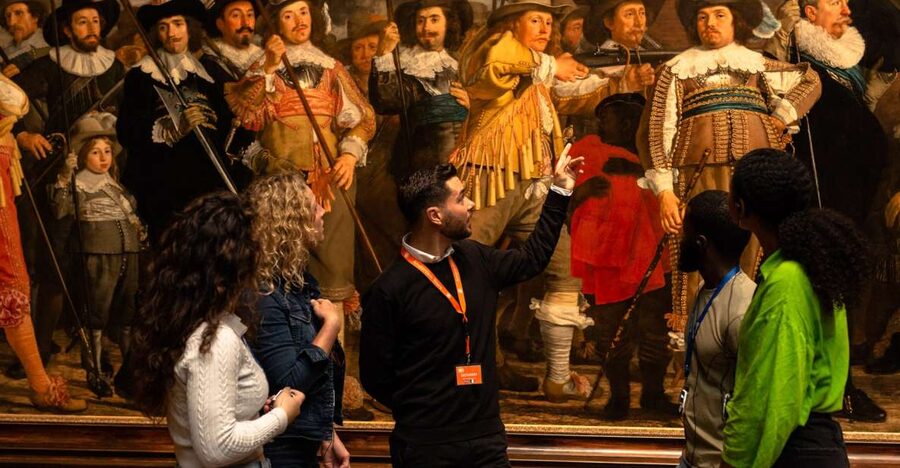
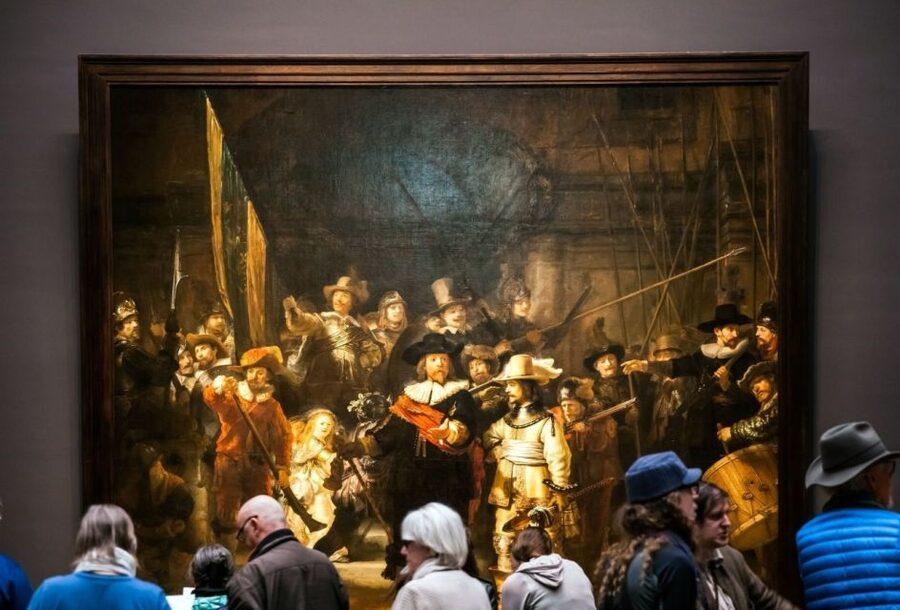
Then comes The Night Watch, Rembrandt’s famous militia painting. Its scale is part of its power. The work does not arrange every figure in a neat row. It creates movement, overlapping bodies, gestures, weapons, uniforms, and dramatic light.
The guide explains how that composition works and why the painting mattered. Standing before it with a clear plan helps, because the room can become crowded and the canvas can initially feel visually noisy. Rather than trying to take in everything at once, start with the overall movement, then follow the figures and bright areas your guide identifies.
This is also a good place for your headphones or listening equipment, if provided for your group. One guide, Kawika, was especially appreciated for using headsets so the explanation remained audible in a busy museum. Not every group experience feels the same, but clear sound can make a major difference when several people are gathered around one famous painting.
A few more Amsterdam trips worth a look
- Amsterdam: Van Gogh Museum Ticket
★ 4.7 · 52,054 reviews - Amsterdam Classic Saloon Boat Cruise with Drinks and Cheese
★ 5.0 · 31,825 reviews - Amsterdam Luxury Canal Cruise + Unlimited Drinks & Bites option
★ 5.0 · 30,518 reviews - Amsterdam: Heineken Experience Ticket
★ 4.6 · 30,055 reviews
Ferdinand Bol, Jan Steen, and the wider collection
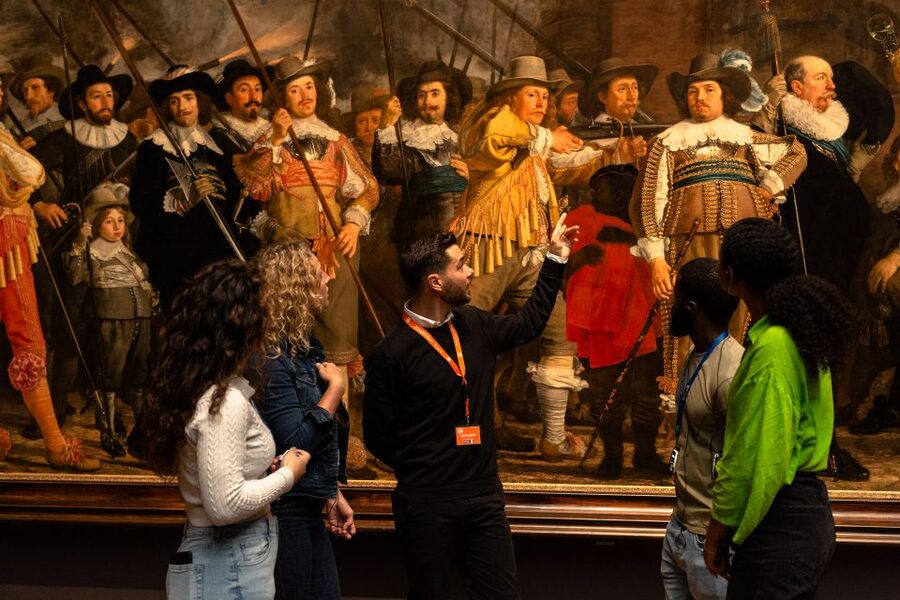
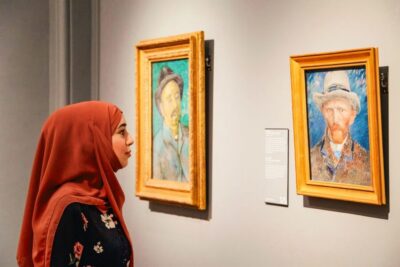
The tour does not stop with Rembrandt. Ferdinand Bol’s self-portrait adds another view of the period and helps show how artists represented themselves within the professional art world.
You will also see works connected with Jan Steen’s family interiors. These scenes are more than cheerful pictures of domestic life. They can contain jokes, warnings, disorder, and clues about expected behavior. A guide who takes time with these details can turn a familiar-looking household scene into a lively social document.
The route may also include Delftware and seventeenth-century dolls’ houses. These are important because they widen your idea of what belongs in a major art museum. The Rijksmuseum is not only a place for large oil paintings. Furniture, ceramics, miniature interiors, and household objects show how design and craftsmanship shaped daily life.
The dolls’ houses are especially useful for understanding wealth and taste. They are not child-sized playthings in the modern sense. They represent carefully made domestic worlds, with tiny furnishings that reveal how much value people placed on the home and its contents.
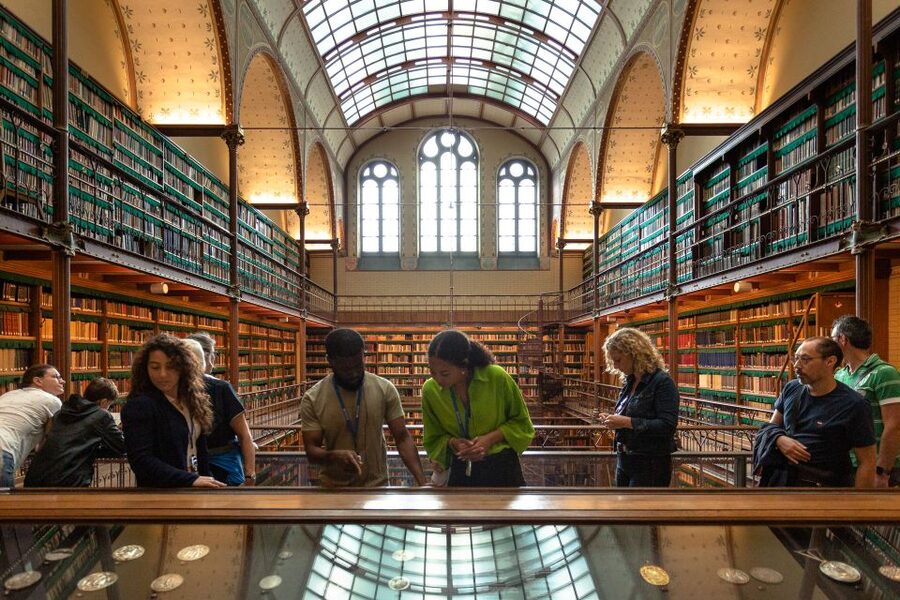
The Pierre Cuypers Library gives the museum another visual change. Its historic interior and collection of books create a quieter counterpoint to the grand painting galleries. Your guide may use it to explain the museum itself, its architecture, or the way art scholarship has been organized.
What the guides do best
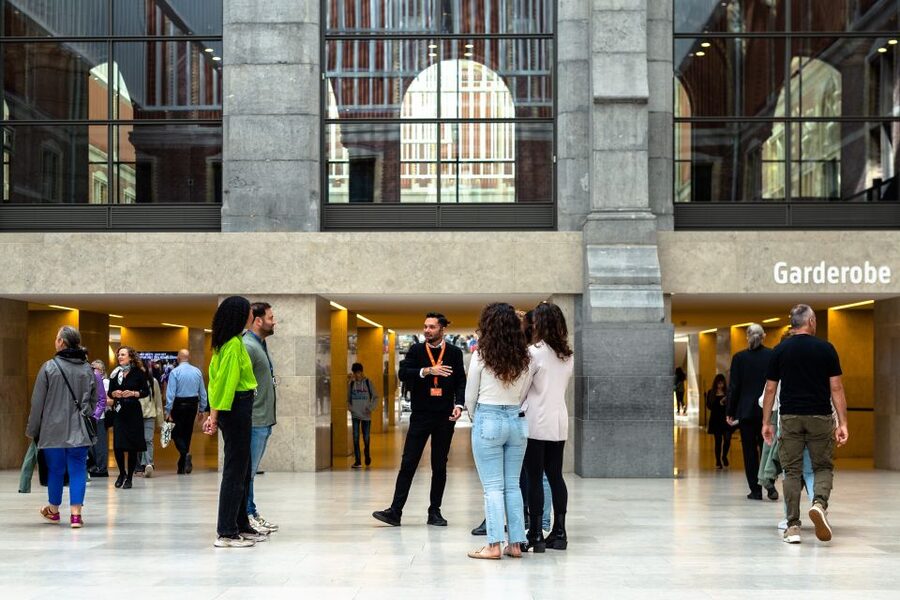
The strongest part of this experience is the human explanation. The guides are not all identical, and the exact personality depends on who leads your group, but the praised qualities are consistent: clear speech, enthusiasm, humor, strong art knowledge, and an ability to connect with different ages.
Martina is particularly associated with detailed explanations of the second floor and Dutch masters. Her approach includes the composition of paintings, the meaning of overlooked details, and the social background behind the subjects. If you want to know what you are looking at rather than simply collect famous titles, that style should suit you.
Kawika has been praised for bringing both art and history to life, while Claire and Claire W. are noted for lively presentation and a personal viewpoint. Marlena focuses on key works and gives the background needed to appreciate them. Sylvia is described as friendly, clear, and good at explaining material at the group’s level.
Other guides, including Kiran, Ronald, Gosse van der Leij, Wybe Rood, and Daniel, have also been singled out for storytelling, patience, humor, and professional handling of the group. One guide with Dutch roots added local historical perspective and made an effort to connect with each person.
You should not expect the same guide every day, and you cannot choose a particular person from the information provided. Still, the range of positive guide feedback suggests that the tour depends heavily on live interpretation, which is exactly what you want from a guided museum visit.
A two-hour route with room to continue
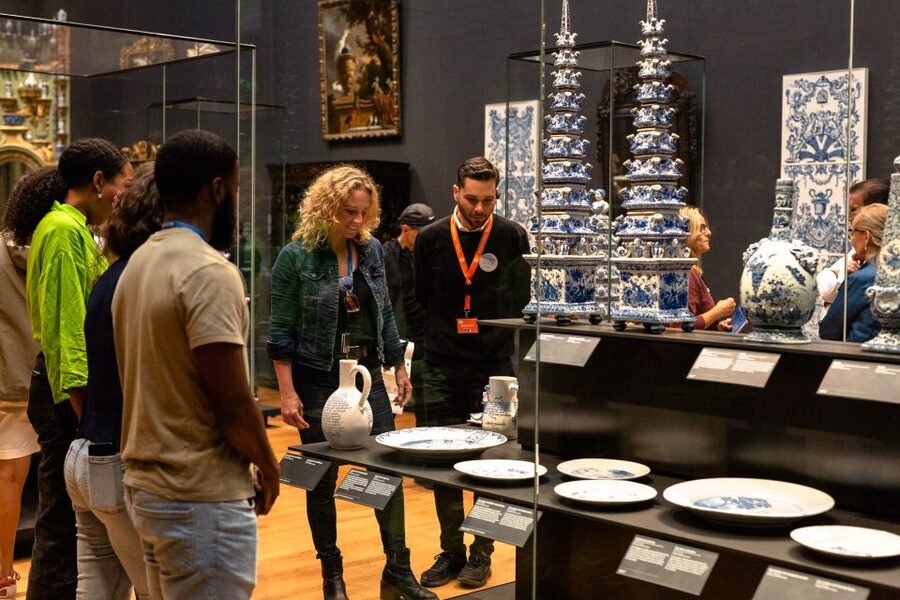
Two hours is a sensible length for a focused introduction. It gives you enough time to understand the main themes without asking you to spend half a day listening to a lecture.
The limitation is obvious: the Rijksmuseum is too large for a complete guided visit in two hours. You will not see every gallery, and even the highlighted route may leave you wanting more. That is not a flaw if you plan for it.
The all-day ticket changes the value calculation. After the guide finishes at the meeting point, you can remain in the museum and explore independently. You might return to a painting that caught your attention, visit rooms not included in the route, spend time in the library, or stop at the museum cafe and shop.
I suggest treating the tour as your orientation. Let the guide give you the main story, then use the remaining hours for your own interests. If the group moves too quickly for you at one painting, note its location and return to it later.
The tour ends back at the meeting point, but your museum access continues for the day. That combination is more useful than a guided ticket that sends you away as soon as the commentary ends.
Language, group comfort, and practical limits
The live tour guide may speak Dutch, German, Italian, English, or French. Select the language you need when checking availability. Clear communication matters in a museum, especially when the guide is explaining tiny visual details or moving the group between rooms.
Some rooms restrict speaking for the enjoyment of everyone inside. Your guide will tell you before entering a room with this rule. You may need to listen quietly or wait for commentary outside, so do not expect constant narration in every gallery.
The group size is not specified, but the guided experience can feel easier when everyone stays close. One guide was praised for keeping a small group engaged, and another for patiently organizing people and equipment. Even so, crowded galleries can make it hard to follow a guide, especially near The Night Watch.
Wear comfortable shoes and keep your belongings minimal. Those suggestions are practical rather than fancy: the museum is large, the route takes two hours, and large bags are not allowed. A small backpack or handbag is the safest choice, but remember that oversize items and umbrellas are prohibited.
Is $78 a fair price?
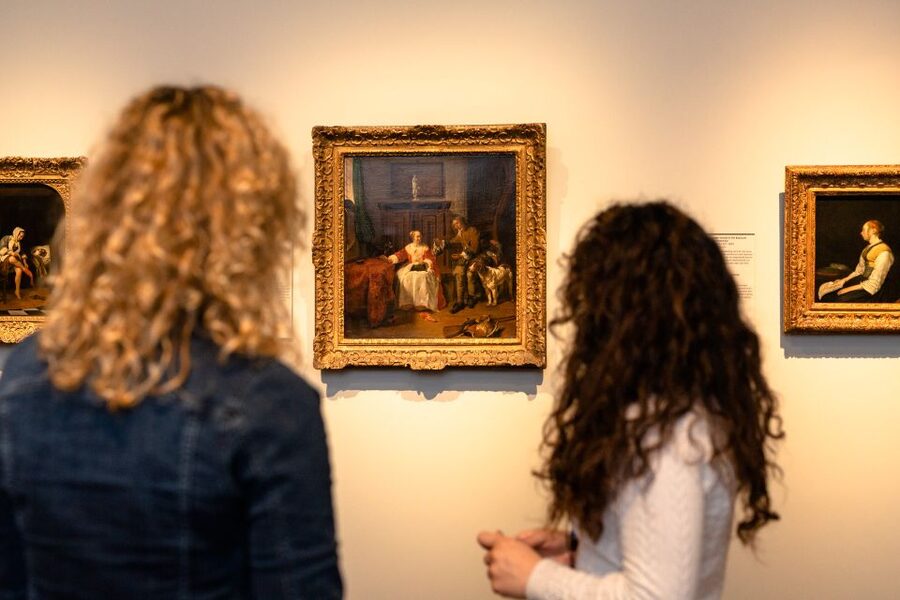
At $78 per person, this is not the cheapest way to enter the Rijksmuseum. You are paying for the entrance ticket, a two-hour guided tour, and the convenience of having the ticket arranged for you.
The value is strongest if you are short on time, new to Dutch art, or unsure how to approach a large museum. A guide can save you from wandering without direction and can explain why works that look simple or familiar deserve attention.
The price is harder to justify if you already know the collection well or prefer to read labels and set your own pace. You may get more from a standard museum visit if you want to spend twenty minutes with one painting, move quickly through rooms, or focus on objects outside the Dutch Golden Age.
The all-day ticket helps. You are not limited to two hours inside the building, and you can continue independently after the tour. Food and drinks are not included, so budget separately if you plan to use the cafe.
Free cancellation up to 24 hours before the activity and the reserve-now, pay-later option add flexibility. Those terms are useful when your Amsterdam schedule is still shifting, but you still need to arrive on time once you keep the booking.
Who should book this Rijksmuseum tour?
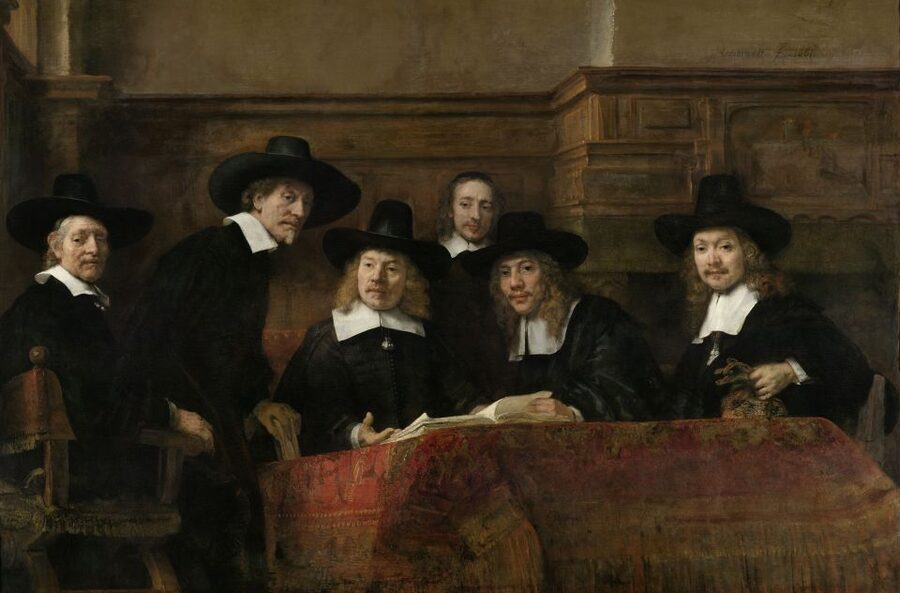
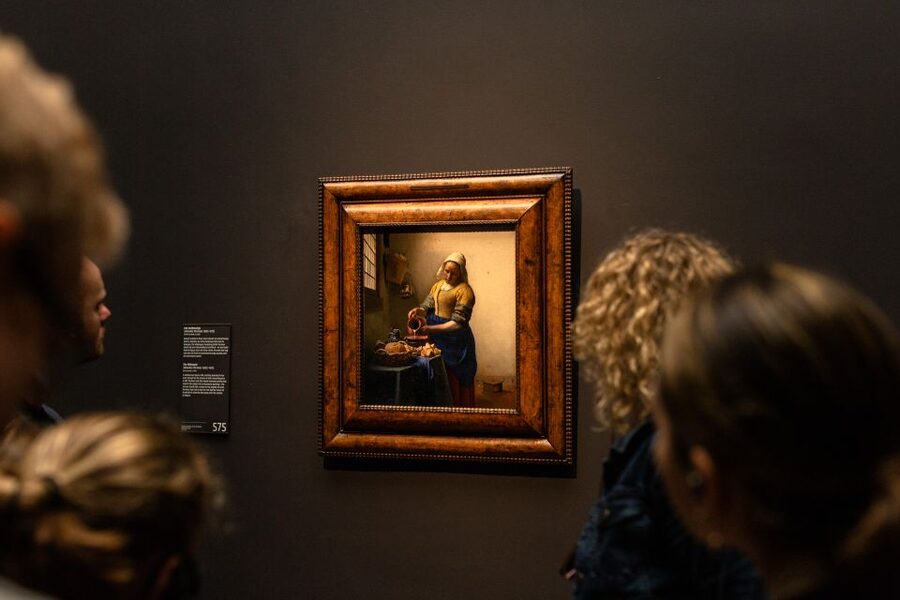
I would choose this tour for a first visit, especially if you want a clear introduction to Rembrandt, Vermeer, and the society that produced their work. It also suits families and mixed-interest groups because the guides use history, humor, and visual clues rather than assuming advanced art training.
It is a good fit for anyone who has stood in front of a famous painting and wondered what they were supposed to notice. The explanations focus on composition, meaning, background, and details that can disappear when you view the work alone.
It may be less suitable for serious specialists who want a narrow subject treated at length, or for people who dislike fixed schedules. The museum’s strict time slot means you cannot drift in late, and the two-hour route necessarily leaves galleries unseen.
My verdict: book it if you want a useful start
Book this experience if you want the Rijksmuseum to make sense quickly, and if you like the idea of staying afterward to explore at your own speed. The focus on The Night Watch, Rembrandt’s portraits, Ferdinand Bol, Jan Steen, Delftware, dolls’ houses, and the Pierre Cuypers Library gives you more than a quick parade of famous paintings.
Skip it if you already have a detailed museum plan and prefer complete independence. For most first-time visitors, though, the guide is the main value. You get a strong Dutch Golden Age route, a ticket valid all day, and a better chance of seeing the Rijksmuseum as a connected story rather than a long series of rooms.
FAQ
How long does the Rijksmuseum guided tour last?
The guided portion lasts two hours. Starting times vary, so check availability when booking.
Can I remain in the Rijksmuseum after the guided tour?
Yes. Your Rijksmuseum ticket is valid all day, allowing you to continue exploring independently after the two-hour tour.
Where does the tour begin?
The listed meeting place is Cobra Cafe at Museumplein, next to the Rijksmuseum. The exact meeting point may vary depending on the option you book.
Which languages are available?
The tour may be offered in Dutch, German, Italian, English, or French. Check the available language for your selected option.
What should I bring?
Bring a passport or ID card. Only handbags or small, thin backpacks are allowed inside the museum.
Can I bring a suitcase, large bag, or umbrella?
No. Large bags, suitcases, oversize luggage, and umbrellas are not allowed inside the museum.
What happens if I arrive late?
The Rijksmuseum uses strict time slots. Once the tour starting time has passed, you cannot join because the entrance ticket immediately expires.
Can every artwork on the route be guaranteed?
No. Artworks may be unavailable if they are on loan or undergoing conservation. Specific rooms may also limit speaking, and your guide will explain those rules before entry.
Just added around Amsterdam
- Amsterdam: Giethoorn Tour with Canal Cruise and Windmills★ 5.0 · 3 reviews
- Full-day excursion to Edam, Volendam, and Marken★ 3.7 · 3 reviews
- Amsterdam: Chocolate Fondue in the Dark★ 5.0 · 3 reviews
- Amsterdam Old-West Vegan Food Tour with Local Guide★ 4.7 · 3 reviews
- Amsterdam Private Walking Tour of Famous Painters★ 5.0 · 3 reviews
- Amsterdam Family Friendly Historical Walking Tour★ 5.0 · 3 reviews
- From Amsterdam: visit Zaanse Schans, Muiderslot and more!★ 5.0 · 3 reviews
- Amsterdam Walking Tour with Dutch Pancake Lunch★ 5.0 · 3 reviews
Amsterdam Tours, compared.

Amsterdam Classic Saloon Boat Cruise with Drinks and Cheese
Read our review →
Amsterdam Luxury Canal Cruise + Unlimited Drinks & Bites option
Read our review →
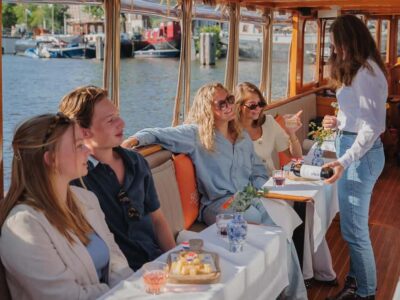
Classic Boat Cruise with Optional Cheese & Wine
Read our review →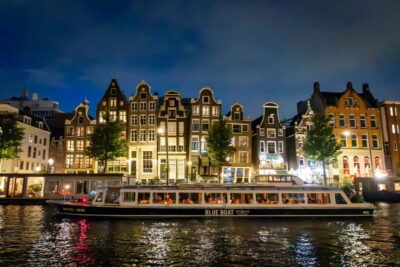
Evening Cruise with Optional Wine and Snacks
Read our review →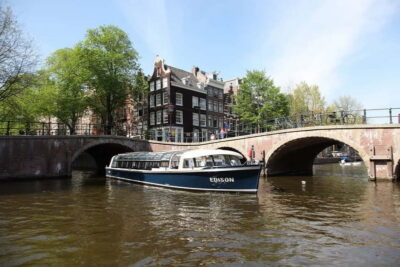
75 Minute City Canal Cruise with Audio Guide
Read our review →Browse the lists this tour appears in