
Reviewed · AMSTERDAM TOURS
Amsterdam: Red Light District and Coffeeshop tour
Amsterdam’s Red Light District is more than red windows and late-night bars. It is one of the oldest parts of the city, a place of canals, wooden houses, old pubs, Chinatown, and long-running arguments about law, morality, and personal freedom. This 2-hour walking tour gives you a guided way to read the neighborhood instead of simply passing through it.
I like the focus on history and public policy, especially the explanation of how Amsterdam developed its approach to prostitution and cannabis. I also like that the tour treats sex workers as people with a profession and legal framework, not as scenery. Guides such as Aarre have been praised for being friendly, engaging, and able to answer questions clearly.
The main drawback is that this is a walking overview, not an inside look at every business or a hands-on coffeeshop experience. The district can also feel crowded and noisy, so you should choose this tour for context and orientation rather than quiet sightseeing.
Key points to know before you book
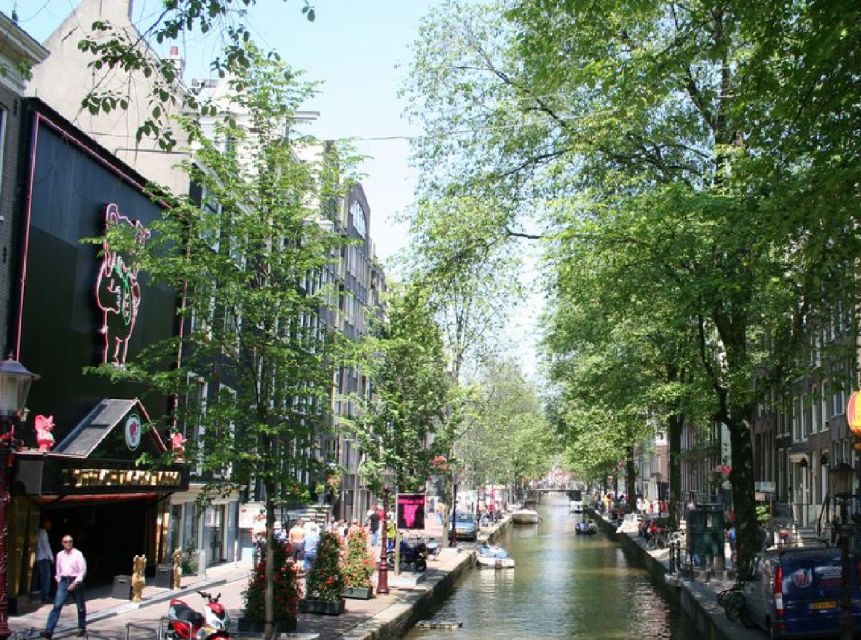
- Two hours on foot: You cover the Red Light District, Chinatown, historic sights, canals, and notable local businesses at walking pace.
- A guide-led look at red window culture: Learn about the workers, the area’s past, and the current situation in the district.
- Coffeeshop laws explained: Hear about Amsterdam’s rules, regulations, and the production process rather than simply seeing a shopfront.
- Historic Amsterdam in the same walk: See the city’s oldest building, old wooden houses, canals, and some of its oldest pubs.
- English only: The tour includes a live English-speaking local guide.
- Good flexibility: You can cancel up to 24 hours before the start for a full refund, and you can reserve now and pay later.
Why this neighborhood needs a guide
The Red Light District is easy to visit and hard to understand. You can walk along the canals, spot the famous red windows, and see crowds flowing between bars and nightclubs. Without background, though, the area can become little more than a collection of provocative sights.
A guide gives those sights a setting. You learn why prostitution developed here, how Amsterdam’s policies differ from simple prohibition, and how the district has changed over time. The point is not to tell you what to think. It is to explain the rules, the history, and the people who work here.
That matters because the district is a functioning neighborhood, not a theme park. The tour’s strongest feature is its effort to humanize sex workers and the profession. It helps you look at the red windows with more respect and less cheap curiosity.
You should also expect frank discussion. The subject matter includes prostitution, sex shops, smartshops, marijuana, drugs, and the laws surrounding them. If you want a traditional architecture walk with only polite historical details, this is not the right fit.
More Red Light District walks:
- Amsterdam: Red Light Secrets Museum Entry Ticket
★ 4.2 · 5,722 reviews - Amsterdam: Red Light District Tour in German/English/Italian
★ 4.9 · 5,623 reviews - Amsterdam Red Light District & Coffee Shop Tour
★ 4.6 · 4,134 reviews
Starting among Amsterdam’s oldest sights
The walk takes place in North Holland’s capital, in and around the old center. Your meeting point can vary according to the option you book, so check the exact starting location and time before setting out.
The district itself is one of Amsterdam’s oldest areas. That gives the tour a useful contrast: modern nightlife and controversial businesses sit beside old canals, historic buildings, and beautiful wooden houses. You are not leaving the city’s past behind when you enter the red light area. You are walking through it.
One of the major sights is described as the oldest building in Amsterdam. The tour also points out canals and older structures that show how the city grew around its waterways. These details add welcome balance to the walk, since the district is often reduced to its adult entertainment.
I like this opening framework because it places the neighborhood in the wider story of Amsterdam. The red windows make more sense when you see them as part of an old port district shaped by trade, sailors, religion, commerce, and changing city rules.
The red windows and the people behind them
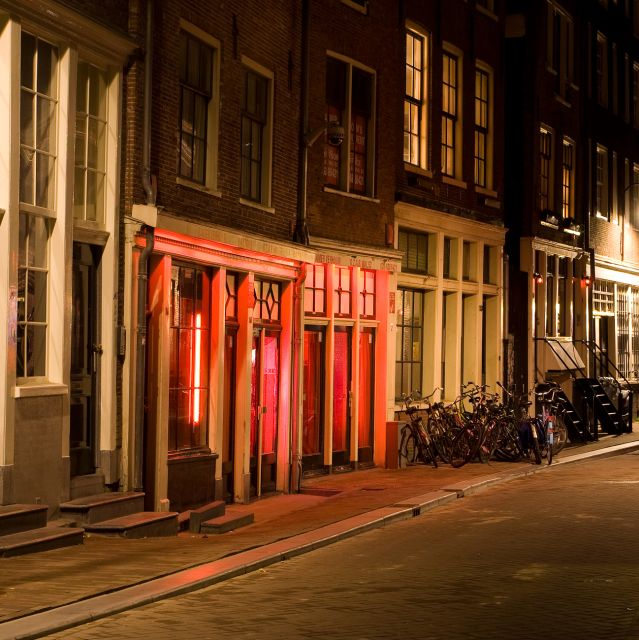
The famous prostitute streets are the central subject of the walk. You see the red-lit windows and learn how the system works, who rents the workspaces, and how the neighborhood functions today. The supplied details do not promise entry into the windows or private conversations with workers, so think of this as an outside, guided explanation.
Your guide also discusses the current situation in the district. That is important because Amsterdam’s reputation can lag behind reality. Policies change, public attitudes shift, and the city continues to debate how prostitution should be managed.
The best part of this section is the tone. A guide can keep the conversation factual and respectful while still answering direct questions. One guide was particularly praised for connecting the area’s history to the red light district and for presenting workers as human beings rather than curiosities.
You should follow the guide’s instructions closely here. The supplied information does not list specific photography rules, so do not assume every photo is acceptable. A respectful attitude is essential, especially around workers and business entrances.
Chinatown and the Zeedijk street
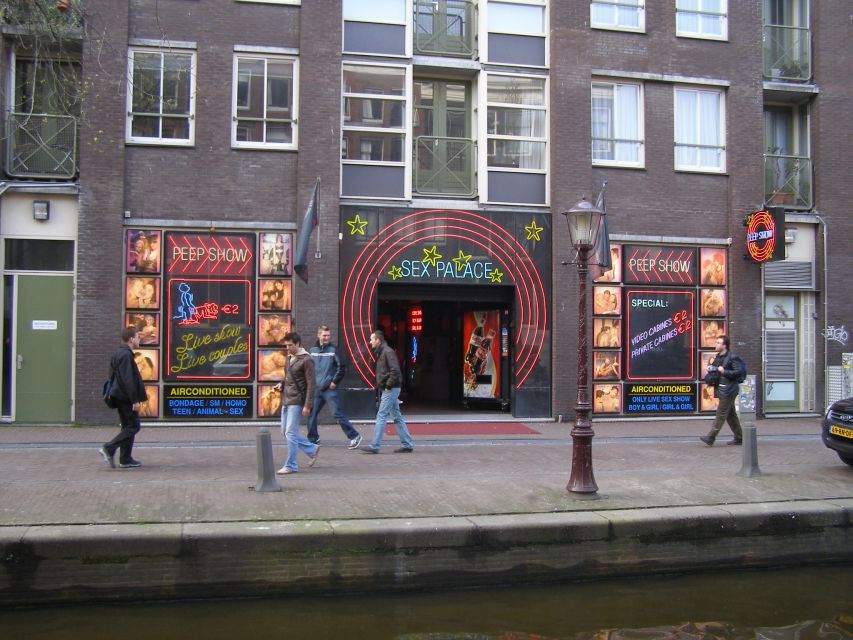
The route also reaches Amsterdam’s Chinatown, centered around Zeedijk street. This gives the walk another layer, since the neighborhood is not only about the red windows and nightlife.
Your guide explains the history of Chinatown and points out some of the city’s oldest pubs. The area’s old buildings, narrow streets, and canals help you see how several Amsterdam communities developed side by side in the historic center.
This part may appeal to you if you want a broader city walk rather than a single-topic tour. Chinatown is linked to the old district, but it has its own story and character. The result is a more rounded look at central Amsterdam.
Do not expect a food tour. Food and drinks are not included, and the activity is built around walking and commentary. You may pass bars and other places where you could stop later, but eating and drinking are your own responsibility.
A few more Amsterdam trips worth a look
- Amsterdam: Van Gogh Museum Ticket
★ 4.7 · 52,054 reviews - Amsterdam Classic Saloon Boat Cruise with Drinks and Cheese
★ 5.0 · 31,825 reviews - Amsterdam Luxury Canal Cruise + Unlimited Drinks & Bites option
★ 5.0 · 30,518 reviews - Amsterdam: Heineken Experience Ticket
★ 4.6 · 30,055 reviews
Coffeeshops, smartshops, and the Bulldog
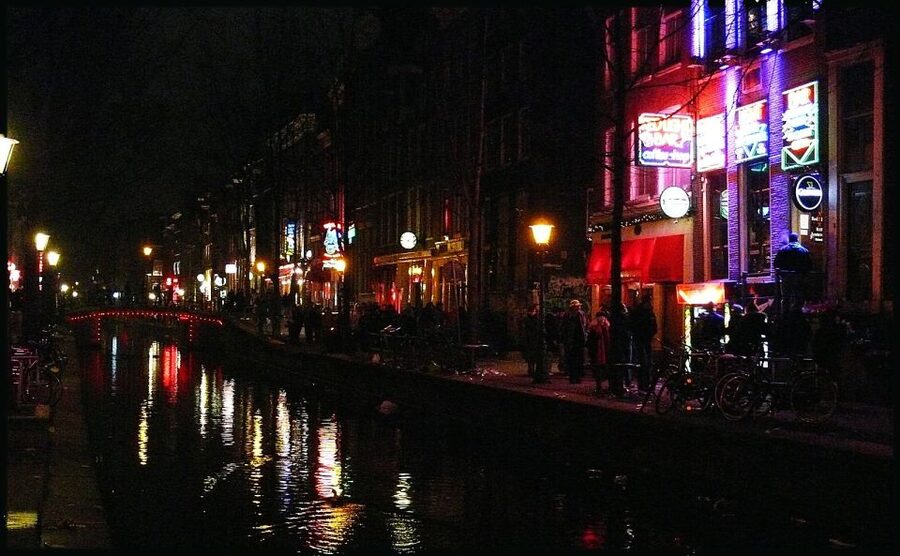
Amsterdam’s coffeeshop culture gets its own section of the tour. You learn about the laws and regulations related to marijuana and drugs, along with an explanation of the production process.
This is useful because the word coffeeshop can confuse first-time visitors. The tour explains the local system and the rules behind it, helping you separate Amsterdam’s legal framework from the myths that circulate abroad. The information provided does not say that the tour includes cannabis, a purchase, a tasting, or a visit inside a coffeeshop, so book it for education rather than consumption.
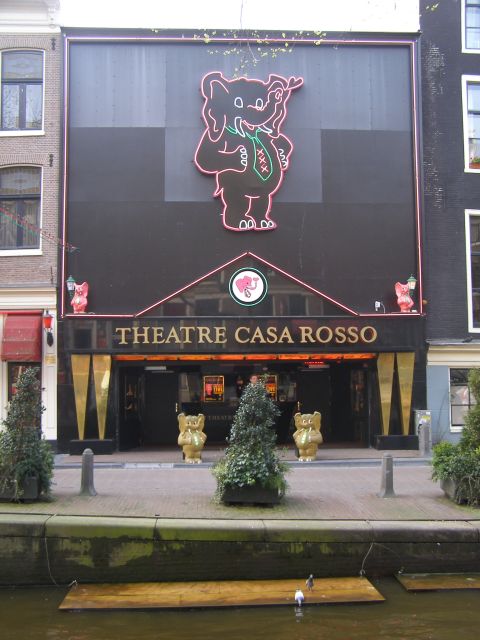
One named stop is the Bulldog coffeeshop, an instantly recognizable part of Amsterdam’s coffeeshop culture. You also see smartshops, sex shops, and the Condomerie. These places show how the district has built businesses around the city’s long-running relationship with sex, drugs, safety, and personal choice.
The value here comes from the explanation. A storefront by itself tells you very little. A guide can describe why these businesses exist, how they are regulated, and what role they play in the district’s public image.
The narrowest street and small visual details
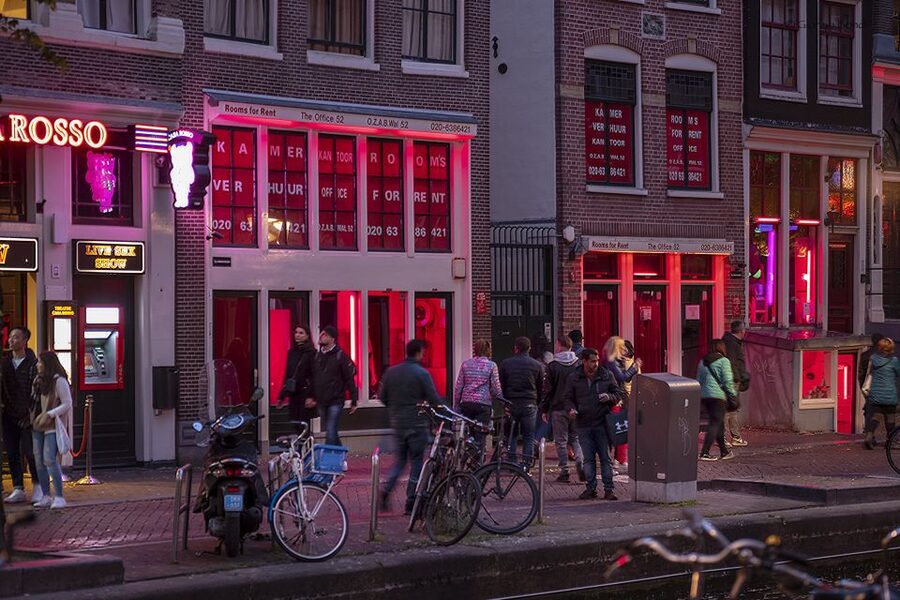
The route includes Amsterdam’s narrowest street, another reminder that this is a compact old city with a surprising number of small landmarks. Details like this keep the walk from becoming a lecture about policy.
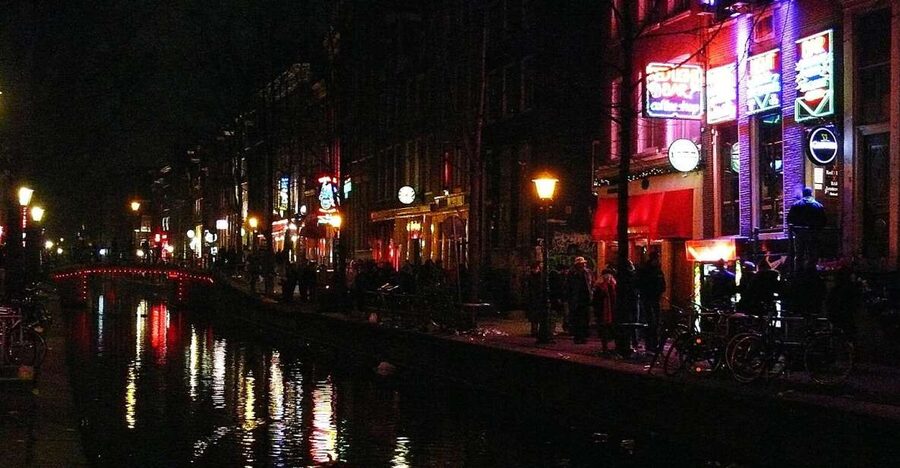
You also see bars, nightclubs, sex shops, and the famous red windows. The mix makes the tour visually varied, though it also means the surroundings can be busy and sometimes distracting. Your guide’s commentary is what turns the collection of sights into a connected story.
I recommend taking a moment to look above street level. The provided itinerary specifically mentions historic buildings and wooden houses, and these architectural details can be easy to miss when attention stays fixed on the nightlife. The district rewards a slower look.
The tour ends back at the meeting point. That makes it easier to continue exploring on your own, although the exact end location depends on the option you reserve.
What the guide adds to the experience
The tour includes a professional guide and a local guide, with a live guide speaking English. The most useful quality is not a long list of facts. It is the ability to explain sensitive subjects plainly and respond to questions without turning the walk into a performance.
Aarre is one guide named in the feedback, and the comments describe him as friendly, engaging, and well prepared. Another guide was praised for connecting the area’s past to its present and for explaining the human side of sex work. A separate comment highlights clear answers to questions.
Those details matter because this subject can easily be handled poorly. You want a guide who can discuss prostitution and drugs without sensationalism, while still acknowledging the district’s unusual character. The available feedback points strongly in that direction.
Still, a guide’s style can vary from one departure to another. The tour is offered in English, and no other language is listed. If you want a private walk, a particular guide, or a guaranteed small group, those details are not provided here, so check the booking option carefully.
Is $40 a fair price for two hours?
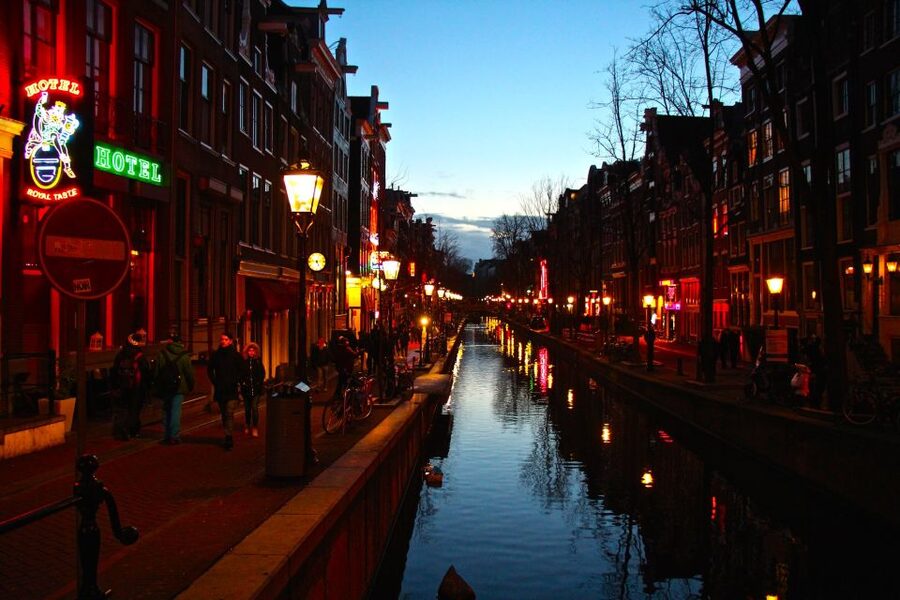
At $40 per person, this is not the cheapest way to walk through the Red Light District. You can see many streets and buildings without paying anything. The real question is how much you value an informed explanation of the area’s laws, history, and present-day culture.
I think the price is reasonable if this is your first visit and you want a structured introduction. The tour combines several subjects in two hours: prostitution, coffeeshops, drugs, Chinatown, old pubs, canals, architecture, sex shops, smartshops, and local landmarks. A guide also helps you avoid treating the district as a spectacle.
The value is lower if you already know Amsterdam’s policies or prefer to explore independently. You are paying for walking commentary, not admission to a museum, food, drinks, or a cannabis activity. There is no indication that the price includes purchases or interior access to every place mentioned.
For many people, the best use of the tour is early in an Amsterdam stay. Afterward, you can return to the streets that interested you, visit other sights, or explore Chinatown with a clearer sense of place. The two-hour length is also manageable if you have a packed itinerary.
Who will get the most from this walk?
I would choose this tour for a first-time visitor who wants an honest orientation to Amsterdam’s most controversial neighborhood. It suits adults interested in urban history, public policy, architecture, nightlife, or the social questions behind the red windows.
It also fits curious visitors who want to learn about coffeeshops without making cannabis the main purpose of their trip. The guide explains the laws and production process, which is more useful than simply ticking a famous shop off a list.
The tour is less suitable if you want a quiet historical walk, a food experience, or a private tour with guaranteed personal attention. It may also feel uncomfortable if you would rather avoid frank discussion of sex work, drugs, and adult businesses.
Since the walk lasts two hours, wear shoes suited to city streets and leave room to listen. The tour is not built around stops for food or drinks. You should also check the starting time and meeting point, since these vary by booking option.
Booking flexibility and practical details
You can cancel up to 24 hours before the tour for a full refund. The reserve now and pay later option lets you hold a place without paying at the time of booking, which is useful when your Amsterdam schedule is still changing.
The tour runs for two hours, but starting times depend on availability. It begins and ends at a meeting point, and that point may change according to the option selected. Confirm those details before you leave your accommodation.
Only English is listed as the tour language. The price is $40 per person, and food and drinks are not included. The activity includes the guided Red Light District walk, a professional guide, and a local guide.
Should you book the Amsterdam Red Light District tour?
Book it if you want the district explained, not merely viewed. The strongest reasons are the clear focus on laws and history, the respectful treatment of sex workers, the stop-by-stop variety, and guides such as Aarre who can keep the conversation engaging and answer questions.
Skip it if you only want to wander, take photographs, or visit coffeeshops for personal purchases. This is a guided cultural and historical walk. At $40, it offers good value for a first visit when you want context around the red windows, Chinatown, old canals, and coffeeshop culture.
For an open-minded visitor with two hours to spare, I would put it near the start of an Amsterdam itinerary. It gives you the background to explore the district more thoughtfully afterward.
FAQ
How long does the Amsterdam Red Light District and Coffeeshop tour last?
The tour lasts two hours. Starting times depend on availability.
How much does the tour cost?
The listed price is $40 per person.
What language is the tour conducted in?
The tour includes a live English-speaking guide. English is the only language listed.
What does the tour include?
It includes a guided walk through the Red Light District, a professional guide, and a local guide.
Are food and drinks included?
No. Food and drinks are not included in the tour price.
What places and subjects are covered?
The walk covers the Red Light District, red window streets, bars, nightclubs, Chinatown, Zeedijk street, historic buildings, canals, wooden houses, the Bulldog coffeeshop, the Condomerie, sex shops, smartshops, and Amsterdam’s narrowest street. It also discusses prostitution, coffeeshop culture, drug laws, regulations, and production.
Where does the tour start and end?
The meeting point can vary depending on the option booked. The activity ends back at the meeting point.
Can I cancel the tour or pay later?
You can cancel up to 24 hours in advance for a full refund. You can also reserve your place and pay later.
Just added around Amsterdam
- Amsterdam: Giethoorn Tour with Canal Cruise and Windmills★ 5.0 · 3 reviews
- Full-day excursion to Edam, Volendam, and Marken★ 3.7 · 3 reviews
- Amsterdam: Chocolate Fondue in the Dark★ 5.0 · 3 reviews
- Amsterdam Private Walking Tour of Famous Painters★ 5.0 · 3 reviews
- Amsterdam Family Friendly Historical Walking Tour★ 5.0 · 3 reviews
- Amsterdam Old-West Vegan Food Tour with Local Guide★ 4.7 · 3 reviews
- From Amsterdam: visit Zaanse Schans, Muiderslot and more!★ 5.0 · 3 reviews
- Amsterdam: Beer Tasting with Paired Bites at Eighty-Four★ 5.0 · 3 reviews
Amsterdam Tours, compared.


Amsterdam Classic Saloon Boat Cruise with Drinks and Cheese
Read our review →
Amsterdam Luxury Canal Cruise + Unlimited Drinks & Bites option
Read our review →


Classic Boat Cruise with Optional Cheese & Wine
Read our review →
Evening Cruise with Optional Wine and Snacks
Read our review →
75 Minute City Canal Cruise with Audio Guide
Read our review →Browse the lists this tour appears in