
Reviewed · AMSTERDAM TOURS
Amsterdam: National Holocaust Museum Entry Ticket
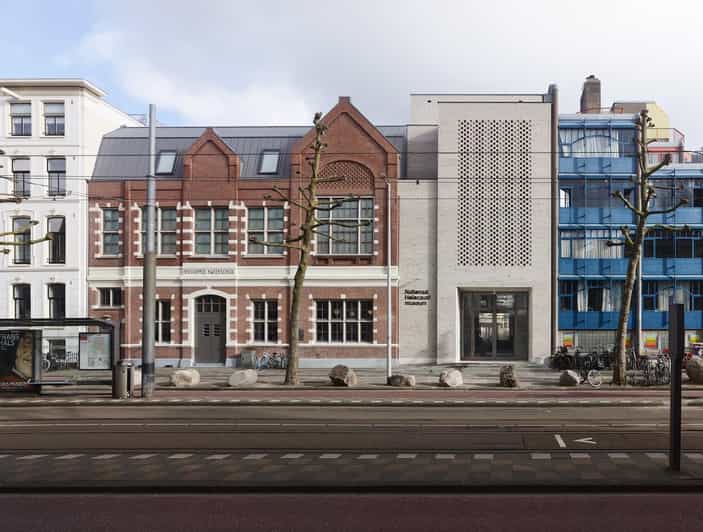
The most powerful part of this visit is the building itself. At the former Hervormde Kweekschool, Jewish children were held nearby before deportation, while director Henriëtte Pimentel helped hundreds escape through the school. I like the museum’s personal approach, which gives victims recognizable faces, and I like that your ticket also includes the Hollandsche Schouwburg memorial. The main drawback is simple: there is a great deal to read, hear, and absorb.
Plan several hours, not a quick museum stop. The displays are carefully arranged and the audio guide adds useful detail, but some exhibits are small, signage can be unclear, and reflective glass makes a few objects hard to see. A seven-day validity period gives you the useful option of splitting the two sites across separate days.
Key points to know before you go
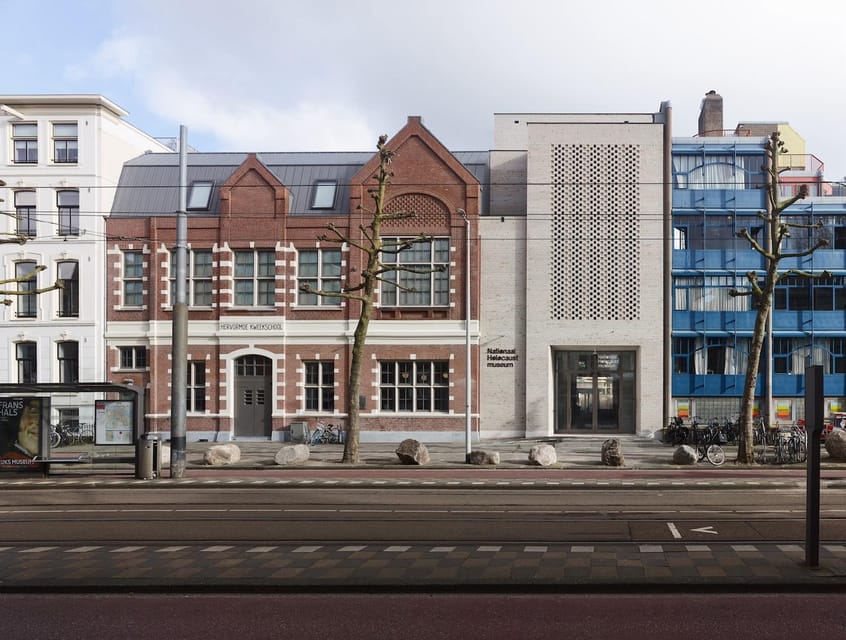
- The Hervormde Kweekschool is part of the story: This former school helped hundreds of Jewish children escape from the nearby daycare and deportation point.
- Two historic locations are included: Your ticket covers the National Holocaust Museum and Hollandsche Schouwburg National Holocaust Memorial.
- The presentation begins before the war: You see how Jewish and non-Jewish people lived alongside one another with equal rights before Nazi occupation.
- Personal accounts lead the visit: Portraits, objects, testimony, written panels, and audio material turn a huge historical event into individual human stories.
- You may need half a day: The amount of material is substantial, and rushing weakens the experience.
- Your ticket remains valid for seven days: You can activate it once and use the admission within that period, which helps if you prefer two shorter visits.
Why this Amsterdam museum matters
Amsterdam’s National Holocaust Museum focuses on the persecution of Jews in the Netherlands during the Second World War. It also asks how people understood, remembered, and dealt with the Holocaust after liberation.
That wider frame matters. You do not begin with deportation lists and statistics alone. You first see Jewish life before the war, when Jewish and non-Jewish people lived together with the same legal rights. This gives the later persecution its proper context. The Nazis did not attack an abstract group. They dismantled the lives of neighbors, classmates, shopkeepers, parents, and children.
The museum explains the Holocaust, also called the Shoah, as the murder of approximately six million Jews across Europe. In the Netherlands, about three-quarters of the Jewish population was killed. Those numbers are essential, but the museum works hard to prevent them from becoming empty figures.
I find the use of recognizable faces especially important. A portrait or personal account can stop you in a way that a timeline cannot. The result is a serious museum that asks for attention rather than offering a quick, easy lesson.
More Museums in Amsterdam
- Amsterdam: Van Gogh Museum Ticket
★ 4.7 · 52,054 reviews - Moco Museum Amsterdam Entrance Tickets with Banksy & More
★ 4.4 · 10,088 reviews - Amsterdam: The Upside Down Museum Entrance Ticket
★ 4.4 · 9,506 reviews
Entering the former Hervormde Kweekschool
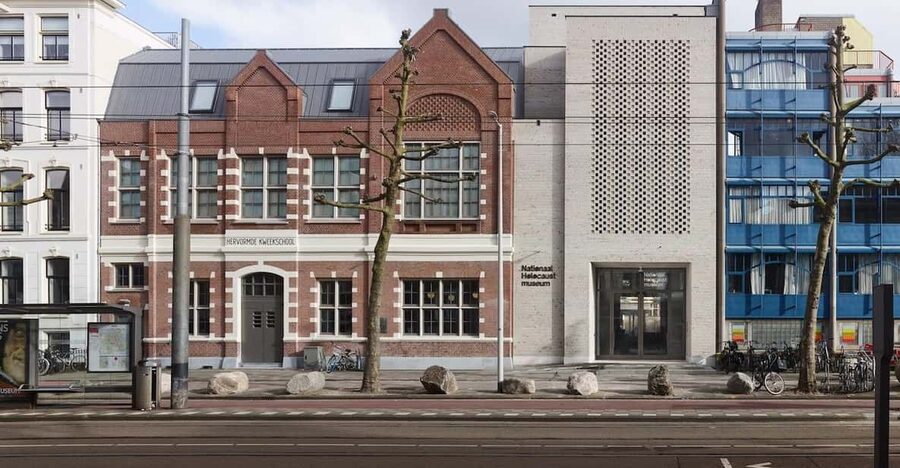
The setting is not a neutral box built solely for exhibits. The National Holocaust Museum occupies the former Hervormde Kweekschool, a building tied directly to the wartime story.
The adjacent daycare was used by the Nazis as a gathering point for Jewish children before deportation. Henriëtte Pimentel, the daycare’s director, helped hundreds of children escape. Some were taken through the Kweekschool, making the building an important place of rescue as well as persecution.
That history changes how you read the rooms. The school is not simply a backdrop. It helps you understand the practical choices, risks, and narrow opportunities involved in saving children. You are looking at a place where ordinary rooms became part of an extraordinary, dangerous effort.
The museum presents this history without softening the crimes. At the same time, it gives space to people who acted, endured, resisted, rescued, and remembered. That balance makes the site more meaningful than a display of wartime objects removed from their original setting.
The first galleries: Jewish life before the occupation
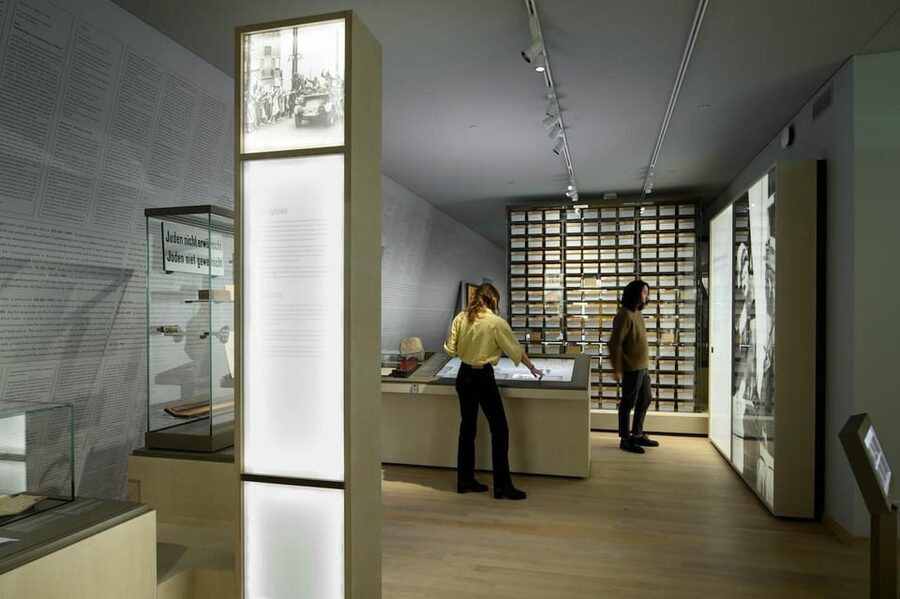
The visit begins with daily life before the Second World War. This is one of the museum’s strongest choices because it shows a community as it lived, not only as it was later persecuted.
You learn that Jews and non-Jews in the Netherlands lived side by side with the same rights before the Nazi occupation. The displays help establish ordinary routines and social connections before those rights were stripped away.
Expect a mixture of written information, photographs, portraits, and objects. The museum asks you to notice what was lost: family life, education, work, religious practice, friendships, and the basic security of belonging to a society.
This section may feel less dramatic than the later galleries, but do not hurry through it. It supplies the human scale for everything that follows. Without it, the story risks becoming only a sequence of Nazi measures and casualty totals.
How persecution became a system
The museum then traces the gradual tightening of Nazi control. The horror was not created in one moment. Rights were removed, restrictions were imposed, people were marked and isolated, and systems were built to make arrest and deportation possible.
A particularly effective part of the presentation is the explanation of these incremental steps. You can see how persecution moved from official rules to practical enforcement, and then to mass murder.
This is useful history because it shows how ordinary institutions and procedures can be turned against a population. The museum does not present the Holocaust as an inexplicable eruption of violence. It explains the sequence that made the violence possible.
Photographs and written panels carry much of the material. The tone is restrained, which makes the facts more powerful. You will find difficult images and accounts, but the museum does not appear to rely on shock for its own sake.
Same country, a completely different kind of day:
- Amsterdam Classic Saloon Boat Cruise with Drinks and Cheese
★ 5.0 · 31,825 reviews - Amsterdam Luxury Canal Cruise + Unlimited Drinks & Bites option
★ 5.0 · 30,518 reviews - Amsterdam: Heineken Experience Ticket
★ 4.6 · 30,055 reviews - Amsterdam: Rijksmuseum Entry Ticket
★ 4.7 · 25,535 reviews
The daycare, children, and Henriëtte Pimentel
The story of the Jewish children gives the museum an especially personal focus. The nearby daycare served as a holding and deportation point, yet it was also connected to efforts to save children.
Henriëtte Pimentel helped hundreds escape, including through the Kweekschool. Her role brings an individual name and set of choices into a story often told through governments, armies, and large numbers.
You should allow time for this section. It is not only about rescue as a heroic label. The setting points to the danger involved, the vulnerability of the children, and the difficult decisions made by adults around them.
The museum’s emphasis on children can be painful, but it is also one reason the visit stays with you. The subject becomes immediate without being sensationalized.
Objects, portraits, and personal testimony
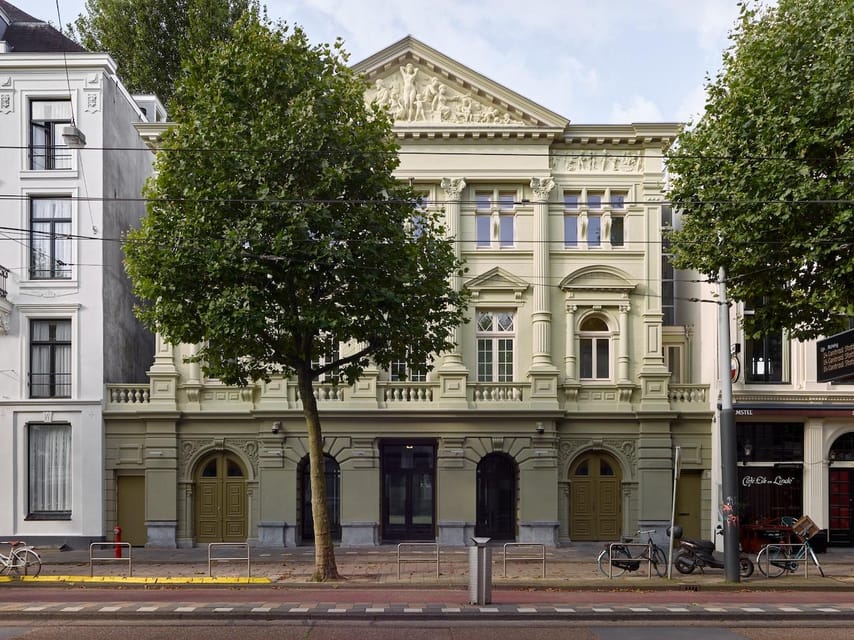
The displays include artifacts such as suitcases, portraits, and other objects connected to the period. These items are modest in size, yet they can carry a heavy emotional load.
Some cases are highly reflective. That has caused a practical problem: light can make certain exhibits, including suitcases and portraits, difficult to see clearly. If an object matters to you, change your position and give yourself time rather than assuming you have seen everything from the first angle.
Personal accounts add another layer. The museum uses individual experiences to show how persecution affected families and communities. This approach is more demanding than a simple chronological display, since you may move between broad historical explanation and intimate testimony.
The audio guide is useful throughout the galleries. It provides additional context and helps explain the exhibits without requiring every wall panel to carry all the information. One practical caution: audio-guide content has occasionally switched from English to Dutch, so check the language if a recording suddenly seems unfamiliar.
Interactive holograms are also part of the experience. They allow you to ask questions and receive answers, adding a modern element to an otherwise sobering subject. The technology will not replace the objects or testimony, but it can help you engage with the material in a more active way.
Liberation and the uneasy return to life
The museum does not stop with deportation and murder. It also covers liberation and what happened afterward.
Liberation did not restore life to the way it had been before the war. Survivors returned to damaged communities, missing relatives, uncertain homes, and a country forced to confront what had happened. The museum’s attention to this period adds needed depth.
You also learn about the handling of the Holocaust in Dutch national memory culture. That means the visit is partly about the war itself and partly about the years of remembering, forgetting, explaining, and reassessing that followed.
This section may be especially valuable if you have already visited other Holocaust museums. It shifts the question from what happened to how a society tells the story later. The museum makes clear that remembrance is not fixed. It changes as evidence, public debate, and personal testimony come forward.
The Hollandsche Schouwburg memorial
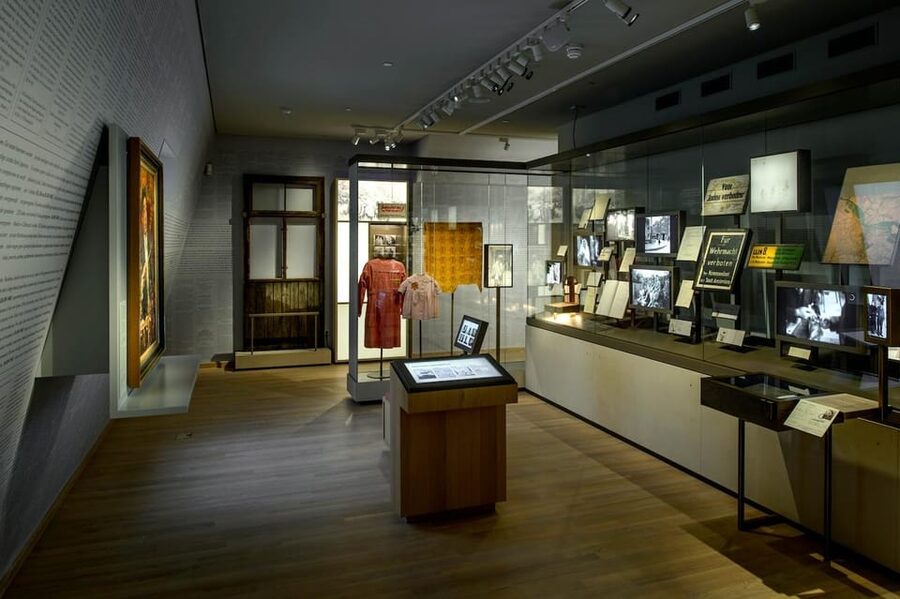
The admission also includes the Hollandsche Schouwburg National Holocaust Memorial. You can visit it as part of the same museum experience, or use the seven-day validity to return on another day.
The Hollandsche Schouwburg was used during the occupation as a gathering place for Jews before deportation. Its inclusion gives you a second location tied to the machinery of persecution in Amsterdam.
The two sites work well together. The National Holocaust Museum gives you a broad historical and social account, while the Hollandsche Schouwburg connects that history to another specific Amsterdam building and memorial setting.
Do not treat the second site as an optional extra if you have the time. The value of the ticket comes partly from seeing how different places in the city were pulled into the same system. You may prefer to visit both in one day for continuity, or separate them if the subject becomes emotionally tiring.
How much time should you allow?
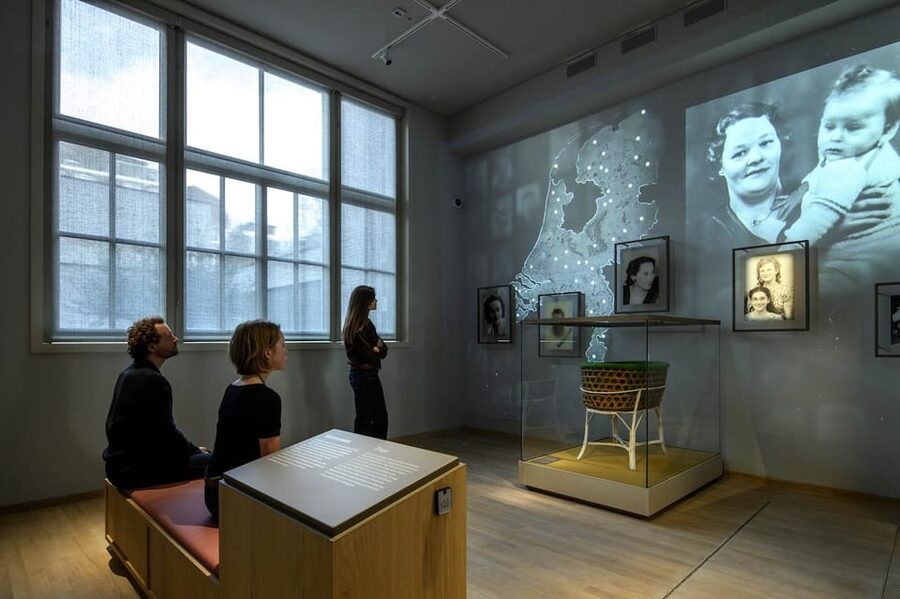
The ticket is valid for seven days from first activation, but that does not mean the museum itself takes seven days. It means you have flexibility.
For one visit, I would set aside at least half a day. Several hours may be necessary if you listen to the audio material, read the panels, examine the objects, and pause at the personal accounts.
The quantity of information is a strength, but it can also overwhelm you. One particularly useful option is to visit the National Holocaust Museum first, take a break, and return to the Hollandsche Schouwburg on another day.
Closing time is worth watching. If you arrive late, you may find yourself leaving before you have finished, even if you entered with good intentions. One afternoon visit ended abruptly at closing, so build in a generous buffer rather than aiming for the final hour.
Signage is not perfect either. The route through some displays can be hard to follow, and small exhibits may only be viewable by two people at a time. That can mean waiting or moving on, especially when the museum is busy.
Price, comfort, and practical value
At $24 per person, this is not a throwaway museum admission. I think the price is reasonable if you use both entries and give the main museum enough time.
You are paying for access to two historically important locations, a large amount of research and interpretation, and an audio guide that adds useful detail. The seven-day validity improves the value because you do not have to force both sites into a single crowded schedule.
The museum is wheelchair accessible. Photography is allowed, but respect the subject and the people represented. This is not a place for casual posing or noisy conversation.
There is also a museum cafe, which is a practical advantage after several serious hours indoors. It gives you a place to pause and reset before continuing or visiting the second site.
Free cancellation up to 24 hours in advance and reserve-now, pay-later booking make this easier to fit into an uncertain Amsterdam schedule. Those policies do not change the museum experience, but they reduce the risk of booking a fixed plan too early.
Who will value this visit most?
I would recommend it to anyone who wants more than a general account of the Second World War. The museum is particularly useful if you want to understand Dutch Jewish life before the war, the mechanics of persecution, the rescue of children, and the later development of Dutch remembrance.
It suits adults and older children who can handle difficult material. The subject is emotional and sometimes overwhelming, so I would not plan it as a light stop between cheerful sightseeing activities.
It is also a good choice for independent visitors. You move at your own pace, and there is no group leader hurrying you from one display to the next. If you prefer a guided tour with a named expert leading the route, this ticket does not provide that. The experience is self-guided, with the audio guide and written material doing the teaching.
Should you book the National Holocaust Museum ticket?
Book it if you want a thoughtful, personal account of the Holocaust in the Netherlands and can give it several hours. The historic buildings, clear presentation, personal stories, and included Hollandsche Schouwburg admission make this a strong use of time in Amsterdam.
Skip it only if you are looking for a quick attraction or find Holocaust museums too emotionally demanding. Even then, splitting the two sites across the seven-day validity period can make the visit more manageable.
My practical advice is to arrive with time, use the audio guide, slow down for the personal accounts, and leave room for a quiet break afterward. This is a serious museum, but it is also a necessary one. It helps you see people as individuals, places as evidence, and remembrance as an ongoing responsibility.
FAQ
Where is the National Holocaust Museum located?
The meeting point is the National Holocaust Museum in Amsterdam, in North Holland, Netherlands. It is housed in the former Hervormde Kweekschool.
What does the ticket include?
The ticket includes entry to the National Holocaust Museum and the Hollandsche Schouwburg National Holocaust Memorial.
How long is the ticket valid?
The ticket is valid for seven days from first activation. This allows you to use the included admissions within that period.
How much does admission cost?
The listed price is $24 per person.
Is the museum wheelchair accessible?
Yes, the activity is wheelchair accessible.
Can I take photographs inside?
Yes, photography is allowed. You should be respectful because the museum presents persecution, murder, and personal loss.
Is this a guided tour?
The experience is a museum entry ticket rather than a live guided tour. An audio guide and museum displays provide information as you move through the exhibitions.
Can I cancel the booking?
Yes. You can cancel up to 24 hours in advance for a full refund. You can also reserve now and pay later.
Just added around Amsterdam
- Amsterdam: Giethoorn Tour with Canal Cruise and Windmills★ 5.0 · 3 reviews
- Full-day excursion to Edam, Volendam, and Marken★ 3.7 · 3 reviews
- Amsterdam: Chocolate Fondue in the Dark★ 5.0 · 3 reviews
- Amsterdam Old-West Vegan Food Tour with Local Guide★ 4.7 · 3 reviews
- Amsterdam Private Walking Tour of Famous Painters★ 5.0 · 3 reviews
- Amsterdam Family Friendly Historical Walking Tour★ 5.0 · 3 reviews
- From Amsterdam: visit Zaanse Schans, Muiderslot and more!★ 5.0 · 3 reviews
- Amsterdam Walking Tour with Dutch Pancake Lunch★ 5.0 · 3 reviews
Amsterdam Tours, compared.
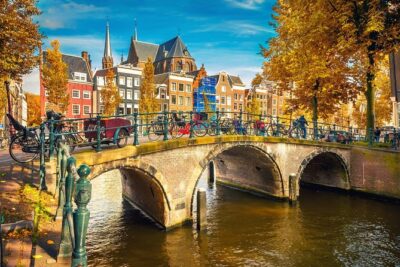
Amsterdam Classic Saloon Boat Cruise with Drinks and Cheese
Read our review →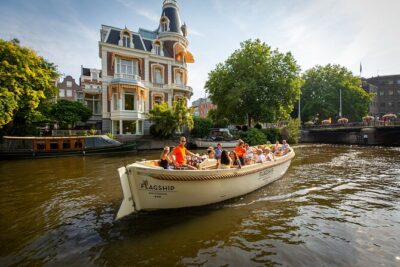
Amsterdam Luxury Canal Cruise + Unlimited Drinks & Bites option
Read our review →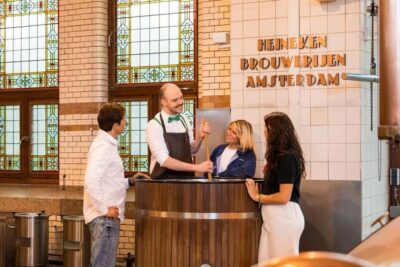
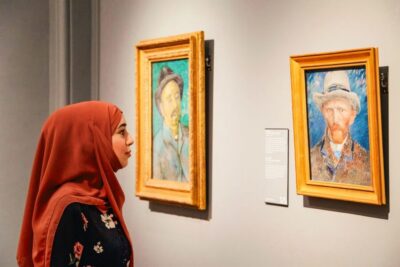
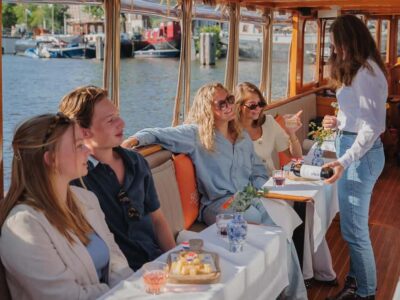
Classic Boat Cruise with Optional Cheese & Wine
Read our review →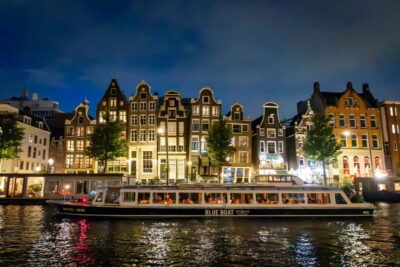
Evening Cruise with Optional Wine and Snacks
Read our review →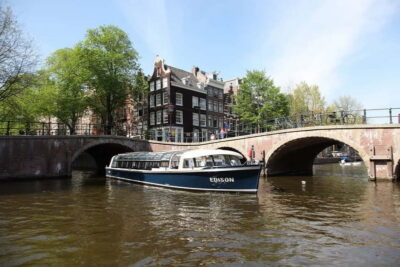
75 Minute City Canal Cruise with Audio Guide
Read our review →Browse the lists this tour appears in