
Reviewed · AMSTERDAM TOURS
Amsterdam: Dutch WWII Resistance Museum Entry Ticket
Amsterdam’s Verzetsmuseum does something many war museums miss: it shows how ordinary people faced impossible choices. You move from strikes and forged documents to hiding networks, underground newspapers, escape routes, espionage, and armed resistance, with personal stories carrying the history forward.
I especially like the clear, self-guided layout and the handheld audio system, which lets you choose which exhibits deserve your time. I also like the museum’s wider view, including the wartime experience in the Dutch East Indies under Japanese rule. The main thing to consider is time: two hours gives you a worthwhile visit, but three hours or more is better if you want to hear and read most of the material.
Key points to know before you go
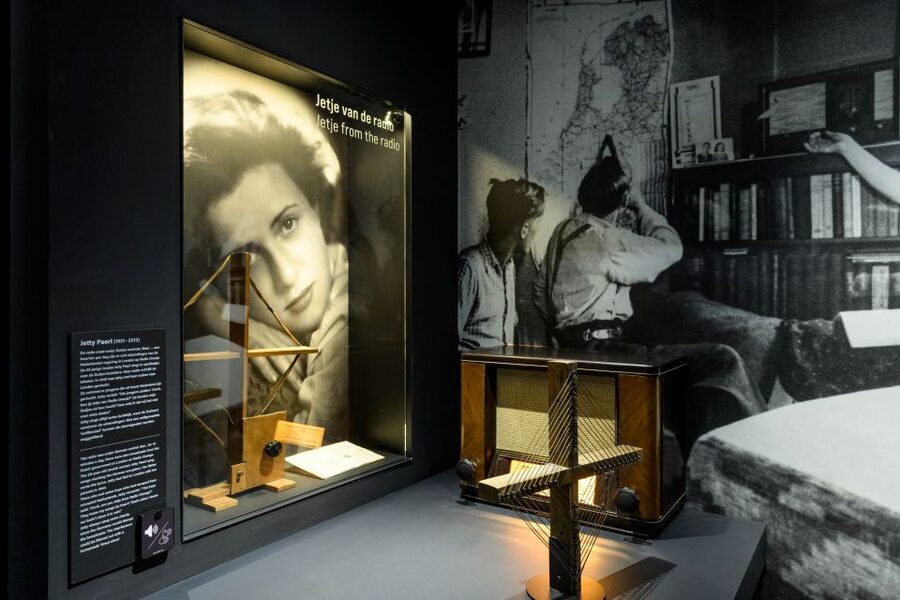
- The stories focus on real choices: See how Dutch people responded through strikes, forged papers, hiding networks, newspapers, espionage, and armed resistance.
- The handheld audio guide is included: Scan exhibit codes and listen in Dutch, English, French, German, Italian, Spanish, or Portuguese.
- Personal accounts give the museum its force: Documents, films, photographs, and objects connect major events to daily fears and individual decisions.
- The Dutch East Indies are included: A dedicated section explains the suffering of people living under Japanese occupation in the former Dutch colonies.
- Plan at least two hours: The museum is compact from the outside but contains far more material than its size suggests.
- The building is wheelchair accessible: Booking includes museum entry, while food, drinks, and a personal guide are not included.
Entering Amsterdam’s museum of resistance
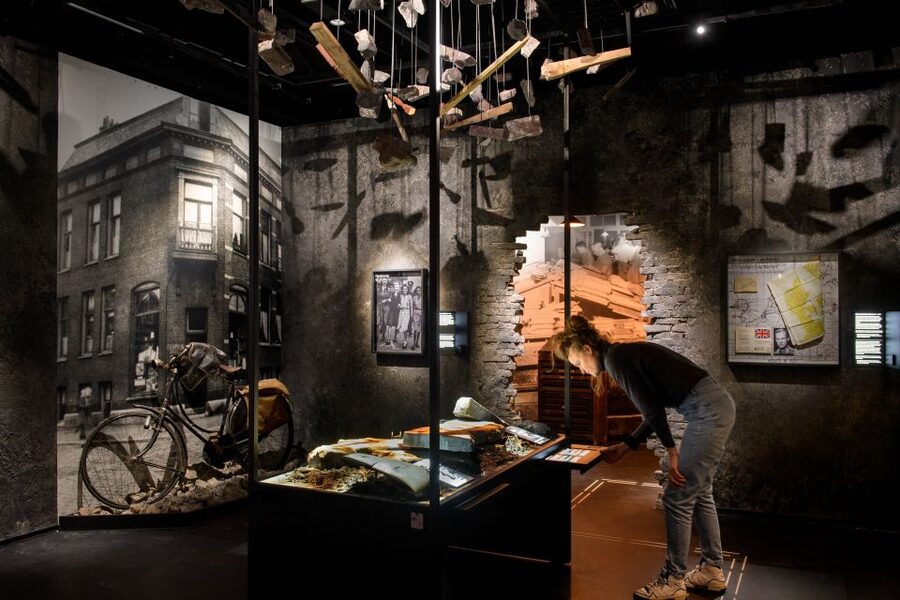
The Dutch Resistance Museum, known as Verzetsmuseum Amsterdam, examines the Netherlands during German occupation in World War II. This is not simply a display of weapons, uniforms, and military dates. Its subject is civilian life, and the choices people made when the rules of daily life were set by an occupying power.
At the museum counter, you show your ticket and receive entry. The visit is self-guided, so you can set your own pace rather than follow a group or wait for a scheduled guide. That works well here because the exhibition asks you to pause, listen, and think about individual stories.
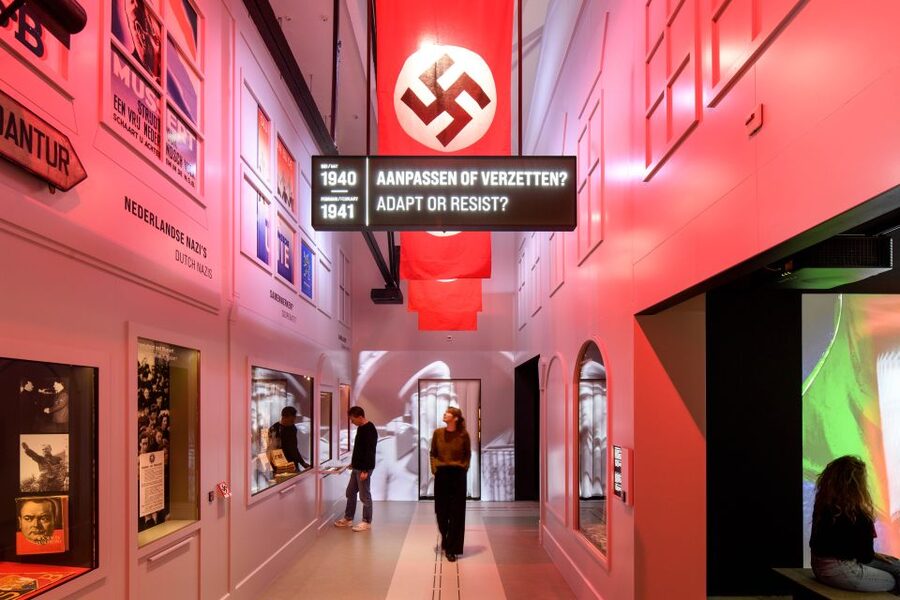
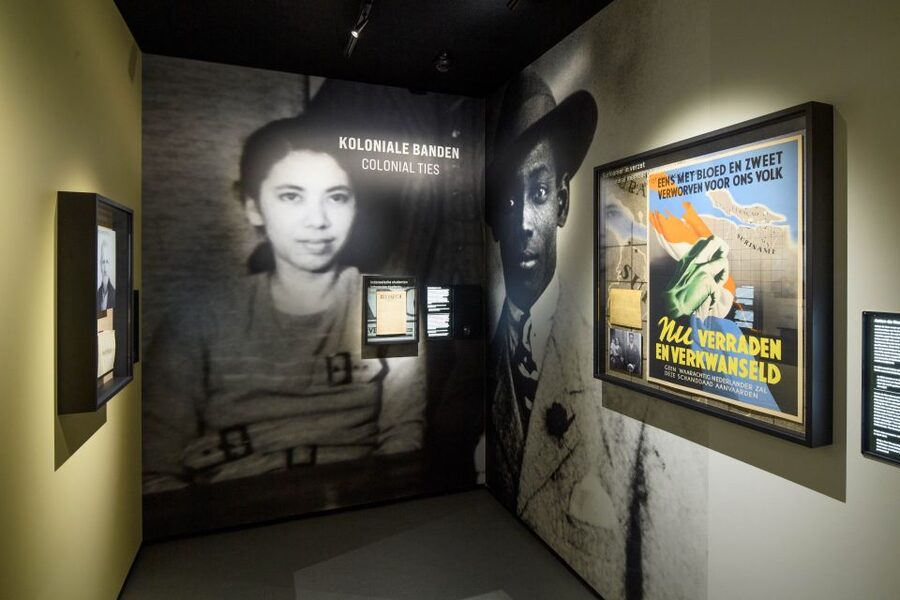
The setting is designed to evoke the Netherlands in the 1940s. Streets and walls covered with photographs help create the atmosphere of a country under occupation. You are not being offered a cheerful attraction, and the experience can be sobering, but the presentation is direct and easy to follow.
The museum is also useful if your knowledge of World War II is uneven. It gives enough background to explain what happened, then adds detail through people, objects, and short films. If you know a great deal about the war, you can simply spend longer with the individual accounts and resistance methods.
More Museums in Amsterdam
- Amsterdam: Van Gogh Museum Ticket
★ 4.7 · 52,054 reviews - Moco Museum Amsterdam Entrance Tickets with Banksy & More
★ 4.4 · 10,088 reviews - Amsterdam: The Upside Down Museum Entrance Ticket
★ 4.4 · 9,506 reviews
How the handheld audio guide works
The included audio guide is one of the best practical features. At exhibits, you scan a code with the supplied handheld unit and choose what you want to hear. You do not have to listen to every recording, which is important because the amount of material is substantial.
Audio is available in Dutch, English, French, German, Italian, Spanish, and Portuguese. You can use it to add spoken detail to photographs, documents, objects, and films, or skip sections that are less relevant to you.
Several details make the system helpful. It allows you to sit for a moment while listening, which is useful if your back or legs need a break. It also lets you decide how much time to spend on a particular person or subject instead of forcing you through a fixed commentary.
The system generally makes the museum easy to use, but take a moment to scan carefully. One reported problem was an audio track starting over after an accidental scan. That is a minor nuisance, not a reason to skip the guide, but it is worth knowing before you begin.
I would use the guide from the start, then listen selectively on a second pass through especially important sections. If you try to hear every recording, your visit can stretch well beyond two hours.
From occupation to everyday resistance
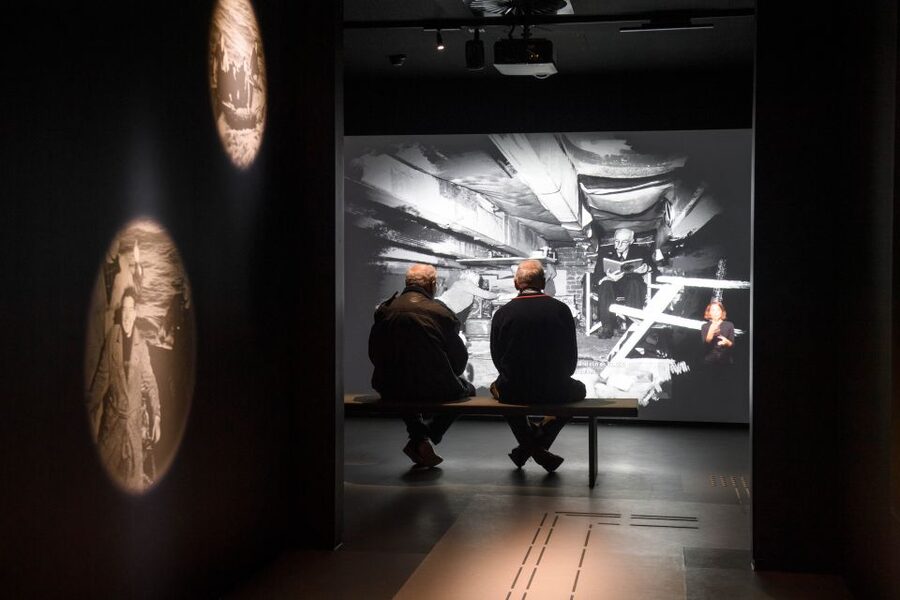
The first major part of the exhibition places you in the period of German occupation. Photographs and objects explain how military control affected ordinary life, while short films and personal accounts bring the period closer to home.
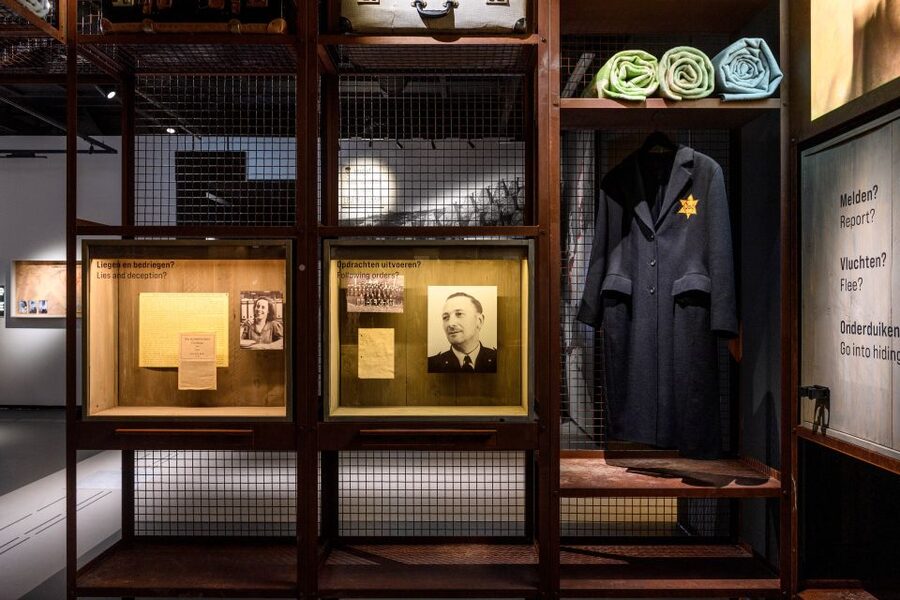
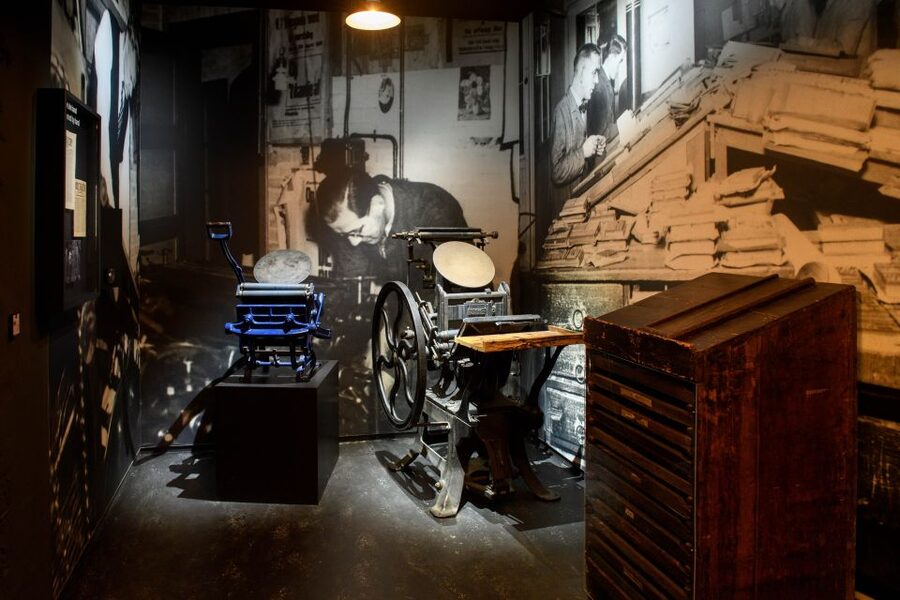
The museum covers a broad range of resistance. You learn about public actions such as strikes, as well as quieter work that could be just as dangerous. Forging identity papers, helping someone find a hiding place, distributing an underground newspaper, and arranging an escape route all required planning and trust.
This range is important because resistance was not one single activity. Some people took part in organized groups. Others helped once, hid a person for a short period, passed along information, or produced a document. The museum shows that courage could take many forms, and that even small acts carried serious risks.
You also encounter the opposite response: cooperation and collaboration. That balance matters. It keeps the exhibition from turning the period into a simple story of heroes on one side and villains on the other. Under occupation, people faced pressure, fear, hunger, loyalty to family, and concern for their own safety.
The result is a more honest picture of wartime society. You are encouraged to ask what you might have done, rather than simply admire resistance from a safe distance.
Following the people behind the artifacts
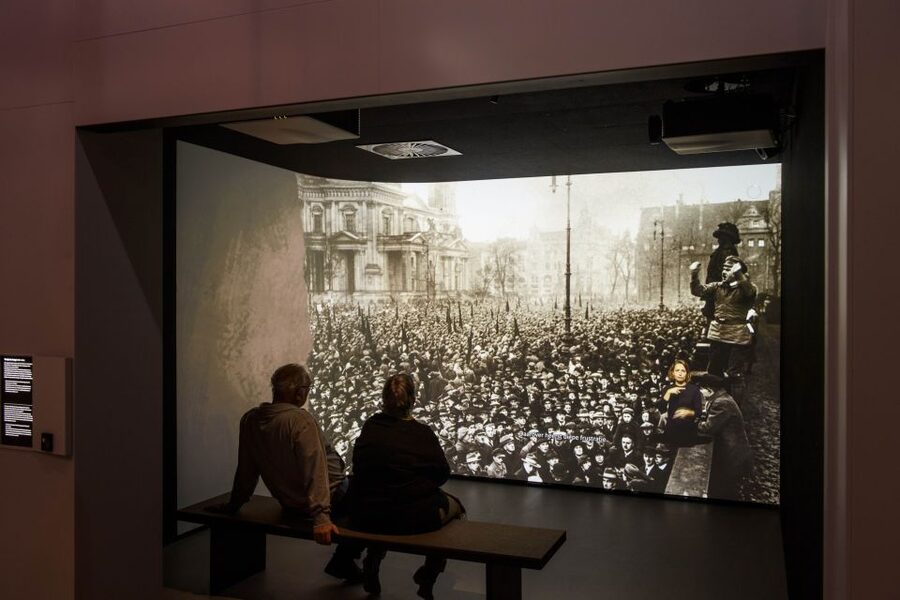
The museum’s strongest material is often personal rather than military. Documents, photographs, recorded accounts, and everyday objects show how the occupation affected real households.
You may read about someone who had to decide whether to shelter another person. You may see the practical tools of underground work or learn how forged papers supported someone’s attempt to disappear. The individual stories make the larger subjects easier to understand because you can see the consequences of each decision.
Short films add voices and movement to the exhibition. They help explain the invasion, occupation, and resistance without leaving you to work out the timeline from labels alone. The visual material also keeps the visit varied, especially during a longer stay.
One useful feature is the attention given to life after the war for some of the people represented. That helps prevent the stories from ending at liberation. You can gain a sense of how wartime experiences continued to affect people and how bravery, cooperation, fear, and loss were remembered.
The drawback is that the museum presents many different lives rather than following one person from 1940 through 1945. I find the range valuable, but if you prefer one continuous biography, the exhibition can feel scattered at times. Use the audio guide to choose a few stories and follow them carefully.
Same country, a completely different kind of day:
- Amsterdam Classic Saloon Boat Cruise with Drinks and Cheese
★ 5.0 · 31,825 reviews - Amsterdam Luxury Canal Cruise + Unlimited Drinks & Bites option
★ 5.0 · 30,518 reviews - Amsterdam: Heineken Experience Ticket
★ 4.6 · 30,055 reviews - Amsterdam: Rijksmuseum Entry Ticket
★ 4.7 · 25,535 reviews
Jewish Dutch experiences and the cost of occupation
The exhibition addresses the particular suffering of Jewish people in the Netherlands under Nazi rule. This is essential context, especially for anyone who knows Amsterdam mainly through the story of Anne Frank.
The museum places Jewish Dutch experiences within the wider occupation, showing how persecution affected daily life and how resistance sometimes involved helping people go into hiding or securing false documents. The personal material makes clear that these were not abstract political events. They involved families, homes, workplaces, schools, and relationships.
The tone is serious and respectful. You should expect emotionally difficult material, especially in sections dealing with deportation, persecution, and the choices forced on people living under Nazi control.
If you have already visited Amsterdam sites connected with Jewish wartime history, this museum adds a broader setting. It explains how individual rescue efforts, underground work, and public resistance fit into the life of the occupied city. You will not get only the familiar Anne Frank narrative. You will meet many other people who faced danger in different ways.
The Dutch East Indies section
A dedicated section examines the former Dutch East Indies, where people endured Japanese occupation and a regime of terror. This part is easy to overlook when planning a museum visit focused on Amsterdam, but it adds an important colonial and international dimension.
The section shows that the Dutch wartime experience was not limited to Europe. Communities in the East Indies faced imprisonment, violence, and upheaval under Japanese rule. Personal accounts help explain how the war affected Dutch colonial subjects and families with connections to the region.
This section is especially meaningful if your family has roots in Indonesia or if you want a fuller account of the Netherlands during World War II. It also prevents the museum from presenting the occupation as a purely European story.
Allow extra time here. The material is not just a short footnote to the main exhibition. It introduces a different setting, different authorities, and different forms of suffering. If you rush through it, you will miss one of the museum’s most distinctive subjects.
Interactive displays and a thoughtful route
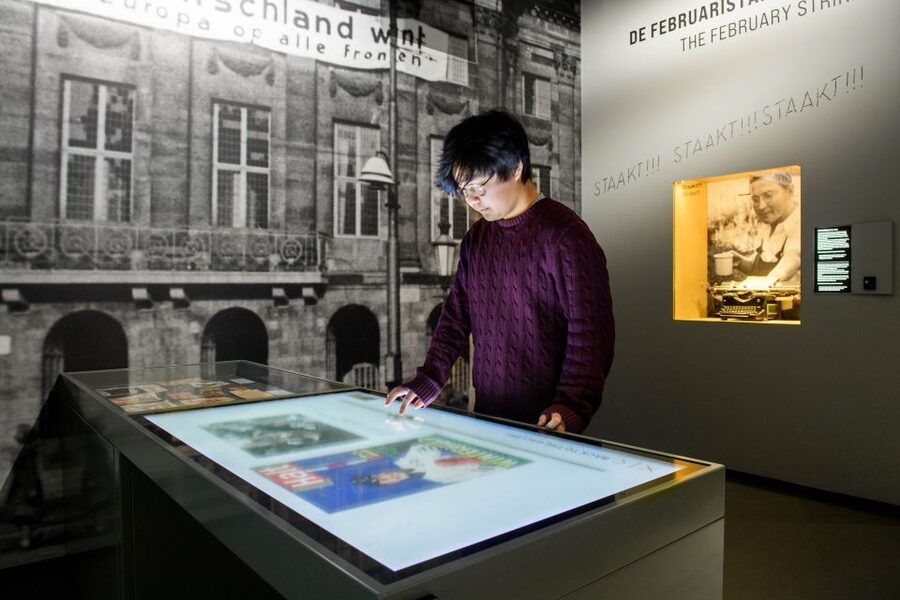
The museum’s layout guides you through the period in a logical order. The route is easy to follow, and the exhibition combines text with objects, photographs, film, and interactive displays.
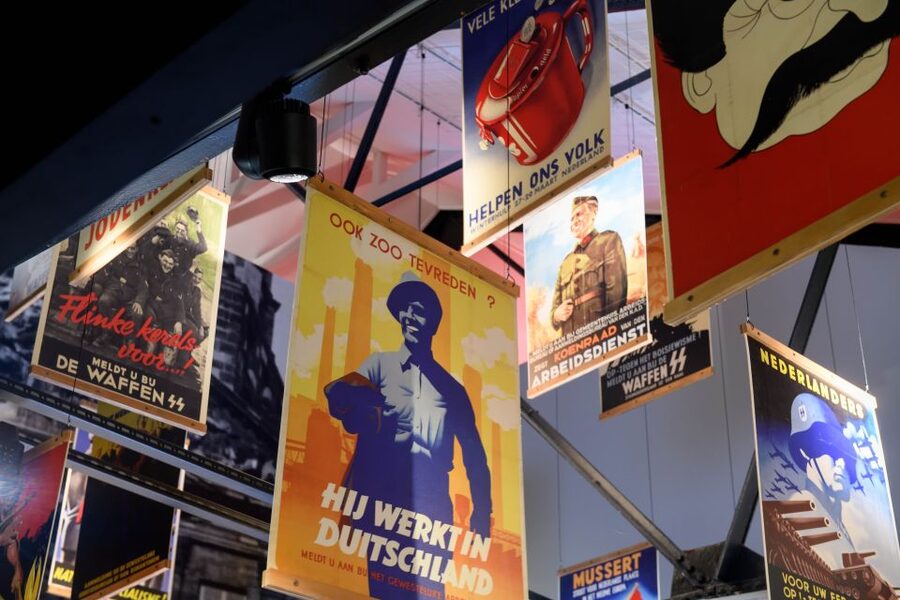
One memorable feature is the use of propaganda posters. Interactive elements help you think about how messages were presented and how public opinion could be shaped during occupation. These displays add variety without turning the subject into a game.
The museum is larger inside than you might first expect. It may look like a small venue when you arrive, but there is a considerable amount to see beyond the first rooms. That explains the wide range of suggested visit times.
For a quick visit, plan about two hours and listen to the main recordings. For a fuller visit, set aside three hours so you can read documents, watch films, and explore the East Indies section without constantly checking the clock. A full day is possible if you want to hear nearly everything, though most people will find two to three hours enough for a strong visit.
The route is wheelchair accessible, which makes the museum practical for visitors who need step-free access. You can also use the audio device while seated, giving you flexibility during a long visit.
How much value do you get for $21?
At about $21 per person, this is not Amsterdam’s cheapest museum ticket. I still consider it good value if World War II, social history, or personal stories interest you.
The price includes entry for one day and the audio guide. You are not paying extra for a live guide, but that also means you will need to manage your own pace and decide which sections to prioritize.
The value improves if you give the museum enough time. A rushed 45-minute visit would leave much of the exhibition untouched. At two or three hours, the cost compares well with other major Amsterdam cultural attractions, especially because the audio commentary is included in several languages.
It is also a useful rainy-day choice. The museum gives you a focused indoor activity with enough material to fill a substantial part of the day. There is a restaurant attached to the museum, so you may be able to finish your visit with a meal, though food and drinks are not part of the ticket.
Flexible booking adds some practical value. You can reserve now and pay later, and cancellation is free up to 24 hours before the visit. The ticket is valid for one day, with availability and starting times shown when you book.
Who will get the most from this visit?
I would recommend the Verzetsmuseum to anyone who wants more than a quick wartime overview. It is particularly suitable for:
- People interested in Dutch resistance and civilian life during occupation
- Visitors who want context beyond the Anne Frank story
- Families with older children who can handle serious historical material
- Visitors with only partial knowledge of World War II
- People with personal or family connections to the Dutch East Indies
- Museum fans who enjoy documents, films, audio, and interactive displays
It is less suitable if you want a light or entertaining stop. The subject includes persecution, imprisonment, fear, and moral compromise. You should approach it with time and attention.
The museum can work well for history enthusiasts, but you do not need specialist knowledge. The presentation is structured enough for first-time learners, while the recorded accounts and original materials provide plenty for people already familiar with the period.
Practical timing for your Amsterdam day
Do not place this visit immediately before a tightly scheduled tour. The museum has enough material to make you lose track of time, and several people have found that two hours was only the beginning.
For a sensible plan, allow two and a half hours. That gives you time to collect the audio guide, move through the main route, listen to selected recordings, and pause at the most important displays.
If you are combining the museum with other wartime sites, the Hollandsche Schouwburg is another nearby place connected with the Jewish history of Amsterdam and deportation. It is now a memorial. The museum and memorial serve different purposes, so visiting both can give you a broader understanding, but allow enough emotional and practical space between them.
Public transportation can be useful for continuing to another stop. Staff at the front desk can help with directions, which is handy if you are unfamiliar with Amsterdam’s tram and transit system.
Should you book the Verzetsmuseum?
Book it if you want a clear, personal account of how Dutch society responded to Nazi occupation. The museum’s greatest strength is its range: public strikes sit beside forged papers, hiding networks, underground publishing, espionage, collaboration, and the private fears of families.
I like the fact that you control the audio guide and can choose your depth. I also value the inclusion of the Dutch East Indies, a subject many visitors might not expect in an Amsterdam war museum.
Skip it only if your schedule allows less than an hour or if serious wartime material is not what you want from your day. Otherwise, spend at least two hours here, and three if you want to listen carefully. At $21, the ticket earns its place in an Amsterdam itinerary for anyone seeking a thoughtful, well-organized account of resistance and life under occupation.
FAQ
Where is the Dutch WWII Resistance Museum located?
The museum is in Amsterdam, in North Holland, Netherlands. You show your ticket at the museum counter on arrival.
How long should I plan for the museum?
Plan at least two hours for a worthwhile visit. Three hours is better if you want to hear and read much of the material, while some visitors may spend most of a day exploring the exhibition in detail.
What does the ticket include?
The ticket includes museum entry and an audio guide. Food, drinks, and a personal guide are not included.
Is the visit guided by a live tour guide?
No. This is a self-guided museum visit. The included handheld audio guide lets you choose recordings at the exhibits.
Which languages are available for the audio guide?
The audio guide is available in Dutch, English, French, German, Italian, Spanish, and Portuguese.
What subjects does the museum cover?
The exhibition covers strikes, forged documents, helping people go into hiding, underground newspapers, escape routes, armed resistance, espionage, collaboration, and everyday life during German occupation.
Does the museum cover the Dutch East Indies?
Yes. A dedicated section explains the experiences of people in the former Dutch East Indies under Japanese rule during World War II.
Is the museum wheelchair accessible?
Yes. The activity information states that the museum is wheelchair accessible.
Can I cancel or pay later when booking?
Yes. You can cancel up to 24 hours in advance for a full refund. A reserve-now, pay-later option is also available, and the ticket is valid for one day.
Just added around Amsterdam
- Amsterdam: Giethoorn Tour with Canal Cruise and Windmills★ 5.0 · 3 reviews
- Full-day excursion to Edam, Volendam, and Marken★ 3.7 · 3 reviews
- Amsterdam: Chocolate Fondue in the Dark★ 5.0 · 3 reviews
- Amsterdam Family Friendly Historical Walking Tour★ 5.0 · 3 reviews
- Amsterdam Private Walking Tour of Famous Painters★ 5.0 · 3 reviews
- Amsterdam Old-West Vegan Food Tour with Local Guide★ 4.7 · 3 reviews
- From Amsterdam: visit Zaanse Schans, Muiderslot and more!★ 5.0 · 3 reviews
- Amsterdam Walking Tour with Dutch Pancake Lunch★ 5.0 · 3 reviews
Amsterdam Tours, compared.
Amsterdam Classic Saloon Boat Cruise with Drinks and Cheese
Read our review →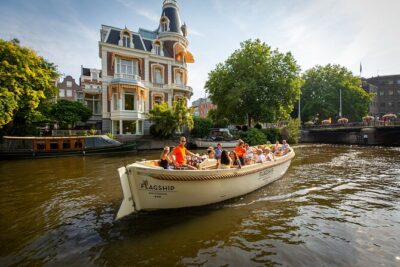
Amsterdam Luxury Canal Cruise + Unlimited Drinks & Bites option
Read our review →
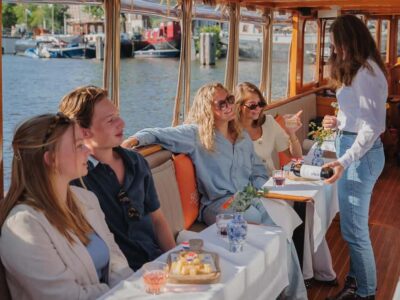
Classic Boat Cruise with Optional Cheese & Wine
Read our review →
Evening Cruise with Optional Wine and Snacks
Read our review →
75 Minute City Canal Cruise with Audio Guide
Read our review →Browse the lists this tour appears in