
Reviewed · AMSTERDAM TOURS
Amsterdam bike tour with a French-speaking guide local!
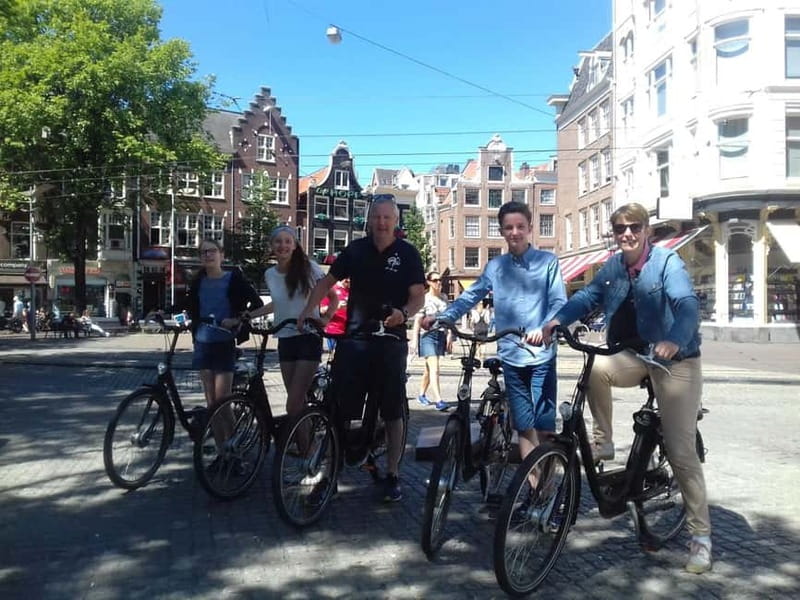
Amsterdam makes far more sense from a bicycle seat than through a coach window. This French-language bike tour takes you from IJdok near Central Station through canal districts, the Jordaan, the Museumkwartier, Vondelpark, and the old center, giving you a quick feel for how the city fits together.
I like the small-group format, capped at 12 people per guide, and the practical bikes with hand brakes instead of the foot-brake style found on many Dutch rentals. I also like starting this tour early in your stay, since the guide offers restaurant, brown café, bar, and walking suggestions for the rest of your visit.
The main consideration is that 12 people may still feel like a sizable group on narrow streets. One French-language comment even suggested that fewer than 12 would be better, so ask about group size if a quieter ride matters to you.
Key points at a glance
- French-speaking local guide: You receive the tour, city background, and cycling instructions in French.
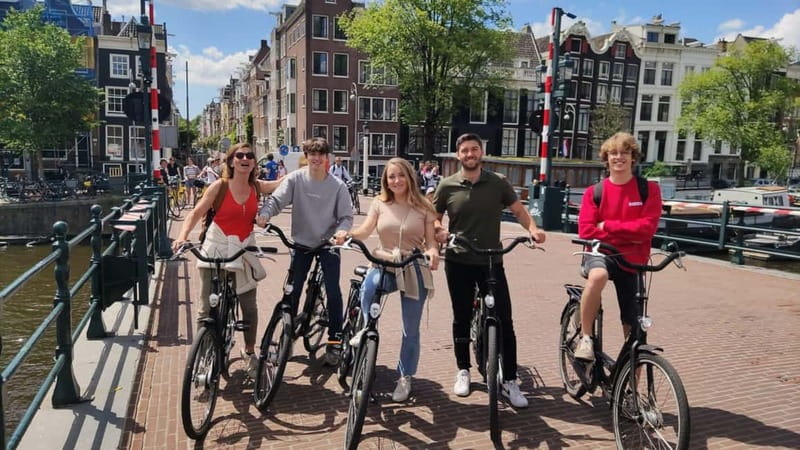
- Hand-brake Batavus bikes: The bicycles use handlebar brakes, which can feel more familiar to many riders.
- A useful first-day orientation: The route links central sights with residential districts you might not reach alone.
- Nine major stops in 2.5 hours: You cover Dam Square, the canals, Jordaan, Westerkerk, De Negen Straatjes, and more.
- Bikes for ages eight and up: Child seats are available for younger children, and helmets can be provided if needed.
- Practical extras: Luggage storage is possible, and a 10 percent discount applies to later bicycle rental.
Why a bike is the right introduction to Amsterdam
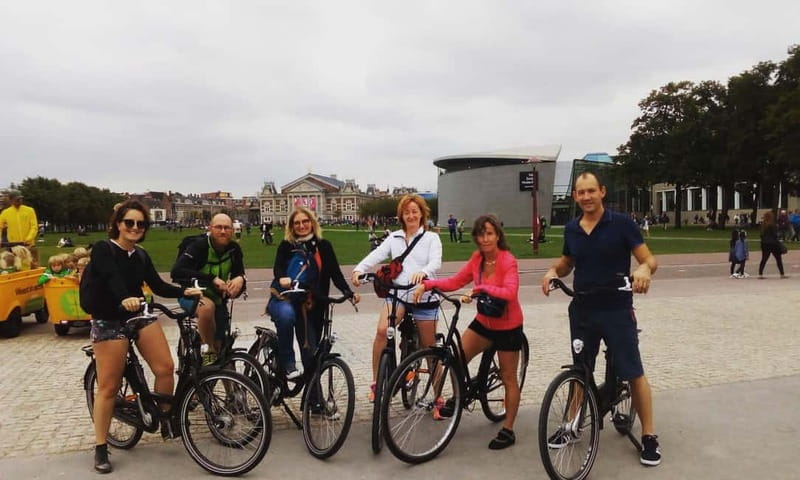
Amsterdam is compact, but its districts have different moods. A walking tour can show you the old center, while a boat ride gives you canal views. A bicycle tour connects the two and lets you see how residents move between them.
The pace is useful. You can pass from the grand Museumkwartier to the narrower streets of the Jordaan without spending much of your short visit on transport. You also get a sense of the city’s everyday rhythm, though you must stay alert around other cyclists, pedestrians, cars, and tram tracks.
This tour is especially useful at the start of a stay. In 2.5 hours, you get a broad map of Amsterdam and a list of places to return to later. The guide also offers tips on Dutch restaurants, brown cafés, bars, and neighborhoods that are better explored on foot.
The tour starts at IJDOK 47, close to Amsterdam Centraal Station, at the shop called Amsterdam Bike Rent. It returns to the same place, which keeps the route simple for your arrival or departure day. The advertised departures are 10:30 a.m. and 1:30 p.m., though you should check current availability before booking.
More Bike Tours in Amsterdam
- Amsterdam: Guided Bike Tour City Centre in EN/DE/FR/ES
★ 4.7 · 4,187 reviews - Countryside Bike Tour from Amsterdam: Cheese, Clogs & a Windmill
★ 5.0 · 1,485 reviews - Amsterdam: Hidden Gems & Highlights Guided Bike Tour
★ 4.8 · 1,404 reviews
Getting comfortable on the Batavus bikes
The included bicycles are Dutch Batavus models in a range of sizes. The key detail is the braking system: these bikes have hand brakes under the handlebars, not the pedal-back braking common on some traditional Dutch city bikes.
That difference matters. If you already ride a bicycle with handlebar brakes, the setup should feel natural. If you usually use foot brakes, pay close attention during the guide’s introduction. A French-language participant specifically noted that Marcel explained the cycling rules clearly before the group set off, and that the ride went smoothly afterward.
The bikes also have luggage racks, useful for a small bag or water bottle. Helmets are included if you want one. Baby seats are available for small children, while bicycles are offered for children from age eight.
The price does not include an electric bicycle, tandem, cargo bike, poncho, or water bottle. Bring your own water, and dress for changing weather. Since ponchos are not supplied, rain gear is worth packing if the forecast looks uncertain.
Leaving IJdok for the Museumkwartier
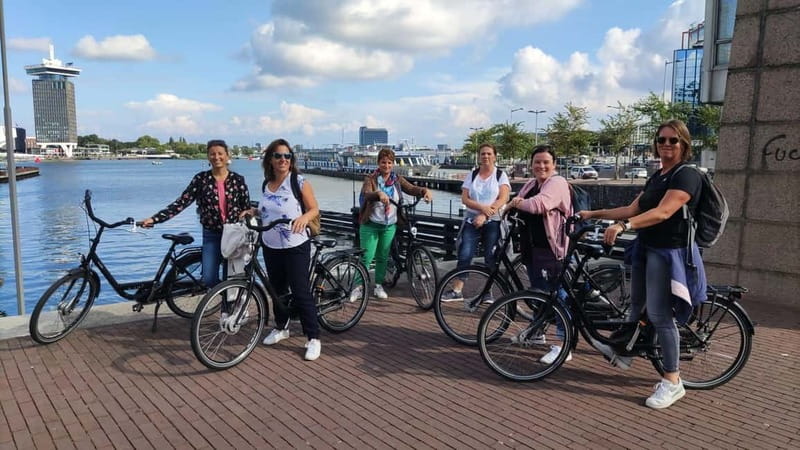
The ride begins at IJdok 47, a convenient meeting point near Central Station. From there, the guide sets the tone with basic cycling rules and helps you get used to the bike before the main route begins.
The Museumkwartier is one of the city’s most polished districts, known for its major museums and broad public spaces. You do not visit museum interiors on this tour, but cycling through the area gives you a useful sense of where to return if you have museum time later.
This stop also helps explain the contrast between Amsterdam’s grander avenues and its older canal streets. In a short visit, it is easy to treat the city as one continuous center. The bicycle makes the changes between districts much clearer.
Dam Square and the old city center
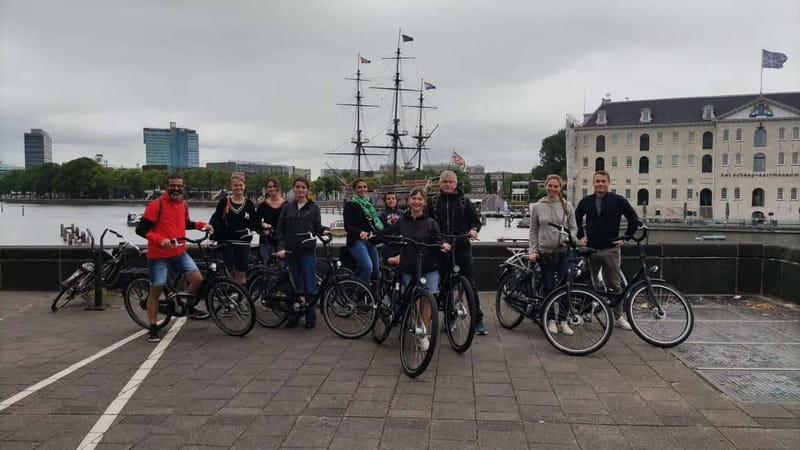
Dam Square is the symbolic heart of Amsterdam. It is a busy, open space surrounded by major buildings and close to many of the city’s central streets.
The stop is less about lingering in one quiet place and more about getting your bearings. From here, the guide can connect the city’s past and present, then point you toward nearby areas you may want to explore later on foot.
Expect activity around the square. It is a central public space, so it may feel crowded and noisy compared with the residential districts. That is part of its value as an orientation stop, but it is not the place to expect a slow, peaceful pause.
Same country, a completely different kind of day:
- Amsterdam: Van Gogh Museum Ticket
★ 4.7 · 52,054 reviews - Amsterdam Classic Saloon Boat Cruise with Drinks and Cheese
★ 5.0 · 31,825 reviews - Amsterdam Luxury Canal Cruise + Unlimited Drinks & Bites option
★ 5.0 · 30,518 reviews - Amsterdam: Heineken Experience Ticket
★ 4.6 · 30,055 reviews
Westerkerk and the canal belt
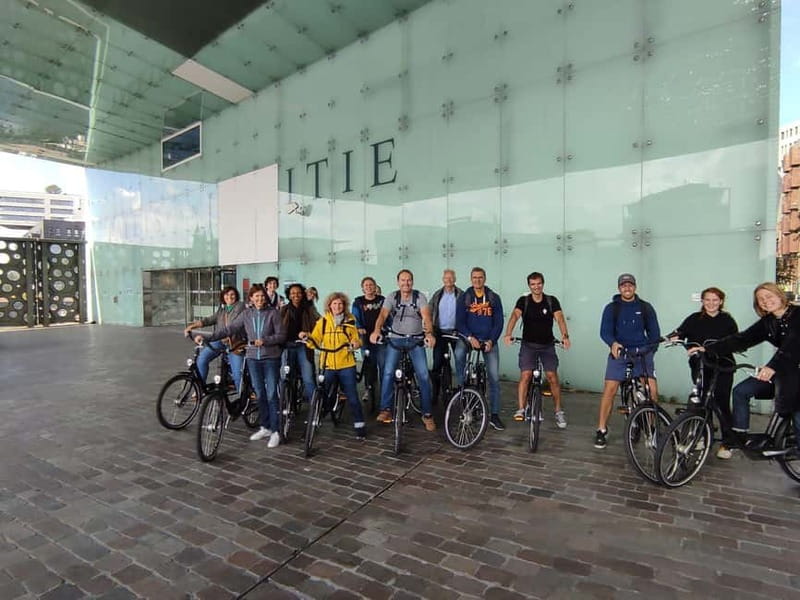
Westerkerk is one of the recognizable landmarks along the western canal belt. Its location near the Jordaan and the Anne Frank House makes it a natural part of this route.
The surrounding canal district shows off the features many people picture when they think of Amsterdam: narrow canal-side houses, bridges, water-level streets, and distinctive Dutch architecture. The guide uses this section to explain the city’s building traditions and the practical reasons behind its unusual streetscape.
Cycling here requires care. Canal streets can be narrow, and you share the road with other bikes and pedestrians. The benefit is that you move through the district as part of daily city life, rather than simply looking at it from a tour vehicle.
De Negen Straatjes, nine small shopping streets
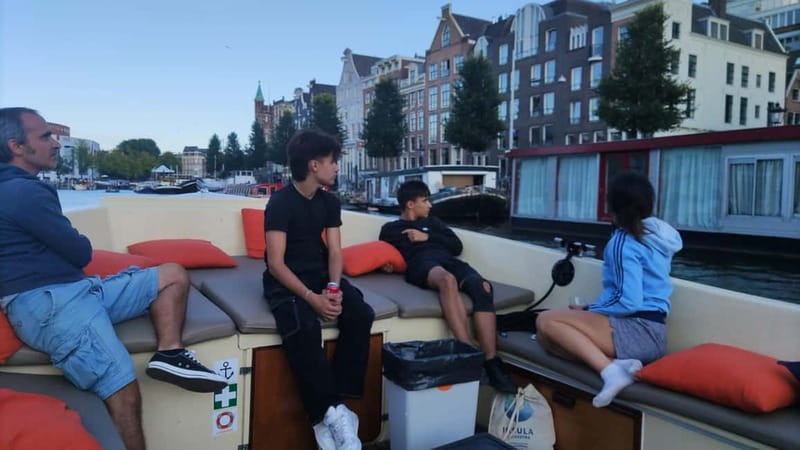
De Negen Straatjes means the Nine Streets, a compact group of lanes between the main canals. This area is known for independent shops, cafés, and a more intimate street scale than Dam Square.
You may find this one of the most pleasant parts of the route for a later walk. During the bike tour, the guide provides context and keeps the group moving, so do not expect a long shopping stop. Make a mental note of the streets you like, then return without a bicycle if you want to browse.
This is one reason the tour works well early in your visit. You see several areas quickly, then decide which ones deserve more of your time.
Haarlemmerbuurt and the route toward the Jordaan
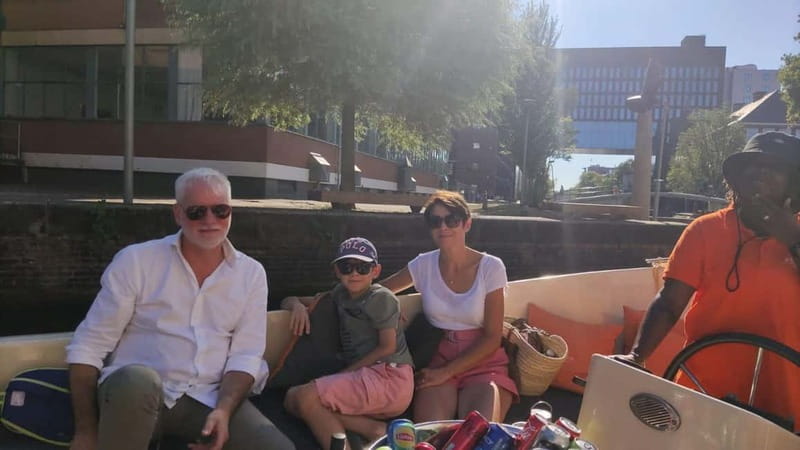
Haarlemmerbuurt offers another change in character. The route moves away from the most famous central sights and into an area where local shops, cafés, and regular city life matter as much as monuments.
The guide’s role is important here. A map can show you where the district sits, but it cannot easily explain how it fits with the canals, Jordaan, and western center. In French, you can ask questions as you ride and get advice that is more useful than a list of attractions.
The group format also matters in this part of the ride. A maximum of 12 people is smaller than the large bike groups common in Amsterdam, but it is not a private tour. If the group fills, stopping and starting may take more coordination, especially on narrow streets.
The Anne Frank House area
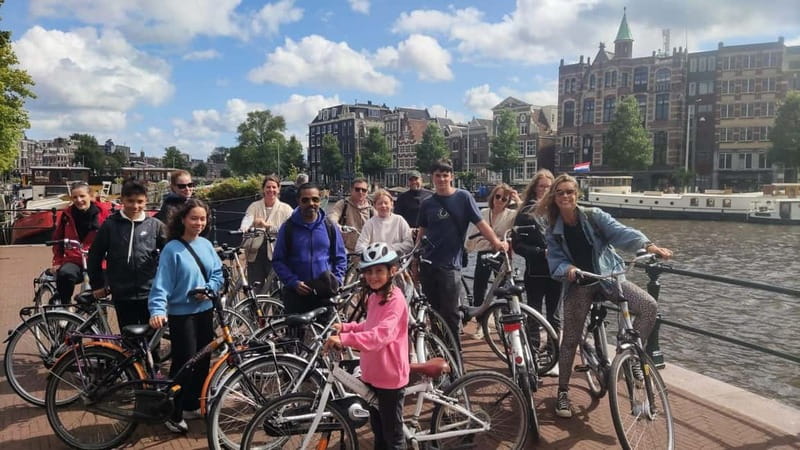
The route passes the Anne Frank House, one of Amsterdam’s most important historical sites. This is a guided exterior stop rather than an admission visit, so you should not expect entry into the house or a substitute for a timed ticket.
The value here is location and context. The Anne Frank House sits in the canal belt, and seeing it alongside the Jordaan and Westerkerk helps place this part of Amsterdam within the city’s broader story.
If you plan to visit the house separately, arrange that on your own before or after the bike tour. The cycling tour gives you orientation, not interior access.
The Grachtengordel, Amsterdam’s canal belt
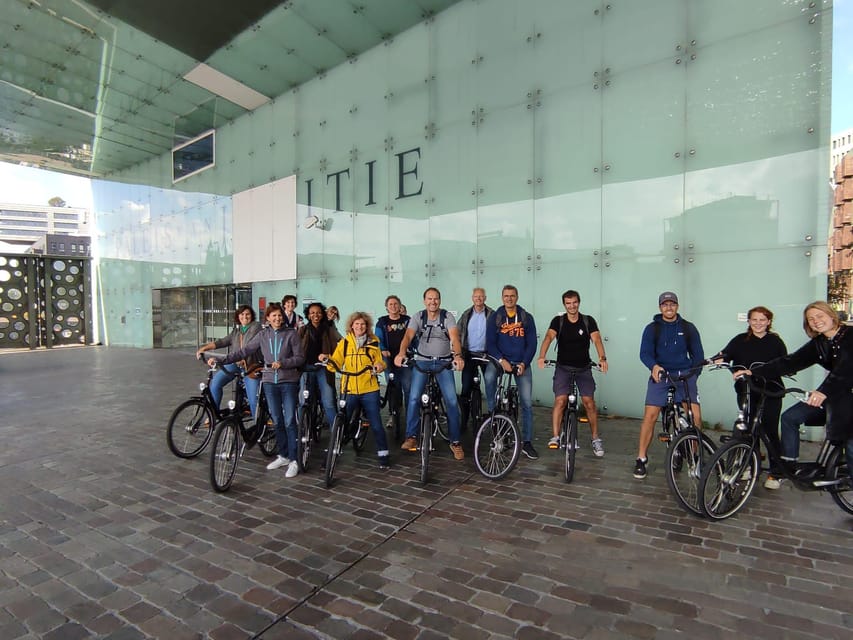
Grachtengordel refers to the central canal ring. This is where the city’s water-based design becomes easiest to understand from a bicycle.
You can see how bridges, canal houses, streets, and waterways work together. The guide also discusses cultural differences, local routines, and daily life, so the ride is not limited to a parade of famous buildings.
I like this section because it gives Amsterdam scale. On foot, you may focus on one bridge or one row of houses. By bike, you connect several canal zones and understand how close they are to one another.
The Jordaan, the tour’s most personal-feeling district
The Jordaan is one of the route’s main rewards. Its narrow streets, canals, and residential feel offer a more relaxed counterpoint to the center.
This is also where the tour’s local angle becomes most useful. You visit a neighborhood you might skip if you only followed the standard route between Central Station, Dam Square, and the major museums. The guide can point out the district’s character while explaining how Amsterdam’s history connects with present-day life.
Do not expect the group to stop at every attractive corner. A bicycle tour is designed to keep moving. If the Jordaan appeals to you, return later on foot and use the guide’s recommendations for cafés, bars, or places to eat.
What the 2.5-hour schedule really gives you
Two and a half hours is long enough for a solid city introduction, but not long enough for extended visits at every stop. The route covers a lot: Museumkwartier, Dam Square, Westerkerk, De Negen Straatjes, Haarlemmerbuurt, the Anne Frank House area, the canal belt, and Jordaan.
That breadth is the point. You are not booking a museum tour or a slow architectural study. You are getting a working overview of Amsterdam, with enough history and local detail to plan the next few days.
The morning departure at 10:30 a.m. is useful if you want the afternoon free for museums or independent exploring. The 1:30 p.m. option works better if you arrive late, prefer a slower morning, or want to combine the ride with another activity earlier in the day.
The tour returns to IJdok 47, so you do not need to figure out a new finish point. You can also leave luggage at the shop while you cycle, a practical benefit if you are arriving before check-in or leaving after check-out. Confirm this arrangement when you book.
Is $40 a fair price?
At $40 per person, the price includes the bicycle, guide, and 2.5-hour route. That is a reasonable package if you would otherwise rent a bike and pay separately for a city orientation.
The value is strongest for first-time visitors, French-speaking families, and anyone who wants local suggestions instead of a self-guided route. You also receive a 10 percent reduction if you rent a bicycle after the tour, which can make the introductory ride more useful if you plan to keep cycling.
The value is less clear if you already know Amsterdam well or want a private experience. The group limit of 12 keeps the tour smaller than many large operations, but a full group can still feel busy. You are paying for access to a French-speaking local guide and an efficient route, not for personal attention at every stop.
Who should book this ride?
I would choose this tour if French is your preferred language and you want a broad introduction soon after arriving. It suits couples, families with older children, and first-time visitors who want help understanding Amsterdam’s cycling culture.
It is also a good fit if you are unsure about riding in the city. The guide explains the rules before departure, and the hand-brake bicycles are familiar to many riders. Still, you should be comfortable balancing, steering, and paying attention in an active urban setting.
Families can request child seats, and bicycles are available from age eight. The tour does not include electric bikes, tandems, or cargo bikes, so match the booking to your group’s abilities and expectations.
You may want another option if you need a private guide, dislike group riding, want long photo stops, or hope to enter the Anne Frank House or museums during the tour. This is a moving orientation, not a sequence of indoor visits.
Booking details worth knowing
The provider offers free cancellation up to 24 hours before the activity for a full refund. You can also reserve now and pay later, which helps if your Amsterdam plans are still changing.
The guided language is French. The provider also offers other French-language activities, including a boat tour with an aperitif and cheese tasting, plus a windmill visit. Those are separate experiences, but the bike tour can help you decide which parts of the city deserve more time.
The tour includes bicycles and, if needed, helmets. Bring water because it is not supplied, and remember that ponchos are not included. The start and finish are both at IJDOK 47, near Central Station.
My call: book it for orientation, not for a private tour
Book this bike tour if you want to see Amsterdam’s main districts in one efficient ride, speak French with a local guide, and receive useful advice for the rest of your stay. The hand-brake Batavus bikes, child-seat option, luggage storage, and modest price add real practical value.
Before booking, check the expected group size and be honest about your cycling comfort. A full group of 12 may feel less personal, and the route leaves little time for long stops. For a first-day overview in French, though, this is a sensible way to get your bearings and start exploring with a better map in your head.
FAQ
Where does the Amsterdam French-language bike tour begin?
The tour begins at IJDOK 47, near Amsterdam Centraal Station. The bike shop is called Amsterdam Bike Rent.
Where does the tour finish?
The activity returns to the same meeting point at IJDOK 47.
How long is the bike tour?
The tour lasts 2.5 hours. The listed departure times are 10:30 a.m. and 1:30 p.m., subject to availability.
Is bicycle rental included?
Yes. The price includes a Batavus bicycle, available in different sizes. The bikes have hand brakes and luggage racks.
Can children join the tour?
Bicycles are available for children from age eight. Baby seats are also available for younger children if needed.
Is the tour offered in English?
The guided language listed for this activity is French.
Just added around Amsterdam
- Amsterdam: Giethoorn Tour with Canal Cruise and Windmills★ 5.0 · 3 reviews
- Full-day excursion to Edam, Volendam, and Marken★ 3.7 · 3 reviews
- Amsterdam: Chocolate Fondue in the Dark★ 5.0 · 3 reviews
- Amsterdam Old-West Vegan Food Tour with Local Guide★ 4.7 · 3 reviews
- Amsterdam Private Walking Tour of Famous Painters★ 5.0 · 3 reviews
- Amsterdam Family Friendly Historical Walking Tour★ 5.0 · 3 reviews
- From Amsterdam: visit Zaanse Schans, Muiderslot and more!★ 5.0 · 3 reviews
- Amsterdam Walking Tour with Dutch Pancake Lunch★ 5.0 · 3 reviews
Amsterdam Tours, compared.


Amsterdam Classic Saloon Boat Cruise with Drinks and Cheese
Read our review →
Amsterdam Luxury Canal Cruise + Unlimited Drinks & Bites option
Read our review →


Classic Boat Cruise with Optional Cheese & Wine
Read our review →
Evening Cruise with Optional Wine and Snacks
Read our review →
75 Minute City Canal Cruise with Audio Guide
Read our review →Browse the lists this tour appears in