
Reviewed · AMSTERDAM TOURS
Amsterdam: Architektur Er-fahren
Amsterdam’s architecture makes more sense from a bicycle seat. This German-language tour follows the water from Beursplein and Damrak toward the IJ, Amsterdam Central, and the Western Islands, showing how Amsterdam keeps building on difficult ground while making room for both social housing and luxury homes. I like the way it connects old canal houses with modern projects, rather than treating architecture as a row of pretty façades. I also like the small group, limited to 10 people, which should make questions easier.
The main consideration is practical: bike hire is not included. You need your own functional bicycle, and rental prices can add roughly €5 to €25. The tour also runs rain or shine, so this is best for you if cycling in changing weather is part of your Amsterdam plan.
Key points at a glance
- See Amsterdam from Beursplein to the IJ: The route links the city center with the waterfront and Amsterdam Central.
- Compare canal houses and new construction: Historic warehouses, industrial buildings, houseboats, and modern designs share the same route.
- Explore the Western Islands by bike: This area gives you a close look at Amsterdam’s changing waterfront.
- Understand the water problem: The guide explains how land conditions and water shape building decisions.
- Learn why housing looks the way it does: Social housing, luxury housing, population growth, and limited space all enter the story.
- Ride with a German-speaking guide: The group is capped at 10, and the tour lasts about 2.5 hours.
Why Amsterdam architecture is best seen on two wheels
Amsterdam is easy to admire from a canal bridge, but a bicycle gives you a better sense of how its parts fit together. You can move from old warehouses to new apartment buildings, then pause near the water and see the city’s building choices in one broad view.
That contrast is the heart of this tour. Amsterdam is not only a city of narrow canal houses and ornate gables. It is also a place of industrial structures, houseboats, bold new construction, and practical solutions forced by limited land. The route uses those contrasts to explain how the city grew.
I like this approach because architecture becomes tied to ordinary life. You are not just asked to admire a façade. You are encouraged to notice why a building sits where it does, how its design deals with water, and what it says about the people who live there.
The tour is conducted in German. If you want a German-speaking guide and prefer explanations that go beyond basic sightseeing facts, that language choice is important. The group limit of 10 also gives the outing a more personal scale than a large cycling procession.
A few more Amsterdam trips worth a look
- Amsterdam: Van Gogh Museum Ticket
★ 4.7 · 52,054 reviews - Amsterdam Classic Saloon Boat Cruise with Drinks and Cheese
★ 5.0 · 31,825 reviews - Amsterdam Luxury Canal Cruise + Unlimited Drinks & Bites option
★ 5.0 · 30,518 reviews
Starting at Beursplein and Damrak
The meeting point is at Beursplein near Damrak, one of the most central parts of Amsterdam. Look for the guide wearing a black-and-white striped band around the neck. This simple marker matters in a crowded city center, where several groups may be gathering at the same time.
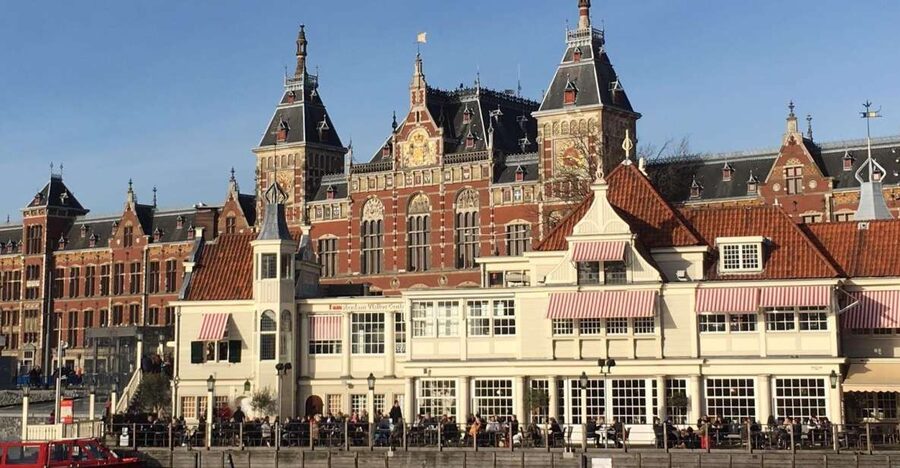
From here, you begin cycling toward the IJ and Amsterdam Central. The opening section helps set up the main theme: Amsterdam’s center combines historic architecture with major transport routes, water, commerce, and constant pressure for more space.
Your guide provides an overview of Amsterdam’s general history and daily life while introducing the buildings around you. The explanations include useful information and amusing stories, so the tour is not limited to technical architecture terms.
You should arrive with a bike that is comfortable and roadworthy. The activity does not provide one. You can usually rent a bicycle from your hotel or from one of Amsterdam’s many bicycle shops, but allow enough time to find one before the meeting point.
Following the water toward Amsterdam Central
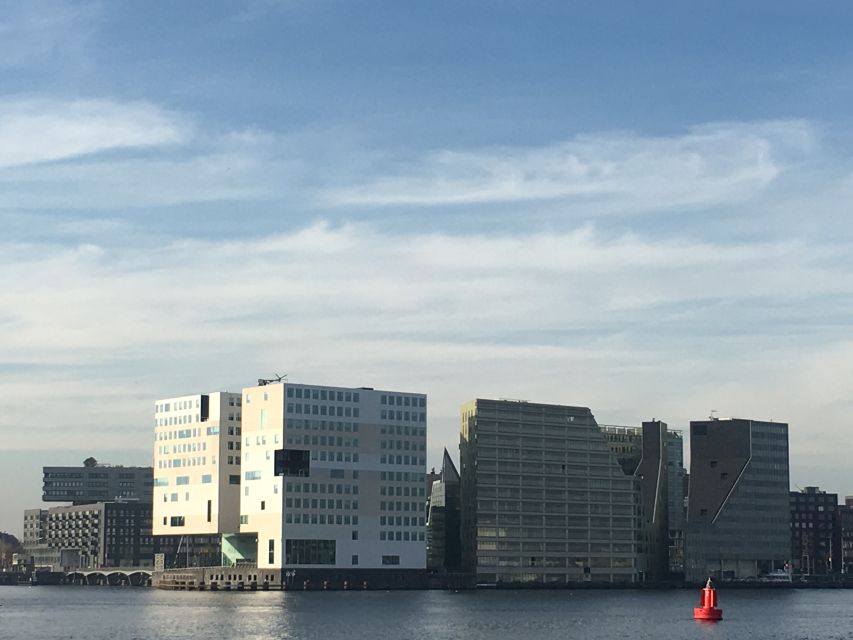
The route continues along the water toward Amsterdam Central, with views that help you read Amsterdam as a city shaped by its waterways. The IJ is not just a scenic backdrop. It is part of the city’s working geography and one of the areas where old industrial uses meet newer construction.
This is where the tour’s focus on function becomes useful. Amsterdam has had to deal with soft ground, water, a growing population, and limited room for expansion. The guide explains how those conditions affect the way buildings are designed and placed.
The route also gives you a chance to look back at the city from the waterfront. Views are often more revealing when you are moving between districts instead of stopping at one famous building. You can compare the scale of the water, the old city, and newer developments as the ride progresses.
The cycling itself is part of the experience. You are not walking from one isolated sight to another, and you are not viewing the city only from a tour bus. You move through it at local street level, with time to notice details that are easy to miss from a distance.
Canal houses, warehouses, and the practical old city
Amsterdam’s historic canal buildings are familiar, but this tour places them in a wider story. Narrow houses and old warehouses reflect the city’s commercial past, its tight urban plan, and the need to build upward when land was scarce.
The guide also points out the differences between picturesque architecture and industrial architecture. That distinction is useful because Amsterdam’s older districts are not all decorative. Some buildings were made for trade, storage, transport, or work, and their plain forms reveal those earlier purposes.
I appreciate tours that do not treat old buildings as museum pieces. Here, the historic structures help you understand how the city functioned. Their relationship to canals, streets, and warehouses shows why Amsterdam developed such a distinctive appearance.
You may also get practical tips for the rest of your stay. The tour includes information that can help you look at other buildings around Amsterdam with a sharper eye, rather than ending when the ride is over.
Same country, a completely different kind of day:
- Amsterdam: Heineken Experience Ticket
★ 4.6 · 30,055 reviews - Amsterdam: Rijksmuseum Entry Ticket
★ 4.7 · 25,535 reviews - Amsterdam: Classic Boat Cruise with Optional Cheese & Wine
★ 4.6 · 22,925 reviews - Amsterdam: Evening Cruise with Optional Wine and Snacks
★ 4.4 · 19,696 reviews
Houseboats and the changing waterfront
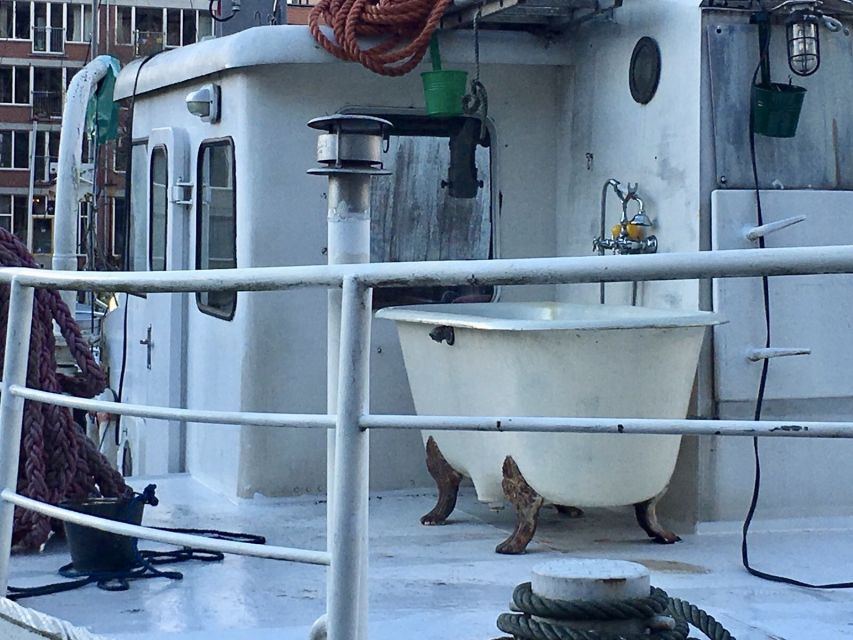
Houseboats are another part of Amsterdam’s built environment, and the route includes opportunities to admire them. They add a very local twist to the architecture discussion because they show how people use the water itself as living space.
Their presence also raises a larger question: how does a crowded city make use of every available area? Along the route, houseboats sit within a setting that includes historic buildings, water, and new construction. The result is a more varied view of Amsterdam than the classic canal-house scene alone.
Do not expect a separate houseboat visit or an interior tour. The information provided describes them as part of the route’s views and architectural comparisons. You see how they fit into the waterfront and hear how water shapes Amsterdam life.
This is one reason the bicycle format works well. You can pass through different kinds of waterfront settings in a single outing, without the fixed viewpoint of a boat or the slower pace of a walking tour.
The Amsterdam Western Islands by bicycle
The Western Islands are a key part of the route. This area gives the tour room to explore the meeting point between Amsterdam’s industrial past and its newer residential identity.
The contrast here is central to the experience. Industrial buildings and warehouses may appear alongside more picturesque structures, houseboats, and newer housing. Instead of seeing these as unrelated sights, you are shown how they reflect different stages of Amsterdam’s growth.
The guide also discusses award-winning new projects and innovative solutions in design and function. Specific project names are not provided, so you should not expect a fixed list of famous architectural landmarks. The value comes from learning how to read the newer buildings you encounter.
For you, that means the Western Islands are less about checking off a single monument and more about seeing a district in transition. The ride helps explain why some buildings preserve an industrial feel while others introduce new shapes, materials, or ways of using space.
How water and soft ground shape building choices
Amsterdam’s land conditions are not a side note. They are one of the reasons the city’s architecture is so distinctive. The tour explains the problems created by water and difficult ground, then links those problems to the way Amsterdam builds and expands.
You will also hear about the city’s rapidly growing population. More residents mean more pressure on limited land, which leads to difficult choices about density, housing, public space, and waterfront development.
The guide connects social housing and luxury housing to this wider problem. That makes the architecture discussion more grounded. Buildings are not only designed to look good. They also need to answer questions about who can live there, how much space is available, and how a growing city should develop.
I find this kind of context especially useful if you have already seen Amsterdam’s traditional center. Once you understand the pressures behind the city’s growth, modern housing projects become easier to judge on their own terms. You can ask what a building is trying to solve, not just whether you like its appearance.
Modern architecture and inventive design
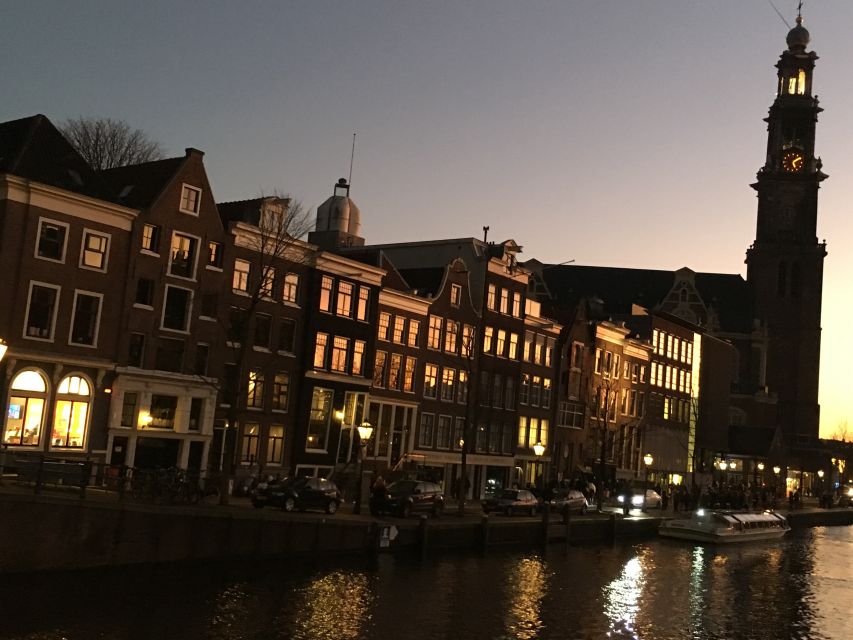
The modern part of the tour brings the story into the present. Amsterdam has added new buildings and housing projects while working within the limits of water, land, and an established urban setting.
The focus is on innovative solutions in both function and design. You might see buildings that respond to unusual sites, changing waterfront uses, or the need to fit more homes into a limited area. The guide’s job is to explain how those choices work and why they matter.
This is not a specialist architecture lecture. The tour also includes general history, local life, and humorous stories, so you get a broader picture of Amsterdam rather than a list of design vocabulary.
The strongest benefit is that you can carry the information with you. After the tour, you may recognize how a building responds to its surroundings, how old industrial areas are reused, or how housing projects balance private needs with the shape of the city.
What the 2.5-hour format feels like
Two and a half hours is a useful length for an architecture tour by bicycle. It gives the guide time to cover several districts and themes without taking up an entire day in Amsterdam.
You will cycle, stop for views, listen to explanations, and continue toward the next part of the route. The exact timing at each location is not specified, so the pace may depend on the group, traffic, weather, and the guide’s discussion.
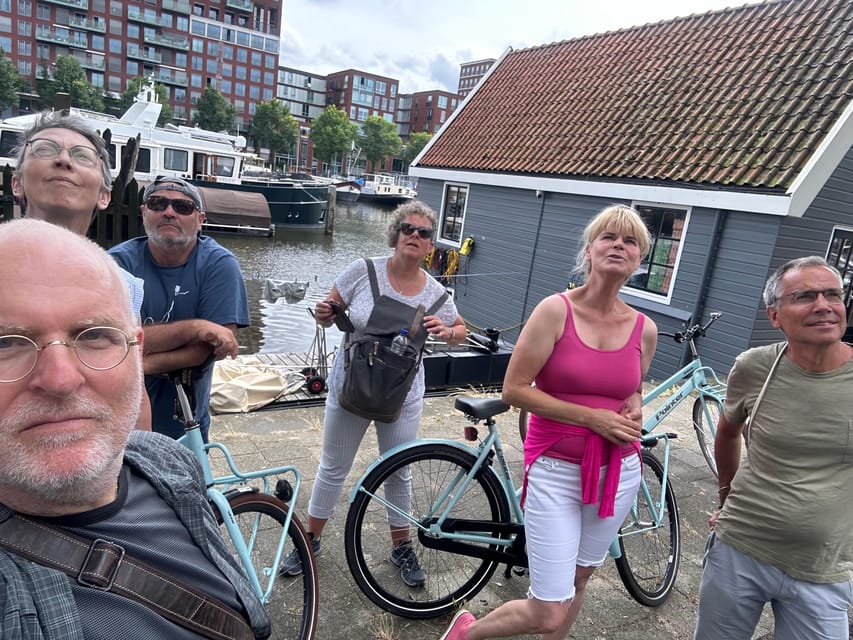
The small group limit of 10 is a real advantage. It should be easier to hear the guide, ask questions, and keep the group together than on a large city cycling tour. It also suits a subject that benefits from short explanations at several different locations.
Still, you should be realistic about the weather. The tour runs rain or shine. Bring water, wear comfortable clothes and shoes, and check the forecast before you leave. A waterproof layer can make the difference between an enjoyable ride and a damp slog.
The tour returns to its original starting point. That makes planning simpler, especially if you have another activity booked afterward in central Amsterdam.
Bike hire changes the real price
The listed price is $46 per person, but the bicycle is not included. Rental costs usually range from about €5 to €25, depending on where and how long you hire one.
That extra cost does not make the tour poor value, but you should include it when comparing options. The price pays for a guided 2.5-hour outing, a German-speaking live guide, a small group, and interpretation that links many parts of Amsterdam’s architecture.
I think the value is strongest for you if you want context rather than simple transport between sights. A self-guided ride may cost less, but you would need to plan the route and work out the connection between old buildings, waterfront development, housing, and water management yourself.
If you already have a bicycle, the price is easier to assess. If you need to rent one, check the total before booking and make sure the bicycle is in good working order. A city bicycle with reliable brakes and comfortable handling is essential.
Who will enjoy this Amsterdam architecture tour
This experience suits adults and older children who can ride confidently in Amsterdam. It is particularly useful for you if you are interested in urban planning, architecture, housing, industrial heritage, or the way cities adapt to water.
It also works well for a repeat visit. If you have already seen the main canals, this route offers a different angle on Amsterdam and takes you toward areas that are less central to the standard sightseeing circuit.
German-speaking visitors will get the clearest benefit because the live commentary is in German. The activity is not suitable for anyone who cannot ride a bicycle.
You should also be comfortable spending 2.5 hours outdoors. The tour is not suitable if you want a fully sheltered activity or if rain would spoil your day. Alcohol and drugs are not allowed, and intoxicated participants should not join.
Small details that make the ride easier
Meet at Beursplein near Damrak and look for the black-and-white striped band around the guide’s neck. Bring water, comfortable shoes, comfortable clothing, and layers suited to the forecast.
Because your own bicycle is required, sort out the rental before the tour rather than arriving at the meeting point and hoping to find one nearby. The bicycle must be functional and roadworthy.
You can cancel up to 24 hours in advance for a full refund, and the reserve-now, pay-later option keeps your plans flexible. Starting times vary, so check availability for the date you want.
Should you book it?
Book this tour if you want Amsterdam’s buildings explained as part of a living city, not simply photographed as old façades. The route combines canal houses, warehouses, houseboats, industrial areas, modern architecture, and the Western Islands, while the guide connects them to water, land, housing, and population growth.
I would especially choose it for a German-speaking visit, a return trip to Amsterdam, or a day when you want something more thoughtful than the usual canal circuit. Skip it if you dislike cycling, need a guaranteed dry-weather activity, or do not want to arrange and pay for your own bicycle.
At $46 per person before bike hire, it is a fair choice for a small-group tour with a clear subject and useful city context. The best reason to book is simple: after the ride, you will look at Amsterdam’s buildings differently, including the ones you encounter on your own.
FAQ
What language is the tour conducted in?
The live tour guide speaks German.
How long does the architecture bicycle tour last?
The tour lasts 2.5 hours.
Where does the tour begin?
The meeting point is at Beursplein near Damrak in central Amsterdam.
How can I identify the guide?
Look for a guide wearing a black-and-white striped band around their neck.
Is bicycle hire included?
No. You must bring your own functional, roadworthy bicycle. Bikes can usually be rented from a hotel or one of Amsterdam’s bicycle hire shops for around €5 to €25.
Does the tour operate in bad weather?
Yes. The tour takes place rain or shine, so bring weather-appropriate clothing.
Can I cancel for a full refund?
Yes. You can cancel up to 24 hours in advance for a full refund.
Just added around Amsterdam
- Rijksmuseum guided tour without queues, in Spanish or English.★ 4.5 · 3 reviews
- Small-Group Tour to Windmills & Giethoorn with boat tour★ 5.0 · 3 reviews
- Half-Day Private Guided Sightseeing Tour of Zaanse Schans★ 5.0 · 3 reviews
- Amsterdam Red Light District and Old Town Walking Tour★ 5.0 · 3 reviews
- Amsterdam: Ludwig’s Halloween Pub Crawl with VIP Club Entry★ 5.0 · 3 reviews
- Amsterdam: Layover Flight Private Guided Tour (3h or 5h)★ 5.0 · 3 reviews
- privatetour Delft, The Hague&Rotterdam Kinderdijk from Amsterdam★ 5.0 · 3 reviews
- Amsterdam: Giethoorn Tour with Canal Cruise and Windmills★ 5.0 · 3 reviews
Amsterdam Tours, compared.


Amsterdam Classic Saloon Boat Cruise with Drinks and Cheese
Read our review →
Amsterdam Luxury Canal Cruise + Unlimited Drinks & Bites option
Read our review →


Classic Boat Cruise with Optional Cheese & Wine
Read our review →
Evening Cruise with Optional Wine and Snacks
Read our review →