
Reviewed · AMSTERDAM TOURS
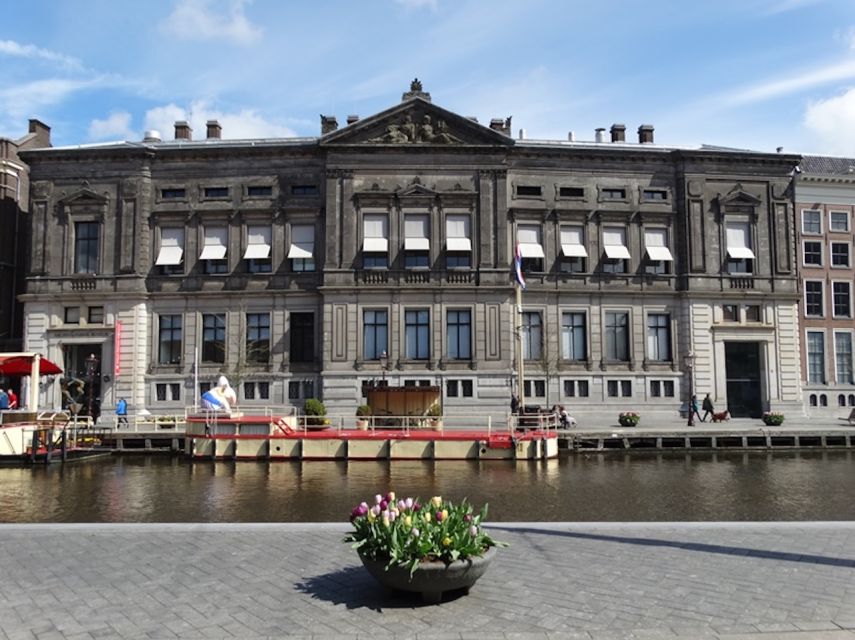
Amsterdam: Allard Pierson Heritage Collections Entry Ticket
The Allard Pierson brings together an unusual spread of objects: Egyptian hieroglyphs, Roman glass, medieval manuscripts, and enormous atlases all share the same museum. I especially like the way it links ancient curiosity with Amsterdam’s later book trade, and I like that the attic plaster collection comes with an audioguide. The one drawback is its broad scope. If you want one tightly focused story, this museum may feel scattered.
At $18, the ticket is a fair deal if you plan to spend several hours with the collections and see the temporary exhibition. The museum is wheelchair accessible, and you can cancel up to 24 hours ahead for a full refund, which helps if your Amsterdam schedule is still shifting.
Key points at a glance
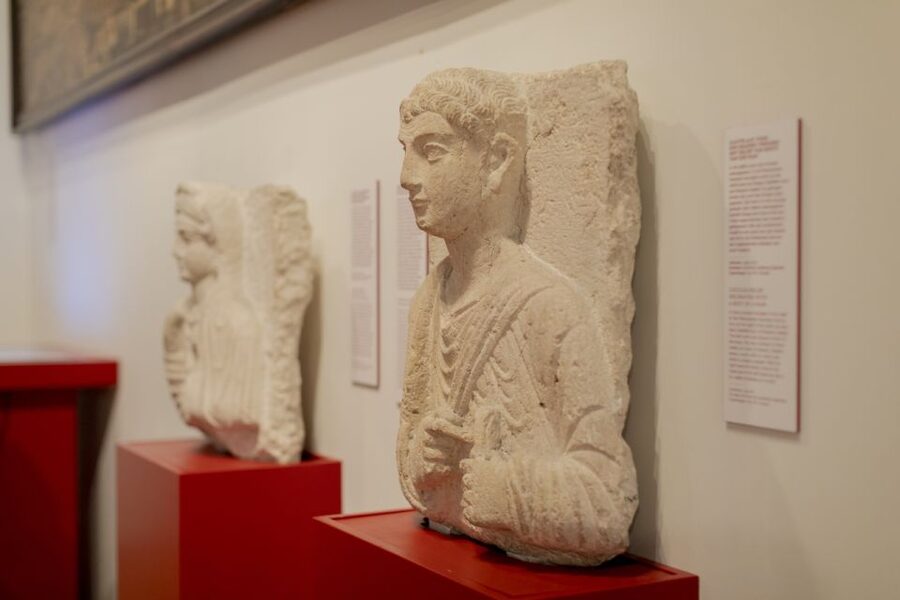
- Egyptian and Sudanese collections: See objects connected with writing, belief, daily life, and ancient cultures.
- A world of maps and atlases: Explore one of the largest collections of its kind, with a strong connection to Amsterdam’s book culture.
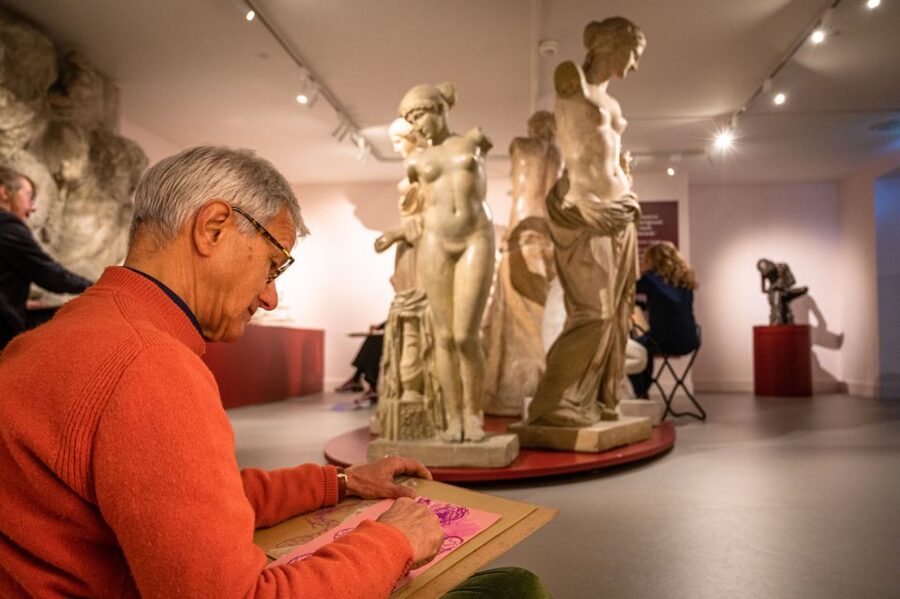
- The attic plaster casts: View copies of famous Greek and Roman statues with an included audioguide.
- A human story across time: Follow the path from early writing to medieval books and early industrial book production.
- Face to Face exhibition: From 6 October to 25 February, see 38 Roman-period Egyptian mummy portraits from international collections.
- Flexible one-day entry: Your ticket covers the permanent and temporary displays, plus the café and museum shop.
Why the Allard Pierson feels different from a typical museum
Many museums ask you to follow one subject from beginning to end. The Allard Pierson asks a broader question: how have people recorded, collected, copied, studied, and displayed the world around them?
That question gives the museum its shape. You move from the origins of writing to ancient trade, theatre makers in Amsterdam, printed books, atlases, cookbooks, and classical sculpture. The result is not a single straight story. It is more like a series of connected rooms about human curiosity.
I like this approach because it gives you plenty of choices. You can spend serious time with Egyptian objects, or you can focus on the history of books and maps. You can also treat the museum as a break from Amsterdam’s outdoor sights without giving up the city’s connection to trade, publishing, and scholarship.
The trade-off is clear. You need to choose your own route and pace. The museum covers archaeology, cartography, book history, church history, zoology, and other fields, so you should not expect every collection to receive equal attention during one visit.
More History Tours in Amsterdam
- Amsterdam Food and Cultural Tour with Tastings
★ 5.0 · 2,442 reviews - Amsterdam: Haunted History and Ghost Walking Tour
★ 4.5 · 488 reviews - Amsterdam High-End Dutch Food & History Tour – Up to 8 guests
★ 5.0 · 482 reviews
Starting with writing and the ancient world
The permanent presentation connects the ancient world with modern life. One of its most useful themes is the development of writing, a subject that can otherwise feel distant and technical.
Egyptian hieroglyphs give you a visual entry point. They are not simply decorative symbols. They show how people used writing to preserve names, beliefs, events, and information. The display also places ancient writing within a larger story about how humans made ideas portable.
Greek pottery and Roman glass add another layer. These objects can tell you about craft, trade, taste, and ordinary use. I find such pieces most rewarding when you look beyond their age and ask what problem they solved or what kind of person might have handled them.
You should give yourself time with the labels and displays rather than rushing through every case. The museum’s strength is the connection between objects. A single Egyptian item may be interesting, but its place in a story about writing and memory gives it more weight.
Egyptian and Sudanese collections

The Egyptian and Sudanese collections are among the main reasons to book this ticket. They offer a direct look at objects from societies that developed complex systems of writing, religion, art, and administration.
The material ranges from hieroglyphs to items connected with daily life and death. You might find the collection most rewarding if you already enjoy archaeology, but it also gives first-time museum visitors a clear introduction to ancient Egypt and Sudan.
I appreciate that the Egyptian displays are not isolated from the rest of the museum. They sit within a larger account of how people preserve information and identity. That makes the collection useful for families, students, and anyone who wants more context than a single famous object can provide.
The museum does not promise a giant blockbuster display, so keep your expectations realistic. This is a heritage collection with many subjects under one roof, not an Egypt-only museum. The payoff comes from range and comparison.
Face to Face and the 38 mummy portraits

If your visit falls between 6 October and 25 February, the temporary exhibition Face to Face: The People Behind Mummy Portraits adds a strong reason to go.
The exhibition brings together 38 portraits from collections around the world. It includes works from the Allard Pierson, the Louvre, the J. Paul Getty Museum, and other international institutions.
These portraits were painted on wooden panels during the Roman period in Egypt, from the first to the fourth century AD. They were placed over the faces of mummified people and are often called Fayum portraits, after the area where many were found.
The portraits are striking because they show individuals rather than anonymous figures. Hair, clothing, jewelry, and facial expression make the people seem unusually present, despite the nearly 2,000 years between you and them.
The exhibition also looks beyond the painted faces. You encounter the people portrayed, the artists who made the images, their descendants and followers, and the collectors, archaeologists, and researchers who shaped how the portraits are understood today.
That wider focus matters. It reminds you that museum objects have more than one history. There is the life of the person shown, the making of the portrait, the burial, the excavation, and the later journey into a collection.
Because the exhibition dates are specific, check that it is running before you book if it is your main reason for visiting. The permanent collections remain available with the ticket, but the temporary show is not a year-round feature.
Same country, a completely different kind of day:
- Amsterdam: Van Gogh Museum Ticket
★ 4.7 · 52,054 reviews - Amsterdam Classic Saloon Boat Cruise with Drinks and Cheese
★ 5.0 · 31,825 reviews - Amsterdam Luxury Canal Cruise + Unlimited Drinks & Bites option
★ 5.0 · 30,518 reviews - Amsterdam: Heineken Experience Ticket
★ 4.6 · 30,055 reviews
Amsterdam’s books, atlases, and maps
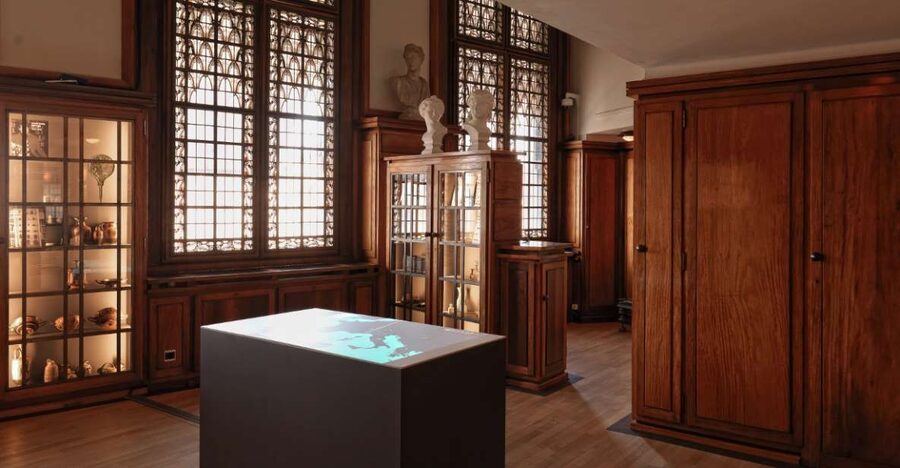
The museum’s book history section connects especially well with the city around it. Amsterdam became closely tied to printing, publishing, trade, and collecting, and the displays show how books moved from handwritten objects to products made in larger quantities.
Medieval manuscripts offer a look at books before industrial production. They remind you that a book once required great labor, careful materials, and skilled hands. Later displays trace the movement toward early industrial book production, changing the cost and reach of printed information.
The map and atlas collection is another major draw. It is one of the largest collections in the world, and it gives you a way to read maps as both practical tools and cultural documents.
An atlas can show more than coastlines and borders. It can reveal what people knew, what they wanted to control, how they imagined distant places, and how commerce shaped the picture of the world. Amsterdam’s connections to shipping and trade make this section particularly fitting.
I would not rush the maps. Their details reward slow looking, but large collections can also become tiring. Pick a few that catch your eye and ask what each one was made to do. That approach is more satisfying than trying to inspect every page and line.
Cookbooks add a welcome everyday angle. They bring the history of books down from churches, scholars, and merchants to the kitchen. I like that balance because it shows written culture as something used for ordinary tasks as well as grand ideas.
The attic plaster cast collection

The plaster collection gives the museum one of its most distinctive stops. In the attic, you can see plaster casts of famous Greek and Roman statues.
These are casts, not the original ancient sculptures, and that distinction matters. Their value lies in how they helped people study, teach, copy, and remember classical art. They also show how museums and schools once used reproductions to bring works from distant places into one room.
The included audioguide helps here. Without context, a plaster cast can look like a large copy with little story behind it. With audio guidance, you can better understand why such reproductions were collected and how they fit into the study of Greek and Roman art.
I like this part of the museum because it feels different from the display cases below. The attic setting gives the collection a more specialized character, and the casts offer a change of scale after manuscripts, glass, and small archaeological objects.
Still, you should not expect original statues. If originals are your priority, this section may feel less important. If you enjoy the history of museums, teaching, and classical taste, it becomes one of the more memorable parts of the visit.
Church history, zoology, and the wider collections
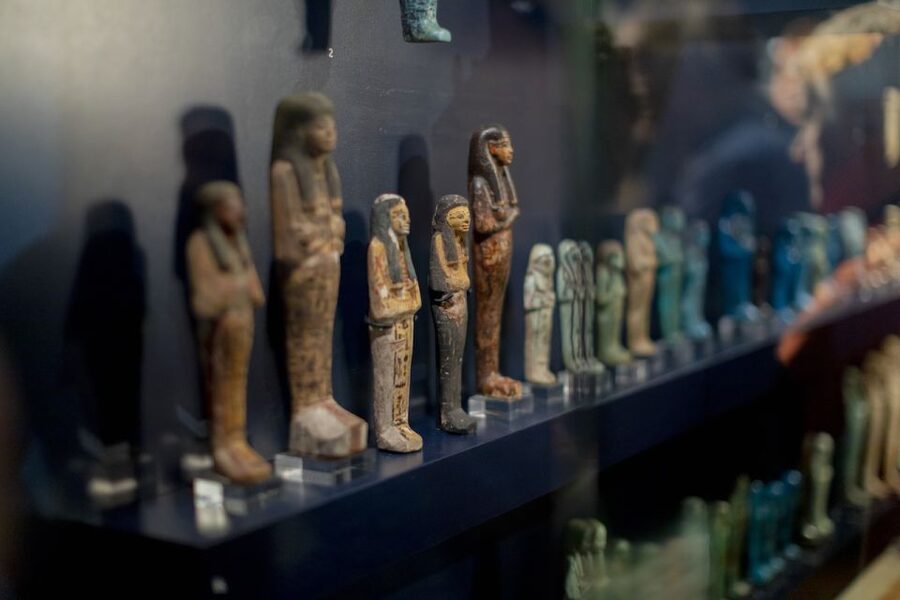
The Allard Pierson includes fields beyond the headline attractions. Church history and zoology form part of the wider heritage collections, adding to the sense that this is a museum about collecting and preserving human knowledge in many forms.
The breadth can be useful when you are visiting with people who have different interests. One person can focus on manuscripts, another on archaeology, and another on scientific or natural-history material.
At the same time, broad coverage means the experience may not satisfy someone looking for a highly specialized museum. A three-star experience for one person could be a four-star experience for another, depending on how much they enjoy changing subjects from room to room.
I would approach the museum with a few questions rather than a strict checklist. How did people record information? How did objects travel? Why were certain things collected? How did later generations interpret ancient cultures? Those questions help the sections connect.
How long should you spend inside?
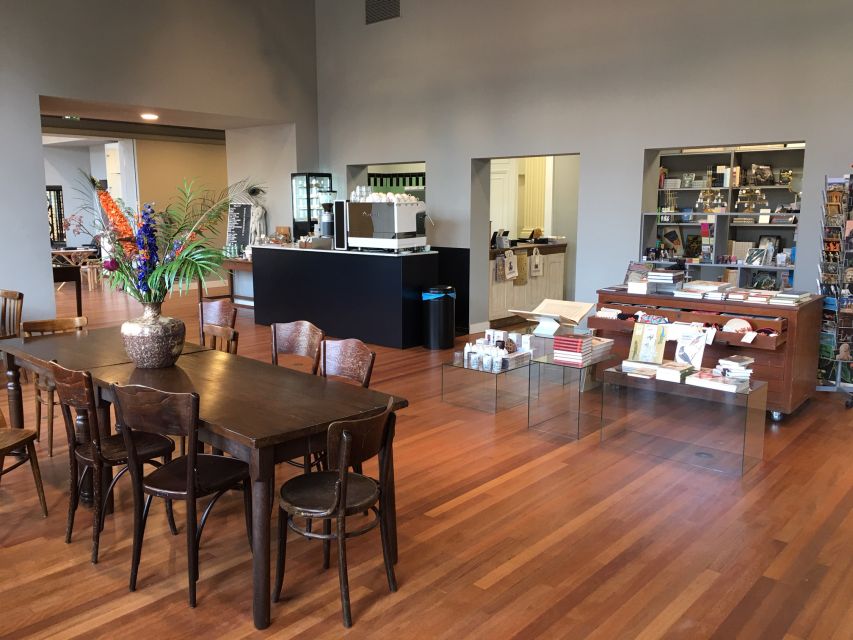
The ticket is valid for one day, so you are not locked into a short timed visit. That is useful because the collections call for different speeds.
You can make a quick visit focused on the Egyptian and Sudanese objects, the maps, and the plaster casts. You can also stay much longer and add the book history displays, temporary exhibition, church history, zoology, café, and museum shop.
The best pace depends on your interests. I would allow several hours if Face to Face is open and you want to read the material carefully. If you are visiting mainly for one collection, a shorter stop may be enough.
The one-day validity also gives you some breathing room. You do not need to race through every display simply because you paid for entry. Take a pause at the café, then return to a section that deserves another look.
The activity information does not give a fixed tour route, group size, or named guide. This is important for your expectations. You are buying museum entry with an audioguide for the plaster collection, not a guided tour led through every gallery by a personal host.
What the $18 ticket is worth
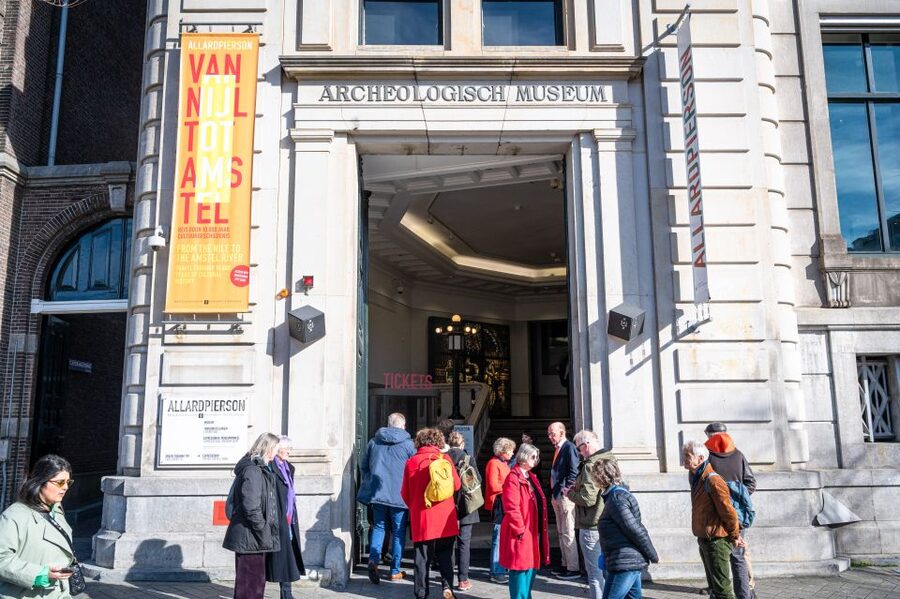
At $18 per person, the value depends on how much of the museum you use. For a quick look at one display, the price may feel high. For a half-day visit covering the permanent and temporary exhibitions, it is easier to justify.
The ticket includes the permanent presentation and temporary exhibitions, so you do not need to pay separately for those parts. You also have access to the museum café and shop, although food and purchases are not included in the entry price.
The range is the main value. You are not paying for one famous painting or one archaeological room. You are paying for access to a connected group of collections covering writing, books, maps, archaeology, classical sculpture, church history, and zoology.
I would especially consider it if you enjoy museums that reward browsing and comparison. It is less compelling if you want a short, simple attraction with a single clear theme.
The reservation option lets you book now and pay later, and cancellation is free up to 24 hours in advance for a full refund. Those terms are practical if rain, museum fatigue, or a changing Amsterdam schedule might affect your plans.
Who should book this museum?
I would recommend the Allard Pierson to readers who enjoy archaeology, old books, cartography, and the history of collecting. It also suits anyone who likes moving between subjects instead of spending an entire afternoon on one artist or period.
Families may find the variety helpful, though younger children may not stay engaged with every manuscript or map. The museum’s range lets you choose objects that match their attention span rather than forcing one long story.
The temporary mummy portrait exhibition makes the ticket more attractive during its run. Anyone fascinated by ancient Egypt, Roman Egypt, portraiture, or the lives of ordinary people in the past should make time for it.
You may want to skip it if you have only a few hours in Amsterdam and prefer a museum with a single famous collection. The Allard Pierson asks you to bring curiosity and make connections, and that style does not suit every schedule.
Practical details before you go
The ticket is valid for one day, with starting times shown when you check availability. The activity lists English as the available language, and the host or greeter information is also in English.
The museum is wheelchair accessible. The included audioguide applies to the plaster collections, so you should not assume that every section comes with audio commentary.
The café and museum shop are included as areas you can access with your visit, but the ticket does not state that refreshments or merchandise are included. Plan to treat those as optional extras.
The temporary exhibition dates are given as 6 October through 25 February. Since no year is specified in the activity details, check the current schedule before booking if Face to Face is essential to your plans.
Should you book the Allard Pierson?
Book it if you want a museum that connects Egyptian objects, ancient writing, classical sculpture, maps, atlases, manuscripts, and Amsterdam’s publishing story. The plaster-cast attic and the 38 mummy portraits give the visit two especially clear highlights.
Skip it if your time is extremely tight or you want a single, tightly organized subject. At $18, the ticket works best when you give the museum several hours and take advantage of both the permanent and temporary displays.
For most curious museumgoers, I would call it a sensible Amsterdam choice, especially on a rainy day or during the Face to Face exhibition dates. Go in with a loose plan, use the plaster audioguide, and let the links between ancient objects and modern collecting guide your visit.
FAQ
Where is the Allard Pierson experience located?
The experience is located in Amsterdam, in North Holland, Netherlands.
How much does entry cost?
The listed price is $18 per person.
How long is the ticket valid?
The ticket is valid for one day.
What does the entry ticket include?
It includes entry to the permanent and temporary exhibitions, access to the museum shop and café, and an audioguide for the plaster collections.
Is the temporary Face to Face exhibition included?
Yes. The ticket includes temporary exhibitions, including Face to Face: The People Behind Mummy Portraits when it is running.
When is Face to Face scheduled?
The listed exhibition dates are 6 October through 25 February. Check current availability before booking because no year is specified in the activity details.
How many mummy portraits are in Face to Face?
The exhibition brings together 38 mummy portraits from collections around the world.
Is an audioguide included?
Yes. An audioguide is included for the plaster collections.
Is the museum wheelchair accessible?
Yes. The activity is listed as wheelchair accessible.
Can I cancel my booking?
Yes. You can cancel up to 24 hours in advance for a full refund. You can also reserve now and pay later.
Just added around Amsterdam
- Amsterdam: Giethoorn Tour with Canal Cruise and Windmills★ 5.0 · 3 reviews
- Full-day excursion to Edam, Volendam, and Marken★ 3.7 · 3 reviews
- Amsterdam: Chocolate Fondue in the Dark★ 5.0 · 3 reviews
- Amsterdam Family Friendly Historical Walking Tour★ 5.0 · 3 reviews
- Amsterdam Private Walking Tour of Famous Painters★ 5.0 · 3 reviews
- Amsterdam Old-West Vegan Food Tour with Local Guide★ 4.7 · 3 reviews
- From Amsterdam: visit Zaanse Schans, Muiderslot and more!★ 5.0 · 3 reviews
- Amsterdam Walking Tour with Dutch Pancake Lunch★ 5.0 · 3 reviews
Amsterdam Tours, compared.


Amsterdam Classic Saloon Boat Cruise with Drinks and Cheese
Read our review →
Amsterdam Luxury Canal Cruise + Unlimited Drinks & Bites option
Read our review →


Classic Boat Cruise with Optional Cheese & Wine
Read our review →
Evening Cruise with Optional Wine and Snacks
Read our review →
75 Minute City Canal Cruise with Audio Guide
Read our review →Browse the lists this tour appears in