
Reviewed · AMSTERDAM TOURS
Amsterdam: Amsterdam Museum Entry Ticket
Amsterdam’s story is bigger than canals, merchant houses, and Rembrandt. At the Amsterdam Museum, you get a city portrait that also makes room for overlooked people, difficult chapters, and the many ways residents see their home. The collection connects old paintings with newer work, so Amsterdam feels like a place still being shaped, not a finished postcard.
I like the range of voices, from classic city images by Rembrandt and Lingelbach to contemporary artists such as Raquel Haver, Natasja Kensmil, and Brian Elstak. I also like the flexible one-day ticket, which lets you fit the museum around a busy Amsterdam schedule and includes an audio tour.
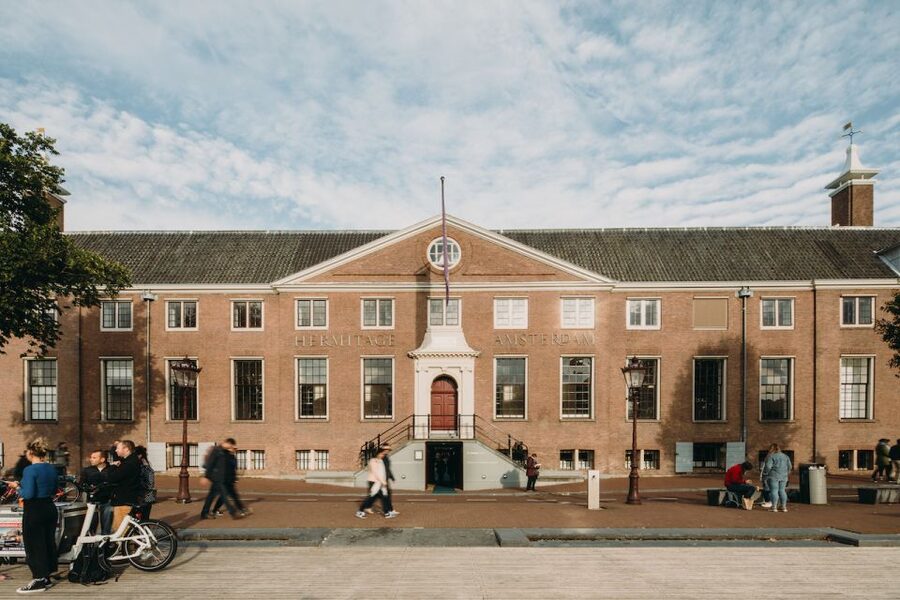
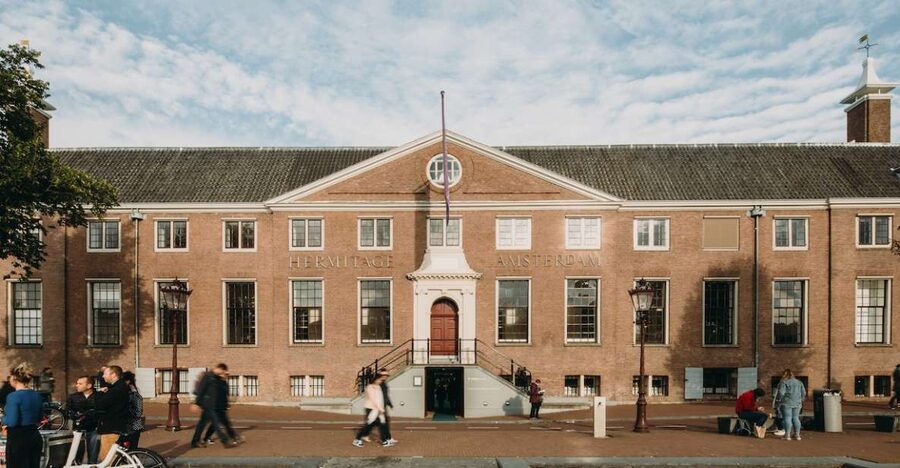
The main consideration is location and scale. The museum is currently in its temporary home inside the Hermitage building on the Amstel, rather than its familiar Burgerweeshuis location, and one visit may feel fairly short if you want a large, traditional museum experience. Finding the entrance can take a little patience.
Key points to know before you go
- Amsterdam’s history is presented through many voices, not only famous artists and major events.
- Rembrandt and Lingelbach appear alongside modern artists, linking old Amsterdam with the city today.
- The museum is temporarily housed on the Amstel inside the Hermitage building while the Burgerweeshuis is renovated.
- An audio tour is included, giving you more context as you move through the displays.
- The ticket is valid for one day, with skip-the-ticket-line access and free cancellation up to 24 hours ahead.
- Wheelchair access is available, making this a practical indoor stop for a wide range of visitors.
Why this museum offers more than Amsterdam’s postcard image
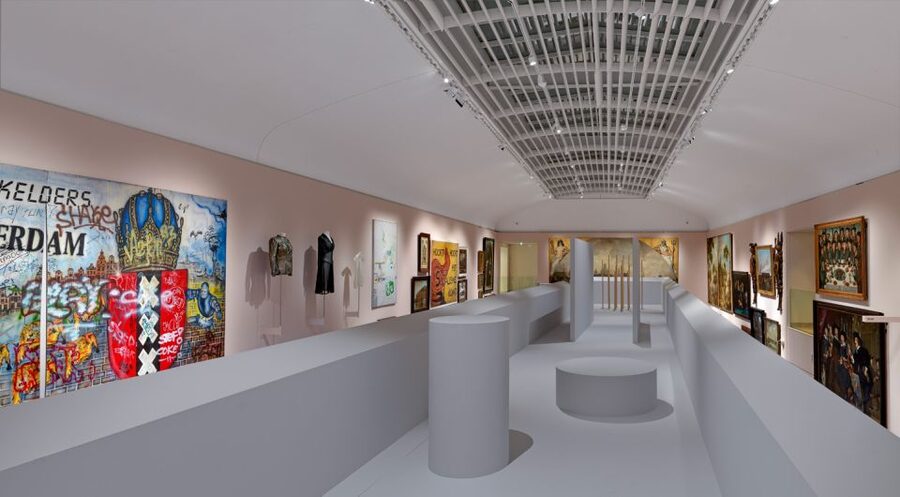
Amsterdam is easy to reduce to canals, bicycles, narrow houses, and Golden Age paintings. Those subjects matter, but they do not tell the whole story. The Amsterdam Museum asks you to look at how the city formed, who helped shape it, and whose experiences have often received less attention.
That approach gives the visit a useful tension. You will see familiar names and classic works, yet the museum also places space beside them for lesser-known stories and recent city life. The result is not just a display of old objects. It is an attempt to show Amsterdam as a changing place with competing memories.
I find that especially useful early in a trip. If you visit before spending several days around the canals, the museum gives you a framework for what you see outside. If you visit near the end, it can help you reconsider the city’s famous sights and ask what those sights leave out.
The museum’s stated focus is on both known and unknown stories. That means you should not expect every room to deliver a single clear answer about Amsterdam. Instead, you get several perspectives, some familiar, some less comfortable, and some tied to the city’s current identity.
More Museums in Amsterdam
- Amsterdam: Van Gogh Museum Ticket
★ 4.7 · 52,054 reviews - Moco Museum Amsterdam Entrance Tickets with Banksy & More
★ 4.4 · 10,088 reviews - Amsterdam: The Upside Down Museum Entrance Ticket
★ 4.4 · 9,506 reviews
The temporary Amstel location and what it changes
Since March 2022, the Amsterdam Museum has operated from the Amstel in the building of the Hermitage. This is a temporary arrangement while the monumental Burgerweeshuis undergoes a major renovation.
That detail matters because the museum experience is shaped by its current setting. You are not visiting the permanent home that traditionally carried the Amsterdam Museum name. You are seeing a temporary presentation with a new exhibition plan, public programs, and activities for children.
The Amstel location also works well as part of a central Amsterdam day. One review describes it as being around the corner from a beautiful Holocaust memorial, so you can pair the museum with a nearby place of reflection. I would avoid cramming too many serious stops into one stretch, though. The museum deals with difficult and varied aspects of the city, and it deserves more attention than a rushed tick on a sightseeing list.
The entrance may not be instantly obvious. Give yourself extra time to get your bearings, particularly if you are meeting a schedule afterward. Once inside, the ticket is designed to let you skip the ticket line, which is useful when you want a quick start.
A collection that moves from Rembrandt to modern Amsterdam
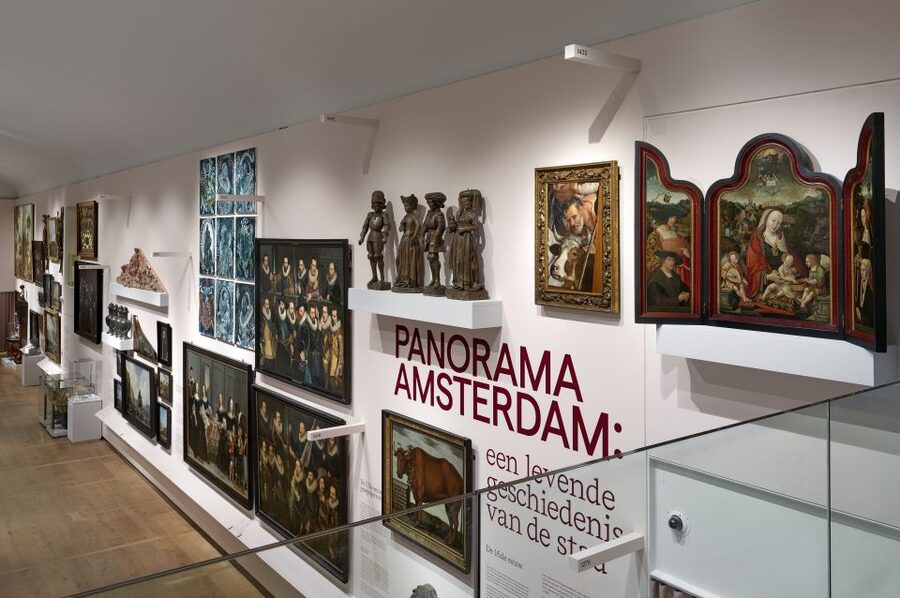
The collection includes classic works connected with Amsterdam, including pieces by Rembrandt and Lingelbach. These names give the museum a strong link to the city’s artistic past, but the visit does not stop there.
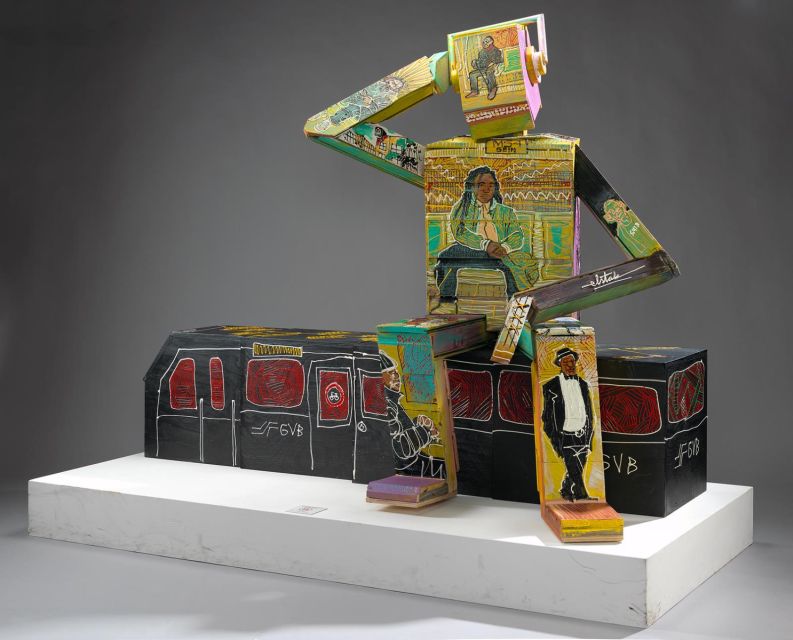
You will also encounter work by Raquel Haver, Natasja Kensmil, and Brian Elstak. Their presence signals the museum’s wider goal: Amsterdam should be viewed through more than one period, style, or social group.
I like this mix because it avoids treating modern art as a separate subject with no connection to the old masters. A painting from the city’s past can show how Amsterdam once presented itself. A newer work can question that image, add a different voice, or focus on parts of city life that older collections did not record.
You should expect contrasts rather than a smooth march through dates. The museum’s presentation is meant to give you past and present perspectives side by side. Some displays may be familiar if you already know Dutch art. Others may matter less for artistic fame and more for the story they help tell.
This is also why the museum can suit repeat visitors to Amsterdam. You do not need to be an art expert to follow the broad ideas, and you do not need to know every painting in advance. The point is the connection between the object and the city around it.
Using the audio tour to make sense of the displays
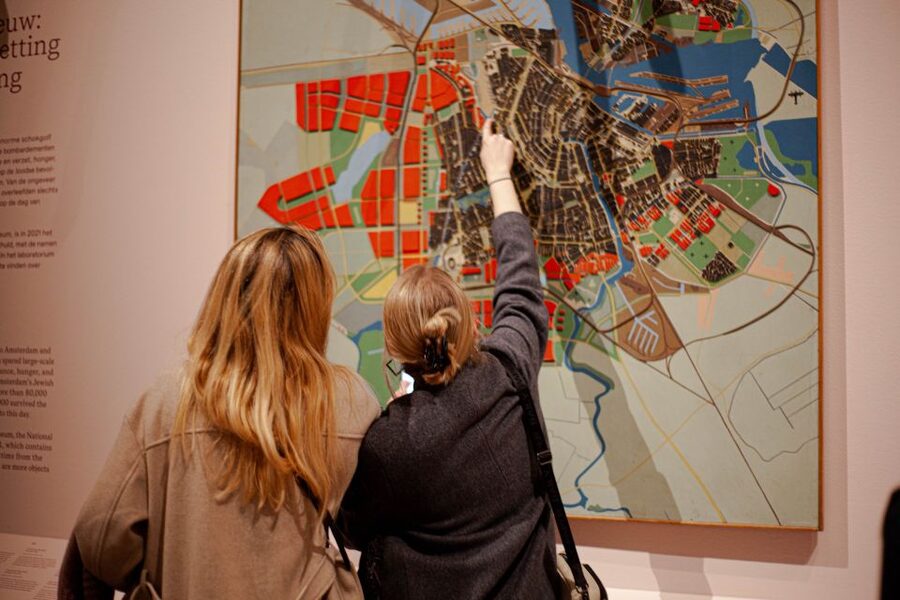
An audio tour is included with your admission. That is important here because the museum deals with layers of city history, not just objects that explain themselves at a glance.
I recommend using it rather than simply walking through and reading a few labels. The audio material can help connect artworks, people, and events to the wider story of Amsterdam. It also gives you a steady pace, which is useful in a museum where different exhibitions may use different styles of presentation.
The available information does not specify the audio tour’s language options, length, or whether it is delivered through a personal device or museum equipment. Check the current details when booking if those points affect your plans.
One positive feature is the reported audio process and helpful staff. No guide names are provided, and this is not a guided walking tour with a named leader. You explore on your own, with the museum’s audio material providing the explanation.
That setup gives you control. You can spend longer with a work that catches your eye, move on from a section that feels less relevant, or pause for a break without holding up a group. The tradeoff is that you do not have a live guide to answer a specific question or adjust the visit to your interests.
Same country, a completely different kind of day:
- Amsterdam Classic Saloon Boat Cruise with Drinks and Cheese
★ 5.0 · 31,825 reviews - Amsterdam Luxury Canal Cruise + Unlimited Drinks & Bites option
★ 5.0 · 30,518 reviews - Amsterdam: Heineken Experience Ticket
★ 4.6 · 30,055 reviews - Amsterdam: Rijksmuseum Entry Ticket
★ 4.7 · 25,535 reviews
How long to allow for the visit
The ticket is valid for one day, but that does not mean you need to spend an entire day inside. The museum can work as a shorter cultural stop before or after another Amsterdam activity.
One useful feature is that the visit does not appear to require a huge time commitment. A review describes it as a museum you can go through without taking too long, leaving room for other plans before or afterward. Since no fixed visit length is provided, I would plan enough time to listen to the audio tour and read the displays without rushing, then adjust based on your interest in the temporary exhibitions.
This flexible scale is a strength for many people. Amsterdam has no shortage of canals, neighborhoods, markets, and historic buildings competing for your time. A museum that gives you a clear look at the city without demanding a full day can fit neatly into a packed itinerary.
Still, do not book it expecting a vast complex with endless rooms. The current presentation is focused on selected stories and exhibitions. If you want a long day of galleries, this ticket may not be enough on its own.
Temporary exhibitions and the idea of many Amsterdams
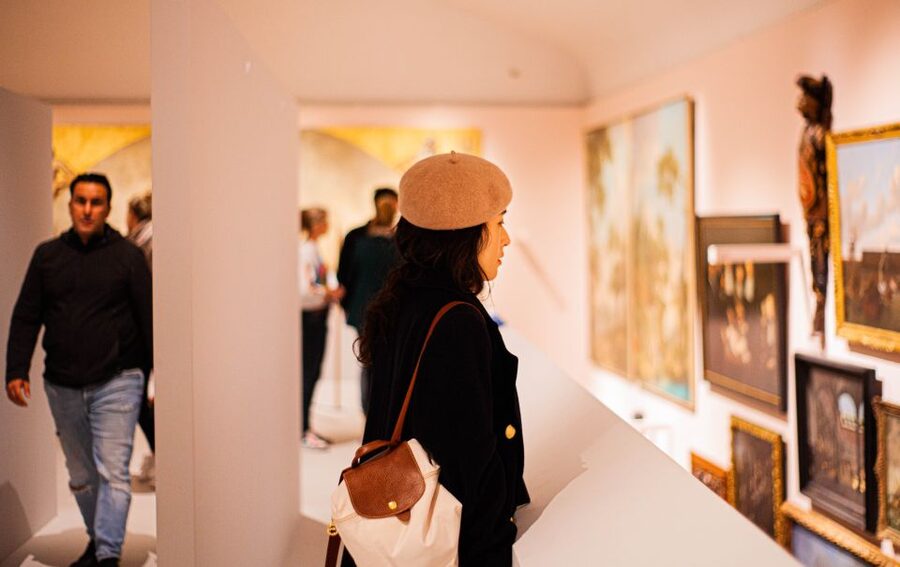
The temporary exhibitions give residents and people who care about the city a chance to show their Amsterdam. This is one of the most interesting parts of the museum’s current direction.
Instead of presenting one official city story, the exhibitions can put well-known collection pieces next to newer or less familiar work. That creates room for disagreement. Amsterdam can be a place of trade and art, but also a place shaped by migration, social change, conflict, memory, and daily life.
The museum’s message is clear: there is no single history of Amsterdam. You may find that some sections confirm what you already know, while others challenge the easy version of the city you arrived with.
This makes the museum valuable for families and first-time visitors, but also for people who have already seen the main sights. The famous Amsterdam is visible everywhere in the center. The less familiar Amsterdam takes more effort to find, and this museum gives you a focused way to begin that search.
Children’s activities are also part of the current program. The supplied information does not name the activities or give age recommendations, so check the schedule if you are visiting with children. The subject matter may suit older children best, especially if you want them to engage with the city’s more serious stories.
What the $23 ticket is worth
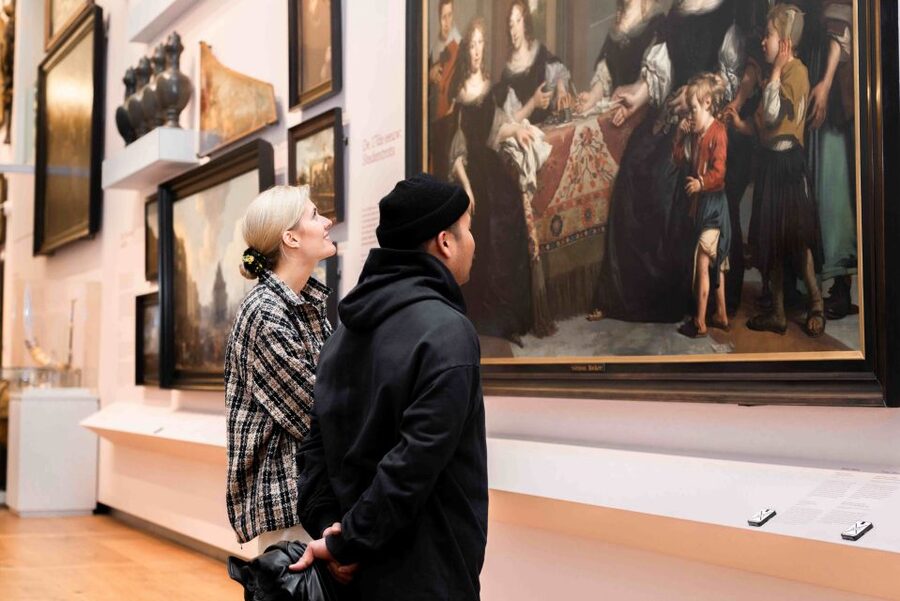
At about $23 per person, this is not a throwaway museum stop, so the value depends on how you use it. You are paying for museum admission and an audio tour, with a one-day validity period and skip-the-ticket-line access.
I consider that fair value if you want context for Amsterdam rather than only decorative art. The ticket becomes more useful if you plan to visit the temporary exhibitions, listen to the audio material, and connect the displays with places you see around town.
The value is weaker if you only want a quick look at a few famous paintings. The museum includes Rembrandt and Lingelbach, but it is not presented as a greatest-hits gallery devoted only to celebrated artists. Its purpose is broader and sometimes more challenging.
The flexible booking terms add practical value. You can reserve now and pay later, and cancellation is free up to 24 hours in advance for a full refund. That helps if rain, train delays, or a crowded sightseeing day force you to change plans.
The one-day validity also gives you breathing room. Check the available starting times when you book, then arrange the museum around lunch, another attraction, or a quieter part of your day.
Accessibility and practical planning
The museum is wheelchair accessible. That is a useful point for anyone planning an indoor cultural stop and should make the visit easier to include in a mixed group.
The current information does not describe every physical detail of the route, seating, restrooms, or the exact entrance arrangement. If you need specific access support, contact the museum before booking rather than relying only on the general accessibility label.
Because the temporary location can take a little time to find, do not arrive at the last possible minute. The skip-the-line benefit helps once you reach the entrance, but it does not remove the need to locate the correct building and entry point.
The museum is also a sensible rainy-day option. Amsterdam weather can change quickly, and a one-day ticket lets you keep this kind of indoor activity in reserve. Just remember that the museum’s subject matter is not uniformly light. Leave space in your schedule if you want time afterward to think, walk, or visit a calmer nearby place.
Who will get the most from this museum
I would recommend this experience to you if you want to understand Amsterdam beyond its famous center. It suits first-time visitors who want useful background, as well as repeat visitors who would like a different view of a city they think they already know.
It is also a good choice for art lovers who enjoy seeing old and new work in conversation. Rembrandt and Lingelbach provide a link to Amsterdam’s artistic past, while Raquel Haver, Natasja Kensmil, and Brian Elstak bring the collection into more recent territory.
Families may appreciate the children’s activities, though you should check the current program before relying on them. The audio tour and wheelchair access make the visit easier to manage for different needs, but the available information does not give enough detail to judge the suitability for every age or mobility requirement.
I would be less quick to recommend it if your only goal is a large museum packed with famous masterpieces. The Amsterdam Museum is more interested in the city as a living subject than in fame alone. Its strongest moments come from the links between art, memory, people, and place.
Should you book the Amsterdam Museum?
Book this ticket if you want a thoughtful introduction to Amsterdam’s past and present, especially if you value lesser-known stories as much as famous names. The included audio tour, flexible one-day entry, temporary exhibitions, and central Amstel setting make it easy to fit into your plans.
Skip it if you have very little time and only want Amsterdam’s headline attractions, or if you expect a long, traditional art museum visit. For most visitors with room for one well-chosen cultural stop, the $23 ticket offers a useful way to see how the city has been shaped, remembered, and questioned.
FAQ
Where is the Amsterdam Museum currently located?
The museum is currently located on the Amstel, inside the building of the Hermitage. It is using this temporary home while the monumental Burgerweeshuis undergoes renovation.
What is included with the ticket?
The ticket includes museum entrance and an audio tour.
How long is the ticket valid?
The ticket is valid for one day. Check availability when booking to see the available starting times.
Can I skip the ticket line?
Yes. Skip-the-ticket-line access is included.
Is the museum wheelchair accessible?
Yes. The Amsterdam Museum is wheelchair accessible.
Can I cancel the booking?
Yes. You can cancel up to 24 hours in advance for a full refund.
Can I reserve now and pay later?
Yes. The reserve-now-and-pay-later option lets you book without paying at the time of reservation.
Does the museum include modern art?
Yes. Alongside classic works connected with Amsterdam, including pieces by Rembrandt and Lingelbach, the museum presents artists such as Raquel Haver, Natasja Kensmil, and Brian Elstak.
Just added around Amsterdam
- Amsterdam: Giethoorn Tour with Canal Cruise and Windmills★ 5.0 · 3 reviews
- Amsterdam: Chocolate Fondue in the Dark★ 5.0 · 3 reviews
- Full-day excursion to Edam, Volendam, and Marken★ 3.7 · 3 reviews
- Amsterdam Old-West Vegan Food Tour with Local Guide★ 4.7 · 3 reviews
- Amsterdam Family Friendly Historical Walking Tour★ 5.0 · 3 reviews
- Amsterdam Private Walking Tour of Famous Painters★ 5.0 · 3 reviews
- From Amsterdam: visit Zaanse Schans, Muiderslot and more!★ 5.0 · 3 reviews
- Amsterdam Walking Tour with Dutch Pancake Lunch★ 5.0 · 3 reviews
Amsterdam Tours, compared.


Amsterdam Classic Saloon Boat Cruise with Drinks and Cheese
Read our review →
Amsterdam Luxury Canal Cruise + Unlimited Drinks & Bites option
Read our review →


Classic Boat Cruise with Optional Cheese & Wine
Read our review →
Evening Cruise with Optional Wine and Snacks
Read our review →
75 Minute City Canal Cruise with Audio Guide
Read our review →Browse the lists this tour appears in