
Reviewed · AMSTERDAM TOURS
Amsterdam: The ‘Hollandsche Manege’ Stables Entry Ticket
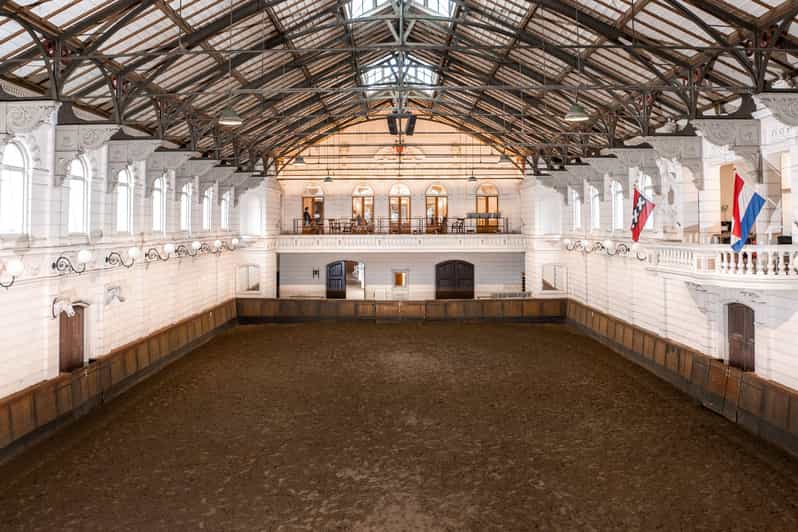
The most striking part of the Hollandsche Manege is that this is not a frozen museum. It is a working riding school, where polished floors, old saddles, live lessons, and real horses share the same setting. You enter through the large doors and quickly move from Amsterdam streets into a quieter world of columns, arches, hoofbeats, and stable routines.
I like the 18th-century architecture, which gives the visit a sense of place that a standard museum cannot match. I also like the close look at equestrian life: antique riding gear and photographs explain the past, while the horses and lessons show how that tradition continues today.
The main caution is simple: this is a focused experience. If you are not interested in horses, the museum displays and elegant building may not hold your attention for long. People with animal allergies should skip it, and the listed price of $18 feels best when you take time to see the stables and a lesson rather than rush through in a few minutes.
Key points to know before you enter
- Founded in 1744: The Hollandsche Manege links present-day Amsterdam with centuries of Dutch riding-school tradition.
- A working stable, not only a museum: You can see horses, stable areas, and live lessons during your visit.
- Elegant historic interiors: Arches, columns, polished floors, and large doors create much of the experience.
- Museum displays with a clear purpose: Saddles, riding equipment, and photographs trace changes in Dutch horsemanship.
- A visit that can last about an hour: The ticket is valid for one day, but the actual time you spend depends on your interest and what is happening.
- Useful for horse lovers and curious families: You may have a chance to pet or feed the horses, though the setting is not suitable for anyone with animal allergies.
Entering a 1744 Amsterdam riding school
The Hollandsche Manege gives you something unusual in central Amsterdam: a look at an old riding school that still has horses at its heart. Founded in 1744, it carries a long connection with Dutch horsemanship, but you are not simply walking through a historic shell.
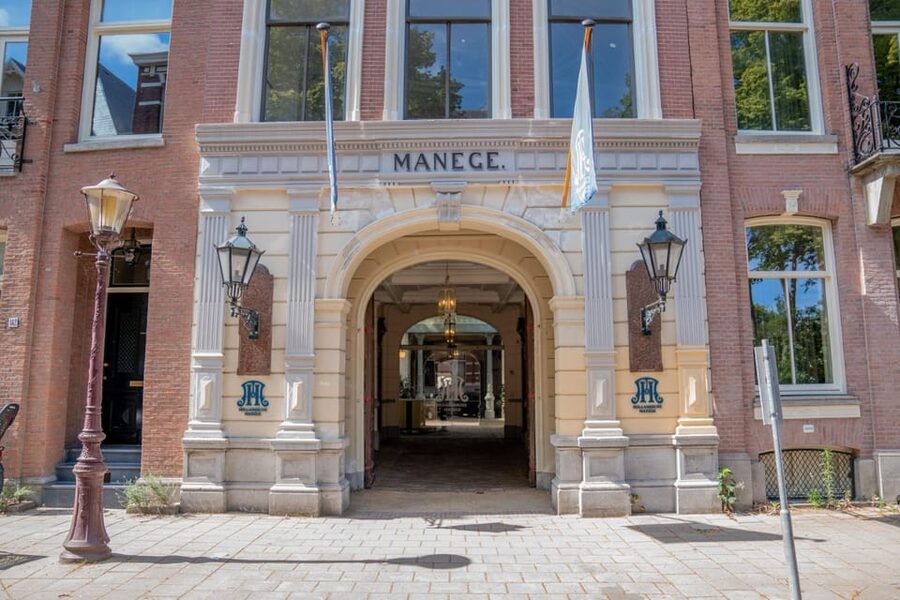
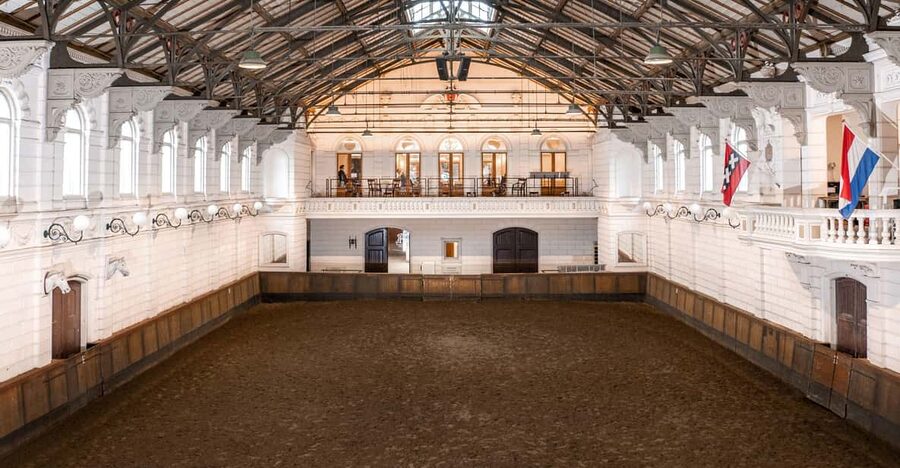
Start at the large doors at the stated address. Once inside, pay attention to the building before heading straight for the displays. The arches and columns give the interior a formal air, while the stable sounds and smell remind you that this is still an animal workplace.
That mix is the reason I find the visit more interesting than a small collection of horse artifacts in a conventional museum. You can study the architecture, then turn your attention to a living horse or a lesson in progress. The past and present occupy the same few rooms.
The building is also a useful stop for anyone who wants a different side of Amsterdam. The city is often presented through canals, paintings, and grand merchant houses. Here, you get a look at the Dutch relationship with horses and riding culture, expressed through a practical institution rather than a grand art collection.
A few more Amsterdam trips worth a look
- Amsterdam: Van Gogh Museum Ticket
★ 4.7 · 52,054 reviews - Amsterdam Classic Saloon Boat Cruise with Drinks and Cheese
★ 5.0 · 31,825 reviews - Amsterdam Luxury Canal Cruise + Unlimited Drinks & Bites option
★ 5.0 · 30,518 reviews
The architecture is part of the ticket
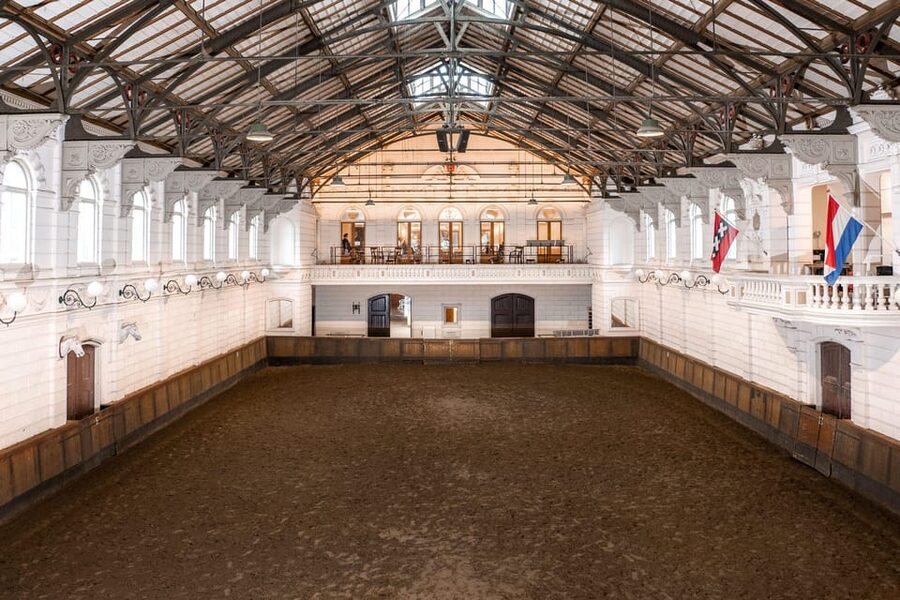
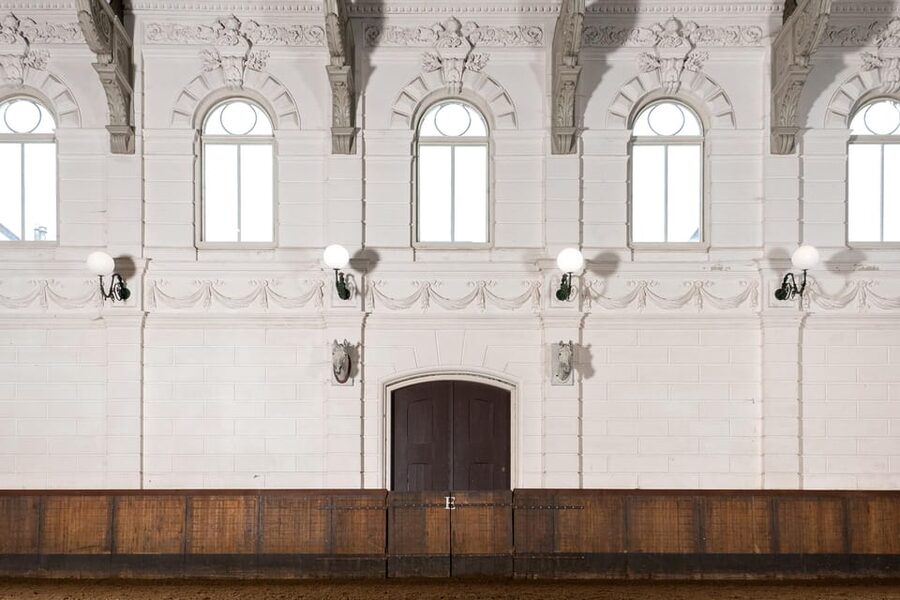
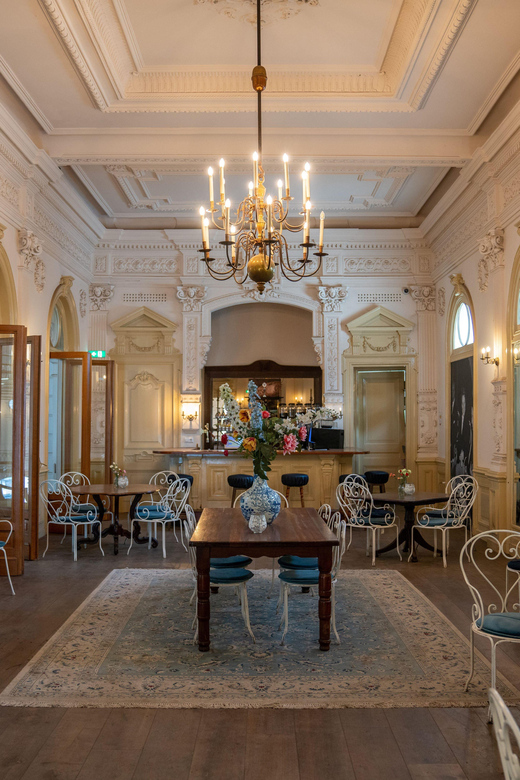
The building makes a strong first impression. Graceful arches, stately columns, polished floors, and large entry doors create the feel of a formal riding academy. The design is not decoration added around the horses. It shapes how you experience the horses and riders moving through the space.
Look for the contrast between the refined public areas and the working stable atmosphere. The polished surfaces suggest ceremony and tradition, while the sounds of daily horse care keep the experience grounded. You are seeing a place built for riding, not a modern attraction designed to imitate one.
I recommend allowing a few quiet minutes simply to look around. Visitors who hurry directly to the museum cases may miss the best part of the setting. The repeated lines of the columns, the open interior, and the sound of hoofbeats give the building its character.
The architecture will appeal most to people who enjoy historic interiors, photography, or design. It is not described as a full architectural tour, so you should not expect a room-by-room explanation of every feature. Still, the building itself gives your visit much of its value.
The museum cases explain Dutch horsemanship
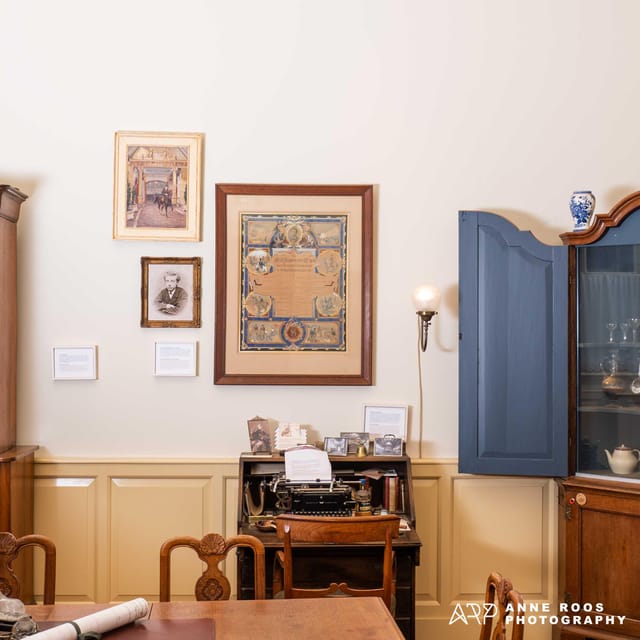
The museum section adds context to what you see in the stable. Antique saddles, old riding equipment, and photographs show how riding practices and equipment changed over time. These objects also help explain that horses were not merely decorative animals in Dutch culture. They were partners in work, sport, transport, and social life.
A saddle can look like a simple old object until you consider its purpose. The displays give you a chance to think about how riders sat, controlled, and cared for horses in earlier periods. The photographs bring human stories into the picture, showing riders, horses, and the institution across different eras.
You should not expect a large national museum with hundreds of rooms. The appeal here is more personal and concentrated. The collection supports the building and the horses rather than competing with them.
For me, the best way to approach the museum is to use it as preparation for the stable areas. First, look at the old equipment and photographs. Then notice how the live setting compares with the past. That sequence turns separate objects into a clearer story about Dutch riding traditions.
The displays also introduce Dutch horse breeds and their place in the country’s cultural identity. The supplied information does not specify the names of individual breeds or provide a full breed-by-breed exhibition, so do not book this expecting a specialist horse-breed museum. You are getting a broad cultural look, not a technical course.
Meeting the horses in the stables
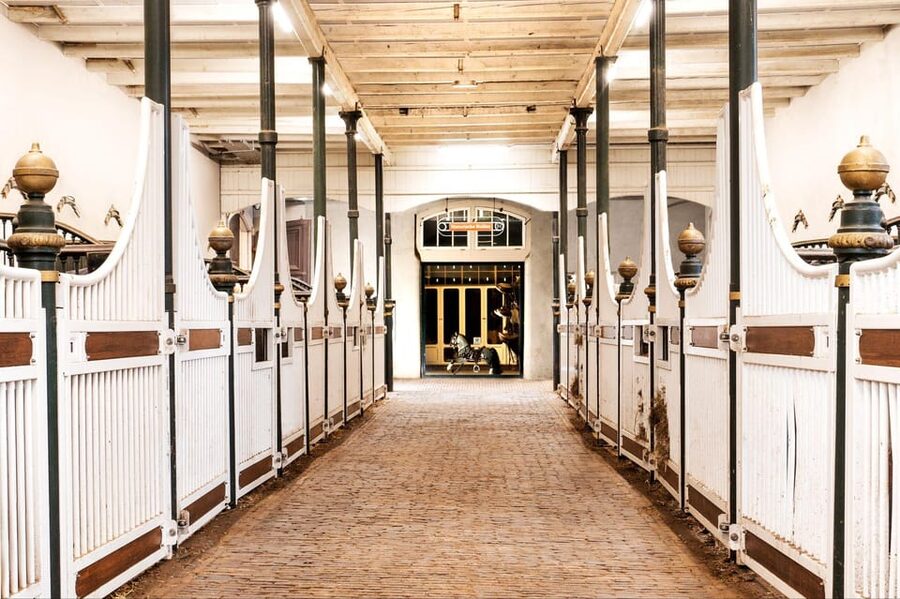
The stables give the visit its strongest personal connection. You can see the horses in their daily surroundings rather than only watching riders pass through a formal arena. That makes the experience more immediate, especially if you enjoy animals or want an activity that works for a family with varied interests.
The horses are described as central to the experience, and the stable visit is included with admission. Depending on the day’s routine and staff instructions, you may be able to pet or feed them. Treat this as a possible part of the visit, not a guaranteed scheduled performance.
Horse behavior can change from one moment to the next. A calm horse may be interested in attention, while another may be eating, resting, or preparing for a lesson. Follow the staff’s directions and keep the animals’ routine in mind. The point is to see how the stable functions, not to turn every horse into a photo opportunity.
This is also where the allergy warning matters. The experience is specifically not suitable for people with animal allergies. Even a short visit in the stable area may be uncomfortable, so this is not a minor footnote when deciding who should go.
If you have limited time in Amsterdam, the stables make the ticket easier to justify. They add something you cannot get from a display case alone. If you are only mildly interested in horses, give yourself enough time to see the building and museum as well.
Same country, a completely different kind of day:
- Amsterdam: Heineken Experience Ticket
★ 4.6 · 30,055 reviews - Amsterdam: Rijksmuseum Entry Ticket
★ 4.7 · 25,535 reviews - Amsterdam: Classic Boat Cruise with Optional Cheese & Wine
★ 4.6 · 22,925 reviews - Amsterdam: Evening Cruise with Optional Wine and Snacks
★ 4.4 · 19,696 reviews
Watching a live lesson
Live lessons are included, but the available starting times and exact lesson schedule are not provided. Check availability before booking and be ready for the lesson timing to shape your visit.
Watching a lesson lets you see the riding school as a functioning place. Instead of looking only at old photographs of riders, you can observe the rhythm of instruction, horse movement, and rider practice in the present day. That living element is one of the clearest reasons to choose this ticket over a purely historical stop.
Do not assume that a lesson will feel like a staged show. The information presents it as a live lesson, so the focus is likely to be regular riding instruction rather than entertainment. That can be a plus if you prefer authentic daily activity, but it may feel quiet if you want a formal performance.
I would plan the visit around the opportunity to see a lesson, while keeping your expectations flexible. If you arrive between lessons, spend the time with the museum and stables rather than treating the gap as wasted time.
One visitor described the experience as a good use of about an hour. That is a useful planning guide, though it is not a fixed duration. Horse lovers may stay longer, while someone making a quick stop may finish sooner.
Is $18 a fair price?
At $18 per person, the ticket is not a major splurge, but value depends on how much of the venue you use. The price includes entry to the Hollandsche Manege, access to the entire venue, the stables, and live lessons. It does not include a drink in the foyer.
The ticket makes the most sense if you plan to see all four parts: architecture, museum displays, stables, and a lesson. A quick look at the entrance followed by a fast exit would make the cost feel less attractive.
I see the price as reasonable for a short cultural stop with a working stable attached. You are paying for access to a historic institution and a live setting, not for a long guided tour or a large-scale production. Its value comes from the combination.
The activity is also practical for a one-day Amsterdam schedule. You do not need to set aside an entire day in the usual sense. The ticket is valid for one day, while the visit itself may take roughly an hour or longer depending on what you watch and how closely you examine the exhibits.
There is no included drink, so do not count on the foyer as part of the ticket’s food and refreshment value. That is a small point, but useful if you are comparing this with a longer attraction that includes more services.
Who will enjoy this experience most?
I would recommend the Hollandsche Manege to:
- Horse lovers who want to see animals in a real riding-school setting
- Families looking for a compact activity with something to look at and something alive to watch
- Architecture fans interested in historic interiors
- Visitors who have already seen Amsterdam’s major museums and want a more specialized stop
- Anyone curious about Dutch riding traditions and the role of horses in local culture
It may be less satisfying for people who want a broad survey of Dutch history, a large art collection, or a highly structured tour. The attraction has a clear subject, and it stays close to that subject.
It also requires a little patience. The experience is strongest when you take time to notice the building, read the objects, and watch the stable activity. If your ideal sightseeing stop lasts only ten minutes, you may find the ticket less worthwhile.
The private-group designation may appeal to people who prefer a more contained visit. The supplied details do not explain the exact group size or whether a private guide is assigned, so confirm those points if they matter to your plans.
Practical details that affect your visit
The meeting point is straightforward: go to the large doors at the specified address. A host or greeter may assist in Dutch or English, and the listed languages are Dutch and English.
The venue is wheelchair accessible, which makes it a useful option for many visitors who need step-free access. The available information does not give detailed instructions about every room or stable surface, so contact the provider if you need precise access information for a particular part of the building.
Smoking is not allowed indoors. Alcohol and drugs are also prohibited. These rules fit the working-stable setting and help keep the animals and other people safe.
The visit is not suitable for anyone with animal allergies. That restriction should guide your decision before you reserve, since access to the stables is a central part of what you are paying for.
You can cancel up to 24 hours in advance for a full refund. The reserve-now, pay-later option lets you hold a place without paying immediately, which is helpful when your Amsterdam schedule is still changing.
How to make the most of the visit
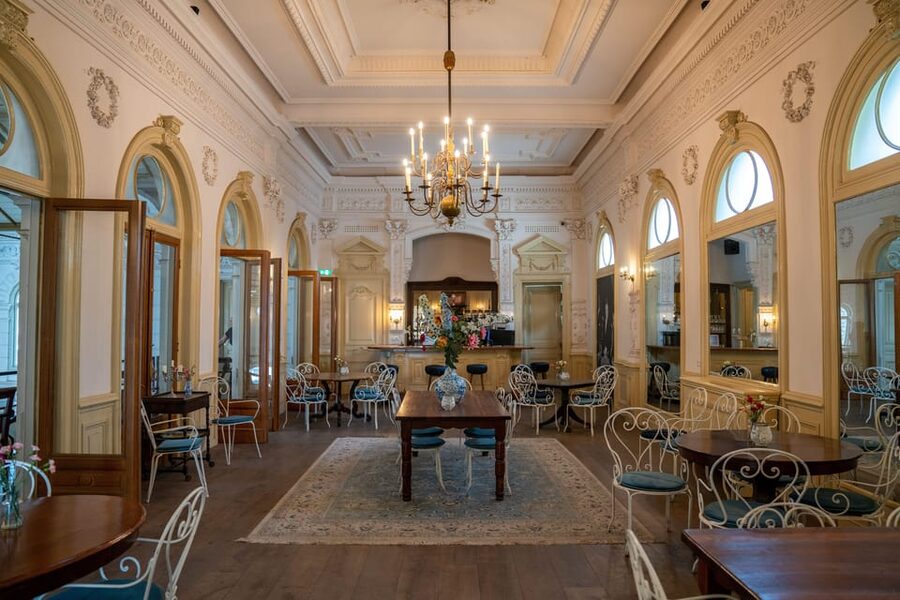
I would begin with the architecture, then move through the museum displays before going to the stables. This gives you a sense of the institution’s age and purpose before you meet the horses.
Check the available starting times in advance if seeing a live lesson is important. The ticket is valid for one day, but that does not mean every lesson runs continuously. Your timing matters.
Allow around an hour as a sensible starting point. Stay longer if you enjoy the photographs, riding equipment, or horse care. If you can pet or feed a horse, listen carefully to staff instructions and keep the interaction calm.
Wear something comfortable and practical. The information does not set a dress code, but this is a stable rather than a formal concert hall. Most important, arrive ready for an authentic working environment, not a theatrical show.
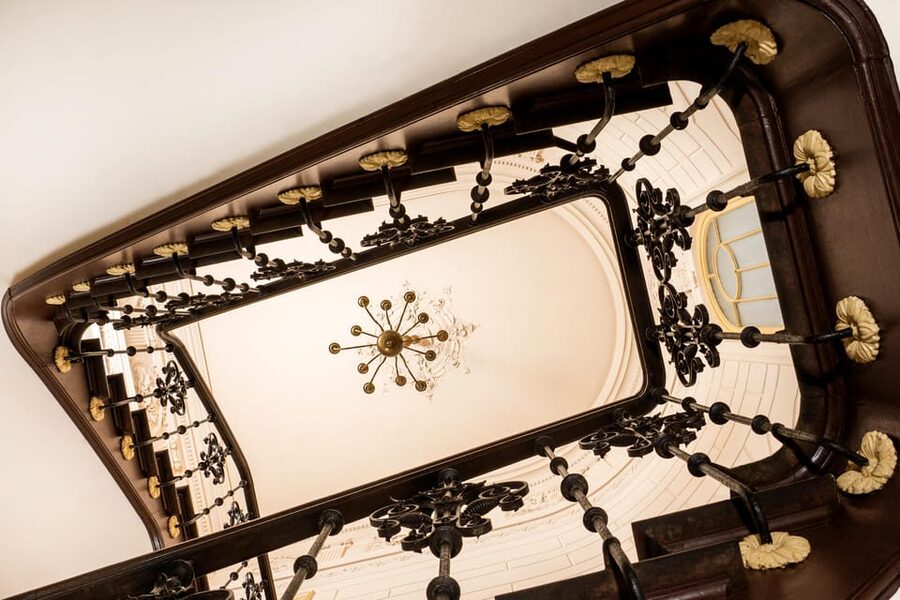
Take time to look upward and around you. The columns and arches are easy to treat as background, yet they are a major reason the Hollandsche Manege feels different from an ordinary stable visit.
Should you book the Hollandsche Manege?
Book it if you want a short, distinctive Amsterdam stop that combines historic architecture with live horses. The strongest parts are the old riding-school setting, the stable access, and the chance to watch a real lesson. The possibility of feeding or petting a horse adds a friendly, hands-on touch when the day’s routines allow it.
Skip it if you have animal allergies or little interest in horses. Also skip it if you expect a large museum, a long guided tour, or a staged equestrian performance.
For the right visitor, $18 is a fair price for about an hour of focused sightseeing. Plan around a lesson, explore the museum instead of rushing, and let the working character of the stable do the work. That is where this Amsterdam experience earns its place on your schedule.
FAQ
Where is the Hollandsche Manege located?
It is located in Amsterdam, in North Holland, Netherlands. Go to the large doors at the specified address for the meeting point.
How long is the visit?
The ticket is valid for one day. The actual visit length is not fixed, though about an hour can be a useful planning estimate.
What does the ticket include?
It includes entry to the Hollandsche Manege, access to the entire venue, a visit to the stables, and access to live lessons.
Are live lessons included?
Yes. Live lessons are included with the ticket, subject to the available starting times.
Can I see or touch the horses?
You can visit the stables and see the horses. Depending on the day and staff instructions, you may also have an opportunity to pet or feed them.
Is the Hollandsche Manege wheelchair accessible?
Yes, the activity is listed as wheelchair accessible.
What languages are available?
The host or greeter can assist in Dutch or English.
Is the activity suitable for people with animal allergies?
No. The activity is specifically not suitable for people with animal allergies because access to the stable and horses is part of the experience.
Can I cancel the booking?
Yes. You can cancel up to 24 hours in advance for a full refund. A reserve-now, pay-later option is also available.
Just added around Amsterdam
- Amsterdam: Giethoorn Tour with Canal Cruise and Windmills★ 5.0 · 3 reviews
- Full-day excursion to Edam, Volendam, and Marken★ 3.7 · 3 reviews
- Amsterdam: Chocolate Fondue in the Dark★ 5.0 · 3 reviews
- Amsterdam Private Walking Tour of Famous Painters★ 5.0 · 3 reviews
- Amsterdam Family Friendly Historical Walking Tour★ 5.0 · 3 reviews
- Amsterdam Old-West Vegan Food Tour with Local Guide★ 4.7 · 3 reviews
- From Amsterdam: visit Zaanse Schans, Muiderslot and more!★ 5.0 · 3 reviews
- Amsterdam Walking Tour with Dutch Pancake Lunch★ 5.0 · 3 reviews
Amsterdam Tours, compared.


Amsterdam Classic Saloon Boat Cruise with Drinks and Cheese
Read our review →
Amsterdam Luxury Canal Cruise + Unlimited Drinks & Bites option
Read our review →


Classic Boat Cruise with Optional Cheese & Wine
Read our review →
Evening Cruise with Optional Wine and Snacks
Read our review →