
Reviewed · AMSTERDAM
Eindhoven: Wings of Liberation, The WWII Airborne experience
The first thing that catches your attention here is the hardware: large aircraft, military vehicles, and weapons tied to Operation Market Garden. This is not just a room of photographs. You get close to the machines that carried paratroopers, supplies, and firepower during the liberation of southern Netherlands.
I like the way the museum connects those objects to a clear timeline, from the 1940 occupation and years of repression to liberation in the final months of 1944. I also like the chance to step aboard the Dakota C-53 and see the Horza glider, two pieces that make airborne warfare easier to picture. The main consideration is simple: this is a museum visit, not a guided battlefield tour, so you will need to read, listen, and set your own pace.
Key points at a glance
- Operation Market Garden setting: The museum is in the area where airborne operations began on 17 September 1944.
- Aircraft you can enter or inspect: See the famous Dakota C-53 and Horza glider up close.
- A full wartime timeline: Follow the story from occupation in 1940 through repression and liberation in late 1944.
- Original military material: The collection includes aircraft, weapons, photographs, and equipment used during Operation Market Garden.
- Dutch and English audio: Use the included audio guide to add context as you move through the displays.
- Good value for a focused history visit: At $14 per person, the ticket covers a full day of access and suits visitors who want more than a quick photo stop.
Why this museum matters in southern Netherlands
Wings of Liberation tells the story of the liberation of the southern Netherlands through the airborne operations that began on 17 September 1944. That date matters because it marks the opening of Operation Market Garden, the Allied plan that sent airborne troops into the Netherlands while ground forces moved north.
You are not looking at the war from a distant European viewpoint. The museum focuses on what happened in Brabant and the surrounding area. That local focus gives the displays a useful sense of place, even when the objects themselves are familiar from wider WWII history.
I appreciate the decision to begin before the liberation itself. The timeline starts with the German occupation in 1940, then covers the repression years from 1940 to 1944. This matters because liberation did not arrive as an isolated military event. It followed several years of restrictions, fear, and pressure on daily life.
The final part of the story moves into the liberation of the southern Netherlands during the last months of 1944. You can follow the shift from occupation to military action, then see how airborne forces and their equipment fit into that change.
Other Netherlands trips people book alongside this one:
- Amsterdam: Van Gogh Museum Ticket
★ 4.7 · 52,054 reviews - Amsterdam Classic Saloon Boat Cruise with Drinks and Cheese
★ 5.0 · 31,825 reviews - Amsterdam Luxury Canal Cruise + Unlimited Drinks & Bites option
★ 5.0 · 30,518 reviews
Entering the museum’s wartime timeline
Start with the early occupation displays rather than rushing straight to the aircraft. The photos, text, and dioramas set up the conditions that made liberation so important to local communities.
The museum’s timeline is one of its strongest features because it gives you a route through the subject. Instead of viewing a jeep, rifle, or aircraft as an isolated object, you can place it within the wider sequence of occupation, resistance to repression, airborne operations, and liberation.
The dioramas help with scale and setting. They are especially useful if you are new to Operation Market Garden or if your knowledge comes mainly from films and general WWII accounts. They give the military material a human and geographic frame.
The audio guide is available in Dutch and English. I would use it from the beginning, even if you normally skip museum audio. The collection contains enough specialized material that spoken explanations can help you understand why a particular aircraft, weapon, or photograph belongs in the story.
Since the visit is self-paced, you can spend more time on subjects that interest you. History fans may want to study the military equipment closely, while families or casual visitors can move through the main timeline without treating every display as a research assignment.
The aircraft and vehicles that give the story scale
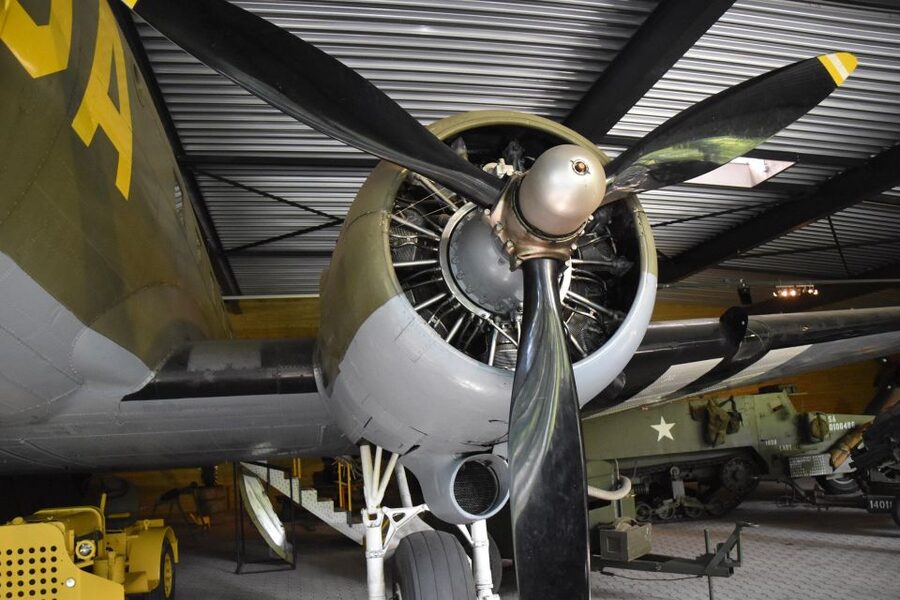
The aircraft are the museum’s big draw. Photographs can show you an airborne operation, but a full-size Dakota C-53 gives you a better sense of the machines involved.
The Dakota is closely associated with transport and airborne operations. Here, you can get on board the aircraft rather than viewing it only from behind a barrier. That physical access helps you understand the size and practical limits of the plane used to carry troops and supplies.
The Horza glider adds a different point of view. Gliders did not look like conventional fighter aircraft, and their role can be easy to overlook when the story focuses on roaring engines and combat planes. Seeing one in person gives the airborne display more range.
The scale of the aircraft and vehicles is worth taking seriously. I would allow time simply to walk around them and look at their construction. The collection is praised for its selection of military vehicles and aircraft, and that is where the museum feels most immediate.
You also find weapons and other objects actually used during Operation Market Garden. That detail gives the collection extra weight. These are not only representative pieces chosen to explain a topic. They connect directly to the operation at the center of the museum’s story.
Do not expect every aircraft or vehicle to answer every question on its own. The audio guide and timeline are important because they explain how each item fits into the campaign. The machines are impressive, but the historical links are what turn a display into a meaningful visit.
Dioramas, photographs, and the human side of liberation
The large objects get the attention first, but the photographs and dioramas keep the visit from becoming a simple equipment show. They help bring the war back to the people who lived through occupation and liberation.
Photographs can be especially valuable for visitors who want local context. They show the period through real images rather than only through polished military displays. Combined with the text and audio, they help balance the excitement of aircraft with the hard conditions behind the campaign.
The dioramas offer another kind of help. They can make troop movements, landing areas, and military scenes easier to picture. I find this type of display useful when a campaign has many names and dates, but the museum does not need to become a classroom lecture.
The museum’s focus on repression from 1940 to 1944 also makes the visit more serious. It reminds you that liberation is not only about soldiers arriving or aircraft crossing the sky. It is also about what happened to civilians during the occupation and how daily life changed under pressure.
If you are visiting with children, the aircraft and vehicles may be the easiest way to hold their attention. The audio guide and visual displays can then add the wider story. For adults, the chronological structure helps keep the visit from becoming a loose collection of war objects.
Same country, a completely different kind of day:
- Amsterdam: Heineken Experience Ticket
★ 4.6 · 30,055 reviews - Amsterdam: Rijksmuseum Entry Ticket
★ 4.7 · 25,535 reviews - Amsterdam: Classic Boat Cruise with Optional Cheese & Wine
★ 4.6 · 22,925 reviews - Amsterdam: Evening Cruise with Optional Wine and Snacks
★ 4.4 · 19,696 reviews
What a one-day visit feels like
The admission is listed at $14 per person, which is a fair price for a museum with aircraft, vehicles, weapons, photos, dioramas, and an included audio guide. The value is strongest if you plan to spend several hours looking carefully rather than making a short stop.
Your ticket is valid for one day from first activation. That gives you room to set your own rhythm, though the available information does not specify how many hours you need or the exact opening schedule. Check the current details before setting a tight travel plan around the visit.
A useful approach is to divide your time into three parts:
- Begin with the occupation and repression timeline.
- Continue through the liberation story and Operation Market Garden displays.
- Finish with the aircraft, vehicles, weapons, Dakota C-53, and Horza glider.
You can reverse that order if the aircraft are your main reason for coming. Still, starting with the historical background makes the larger objects more meaningful.
The museum lists a host or greeter, but no guide names or fixed guided-tour format are provided. You should therefore plan on a self-guided visit using the Dutch or English audio guide rather than expecting a named expert to lead you through every display.
The current score is 4.7 from 20 ratings, and the strongest praise centers on the authentic exhibition and the size of the vehicles and aircraft. That matches the museum’s main strength: it gives you substantial physical objects, not only text panels.
One practical point is worth noting. A return visit can be worthwhile because the amount of information may reward a slower second look. One repeat visitor found there was much more to read and admire on a later visit, suggesting that a quick first pass may leave some details behind.
Who will get the most from Wings of Liberation
This experience suits you if you have an interest in WWII, aviation, military technology, or the liberation of the Netherlands. It also works for people who know little about Operation Market Garden but want a clear introduction with strong visual displays.
Families may find the aircraft and vehicles more engaging than a museum made entirely of documents. The audio guide gives adults and older children a way to add detail without forcing everyone to read every panel.
It is also a good stop for visitors already exploring North Brabant’s wartime sites. The regional focus helps you connect a museum visit with the wider story of the southern Netherlands, though this experience itself is centered on the museum rather than an outdoor battlefield route.
The museum is wheelchair accessible, which makes it a practical choice for many visitors. The supplied information does not explain which aircraft interiors or individual displays have step-free access, so you may want to confirm those details if boarding every exhibit is essential.
You should think twice if you want a fast, entertainment-led attraction. The subject is serious, and the visit depends on your willingness to read, listen, and consider the historical sequence. The aircraft offer visual drama, but the museum’s purpose is education and remembrance.
Booking, flexibility, and language
Dutch and English are the available languages for the audio guide and activity information. That makes the museum accessible to English-speaking visitors who want more than short translated labels.
Free cancellation is available up to 24 hours before the visit for a full refund. You can also reserve now and pay later, which is useful when your North Brabant plans may change.
The price of $14 is paid per person. Since access is valid for one day and the audio guide is included, I see this as a solid-value museum ticket for anyone who plans to take time with the collection.
There is no group-size or fixed departure information provided. That means you should treat the experience as a museum entry rather than a timed excursion with transport or a scheduled escort.
Should you book this WWII airborne experience?
I would book Wings of Liberation if you want to understand the liberation of southern Netherlands through real aircraft, vehicles, weapons, and a clear wartime timeline. The Dakota C-53 and Horza glider are the strongest reasons to visit, while the audio guide and occupation-to-liberation structure give the collection needed context.
At $14, it offers good value for a serious, self-paced museum day. Go if you enjoy military history and authentic objects. Skip it only if you want a short, highly guided activity or a battlefield tour outside the museum.
FAQ
Where is Wings of Liberation located?
The museum is in North Brabant, Netherlands, in the area where airborne operations connected with Operation Market Garden began on 17 September 1944.
How much does admission cost?
Admission is listed at $14 per person.
How long is the experience?
The activity is valid for one day from first activation. The supplied information does not give a fixed number of hours for the visit.
Is an audio guide included?
Yes. An audio guide is included and is available in Dutch and English.
Can I see the Dakota C-53 and Horza glider?
Yes. The experience includes access to the famous Dakota C-53 and Horza glider.
Is the museum wheelchair accessible?
Yes. The museum is listed as wheelchair accessible.
Just added around Netherlands
- Rijksmuseum guided tour without queues, in Spanish or English.★ 4.5 · 3 reviews
- Oudenbosch: Guided City Walk★ 5.0 · 3 reviews
- Our Utrecht’s Private & Personalized tour★ 5.0 · 3 reviews
- Small-Group Tour to Windmills & Giethoorn with boat tour★ 5.0 · 3 reviews
- Half-Day Private Guided Sightseeing Tour of Zaanse Schans★ 5.0 · 3 reviews
- Hilvarenbeek: Speelland Beekse Bergen Entrance Ticket★ 3.7 · 3 reviews
- Amsterdam Red Light District and Old Town Walking Tour★ 5.0 · 3 reviews
- Private tour from Rotterdam to Windmills of Kinderdijk & Gouda Cheese Experience★ 5.0 · 3 reviews