
Reviewed · AMSTERDAM TOURS
Amsterdam: ARTIS-Micropia Microbe Museum Entry Ticket
ARTIS-Micropia turns the tiny life around you into a full museum visit. You’ll see living microbes, inspect specimens through microscopes, scan your own body, and learn how bacteria, fungi, plants, animals, and people depend on one another. It is only about a 10-minute walk from Amsterdam’s city center, beside ARTIS Zoo.
I like the body scanner, which reveals the microbes living on and inside you, and the stamp hunt, which gives children a reason to keep moving from one exhibit to the next. I also like the visible laboratory and daily lab talks, since they make microbiology feel like active science rather than a collection of old displays.
The main drawback is value. At about $21 per person, the museum may feel expensive if you move quickly through its compact spaces. Some people finish in 45 minutes, while those who read every panel and try each station can stay close to two hours.
Key points to know before you go
- The body scan makes invisible life personal: You can see how many microbes live on and in the human body.
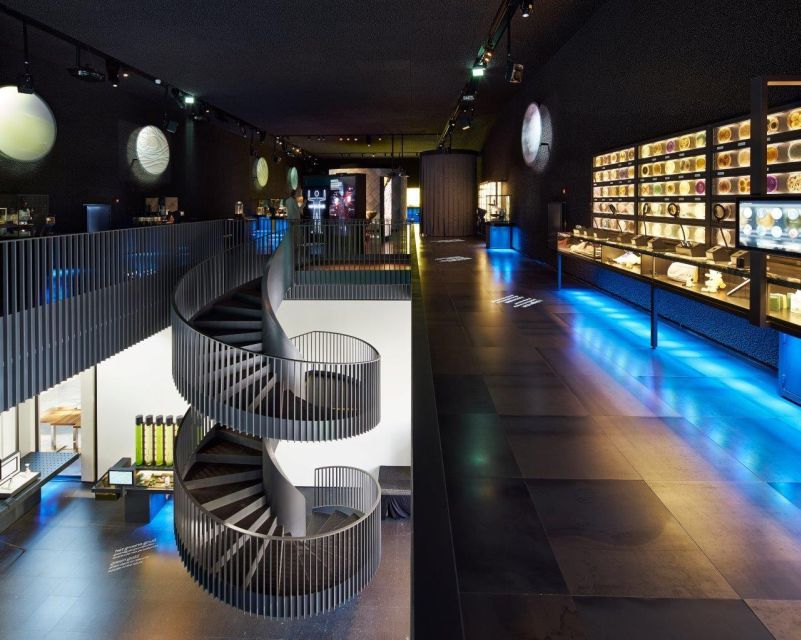
- Living displays give the museum real energy: Microscopes, growing mould, an ant farm, and a visible laboratory bring the subject to life.
- The stamp trail works well for families: Children collect microbe stamps as they explore.
- Plan for 45 minutes to 2 hours: Your pace depends on how much you read and how long you wait at interactive stations.
- Children aged 0 to 12 enter free: The recommended age is 8 and older, though younger children can still enjoy the visual displays.
- It pairs naturally with ARTIS: You can add ARTIS Zoo or the ARTIS-Groote Museum with a separate or combination ticket.
A museum about life too small to see
Microbes are not just germs. They help digest your food, make certain foods taste good, support human health, and keep natural systems in balance. ARTIS-Micropia gives you a way to see that usually invisible world through microscopes, animations, sculptures, living cultures, and interactive machines.
That basic idea makes this a different sort of Amsterdam museum. You are not walking through room after room of paintings or historic objects. You are looking at organisms that are active, changing, and often part of your own body.
The museum is in the ARTIS area at Plantage Kerklaan 38-40, roughly a 10-minute walk from central Amsterdam. That location is useful if you already plan to visit the zoo, but Micropia also works as a short stand-alone stop during a day in the city.
I would not treat it as a quick photo stop. The exhibits reward curiosity. You can glance at the large illustrations and animations, or you can slow down and read about the organisms, their roles, and the science behind them.
More Museums in Amsterdam
- Amsterdam: Van Gogh Museum Ticket
★ 4.7 · 52,054 reviews - Moco Museum Amsterdam Entrance Tickets with Banksy & More
★ 4.4 · 10,088 reviews - Amsterdam: The Upside Down Museum Entrance Ticket
★ 4.4 · 9,506 reviews
What happens when you enter ARTIS-Micropia
The museum’s recommended age is 8 and older, which feels sensible. Older children can read the explanations, follow the interactive prompts, and understand the links between microbes and the human body. Younger children may still enjoy the lights, shapes, screens, and stamp activity, but the scientific ideas may go over their heads.
At the ticket desk, children can collect the free Micro Mission activity during spring break. It is available each day from 10 a.m. to 5 p.m. during that holiday period. The mission focuses on cooperation between plants, animals, and microbes, with questions such as how gut microbes help digest food.
That activity gives families a simple structure. Instead of asking children to wander through a museum about microscopic organisms, you can give them a task and let them hunt for answers. The stamp trail works in much the same way. Collecting all the microbe stamps adds a small reward to the visit without turning the museum into a noisy amusement park.
The entrance area also provides free lockers for coats and bags, according to the available visitor information. That matters here because several displays are hands-on, and you will have a better time with both hands free.
The body scanner brings the subject home
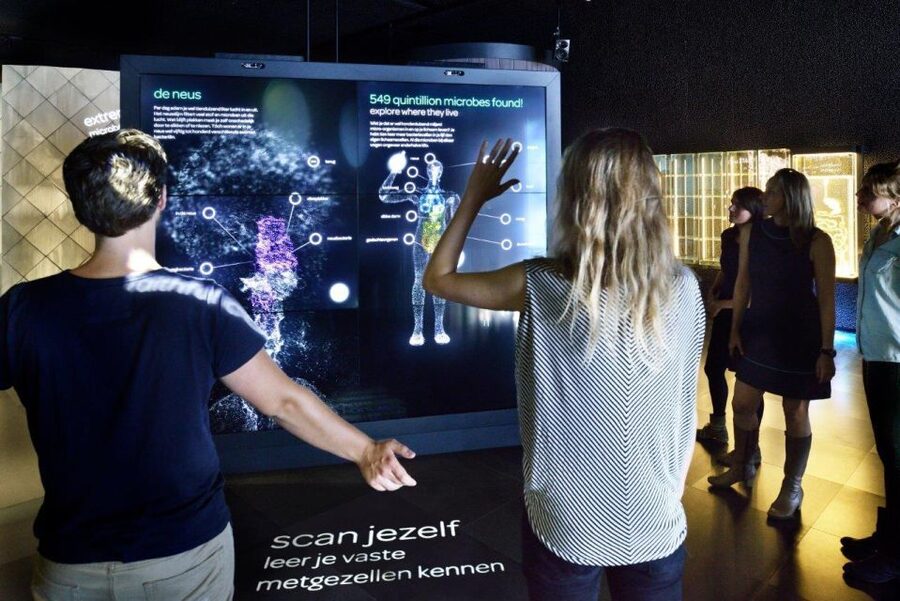
The body scan is one of the museum’s best ideas. You scan yourself and see the microbes living on and inside your body. It makes a broad science lesson immediate: the subject is not somewhere far away in a laboratory, but on your skin and in your gut right now.
The results can be surprising, even a little alarming. That is part of the fun, but the point is not to frighten you. The museum uses the scan to show that humans live with microbes all the time. Many are helpful or harmless, and some are essential to normal bodily functions.
I especially like this kind of exhibit for families because it creates a natural conversation. Children may begin with How many microbes are on me? and end up asking why gut bacteria matter or how microbes affect food.
The scanner is also a good reason for adults to visit. You do not need to bring children or have a science background to enjoy the personal angle. The subject becomes easier to understand once you connect it to your own body.
Microscopes, mould, and a working laboratory
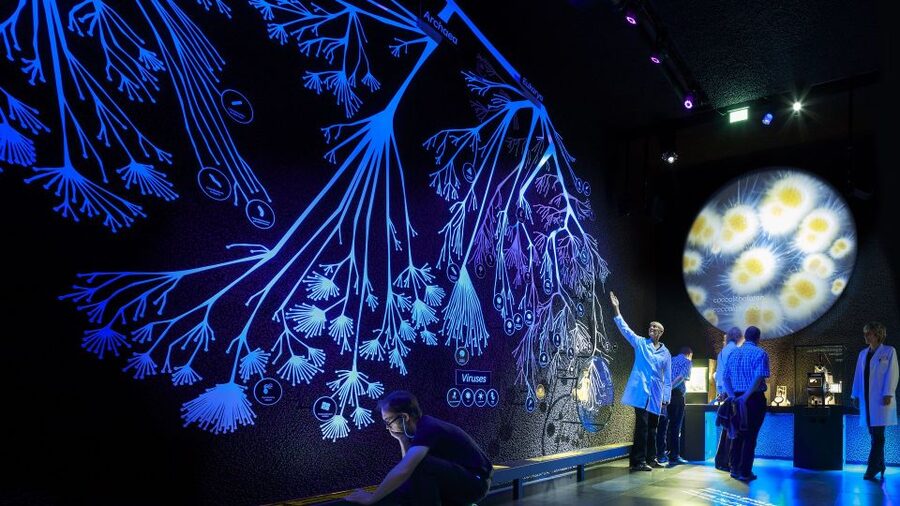
Micropia uses several ways to show organisms that are normally invisible. Microscopes let you look closely at microbes, while screens and animations explain what you are seeing. The displays are designed to translate complex biology into images and short explanations.
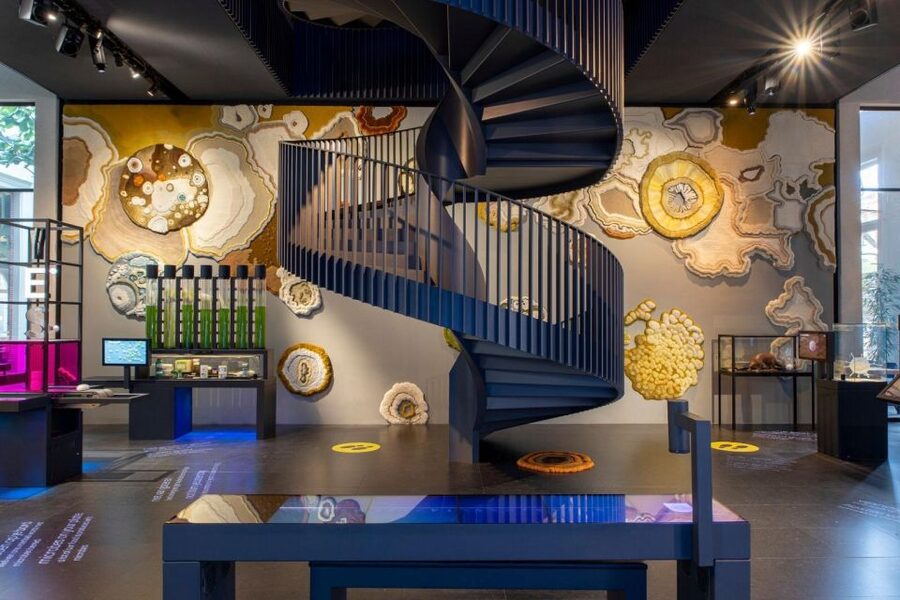
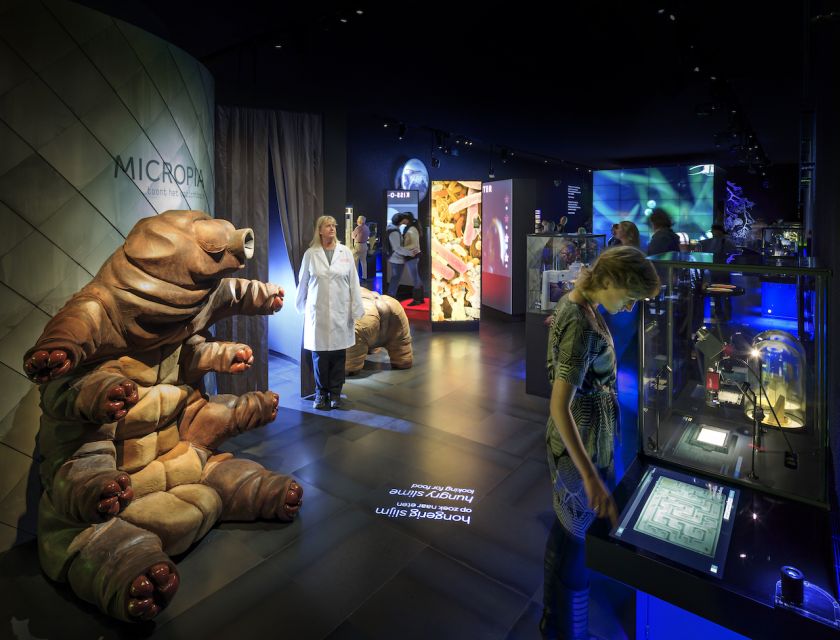
Large sculptures of bacteria and viruses add a visual layer. They are not simply decoration. When you see the shape of an organism enlarged, it becomes easier to remember that microbes are varied rather than one single category of tiny nuisance.
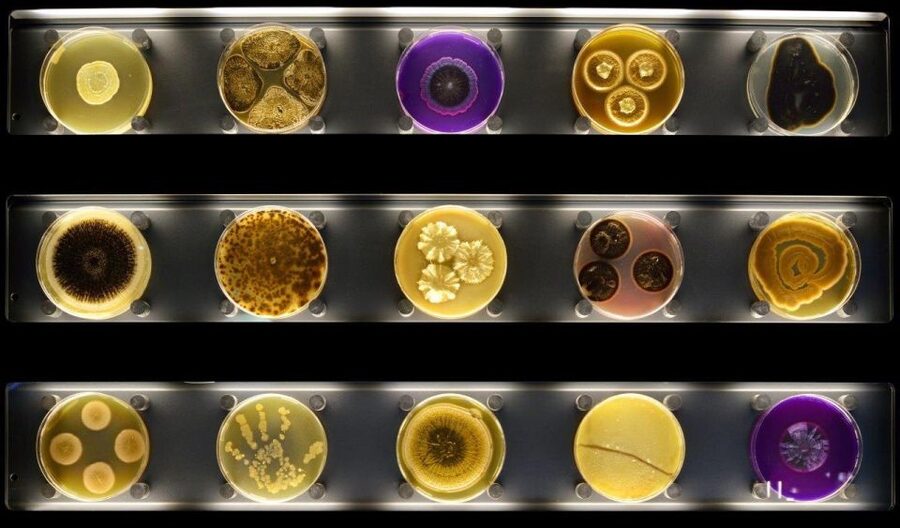
The growing mould plates are another memorable stop. They show change over time and make the idea of living cultures more concrete. You are not just reading that fungi grow. You can see evidence of growth in front of you.
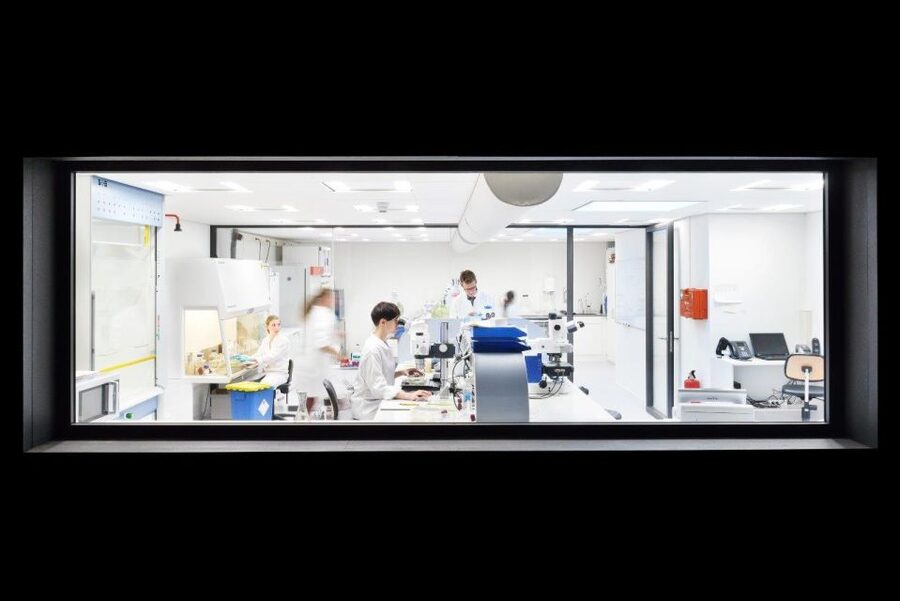
A visible laboratory adds to the sense that the museum is connected to real scientific work. Daily lab talks take place in front of the Laboratorium, offering another chance to ask questions and hear explanations in Dutch or English. No individual guide names are provided, but staff assistance is available in both languages.
The lab area is especially valuable if you want more than a polished exhibition. It shows some of the process behind studying microbes. For anyone with a serious interest in biology, that connection may be the difference between an amusing stop and a worthwhile museum visit.
Same country, a completely different kind of day:
- Amsterdam Classic Saloon Boat Cruise with Drinks and Cheese
★ 5.0 · 31,825 reviews - Amsterdam Luxury Canal Cruise + Unlimited Drinks & Bites option
★ 5.0 · 30,518 reviews - Amsterdam: Heineken Experience Ticket
★ 4.6 · 30,055 reviews - Amsterdam: Rijksmuseum Entry Ticket
★ 4.7 · 25,535 reviews
Interactive displays that work for adults too
Micropia is clearly designed to be hands-on, but it is not only for children. Machines, digital screens, visual effects, animations, and microscopes give adults several ways to explore the subject at their own pace.
You might spend a few minutes at each station, or stay longer to read the facts and compare different organisms. One visitor described taking nearly two hours to work through the museum carefully. Another found that around 45 minutes was enough. Both timings are realistic.
The difference comes down to your habits. If you mainly watch the animations and sample the interactive exhibits, you can finish fairly quickly. If you read every explanation, wait for popular stations, attend a lab talk, and complete the stamp trail, allow closer to two hours.
This variable length affects the value of the ticket. At $21, the museum is not a cheap filler activity. I would book it when you have a genuine interest in biology, science, health, or unusual museums. If you want only a brief novelty stop, the price may feel high.
Why the family activities matter
Children up to age 12 enter free, which improves the value for families. The recommended age is 8 or older, and children around 8 to 12 can take part in the stamp hunt and interactive stations without needing constant explanation.
The Micro Mission is available during spring break, not necessarily throughout the year. If you are visiting outside that period, the standard exhibits and stamp trail remain the main family activities described for the museum.
The subject also gives parents useful material to discuss later. Microbes are tied to digestion, health, food, and nature, so the visit can lead naturally into everyday questions. Why does bread rise? Why do some foods ferment? What lives in soil? How does the body work with bacteria?
Younger children may focus more on the visual side. The oversized sculptures, screens, and moving images can hold their attention, but the recommended age should guide your expectations. This is an educational museum with playful tools, not a soft-play attraction.
Combining Micropia with ARTIS Zoo or Groote Museum
Micropia sits beside ARTIS, Amsterdam’s Royal Zoo. A combination ticket can also include the ARTIS-Groote Museum, which looks at connections among humans, animals, plants, and microbes. That pairing makes intellectual sense: Micropia explains microscopic life, while the Groote Museum places people and nature in a wider relationship.
You can also add ARTIS Zoo and see animals up close after visiting the museum. One practical advantage is that Micropia does not need to consume your entire day. A 45-minute visit can fit before the zoo, while a slower two-hour visit works well as one part of a larger ARTIS outing.
If you are paying separately for the zoo, check the available combination prices before booking. A discount may be available when Micropia is combined with the zoo, which can make the overall day better value than treating each attraction as a completely separate purchase.
The surrounding Plantage neighborhood is pleasant for a pause. You will find a park setting, cafes, and places to sit near the ARTIS grounds. If you arrive before your entry time, the area gives you somewhere to wait rather than forcing you to stand in a queue in the middle of the city.
Timing, access, and practical details
ARTIS-Micropia is open daily from 10 a.m. to 5 p.m. Special holiday hours are listed as follows: 9 a.m. to 5 p.m. on December 24, 25, and 26; 9 a.m. to 4 p.m. on December 31; and 10 a.m. to 5 p.m. on January 1.
The ticket is valid for one day, with starting times subject to availability. You can cancel up to 24 hours in advance for a full refund, and a reserve-now, pay-later option is available. Those terms are useful if your Amsterdam plans are still shifting.
The museum is wheelchair accessible. Dutch and English are the listed languages, and hosts or greeters can assist in either language.
For the best visit, I would allow at least 90 minutes unless you know you want only a quick look. That gives you time to try the body scanner, inspect the microscopes, follow the displays, collect stamps, and pause for a lab talk if the timing works.
There is no need to dress for a long outdoor excursion. Micropia is an indoor museum, but combining it with the zoo means you should plan for a full day with changing weather in mind.
Is ARTIS-Micropia worth $21?
The ticket price makes more sense if you measure the museum by interest rather than square footage. Micropia is compact, and you may finish in under an hour. But the exhibits are unusually focused, and the subject is not something you can find in another standard museum around the corner.
For a microbiologist, science student, medical professional, or anyone fascinated by biology, the value is strong. The visible laboratory, mould cultures, sculptures, detailed explanations, and body scanner provide enough variety to support a serious visit.
For families, free admission for children aged 0 to 12 helps. The museum is also more engaging than a conventional display of text panels because children can scan, touch, watch, and collect.
The weaker case is for someone who does not enjoy science museums. If bacteria, fungi, viruses, and body systems sound dull, the museum’s unusual format may not change your mind. The displays are attractive and interactive, but the subject remains microbiology.
Facilities also deserve a small caution. One visitor reported that the toilets were dirty, which is not what you expect from a polished museum. Conditions can change, but it is worth keeping your main expectations focused on the exhibition rather than on every supporting facility.
Who should book this museum?
I would choose ARTIS-Micropia for families with children around 8 and older, couples looking for something different, and adults who enjoy science. It is also a smart add-on if you are already visiting ARTIS Zoo or the Groote Museum.
I would be less likely to book it for toddlers, unless the adults in the group are keen enough to enjoy the museum independently. The visual displays may hold a very young child briefly, but the explanations and activities are aimed at older children.
Give yourself extra time if you like reading. The museum can be a fast 45-minute stop or a thoughtful two-hour visit. That flexibility makes it easy to combine with other Amsterdam plans, but it also means you should not expect a large, all-day institution on its own.
Book it if you want to understand the unseen life around you and appreciate exhibits that make science personal. Skip it if you are looking only for a major historic attraction or a low-cost way to fill ten minutes. For the right audience, the body scan, live cultures, lab setting, and family activities make this one of Amsterdam’s most distinctive small museums.
FAQ
Where is ARTIS-Micropia located?
ARTIS-Micropia is at Plantage Kerklaan 38-40 in Amsterdam, North Holland. It is about a 10-minute walk from the city center and next to ARTIS Amsterdam Royal Zoo.
How much does admission cost?
The listed price is $21 per person. Children aged 0 to 12 can enter for free.
How long should I allow for a visit?
A visit can take about 45 minutes if you move quickly. If you read the information and use the interactive exhibits, plan on up to two hours.
Is ARTIS-Micropia suitable for children?
The recommended age is 8 and older. Children up to age 12 enter free, and the stamp trail and interactive displays are designed to keep young visitors involved.
Is the museum wheelchair accessible?
Yes, ARTIS-Micropia is wheelchair accessible.
What are the opening hours?
The museum is open daily from 10 a.m. to 5 p.m. Special hours apply on December 24, 25, 26, December 31, and January 1. Availability should be checked for the specific date you plan to visit.
Just added around Amsterdam
- Amsterdam: Giethoorn Tour with Canal Cruise and Windmills★ 5.0 · 3 reviews
- Amsterdam: Chocolate Fondue in the Dark★ 5.0 · 3 reviews
- Full-day excursion to Edam, Volendam, and Marken★ 3.7 · 3 reviews
- Amsterdam Old-West Vegan Food Tour with Local Guide★ 4.7 · 3 reviews
- Amsterdam Private Walking Tour of Famous Painters★ 5.0 · 3 reviews
- Amsterdam Family Friendly Historical Walking Tour★ 5.0 · 3 reviews
- From Amsterdam: visit Zaanse Schans, Muiderslot and more!★ 5.0 · 3 reviews
- Amsterdam Walking Tour with Dutch Pancake Lunch★ 5.0 · 3 reviews
Amsterdam Tours, compared.

Amsterdam Classic Saloon Boat Cruise with Drinks and Cheese
Read our review →
Amsterdam Luxury Canal Cruise + Unlimited Drinks & Bites option
Read our review →

Classic Boat Cruise with Optional Cheese & Wine
Read our review →
Evening Cruise with Optional Wine and Snacks
Read our review →
75 Minute City Canal Cruise with Audio Guide
Read our review →Browse the lists this tour appears in