
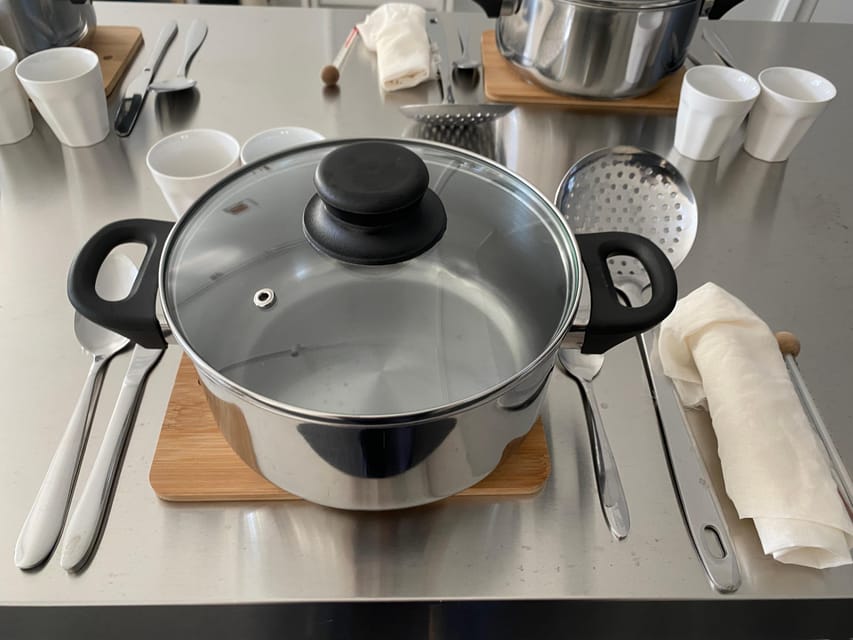
Reviewed · AMSTERDAM TOURS
Amsterdam: Make your cheese next to De Hallen
The most interesting part of this Amsterdam workshop is that you do not just watch someone make cheese. You turn two liters of ordinary supermarket milk into two fresh cheeses, using both acid coagulation and rennet coagulation. I like the practical format, and I like that Paula keeps the group small enough for hands-on work. You also get rennet, calcium, a cheese cloth, and recipes to continue at home.
The main drawback is the price: at $135 per person, this is not a cheap three-hour activity. It makes better sense if you value instruction, tasting, and take-home supplies, rather than simply wanting a quick food sample. It is also unsuitable for children under 16 and people with lactose intolerance.
Key points to know before booking
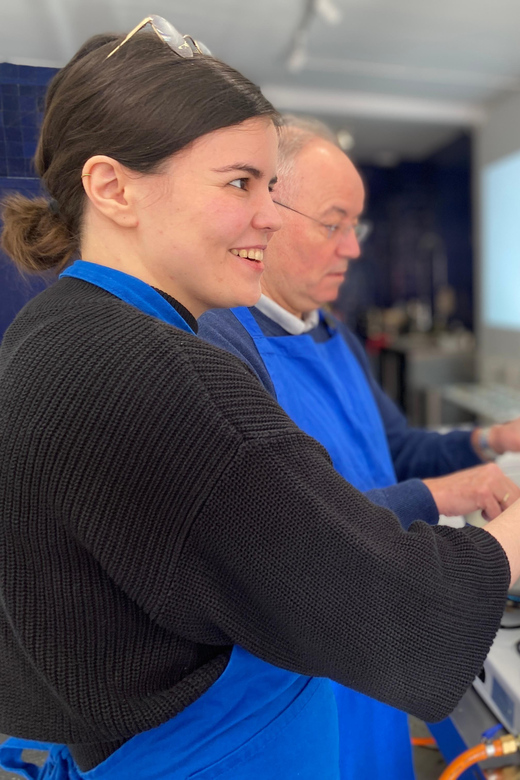
- Two methods in one workshop: Learn acid coagulation for fresh cheese and rennet coagulation, the method used for aged cheese.
- Two liters become two cheeses: You work with one liter of milk for each cheese and take both pieces home.
- Paula leads the session: The workshop begins with a short presentation and introductions before the practical work starts.
- Small group setting: The class is limited to 10 people, which matters when you need help with each step.
- A useful home cheesemaking kit: Your supplies include rennet, calcium, and a cheese cloth, with recipes sent by email.
- A tasting beyond your own batch: The final tasting includes homemade fresh and pressed cheeses.
Making cheese beside De Hallen
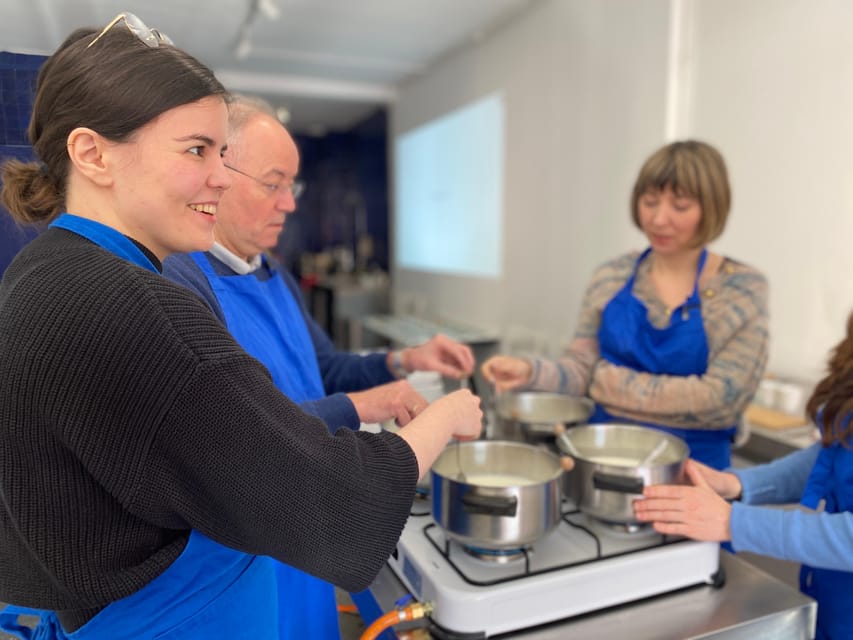
De Kaasserie is near De Hallen, making this a handy choice if you are already spending time in Amsterdam West. The class lasts three hours, so it fits well into a half-day plan rather than taking over your entire day.
You meet at De Kaasserie, where the session starts with tea and an introduction to the shop and workshop. Paula gives a short presentation, explains what you will be doing, and has everyone introduce themselves. That opening matters because cheesemaking has its own vocabulary and sequence. A quick explanation helps you understand what the milk is supposed to do before you begin handling it.
The group is capped at 10 people. That is small enough to make the session feel like a class rather than a demonstration, while still giving you a chance to compare results with other participants. A past booking from Camille specifically praised the group size and the opening presentation, which tells me the workshop has a clear structure from the start.
The exact meeting point can vary with the option you book, so check your confirmation carefully. The listed instruction languages are English, Spanish, French, and Dutch.
A few more Amsterdam trips worth a look
- Amsterdam Classic Saloon Boat Cruise with Drinks and Cheese
★ 5.0 · 31,825 reviews - Amsterdam: Classic Boat Cruise with Optional Cheese & Wine
★ 4.6 · 22,925 reviews - Amsterdam: Guided Zaanse Schans, Windmills & Cheese Tour
★ 4.4 · 4,826 reviews
Two liters of milk, two different results
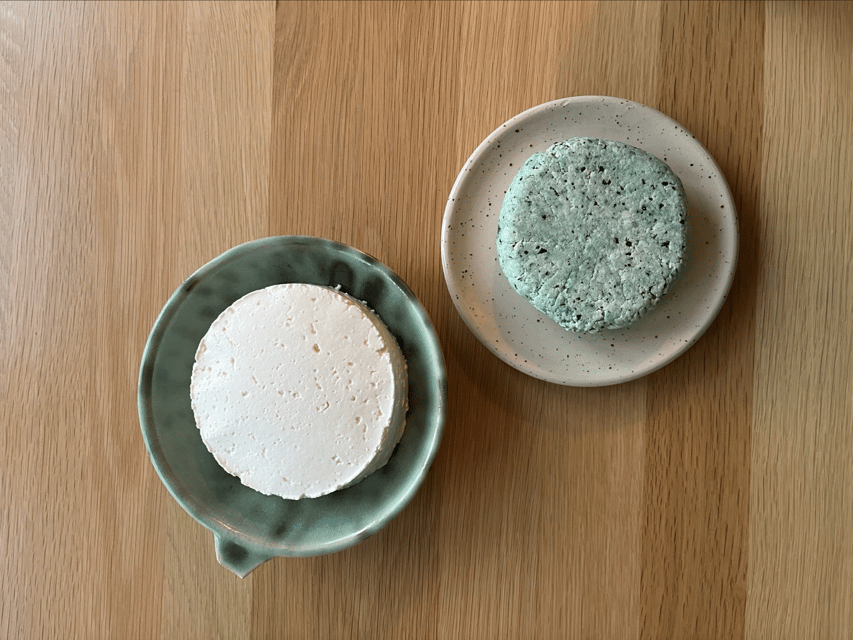
The heart of the workshop uses two one-liter cartons of supermarket milk. One becomes an acid-coagulated cheese. The other becomes a rennet-coagulated cheese.
This is a smart teaching choice. You are not asked to begin with a complicated aged cheese recipe or specialist equipment. Instead, you see two basic ways that milk changes texture, and you can compare the results during the tasting.
Acid coagulation relies on increasing the milk’s acidity so that the solids separate and form curds. Rennet coagulation uses rennet to set the milk. The second method is especially useful because it is the procedure used for aged cheese. You start with a fresh version, but the same basic principle can lead to more involved recipes at home.
That distinction gives the class lasting value. You are not just producing something to eat during a holiday. You are learning the first steps of a craft that can continue into pressed and aged cheeses.
The workshop also lets you add herbs and spices. This is a small detail, but it gives you a chance to make the process your own. You can see how a plain fresh cheese becomes a flavored one, and you leave with ideas for changing future batches.
What the hands-on session feels like
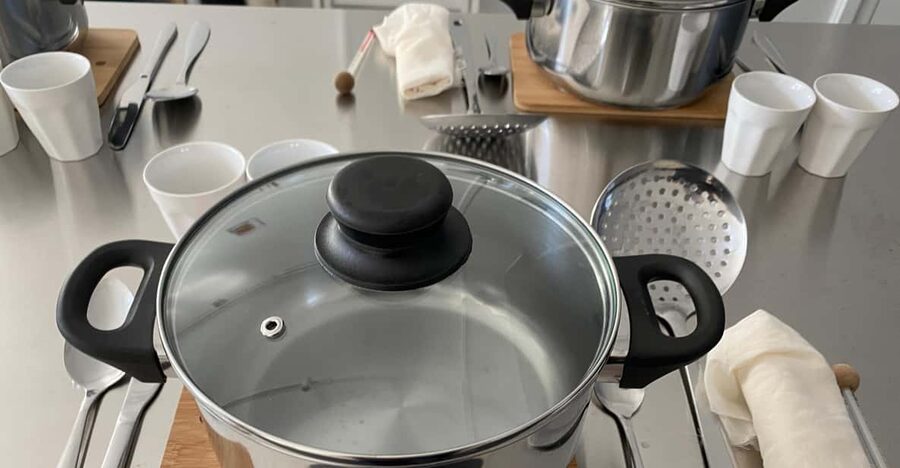
You should expect to take part throughout the class. The two cheeses are made from basic milk, but you still need to follow the stages in the right order. The value of having Paula present is that she can explain why each step matters instead of leaving you to guess from a recipe.
The class is designed around fresh cheese, so you can finish the practical work during the three-hour session. That makes it a good introduction for a curious beginner. You get a complete result on the same day rather than starting an aged cheese that will need weeks or months before it is ready.
You take both cheeses with you at the end. The take-home supplies include a cheese cloth, rennet, and calcium, and the recipes arrive by email. Those items are important when you return home. Without rennet or a proper cloth, the lesson could remain a pleasant memory. With them, you have the basic tools to try the method again.
I would keep your expectations realistic. This is an introduction, not a professional cheesemaking course. You will learn the basic principles and make two fresh cheeses, but the information provided does not promise a full course in aging, milk sanitation, equipment, or advanced recipes.
The tasting of fresh and pressed cheeses
Once your own cheeses are ready, the session finishes with a tasting of homemade cheeses. The tasting includes fresh and pressed varieties, so you can compare a soft young cheese with a firmer style.
This is one of the best parts for putting the lesson into context. You have just worked with milk and watched it change, so tasting different finished cheeses helps connect the basic method with the wider craft. It also gives you a useful sense of how texture and flavor can develop.
Your own two cheeses are included to take home, not simply served as a snack during the class. That is a practical benefit, especially if you want to share them later or compare how they taste after the workshop.
Tea is included with the introduction. Coffee and alcoholic drinks are not included, so do not count on a wine pairing or a café-style tasting. The focus stays on the cheese itself and on learning how it is made.
Same country, a completely different kind of day:
- Amsterdam: Van Gogh Museum Ticket
★ 4.7 · 52,054 reviews - Amsterdam Luxury Canal Cruise + Unlimited Drinks & Bites option
★ 5.0 · 30,518 reviews - Amsterdam: Heineken Experience Ticket
★ 4.6 · 30,055 reviews - Amsterdam: Rijksmuseum Entry Ticket
★ 4.7 · 25,535 reviews
Is $135 a fair price?
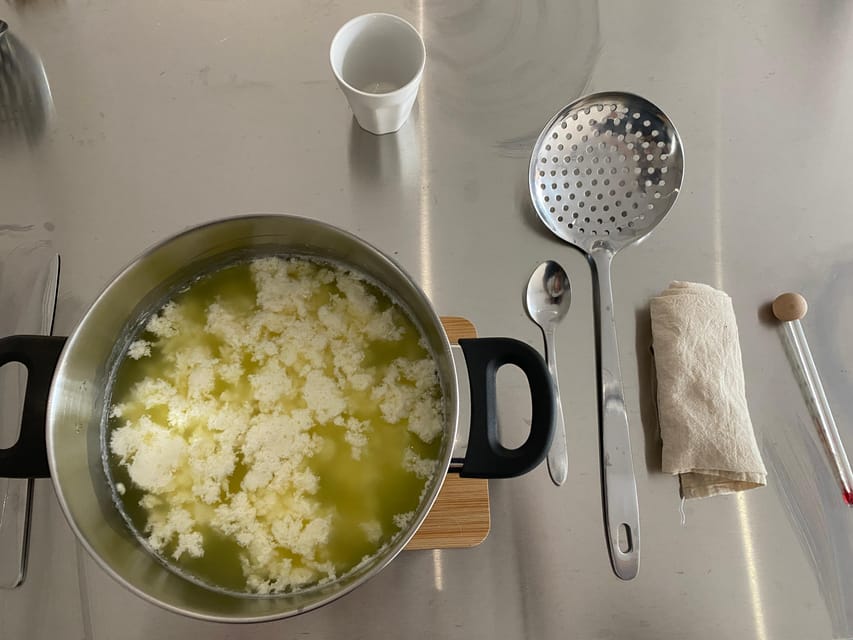
At $135 per person, this workshop asks you to pay for more than ingredients. You are paying for three hours of instruction, a small group, a tasting of several homemade cheeses, two cheeses to take home, basic supplies, and recipes for future batches.
The value is strongest if you want a guided activity with a skill you can use after your Amsterdam visit. Rennet and calcium are particularly useful inclusions because they let you repeat the process. The class also saves you from buying supplies before you know whether cheesemaking suits you.
The value is weaker if your main goal is simply to taste Dutch cheese. Amsterdam offers many ways to eat cheese for far less money. This class is for someone who wants to understand the process and get involved, not just sample a few varieties.
I would also factor in your interests. If you enjoy cooking projects, food traditions, or learning a craft, the price is easier to justify. If you prefer sightseeing with frequent stops and little instruction, three hours in a workshop may feel like a large commitment.
The free cancellation up to 24 hours before the start gives you some flexibility, and the reserve-now, pay-later option can help if you are still arranging your Amsterdam schedule.
Who will enjoy this workshop most?
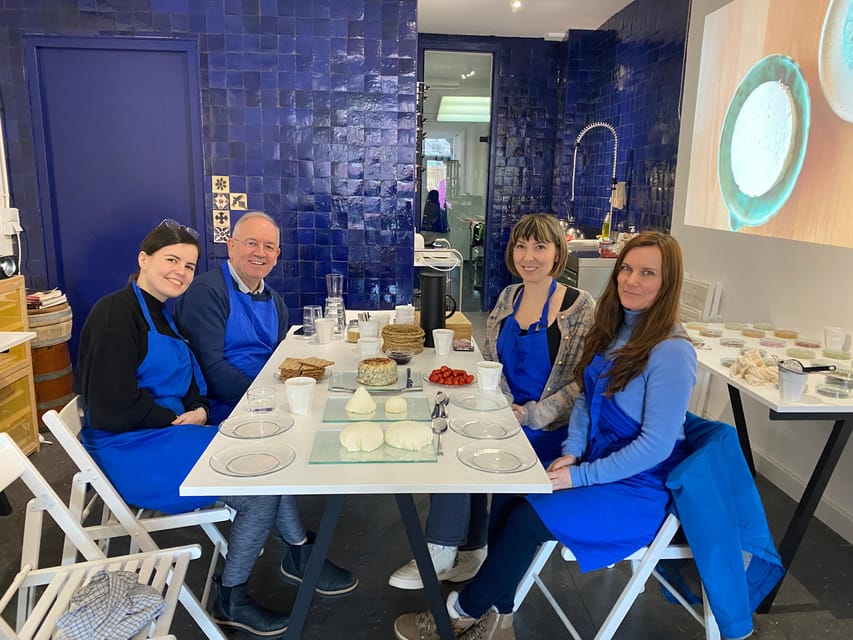
This suits adults and older teenagers aged 16 and above who enjoy practical food experiences. It is especially fitting for home cooks, cheese lovers, and people who like returning from a trip with a skill rather than another souvenir.
It also works for a couple or a small group of friends. The 10-person limit keeps the atmosphere personal, while the two batches give each participant a clear task.
The workshop is not suitable for anyone with lactose intolerance. The supplied information also lists people over 95 as unsuitable, so check the stated age requirements before booking.
You do not need to arrive as an expert. The class begins with the basic principles of milk coagulation, and the recipes and supplies support further practice. Still, you should enjoy following instructions and working with food for several hours.
Paula’s role and the small-group advantage
Paula is the named instructor, and her approach includes a short slide presentation, introductions, practical guidance, and tasting. Camille’s detailed booking note praised Paula’s clear teaching, personable manner, and the way she made the session enjoyable without losing its structure.
Fatemah also singled out Paula’s help during the session. That is worth noting because hands-on workshops depend heavily on the instructor. A good explanation can turn a confusing step into something you can repeat at home.
The small group helps here. With no more than 10 participants, you have a better chance of seeing the process clearly and asking for help when you need it. It also means you can watch how other people season their cheese and compare the results.
The available languages are English, Spanish, French, and Dutch. Choose the language that will let you follow small technical details most easily. Cheesemaking depends on timing and sequence, so clear communication matters.
What to bring and how to plan the day
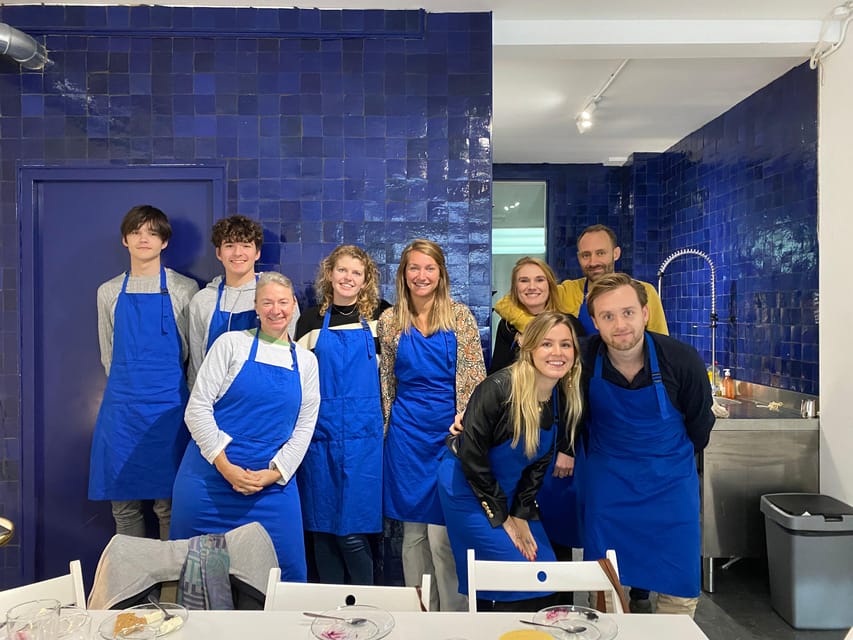
The supplied information does not list a required packing list. I would still dress for a food workshop and bring a way to carry two pieces of fresh cheese home. The workshop provides a cheese cloth, but no separate transport container is specified.
Plan for the full three hours. The time includes the introduction, explanations of the two coagulation methods, preparation of both cheeses, seasoning, and the final tasting. It is not a quick stop that you can fit between two tightly scheduled attractions.
Because the workshop is beside De Hallen, you can pair it with other plans in the area. Keep enough space afterward to enjoy the tasting and collect your cheeses without rushing. The cheeses are part of what you pay for, so hurrying away would reduce the value of the session.
Check the starting time and meeting point for your selected option. The meeting point may differ depending on the option booked.
A useful first step into home cheesemaking
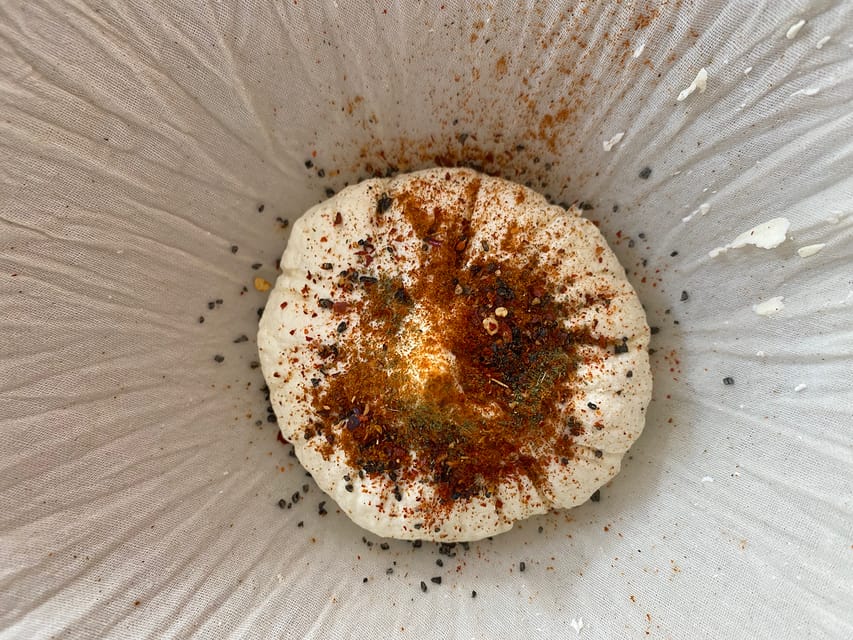
The strongest reason to book is the bridge between a holiday activity and a home project. You learn one acid-based method and one rennet-based method, then leave with supplies and recipes. That makes it easier to keep experimenting once you are back in your own kitchen.
The rennet lesson has particular promise. Since rennet is used for aged cheese, this fresh version gives you a starting point for more complex recipes later. The workshop does not claim to teach the entire aging process, but it gives you the first piece of that puzzle.
You should also appreciate the limits. Your two cheeses are fresh, so they are not the same as buying a mature Dutch cheese from a specialist shop. The experience is about making and understanding, not about producing a finished aged wheel during one afternoon.
That is why I see this as a craft class with a tasting, rather than a tasting with a little demonstration attached. The difference matters when deciding if the $135 price fits your plans.
Should you book the De Kaasserie workshop?
Book it if you want a focused Amsterdam activity that teaches you something practical. The small group, Paula’s friendly and clear teaching style, two different coagulation methods, and take-home cheesemaking supplies give the session real substance.
Skip it if you have lactose intolerance, are traveling with children under 16, or mainly want a low-cost cheese tasting. Also think twice if your schedule is packed, since three hours is a serious block of time.
For the right person, this is a memorable way to explore Dutch food culture without simply sitting down to eat it. You leave with two cheeses, the tools to try again, and a better understanding of how milk becomes one of the world’s most varied foods.
FAQ
Where does the Amsterdam cheesemaking workshop take place?
You meet at De Kaasserie near De Hallen in Amsterdam. The exact meeting point may vary depending on the option booked, so check the details for your selected option.
How long does the workshop last?
The workshop lasts three hours.
How much does the experience cost?
The listed price is $135 per person.
What types of cheese will I make?
You will make two fresh cheeses. One uses acid coagulation, and the other uses rennet coagulation.
What is rennet coagulation used for?
Rennet coagulation is the procedure used to make aged cheese. The workshop teaches it through a fresh cheese, giving you a starting point for more complex recipes at home.
Can I take the cheese home?
Yes. You take home both pieces of cheese made during the workshop.
What else is included to help me make cheese at home?
You receive a cheese cloth, rennet, calcium, and recipes by email.
Is food or drink included?
Tea with the introduction is included, along with a tasting of homemade fresh and pressed cheeses. Coffee and alcoholic drinks are not included.
Who should not book this activity?
The workshop is not suitable for children under 16, people over 95, or people with lactose intolerance.
Just added around Amsterdam
- Amsterdam: Giethoorn Tour with Canal Cruise and Windmills★ 5.0 · 3 reviews
- Full-day excursion to Edam, Volendam, and Marken★ 3.7 · 3 reviews
- Amsterdam: Chocolate Fondue in the Dark★ 5.0 · 3 reviews
- Amsterdam Private Walking Tour of Famous Painters★ 5.0 · 3 reviews
- Amsterdam Family Friendly Historical Walking Tour★ 5.0 · 3 reviews
- Amsterdam Old-West Vegan Food Tour with Local Guide★ 4.7 · 3 reviews
- From Amsterdam: visit Zaanse Schans, Muiderslot and more!★ 5.0 · 3 reviews
- Amsterdam Walking Tour with Dutch Pancake Lunch★ 5.0 · 3 reviews
Amsterdam Tours, compared.


Amsterdam Classic Saloon Boat Cruise with Drinks and Cheese
Read our review →
Amsterdam Luxury Canal Cruise + Unlimited Drinks & Bites option
Read our review →


Classic Boat Cruise with Optional Cheese & Wine
Read our review →
Evening Cruise with Optional Wine and Snacks
Read our review →
75 Minute City Canal Cruise with Audio Guide
Read our review →Browse the lists this tour appears in