
Reviewed · AMSTERDAM
Zeeland Strand safari met visnet NL/DE
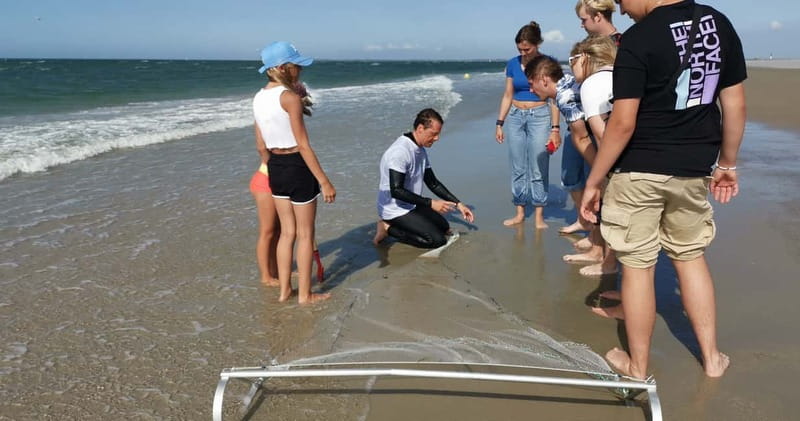
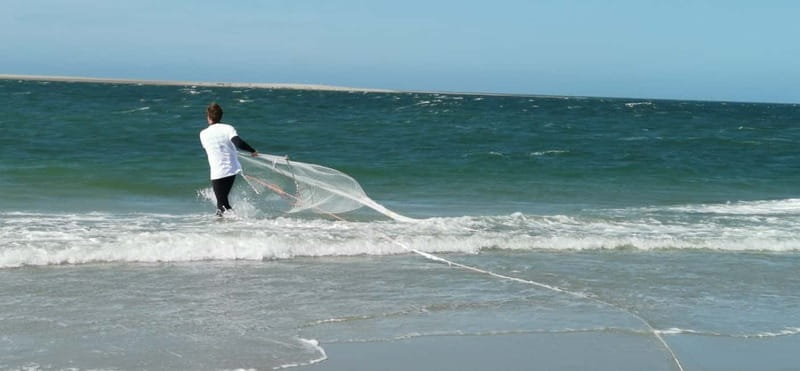
The best part of this Zeeland outing is the large trawl net, which lets you help search the shallow North Sea instead of simply looking at the beach from dry land. You may see crabs, shrimp, small fish, shells, starfish, or even a seal, then examine smaller finds in magnifying jars.
I like the hands-on format and the easy pace. I also like that the guide returns animals and plants to the water after showing you what makes them special. The main consideration is nature’s lack of guarantees: one outing produced seals as the highlight but no other animals.
I would choose this for families, curious children, and anyone who wants a gentle coastal activity rather than a strenuous excursion. Bring warm clothes, swimwear, a towel, and a change of clothes, because the beach can feel colder than expected.
Key points to know before you go
- The net does the searching: You help pull a broad trawl net through shallow water along the Zeeland coast.
- Small finds get close inspection: Magnifying jars and identification cards help you study shells, shrimp, crabs, plants, and other creatures.
- Seals are possible, not promised: You might see a common seal or grey seal, but the catch changes with conditions.
- The guide keeps it lively: Expect fun facts about sideways-walking crabs, starfish regeneration, male crabs, and local shore life.
- It suits several ages: Families, school groups, and individual nature lovers can all take part.
- Weather can change the plan: Bad weather may cancel the tour or move it to a forest or dune safari.
Pulling the net through Zeeland’s shallow water
This is a beach walk with a clear purpose. Rather than strolling along the sand and hoping something interesting turns up, you work with the guide to pull a large net through shallow coastal water. The net gathers a sample of what lives close to shore, giving you a short, direct look at the North Sea’s smaller creatures.
You do not need specialist nature skills. The guide supplies the equipment and explains what you are seeing as the activity unfolds. You can help with the net, search the beach, and compare your finds with identification cards.
The water stays shallow, which makes the activity suitable for a broad age range. Still, it is not a dry, sit-back tour. You should expect wet feet or splashes, which is why swimwear, a towel, and spare clothes belong in your bag.
The two-hour length works well. It gives the group time to search, pause, identify animals, and hear stories without turning the outing into an all-day commitment. Starting times vary, so check the schedule when you book.
A few more Netherlands trips worth a look
- Zeeland Zeehonden strand safari NL/DE
★ 4.5 · 58 reviews - Seal Safari at UNESCO Site Waddensea from Amsterdam
★ 5.0 · 38 reviews - Amsterdam: Half-Day Seal Safari at Waddensea UNESCO Site
★ 4.8 · 19 reviews
What the net may reveal
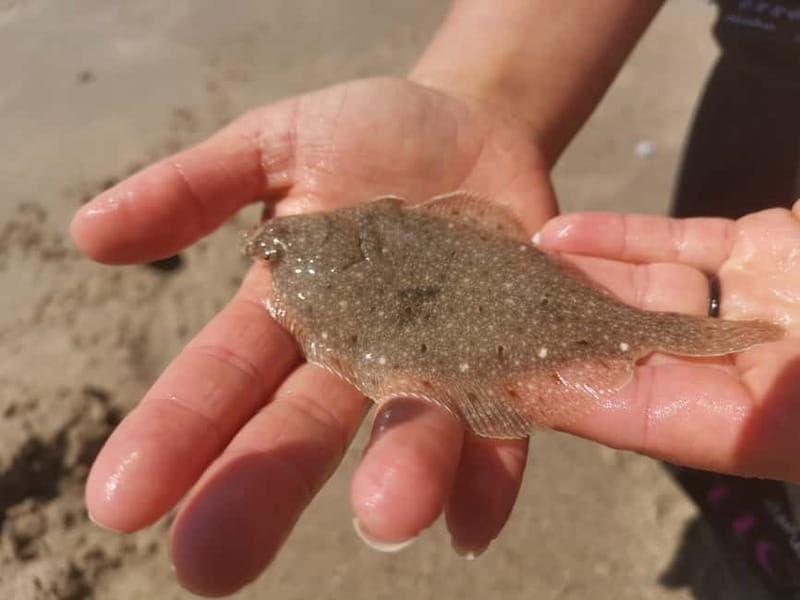
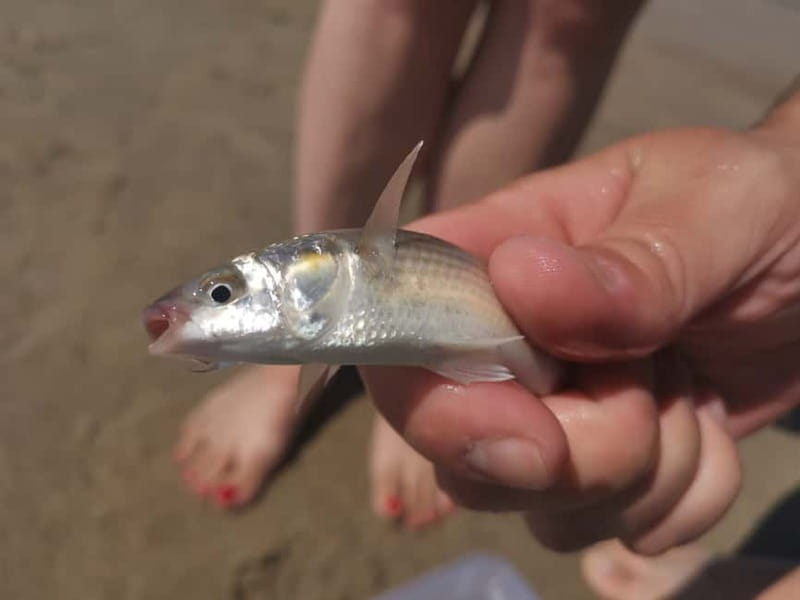
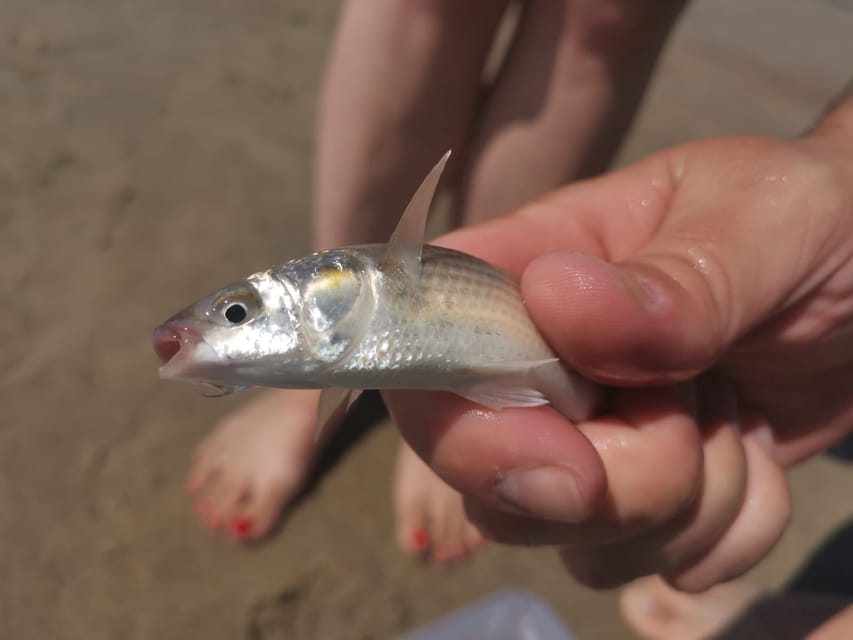
The exact catch depends on natural conditions, so you should treat the list of possible finds as a guide, not a promise. You may pull up small shore crabs, shrimp, sand eels, or other fish that live near the beach.
Starfish are another possible find. The guide may explain that a starfish can regenerate a lost arm, a simple fact that makes the animal more interesting once you have seen its shape and texture up close.
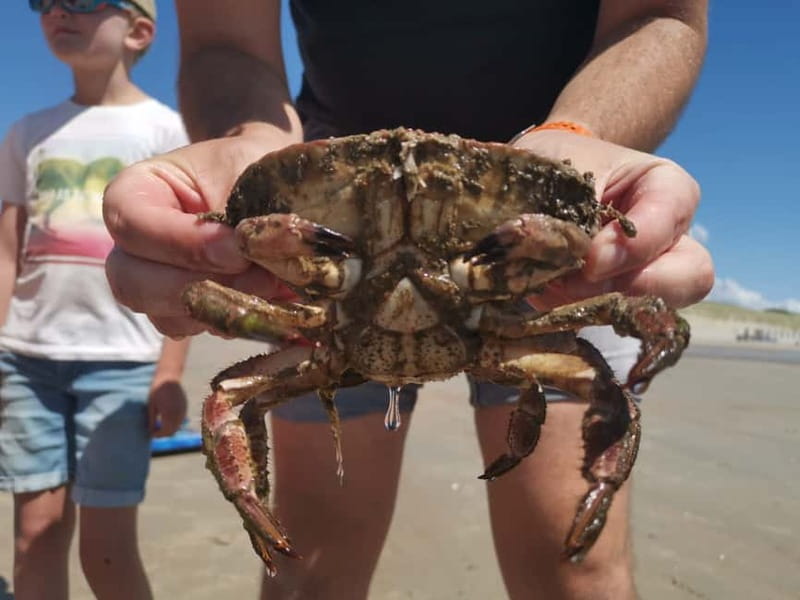
Crabs offer plenty to discuss. You may learn why they move sideways, how to identify a male crab, and how several crab types differ. The activity may also introduce you to the difference between a common seal and a grey seal.
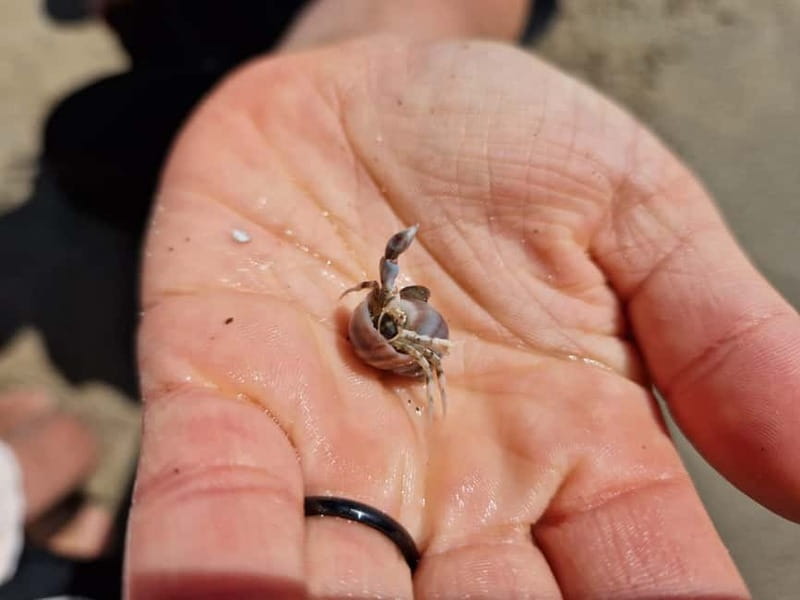
Shells and plants form an important part of the experience too. Even if the net produces little, the beach itself gives the guide material to discuss. Identification cards help you match what you find with the right species.
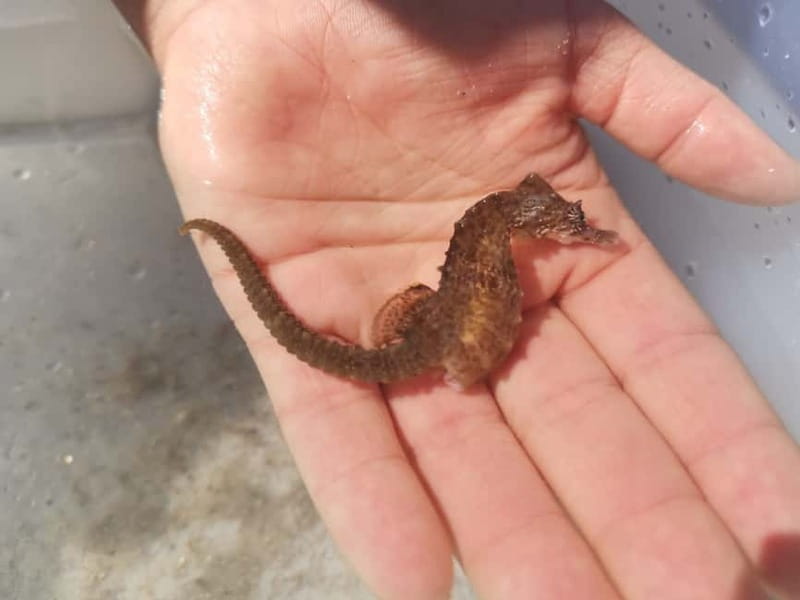
The possible sightings include cuttlefish, jellyfish, seahorses, and seals. These are exciting possibilities, but you should keep your expectations sensible. A nature activity cannot arrange the wildlife for your convenience. On one outing, seals were the clear highlight, while no other animals were found. That is not a flaw in the guide’s work. It is simply part of searching a real shore.
Magnifying jars turn small creatures into the main event
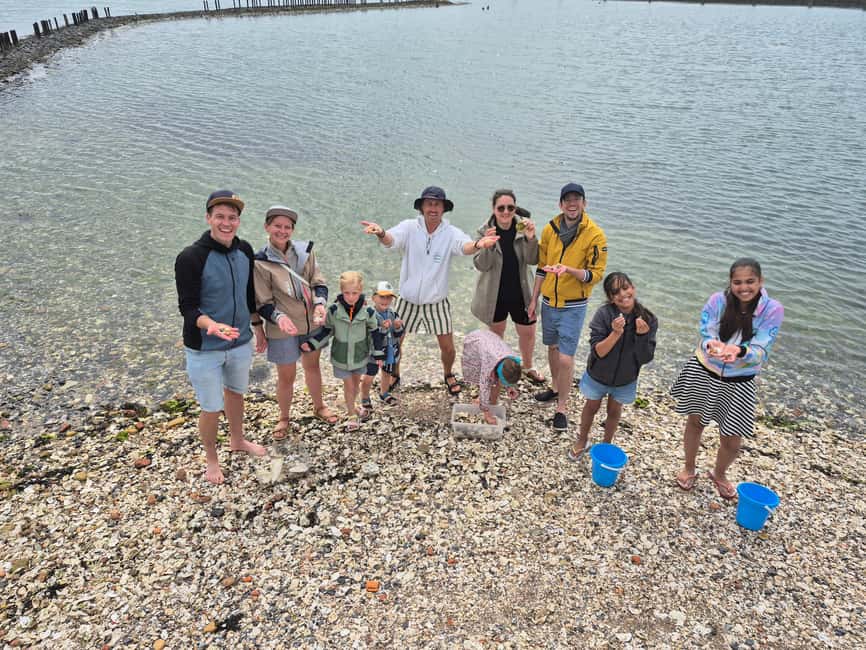
The magnifying jars are a smart touch, especially for children. A tiny shrimp or shell can be easy to miss when it is sitting among wet sand and seaweed. Under magnification, small details become easier to see and discuss.
The identification cards give the activity some structure. You are not just collecting names. You are comparing shapes, colors, and features, then learning how to recognize similar beach finds later.
I like this approach because it makes observation active. You help find something, look at it closely, ask what it is, and hear a fact about how it lives. That chain is more memorable than a short talk beside the water.
The guide also handles the important part of the process: care for the animals. The creatures and plants are returned to their natural environment after observation. That keeps the activity educational without turning it into a collecting exercise.
The guide’s stories keep the walk moving
The guide speaks Dutch or German and provides the commentary throughout the activity. No guide name is supplied, so you should expect a local guide rather than a named personality-led tour.
The information is presented through short facts and entertaining stories. You may hear about a starfish’s ability to replace an arm, the structure of a crab’s legs, or the difference between two kinds of seals. These details are simple enough for children but still useful for adults who have never paid close attention to shore life.
This storytelling matters because beach wildlife can look confusing at first. A small crab may seem like just another creature in the net. A shell may appear empty and ordinary. The guide gives each find a reason to matter.
The tone should suit a mixed group. Younger participants can help with the equipment and search for animals, while adults can listen for the ecology behind each discovery. If your group prefers a quiet beach walk with no instruction, this may feel too interactive. If you like asking questions and taking part, the format should work well.
Same country, a completely different kind of day:
- Amsterdam: Van Gogh Museum Ticket
★ 4.7 · 52,054 reviews - Amsterdam Classic Saloon Boat Cruise with Drinks and Cheese
★ 5.0 · 31,825 reviews - Amsterdam Luxury Canal Cruise + Unlimited Drinks & Bites option
★ 5.0 · 30,518 reviews - Amsterdam: Heineken Experience Ticket
★ 4.6 · 30,055 reviews
A relaxed beach activity for families and groups
The tour is designed for young and old, and the format supports that claim. The physical demand appears modest, with the main effort coming from helping pull the net through shallow water. Children get a clear job to do, while adults can help with identification and questions.
Families should think about clothing carefully. The beach can be colder than expected, even when the weather feels pleasant away from the coast. Bring an extra warm layer, plus swimwear, a towel, and a full change of clothes.
School groups can use the outing as a practical introduction to marine life. The combination of equipment, identification cards, and direct observation gives the activity a stronger learning element than a simple walk.
It also works for an individual nature enthusiast who wants a short coastal experience. You do not need to arrange your own equipment or know where to search. The guide sets the activity up and explains what appears in the net.
The tour is not suitable for wheelchair users. The beach, shallow water, and equipment make access an important consideration when deciding if it fits your group.
Meeting at Restaurant Duinzigt
The starting point is in front of the entrance to Restaurant Duinzigt at the roundabout. The activity returns to this same meeting point at the end.
That makes the outing straightforward once you arrive, since you do not need to arrange a separate return transfer. Pay close attention to the exact meeting spot, especially if the surrounding area is busy or unfamiliar.
The supplied information does not include transport to the meeting point, parking details, or a precise group size. You should check those practical points directly with the provider before setting out.
What happens in bad weather
Coastal weather can change quickly, and the tour has a clear backup plan. With bad weather, the beach safari may be canceled or transferred to a forest or dune safari.
That flexibility is useful, but you should not assume the replacement will be identical. A forest or dune outing changes the setting and the wildlife you may study. If your main reason for booking is to pull the net through seawater, check the weather forecast and the provider’s arrangements close to the date.
Even in good weather, bring warmer clothing than you think you need. Wind can make the shore feel chilly, and the activity takes place near water. A towel and spare clothes are practical, not decorative extras.
Is $17 a fair price?
At $17 per person, the tour offers a reasonably priced two-hour activity, especially for families who want something more engaging than a standard beach stroll. The fee covers access to the guided experience, the large trawl net, magnifying jars, and identification cards.
The value depends on what you want from the outing. If you expect guaranteed seals, abundant catches, or a fixed list of rare species, the price may feel less satisfying when nature provides only a few finds. If you value the guide’s explanations and the chance to take part in the search, the cost is easier to justify.
I see the strongest value in the shared activity. You are not paying only for a walk. You are getting the equipment, the guide’s interpretation, and a planned way to observe shore life without harming it.
The high overall rating of 4.9 from 12 reviews suggests strong satisfaction, though the small number of ratings means I would not treat it as a guarantee for every departure. The seal sighting can be a memorable bonus, but the basic experience should be judged by the search and learning, not by a particular animal appearing.
Booking, cancellation, and languages
You can reserve the activity and pay later, which helps if your Zeeland plans depend on weather. Free cancellation is available up to 24 hours in advance for a full refund.
The live guide speaks Dutch and German. Make sure the language suits your group before booking, particularly if children will need to follow safety instructions and explanations.
The tour lasts two hours, but starting times depend on availability. Confirm the departure time and arrive at the Restaurant Duinzigt meeting point with enough time to organize clothing before the group heads to the shore.
Who should book this beach safari?
I would recommend it most strongly to families with children who enjoy touching, searching, and asking questions. The net gives young participants a real role, and the jars make small sea creatures easier to study.
It is also a good match for school groups and casual nature lovers. You get a short lesson in coastal life without needing a full-day program or advanced knowledge.
You should think twice if you need a fully predictable wildlife encounter. The experience depends on what the tide, weather, and shoreline provide. It is also a poor fit if you cannot manage wet conditions, colder wind, or the uneven demands of a beach setting.
For many people, the right attitude is simple: come to investigate, not to collect a checklist of animals. If you find a seal, a starfish, or a lively crab, enjoy the luck. If the catch is small, the guide’s explanations and the beach search still form the main experience.
Should you book the Zeeland Beach Safari?
Book this tour if you want a practical, low-cost way to connect with Zeeland’s coast. The large net, magnifying jars, and identification cards give you something to do, while the Dutch or German guide supplies useful facts and entertaining stories.
Do not book it expecting guaranteed wildlife or a dry, polished sightseeing trip. Bring warm layers and spare clothes, accept that the catch may vary, and keep the focus on observing animals safely before returning them to the water. With that expectation, this is a friendly two-hour activity that turns an ordinary beach visit into a closer look at North Sea life.
FAQ
Where does the Zeeland Beach Safari start?
It starts in front of the entrance of Restaurant Duinzigt at the roundabout.
Where does the activity finish?
The tour ends back at the same meeting point.
How long does the beach safari last?
The activity lasts two hours. Starting times depend on availability.
Which languages does the guide speak?
The live tour guide speaks Dutch and German.
What should I bring?
Bring a towel, swimwear, and a change of clothes. Warm extra clothing is also advised because the beach can feel colder than expected.
What happens if the weather is bad?
The tour may be canceled or transferred to a forest or dune safari in bad weather.
Can wheelchair users join?
The activity is not suitable for wheelchair users.
Just added around Netherlands
- Amsterdam: Giethoorn Tour with Canal Cruise and Windmills★ 5.0 · 3 reviews
- Full-day excursion to Edam, Volendam, and Marken★ 3.7 · 3 reviews
- Amsterdam: Chocolate Fondue in the Dark★ 5.0 · 3 reviews
- Historical Leiden: Private Tour with Local Guide★ 5.0 · 3 reviews
- Amsterdam Family Friendly Historical Walking Tour★ 5.0 · 3 reviews
- Amsterdam Private Walking Tour of Famous Painters★ 5.0 · 3 reviews
- Amsterdam Old-West Vegan Food Tour with Local Guide★ 4.7 · 3 reviews
- From Amsterdam: visit Zaanse Schans, Muiderslot and more!★ 5.0 · 3 reviews