
Reviewed · AMSTERDAM TOURS
Kintsugi Workshop “The art of Imperfection”
A broken plate becomes the star of this small Amsterdam workshop. You’ll deliberately crack it, patiently fit the pieces back together, and highlight the breaks with gold leaf glue, turning damage into the most interesting part of the finished object.
I like the calm opening and the chance to work with your hands instead of simply watching a demonstration. I also like the six-person limit, which should give Annelies room to offer personal help as you handle the small pieces. The main drawback is that the $90.11 price is fairly high for a two-hour craft session, and coffee or tea is not included.
Key Points
- Break and rebuild a plate: The workshop uses a symbolic break as the first step toward a new object.
- Learn Kintsugi in English: Annelies leads the session in a small group of no more than six people.
- Use supplied materials: You do not need to bring tools or craft supplies.
- Explore wabi-sabi: The class connects Kintsugi with the Japanese idea of finding beauty in imperfection.
- Plan for two quiet hours: This is a focused creative activity, not a fast-moving sightseeing stop.
- Meet in central Amsterdam: The address is Paleisstraat 107, near public transportation, with the session ending where it begins.
Breaking a Plate at Paleisstraat 107
The workshop takes place at Paleisstraat 107, 1012 ZL Amsterdam. The activity starts and ends at this meeting point, so you do not need to arrange a second pickup location or find your way across the city afterward.
The setting matters because this is a small, contained experience. You are not being rushed from one step to the next or moved through a large attraction. You arrive, settle in, and give your attention to one object. If you have spent the day walking Amsterdam’s canals and crowded streets, the slower pace can be a welcome change.
The class is offered in English. It is also near public transportation, which makes reaching the address simpler, though the supplied details do not specify a particular tram, metro, or train route. I would allow enough time to find the exact entrance rather than cutting it close. The confirmation arrives at booking, so keep that information handy on your phone.
The group limit is six. That is one of the strongest practical features here. Kintsugi involves small fragments, careful placement, and adhesive work, so a crowded room would take away from the experience. With a maximum of six people, you should have a better chance to ask Annelies for help when a piece does not seem to fit.
A few more Amsterdam trips worth a look
- Amsterdam: Traditional Dutch Syrup Waffle Making Workshop
★ 4.8 · 4,093 reviews - Amsterdam Traditional Dutch Syrup Waffle Making Workshop
★ 5.0 · 960 reviews - Amsterdam: Bols Cocktail Experience and Cocktail Workshop
★ 4.8 · 666 reviews
A Quiet Introduction to Kintsugi
The session begins with a calm introduction to Kintsugi and its place in Japanese craft. The art developed in the 15th century as a way to repair cracked pottery, not hide the damage. Instead, the repaired lines become visible patterns, often finished with a gold-colored material.
That idea gives the workshop more weight than a standard make-and-take craft class. The plate is not simply being returned to its former condition. Its cracks become part of its new appearance.
The class also connects Kintsugi with wabi-sabi, a Japanese way of appreciating imperfection, natural materials, age, and change. You do not need prior knowledge of Japanese art to follow the session. The meaning is built into the activity itself: something can be damaged and still become useful, attractive, and personal.
I like this opening because it gives the practical work a clear purpose. You are not just learning where to put adhesive. You are considering why a repair might be displayed instead of concealed. That may sound philosophical, but the plate keeps the idea grounded in your hands.
The Symbolic Break and the First Repair
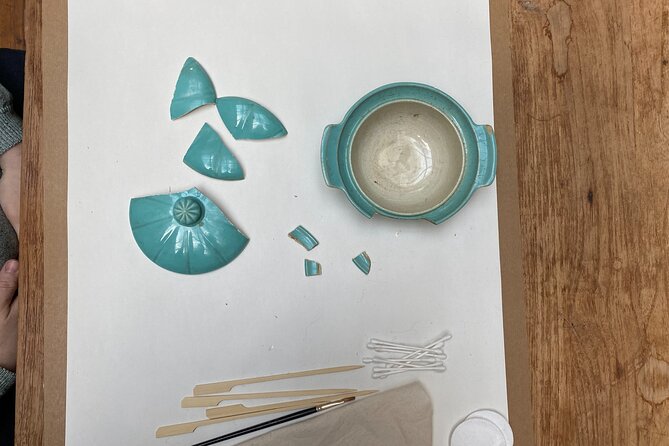
At the heart of the activity, you break a plate provided for the workshop. This is a symbolic fresh start, but it is also the point where the class becomes hands-on. You move from hearing about Kintsugi to dealing with actual pieces that need to be sorted, fitted, and joined.
For some people, intentionally breaking a plate will feel strange. That is part of the exercise. You are not damaging a treasured family object, and the class supplies the items used for the work. The controlled setting makes the act feel more like a creative decision than a careless accident.
Once the pieces are ready, you work out how they belong together. This is likely the most demanding part of the two hours. Small shards need patience. You may have to test one piece, remove it, and try again before the shape makes sense.
The activity calls for moderate physical fitness, although the most important requirement appears to be steady attention and careful hand use. You should expect fine motor work rather than strenuous exercise. If your hands tire easily or you find small detailed tasks difficult, that is worth considering before booking.
Annelies’s role is important here. The available information describes her as welcoming and attentive, and the small class gives her room to guide the process. A good instructor can help you avoid forcing a piece into the wrong place and can explain how to proceed without taking the work away from you.
Turning Cracks Into Gold Lines
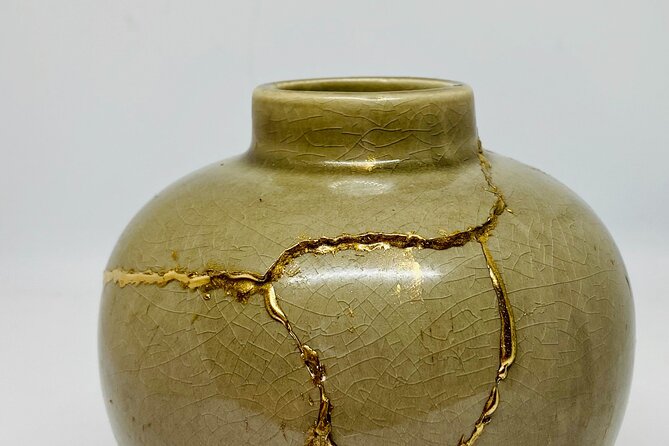
After the pieces are brought back together, the cracks receive their distinctive finish. The supplied description refers to gold leaf glue, which gives the repaired lines their central visual effect. The result is not meant to imitate an untouched plate. The fracture remains visible and becomes the design.
This is where you see the difference between ordinary repair and Kintsugi. A hidden repair tries to erase the past. Kintsugi calls attention to it. The final object carries evidence of what happened, and that evidence is treated as part of its value.
The work rewards patience more than speed. If you rush, the pieces may not align well, and the gold lines will not have the same character. I would approach the class as a quiet craft lesson, not as a quick souvenir stop. Two hours sounds short, but it is enough time to make the process feel deliberate.
The finished plate should be unique because the breaks are unique. Even when everyone follows the same basic method, no two patterns will be exactly alike. That personal result is one reason the class may appeal to people who want something more meaningful than a standard Amsterdam souvenir.
Keep in mind that the supplied information does not promise that you can bring your own damaged pottery. The session provides items for the activity, and that is what you should plan to use. If you have a special object at home, ask before booking rather than assuming it can be repaired during the class.
Same country, a completely different kind of day:
- Amsterdam: Van Gogh Museum Ticket
★ 4.7 · 52,054 reviews - Amsterdam Classic Saloon Boat Cruise with Drinks and Cheese
★ 5.0 · 31,825 reviews - Amsterdam Luxury Canal Cruise + Unlimited Drinks & Bites option
★ 5.0 · 30,518 reviews - Amsterdam: Heineken Experience Ticket
★ 4.6 · 30,055 reviews
What the Two Hours Feel Like
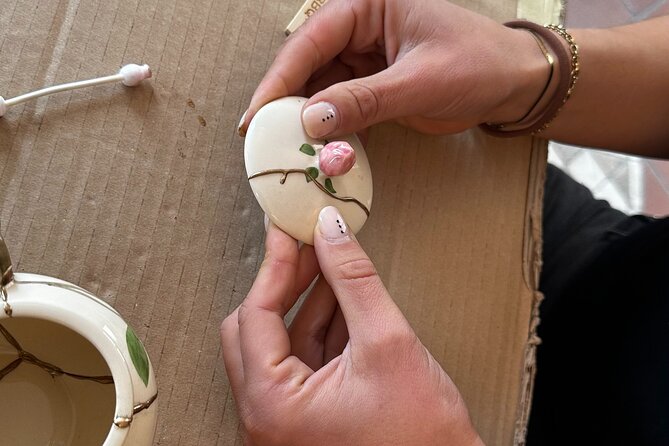
The workshop is designed around focus. You listen to the introduction, break the plate, sort the pieces, rebuild them, and apply the gold-finished adhesive. Each stage has a clear purpose, but the pace depends partly on how carefully you work.
This is a good choice if you enjoy activities that let you slow down. You may find yourself paying closer attention to shape, balance, and tiny gaps than you expected. The work also gives your hands something to do, which can make the session feel restorative after a day spent sightseeing.
The class has a reflective side, but you should not book it expecting a formal therapy session. The language of healing wounds, scars, resilience, and new beginnings is part of the workshop’s theme. The actual activity remains a practical pottery repair lesson with a symbolic message.
That balance is useful. You can take the ideas seriously, or simply enjoy making a plate with an unusual finish. Nothing requires you to share personal stories or treat the exercise as more emotional than you want it to be.
I especially like that the meaning comes through action. You do not just hear that imperfections can be valued. You create an object where the repaired damage is the most visible feature.
Is $90.11 a Fair Price?
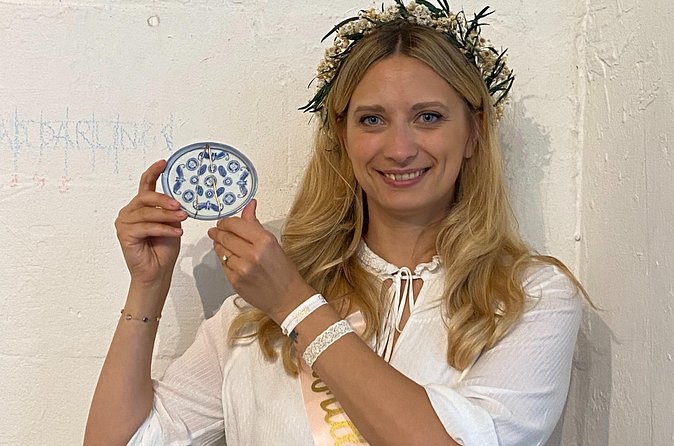
At $90.11 per person, this is not a bargain craft class. The fee makes more sense if you value three things: personal instruction, a very small group, and the completed object you make yourself.
All materials are provided, so you do not need to buy a plate, adhesive, or other workshop supplies in advance. That convenience is useful for a short visit to Amsterdam. You can book the class without packing a craft kit or worrying about transporting fragile materials through the city.
The six-person maximum also supports the price. A private or nearly private lesson costs more than a large group demonstration, but you should receive more direct attention in return. That matters in a process where the pieces must be handled with care.
Still, the value depends on your interests. If you want a cheap, casual activity between major sights, the fee may feel steep. If you enjoy Japanese design, hands-on crafts, mindful activities, or making a personal keepsake, the cost is easier to justify.
Coffee and tea are not included. That is a small point, but it helps set expectations. This is payment for the workshop and materials, not for refreshments or a broader food experience.
Who Should Book This Amsterdam Workshop?
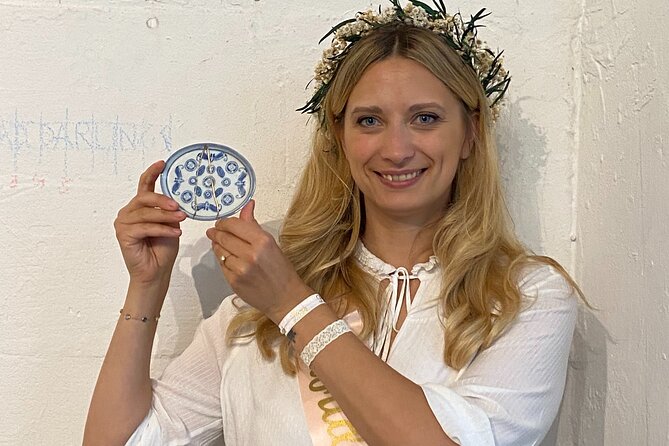
I would point this toward adults and older children who enjoy making things with their hands. It is also a sensible choice for someone who has already seen Amsterdam’s major museums and wants a quieter activity with a local host.
The age rule is clear: children under 10 are not suitable for the workshop. Older children may enjoy the symbolic breaking and rebuilding, but the detailed work requires patience. Parents should decide based on the child’s ability to handle small pieces and follow careful instructions.
This activity may suit couples, friends, solo visitors, and small families. The group size makes it social without becoming a large class. You can work alongside others while still concentrating on your own plate.
It is less suitable if you want a busy schedule or a conventional sightseeing tour. There are no listed canal views, museum entries, neighborhood walks, or food tastings. The value comes from the making process, the discussion of Kintsugi, and the object you take from the experience.
Service animals are allowed. The activity calls for a moderate level of physical fitness, and the supplied details do not provide further information about wheelchair access or the exact working setup. If you have specific mobility needs, contact the operator before reserving.
Timing Your Visit and Handling Changes
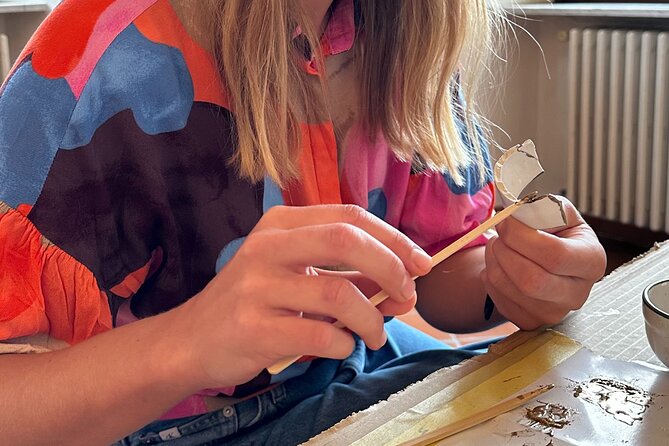
The session lasts about two hours and is offered on Wednesdays from 2:00 PM to 4:00 PM during the listed operating periods. The available dates shown are November 9, 2025 through January 31, 2026, and November 9, 2026 through January 31, 2027.
That Wednesday afternoon time slot works well as a mid-day plan. You can visit another Amsterdam sight before the class, then have the evening free afterward. Do not assume the workshop runs daily. Check the date carefully when you book.
The experience normally needs a minimum number of people. If that minimum is not met and the session is canceled, you are offered another date or experience, or a full refund.
You can cancel for a full refund up to 24 hours before the local start time. Changes or cancellations inside that 24-hour window are not accepted for a refund. I would make your plans firm before that cutoff, especially if the workshop is one part of a tightly scheduled Amsterdam visit.
The activity uses a mobile ticket, so you can keep the confirmation on your phone. The class is conducted in English, which is useful for visitors who want clear instruction during the repair steps.
What Makes This Experience Memorable
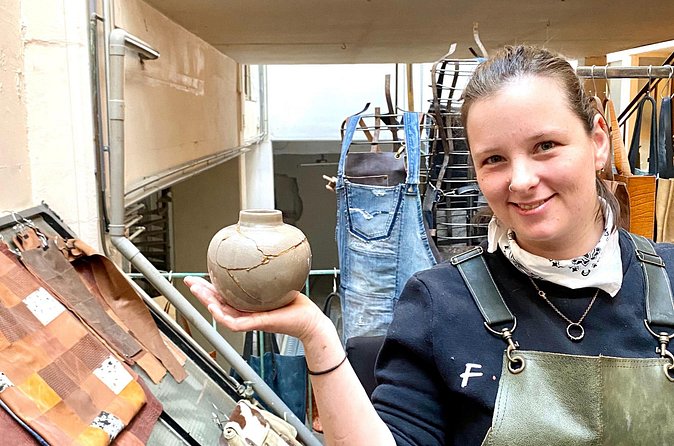
The most appealing part is not the plate alone. It is the change in how you look at the finished object. A crack normally signals failure, but here it becomes a line that gives the piece its identity.
That idea can stay with you after the class. You may start noticing repaired furniture, patched ceramics, or worn surfaces differently. The workshop does not promise to change your life, but it gives you a concrete image for accepting wear and change instead of always trying to hide them.
The practical lesson is just as important. You learn to slow down, test a fit, and accept that the first attempt may not be right. Those small decisions make the session useful even if you never repair another plate.
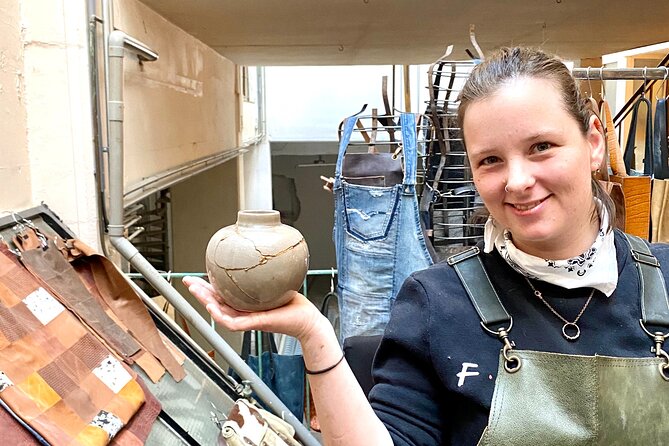
Annelies’s friendly manner adds to the appeal. The setting is personal enough for the instructor to notice how you are working, while the small group keeps the class from feeling like a production line. The strongest praise focuses on her warm welcome and the pleasure of applying the technique at home later.
Should You Book It?
Book this Kintsugi workshop if you want a small, thoughtful Amsterdam activity and like the idea of making your own souvenir. The English instruction, supplied materials, two-hour length, and six-person limit make it easy to fit into a city visit.
Skip it if $90.11 feels too high for a craft class, if you need a broad sightseeing program, or if your schedule does not include a Wednesday afternoon. You should also avoid booking it for children under 10.
For the right person, the appeal is clear: you break a plate, rebuild it with care, and leave with a visible reminder that repair can add character. That is a modest experience, but a memorable one.
FAQ
Where does the Kintsugi workshop take place?
The workshop starts at Paleisstraat 107, 1012 ZL Amsterdam, Netherlands. The activity ends back at the same meeting point.
How long does the workshop last?
The session lasts approximately two hours. The listed Wednesday hours are 2:00 PM to 4:00 PM.
What language is the workshop offered in?
The workshop is offered in English.
Are materials included?
Yes. All materials needed for the workshop are provided.
Is coffee or tea included?
No. Coffee and tea are not included in the workshop price.
Are children allowed to participate?
Children under the age of 10 are not suitable for this activity.
What happens if I need to cancel?
You can cancel up to 24 hours before the local start time for a full refund. Cancellations or changes made less than 24 hours before the start time are not accepted for a refund.
Just added around Amsterdam
- Amsterdam: Giethoorn Tour with Canal Cruise and Windmills★ 5.0 · 3 reviews
- Full-day excursion to Edam, Volendam, and Marken★ 3.7 · 3 reviews
- Amsterdam: Chocolate Fondue in the Dark★ 5.0 · 3 reviews
- Amsterdam Old-West Vegan Food Tour with Local Guide★ 4.7 · 3 reviews
- Amsterdam Family Friendly Historical Walking Tour★ 5.0 · 3 reviews
- Amsterdam Private Walking Tour of Famous Painters★ 5.0 · 3 reviews
- From Amsterdam: visit Zaanse Schans, Muiderslot and more!★ 5.0 · 3 reviews
- Amsterdam Walking Tour with Dutch Pancake Lunch★ 5.0 · 3 reviews
Amsterdam Tours, compared.


Amsterdam Classic Saloon Boat Cruise with Drinks and Cheese
Read our review →
Amsterdam Luxury Canal Cruise + Unlimited Drinks & Bites option
Read our review →


Classic Boat Cruise with Optional Cheese & Wine
Read our review →
Evening Cruise with Optional Wine and Snacks
Read our review →
75 Minute City Canal Cruise with Audio Guide
Read our review →Browse the lists this tour appears in