
Reviewed · AMSTERDAM TOURS
Amsterdam: Canal House Museum ‘Willet-Holthuysen’ Ticket
Amsterdam’s Museum Willet-Holthuysen lets you step inside the kind of grand canal house most people only see from the street. Behind the elegant facade at Herengracht 605, you’ll find a Louis XVI ballroom, ornate salons, a serious art collection, and a garden hidden behind the house.
I like the self-guided audio tour, which lets you choose what deserves your attention and move at your own pace. I also like the contrast between the lavish rooms upstairs and the cramped kitchen and pantry below, where the servants’ world comes into view. The main consideration is that a temporary exhibition may sometimes add competing audio or visual material, making the house tour harder to follow.
- Louis XVI ballroom: See the grandest room in the house, designed for formal entertaining.
- Willet art collection: Explore paintings, furniture, silver, ceramics, sculptures, and photographs in their original setting.
- Servants’ basement: Visit the kitchen and pantry to understand the work behind the household’s polished appearance.
- French-style garden: Find a carefully planned green space with historic trees and plants behind the canal house.
- Audio guide in seven languages: Choose English, Spanish, Dutch, French, German, Italian, or Russian.
- Flexible visit: Your ticket is valid for one day, and you can explore without being tied to a fixed guided group.
A Canal House You Can Actually Enter
Amsterdam’s canal houses often look narrow, mysterious, and tightly sealed from the street. Museum Willet-Holthuysen changes that. This is a grand 17th-century double canal house, and the museum gives you a clear sense of how its wealthy residents used every part of it.
The house was left to Amsterdam by Mrs. Willet in 1895. She also gave the city the art collection of her late husband, Abraham Willet. That decision preserved not just a collection of objects, but an entire domestic setting.
I find that important. A painting in a gallery tells you one thing. A painting hanging among furniture, silver, ceramics, and family rooms tells you something about taste, status, and daily life. Here, the house and its contents work together.
The museum is at Herengracht 605, in North Holland’s capital. The ticket costs $18 per person and is valid for one day. For that price, you are not simply paying to see a few decorated rooms. You are getting a compact lesson in Amsterdam’s upper-class life, with an art collection and garden included.
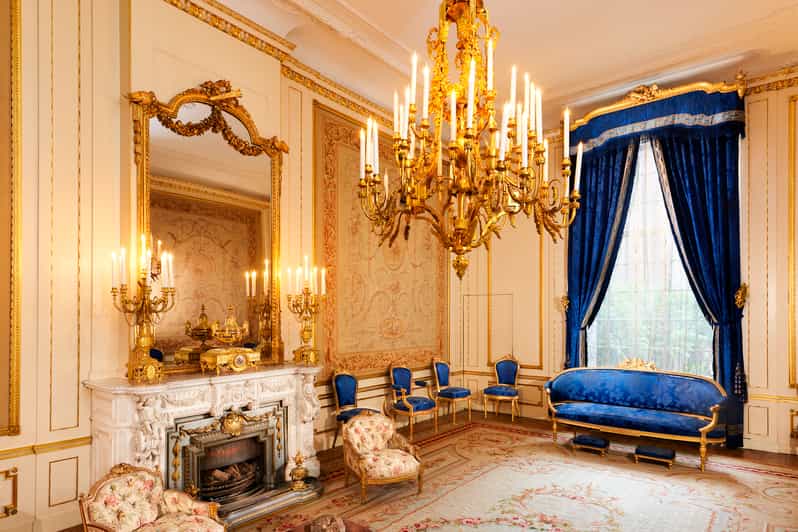
Start Upstairs in the Louis XVI Ballroom
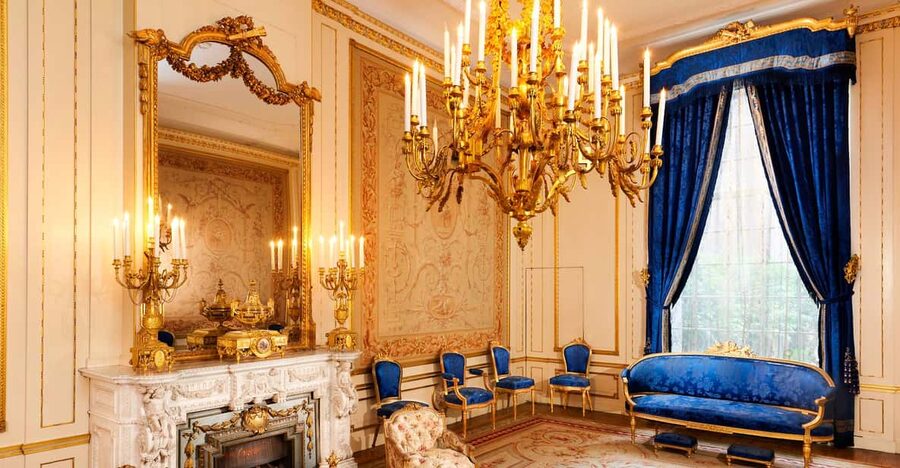
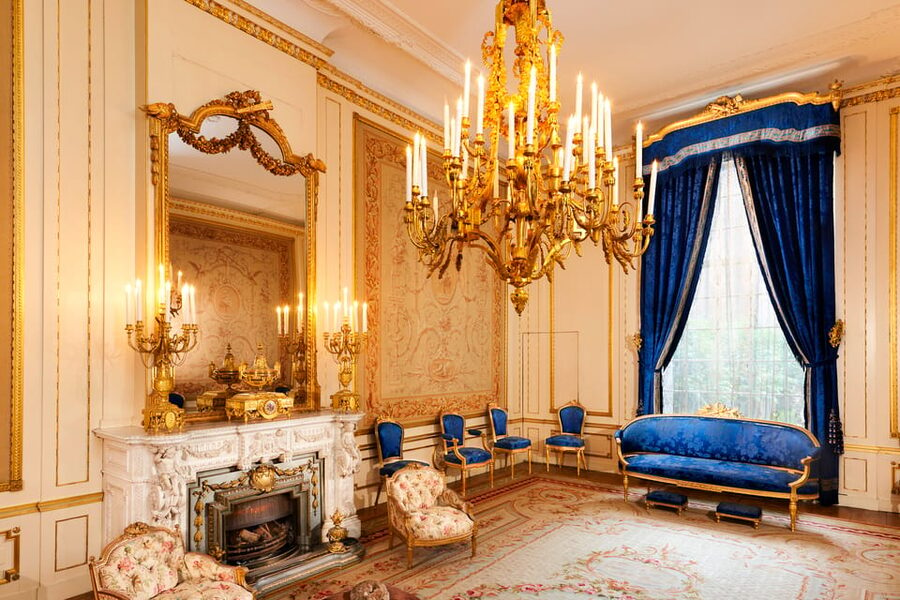
The visit begins on the first floor, where the ballroom makes the strongest first impression. Its Louis XVI style is formal, symmetrical, and made for display. This is the room that tells you immediately that the Willets were not living modestly.
Take a moment here before moving on. Look at how the furniture, decoration, and scale of the room work together. The ballroom is not just attractive. It explains the social role of the house, where entertaining and appearance mattered as much as comfort.
The audio guide helps you place the room in context. You can listen in English, Spanish, Dutch, French, German, Italian, or Russian. Because the tour is self-guided, you are free to pause, replay information, or skip a stop that does not hold your interest.
That freedom is useful in a museum like this. You may want a close look at a piece of furniture while someone else in your group prefers the architecture. You do not have to keep pace with a guide or a large group.
More Museums in Amsterdam
- Amsterdam: Van Gogh Museum Ticket
★ 4.7 · 52,054 reviews - Moco Museum Amsterdam Entrance Tickets with Banksy & More
★ 4.4 · 10,088 reviews - Amsterdam: The Upside Down Museum Entrance Ticket
★ 4.4 · 9,506 reviews
Follow the House Through Dining Room and Salons
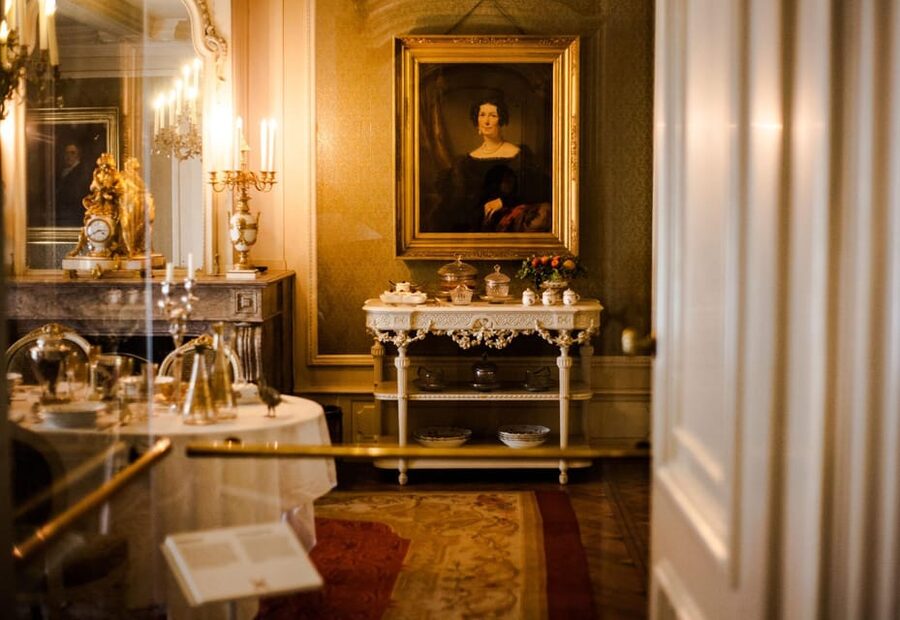
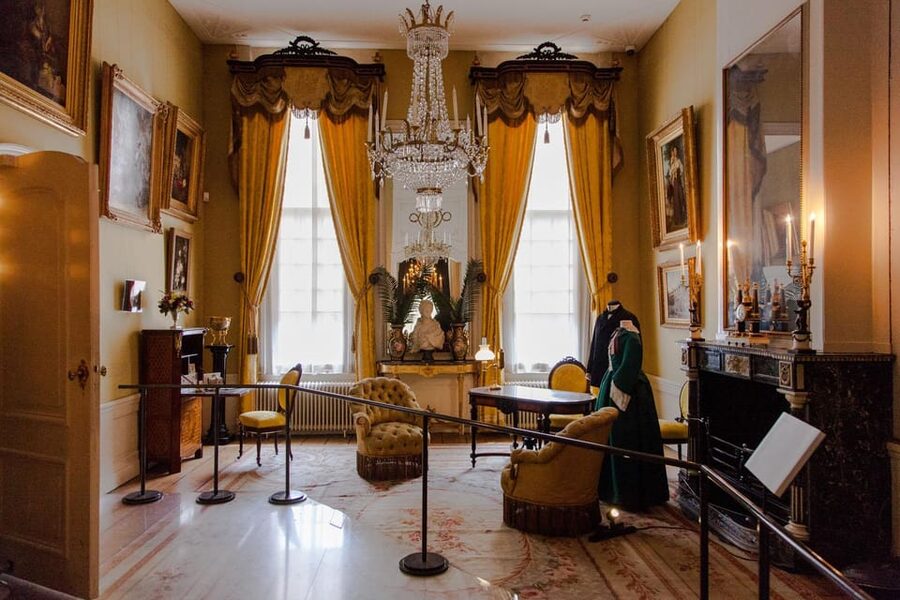
From the ballroom, the route continues through the dining room and the salons used by the lord and lady of the house. These rooms show a more personal side of the building, though they remain highly polished and formal.
The dining room helps you picture the house as a working social space. Meals here were not simply private occasions. In a wealthy Amsterdam home, rooms were arranged around ceremony, hospitality, and the presentation of good taste.
The separate salons also make the household’s social structure easier to understand. The rooms of Abraham and Mrs. Willet offer a sense of how the house was divided between public entertaining and private life.
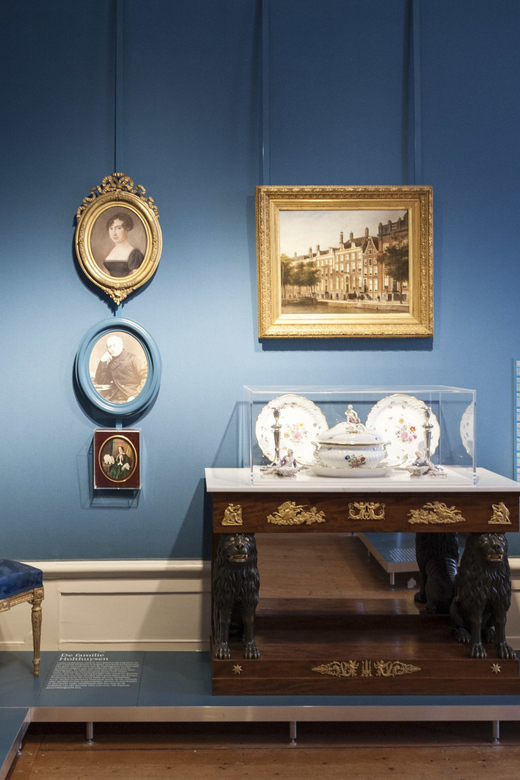
You will see paintings, antique furniture, silver, ceramics, sculptures, and photographs as you go. The collection is varied, so the visit does not depend on one type of object. If you enjoy decorative arts, the furniture and silver deserve careful attention. If paintings are more your interest, the hanging collection gives you plenty to study without requiring a separate museum visit.
One of the strongest features is that the objects are shown in a house rather than in a bare gallery. The setting gives them scale and purpose. A silver object becomes part of a dining world. A chair becomes part of a room designed to impress. The experience is about the relationship between the objects and the rooms.
Look Beyond Decoration to the Willet Collection
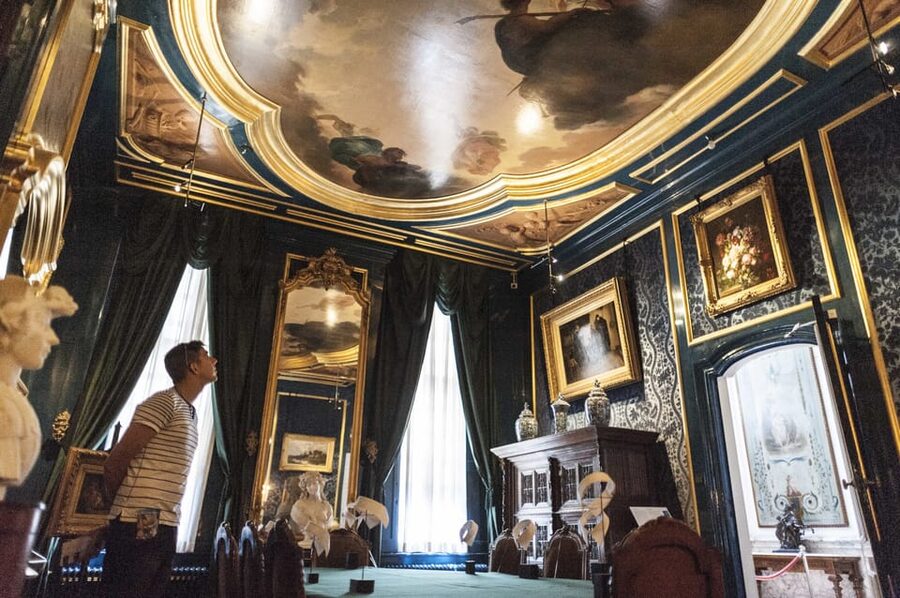
Abraham Willet’s collection is central to the museum. It includes paintings, antique furniture, silver, ceramics, sculptures, and photographs. This range gives you a broad look at the interests and buying power of a wealthy 19th-century Amsterdam resident.
I would not rush through the collection simply because the house is the main attraction. The objects help explain the people who lived there. A room full of expensive items is not just an inventory of possessions. It shows how the Willets expressed education, fashion, social position, and personal taste.
The collection can also appeal to different members of a group. Someone interested in interior design can focus on the rooms and furniture. Someone interested in art can spend more time with the paintings and sculptures. Someone curious about domestic history can follow the audio explanations and watch how the house functioned as a whole.
There is also an art exhibition element at the museum. Temporary displays can add a modern layer to the historic rooms, and this can work well when the presentation connects the old house with new material. The drawback is practical: audio from a temporary installation may be loud enough to interfere with your own audio guide.
If hearing every word matters to you, pay attention to the sound level as you move through the museum. The house tour remains worthwhile, but the exhibition setup can affect how clearly you follow the commentary.
Step Downstairs Into Servants’ Work
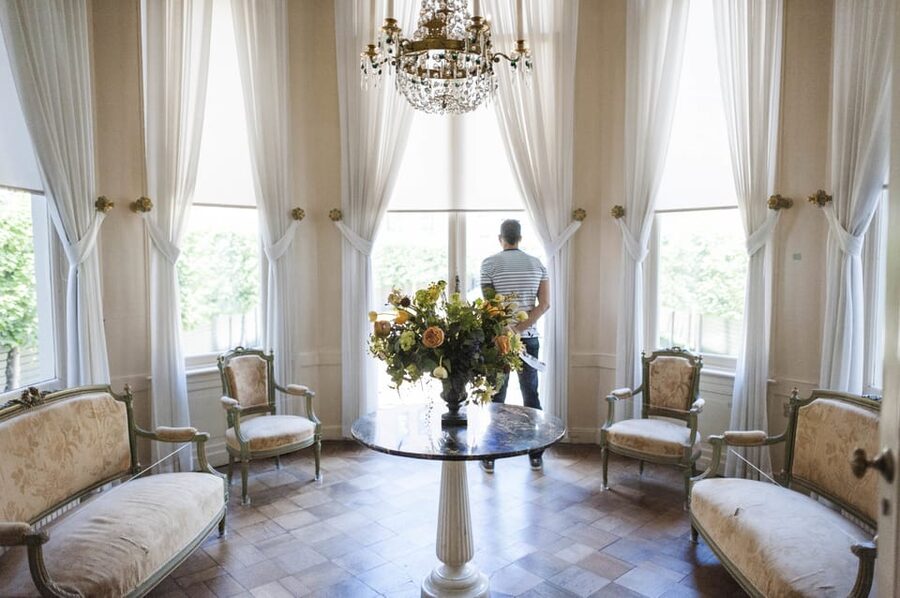
The basement kitchen and pantry provide an important change of scale. Upstairs, the Willets’ world is spacious, decorative, and designed for comfort. Downstairs, you get a clue to the labor needed to keep that world running.
This is one of the most useful parts of the visit because it prevents the house from becoming a simple parade of beautiful rooms. A wealthy household depended on servants who prepared food, stored supplies, cleaned, and supported the formal life above them.
The kitchen and pantry are practical spaces, not showrooms. They help you understand the divide between the family and the people who worked for them. After seeing the ballroom and salons, the basement gives the house a more complete human shape.
You should not expect a long separate servants’ tour. The information available describes these areas as part of the self-guided museum route. Still, they make a strong impression because they show what the polished rooms required behind the scenes.
Same country, a completely different kind of day:
- Amsterdam Classic Saloon Boat Cruise with Drinks and Cheese
★ 5.0 · 31,825 reviews - Amsterdam Luxury Canal Cruise + Unlimited Drinks & Bites option
★ 5.0 · 30,518 reviews - Amsterdam: Heineken Experience Ticket
★ 4.6 · 30,055 reviews - Amsterdam: Rijksmuseum Entry Ticket
★ 4.7 · 25,535 reviews
Save Time for the Garden Behind the House
The garden is one of the best reasons to avoid treating this as a quick indoor stop. Behind the canal house, you find a manicured green space laid out in an 18th-century French style.
The formal design creates a sharp contrast with Amsterdam’s dense canals and busy streets. Once you reach the garden, the house feels less like an urban address and more like a private estate compressed into the city.
The museum explains how historic trees and plants were fitted into this green space. That detail matters because the garden is not simply a patch of lawn added for decoration. Its design reflects planning, fashion, and the desire of wealthy residents to create a controlled natural setting.
I like the garden as a pause between the rooms. After the visual weight of the ballroom, dining room, and collection, the open space lets you reset. It also helps you understand the property as a complete home, not just a series of interiors.
The garden is carefully maintained, so look at the structure as well as the plants. Its value is partly botanical, but it is also architectural. The garden extends the house’s formal character outdoors.
Let the Audio Guide Set Your Pace

This is a self-guided visit, supported by an audio guide rather than a named live guide. The available audio languages are English, Spanish, Dutch, French, German, Italian, and Russian.
The audio format suits the museum. You can choose which stops to hear and spend longer in rooms that catch your attention. That is especially helpful if you want to examine furniture or artwork instead of walking continuously from one room to the next.
The audio guide is also useful for visitors who do not know how Amsterdam canal houses were organized. From the street, you may see a tall facade but have little idea what happens inside. The commentary helps turn the building into a lived-in place.
English-speaking visitors should find the visit straightforward. Dutch and English are also listed among the languages connected with the host or greeter information, but the experience itself is built around the multilingual audio guide.
The museum provides locker storage and clean toilets, which makes the stop easier to manage during a full day in Amsterdam. These are small conveniences, but they matter when you are carrying a day bag or fitting the museum between other visits.
How Long Should You Allow?
The ticket is valid for one day, but no fixed visit length is provided. That makes it best to plan this as a flexible museum stop rather than a timed attraction.
You can move quickly through the main rooms, or spend more time with the collection, audio stops, and garden. A visitor interested mainly in interiors may focus on the ballroom, dining room, salons, and garden. Someone who enjoys art and domestic history will need more time for the Willet collection and the basement spaces.
Because you are not locked into a group schedule, you can also adjust your pace based on the day. If the temporary exhibition is busy or noisy, you can move on and return to another section. If one room grabs your attention, you can stay with it.
The ticket covers one day of entry and the audio guide. Meals and drinks are not included, so plan this as a cultural visit rather than an all-inclusive activity. The central location makes it easy to pair with other Amsterdam sightseeing, though the museum itself provides enough material for a focused stop.
Who Will Get the Most From This Museum?
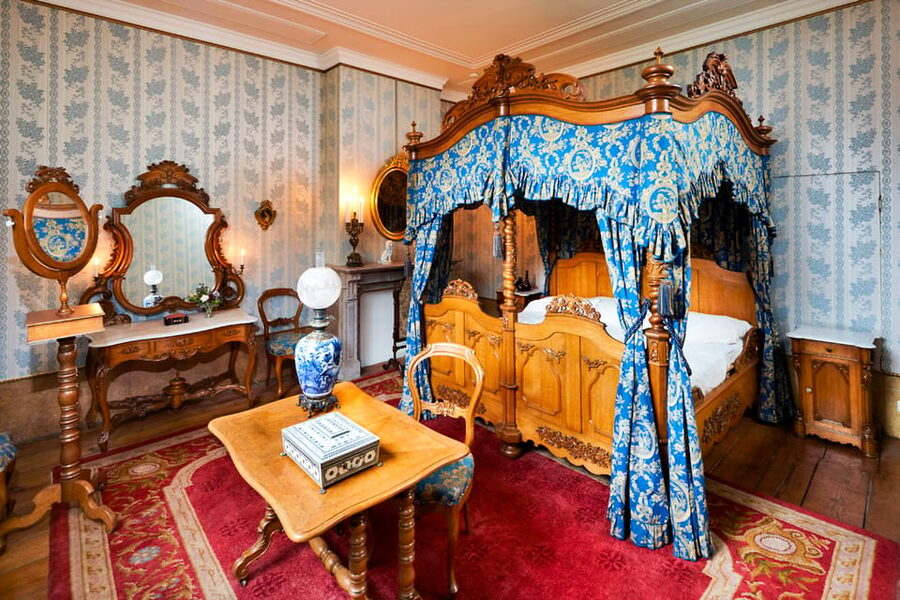
I would recommend Museum Willet-Holthuysen to you if you want to understand what Amsterdam’s grand canal houses are like inside. The exterior architecture is only half the story, and this museum supplies the missing rooms, furnishings, garden, and household structure.
It is especially suitable for:
- Architecture fans: The double canal house and its formal rooms show how a wealthy Amsterdam residence was arranged.
- Art and design fans: The collection covers paintings, furniture, silver, ceramics, sculptures, and photographs.
- History-minded visitors: The contrast between family rooms and servants’ spaces gives the house social context.
- Independent museumgoers: The audio guide lets you choose your own pace and language.
- Garden lovers: The French-style garden offers a calm change from the indoor rooms.
- Repeat Amsterdam visitors: The house provides a more focused experience than a large general museum.
It may be less suitable if you need wheelchair access, since the museum is listed as not suitable for wheelchair users. Smoking is not allowed.
Is the $18 Ticket Good Value?
At $18, the ticket offers solid value if you care about historic interiors, decorative arts, or Amsterdam’s canal-house culture. You get entry, the audio guide, the garden, and access to both the family’s rooms and the servants’ work areas.
The value is strongest because the museum combines several experiences in one address. You are not choosing between a house museum and an art collection. You get both, plus a formal garden.
The price may feel less compelling if you prefer large-scale museums with famous individual artworks or extensive galleries. Museum Willet-Holthuysen is a compact, specialized visit. Its appeal comes from the complete setting and the story of how a wealthy household lived.
I would compare it with the cost of other Amsterdam attractions by asking what you want from your museum time. If you want a focused look at domestic life and interiors, this ticket earns its place. If you have only a few hours and want major international artworks, another museum may be a better match.
Booking Flexibility and Practical Notes
You can cancel up to 24 hours in advance for a full refund, and the reserve-now, pay-later option lets you hold a place without paying immediately. Check availability for the starting times shown when you book, even though the visit itself is self-guided.
The meeting point is Herengracht 605. Dutch and English are listed for the host or greeter, while the audio guide offers seven language choices.
Bring your attention rather than a packed schedule. The best parts of this museum are details: the arrangement of the ballroom, the relationship between furniture and rooms, the basement workspaces, and the garden’s formal plan.
Should You Book Museum Willet-Holthuysen?
Book it if you want to see Amsterdam from inside one of its grand canal houses. The combination of the Louis XVI ballroom, Willet collection, servants’ basement, and French-style garden gives you a clear picture of wealth and domestic life in 19th-century Amsterdam.
I would be more cautious if wheelchair access is essential or if loud temporary exhibition audio would seriously affect your visit. Otherwise, the $18 price is fair for a flexible, self-guided museum with plenty to examine. Give it time, use the audio guide selectively, and do not skip the garden or basement. Those two spaces make the polished rooms easier to understand.
FAQ
Where is Museum Willet-Holthuysen located?
The museum is at Herengracht 605 in Amsterdam, North Holland.
How much does admission cost?
The ticket costs $18 per person.
How long is the ticket valid?
The ticket is valid for one day. Check availability for the starting times offered when booking.
Is an audio guide included?
Yes. An audio guide is included with the entrance ticket.
Which languages are available for the audio guide?
The audio guide is available in Spanish, English, Dutch, French, German, Italian, and Russian.
Is this a guided group tour?
The experience is a self-guided museum visit with an audio guide. Host or greeter language information lists Dutch and English.
What can I see inside the house?
You can see the Louis XVI ballroom, dining room, salons of the lord and lady of the house, the Willet art collection, and the basement kitchen and pantry.
Does the museum include a garden?
Yes. The museum has a manicured garden laid out in an 18th-century French style, with historic trees and plants.
Is the museum wheelchair accessible?
The experience is listed as not suitable for wheelchair users.
Just added around Amsterdam
- Amsterdam: Giethoorn Tour with Canal Cruise and Windmills★ 5.0 · 3 reviews
- Full-day excursion to Edam, Volendam, and Marken★ 3.7 · 3 reviews
- Amsterdam: Chocolate Fondue in the Dark★ 5.0 · 3 reviews
- Amsterdam Old-West Vegan Food Tour with Local Guide★ 4.7 · 3 reviews
- Amsterdam Private Walking Tour of Famous Painters★ 5.0 · 3 reviews
- Amsterdam Family Friendly Historical Walking Tour★ 5.0 · 3 reviews
- From Amsterdam: visit Zaanse Schans, Muiderslot and more!★ 5.0 · 3 reviews
- Amsterdam Walking Tour with Dutch Pancake Lunch★ 5.0 · 3 reviews
Amsterdam Tours, compared.


Amsterdam Classic Saloon Boat Cruise with Drinks and Cheese
Read our review →
Amsterdam Luxury Canal Cruise + Unlimited Drinks & Bites option
Read our review →


Classic Boat Cruise with Optional Cheese & Wine
Read our review →
Evening Cruise with Optional Wine and Snacks
Read our review →
75 Minute City Canal Cruise with Audio Guide
Read our review →Browse the lists this tour appears in