
Reviewed · AMSTERDAM TOURS
2 Hour Making Rembrandt’s Traditional Oil Paints in Amsterdam
Rembrandt’s paintings begin with something most museum visitors never see: the careful making of paint. In this Amsterdam workshop, you mix 14 natural pigments with linseed oil, then use your handmade colors to create a small painting of your own.
I like the private format, which gives Eric room to explain the process at your pace. I also like the tight two-hour schedule and the personal keepsake. The main consideration is price: at $114.88 per person, this is a specialty activity, not a casual drop-in art class.
Key points to know before booking
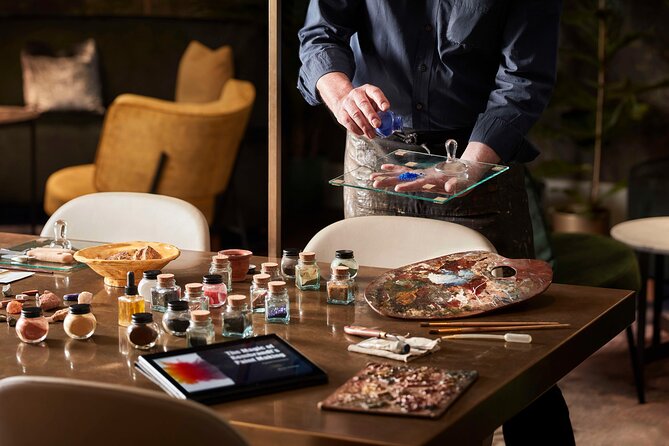
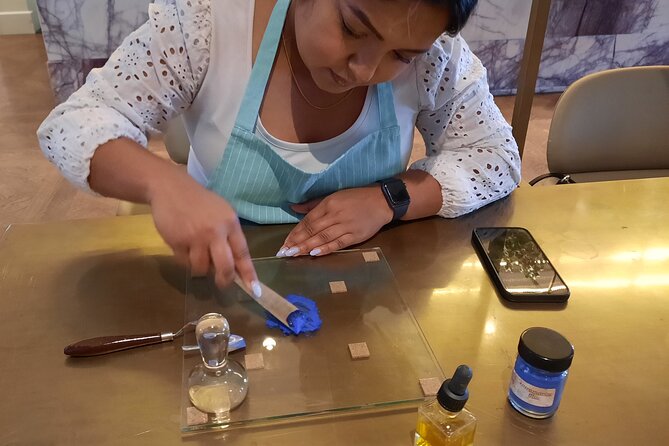
- You make the paint yourself: Mix natural pigments and linseed oil rather than simply using prepared tubes.
- Eric leads the class: He combines practical instruction with clear background on Rembrandt and his methods.
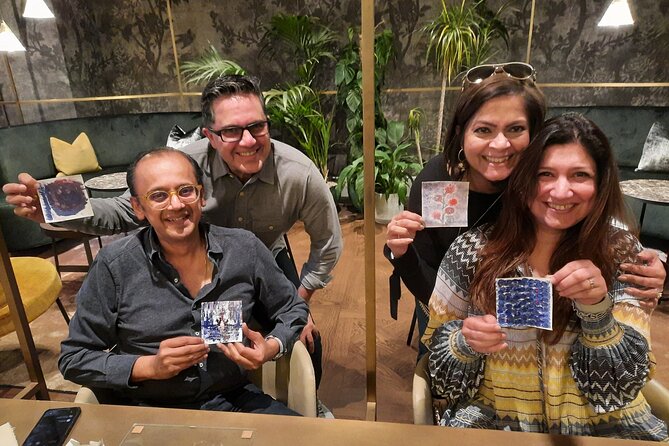
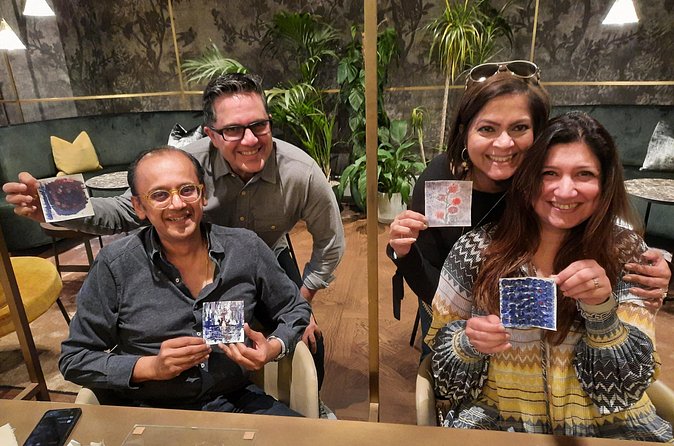
- You create a mini masterpiece: The finished small painting gives you something personal to take away.
- The class is private: Only your own group takes part, so the session can feel focused and personal.
- It fits an afternoon plan: The activity lasts about two hours and operates daily between 3:00 PM and 7:00 PM.
- It is best for art-curious visitors: You do not need a full day or a formal art course to get something meaningful from it.
Why making paint changes the way you see Rembrandt
Most people meet Rembrandt through finished paintings. You see the dark backgrounds, glowing faces, and strong contrasts, but the materials behind those effects remain out of sight.
This workshop shifts your attention to the working process. You handle the pigments and combine them with linseed oil in the manner used during Rembrandt’s time. That simple act gives you a better sense of how much thought goes into color before a brush ever touches a canvas.
I like this approach because it links art history to something physical. Instead of hearing only about Rembrandt’s technique, you take part in one small section of it. You can see how separate pigments become a usable paint and how a limited group of materials can produce a wide range of colors.
The workshop also gives you a practical reason to look more closely at Dutch paintings afterward. You may find yourself paying attention to the way warm and cool tones meet, or to how dark paint can make a lighter area seem to glow. The class will not turn you into a Rembrandt scholar in two hours, but it can make museum visits more alert and more satisfying.
A few more Amsterdam trips worth a look
- Amsterdam: 2-Hour Canal Cruise incl. Drinks & Dutch Snacks
★ 5.0 · 594 reviews - Amsterdam 2-hour Private Canal Cruise with Live Guide and Drinks
★ 5.0 · 296 reviews - Amsterdam 2-Hour Evening Cruise With Live Guide and Bar
★ 5.0 · 134 reviews
Mixing 14 pigments with linseed oil
The heart of the activity is the paint-making session. You work with 14 natural pigments and mix them with linseed oil, following the basic kind of process an artist of Rembrandt’s period would have used.
That is more interesting than a standard painting lesson because the color begins with you. You are not choosing from modern tubes labeled with ready-made shades. You are helping produce the material that you will later use.
The information provided does not specify the exact names of all 14 pigments, the tools used, or the precise order of the demonstrations. I would not book this expecting a technical conservation course with a full materials lecture. Instead, think of it as a hands-on introduction to historical paint-making, supported by stories and explanations from Eric.
The payoff is the connection between material and image. A color can feel more memorable when you have mixed it yourself. You begin to understand that old master paintings were not made from an endless factory-made color range. Artists worked with available materials, adjusted mixtures, and built effects through skill and judgment.
You also get an endless color palette in practical terms, since the pigments can be combined in many ways. That does not mean every possible shade is created during the class. It means the basic set gives you plenty of room to see how different mixtures change the result.
Learning with Eric in a private class
Eric is the instructor named for this experience, and his role is a major part of its appeal. He brings together background on Rembrandt, guidance on pigment mixing, and help with the small painting you make at the end.
The private setup matters. Your group is the only group taking part, so you do not have to compete with a large class for explanations or hands-on attention. If you want to ask why a certain mixture behaves in a certain way, the format gives you a better chance to do so.
It also makes the class easier for mixed groups. One person may already enjoy painting, while another may simply like art and history. A private lesson can accommodate both interests more easily than a fixed group session.
The experience is offered in English. That makes the instruction straightforward for English-speaking visitors, especially when the class involves process details and historical terms.
I would still keep expectations sensible. This is a short class, not a private academic seminar. Eric can offer useful context about Rembrandt and his techniques, but the main focus is doing the work yourself. If you want a long lecture on seventeenth-century Amsterdam, this will feel too practical. If you want history tied to an activity, the balance should suit you well.
Painting your own small work
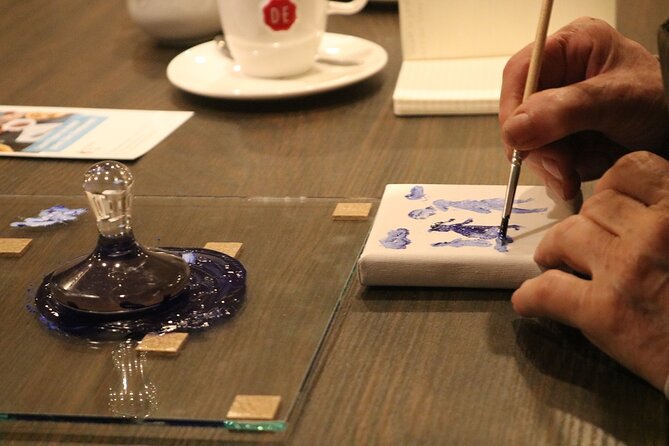
After preparing the paints, you use them to make a mini masterpiece. The wording suggests a small, manageable project rather than a large finished canvas, which is a good match for a two-hour schedule.
That size is part of the appeal. You get the pleasure of making something by hand without committing an entire afternoon to a demanding art course. The finished piece also gives the experience a clear ending. You do not simply leave with new information. You leave with a reminder of the process.
Do not expect a museum-quality copy of a Rembrandt painting. The value is in using your own handmade colors and seeing how the materials work under instruction. Your result will reflect the limits of the short session, your own comfort with painting, and the simple fact that art takes practice.
I like that the project is connected to the paint-making rather than tacked on as a separate craft. You first learn where the color comes from, then put it to use. That order gives the painting more meaning.
If you are careful about luggage, the activity description does not explain how the finished work is packaged or transported. You may want to ask the provider before booking if you need specific advice for carrying it home.
Same country, a completely different kind of day:
- Amsterdam: Van Gogh Museum Ticket
★ 4.7 · 52,054 reviews - Amsterdam Classic Saloon Boat Cruise with Drinks and Cheese
★ 5.0 · 31,825 reviews - Amsterdam Luxury Canal Cruise + Unlimited Drinks & Bites option
★ 5.0 · 30,518 reviews - Amsterdam: Heineken Experience Ticket
★ 4.6 · 30,055 reviews
The two-hour schedule and afternoon timing
The class lasts about two hours. Its operating window is 3:00 PM to 7:00 PM every day, from October 14, 2023 through November 27, 2026.
That timing works well in a city with many morning and early afternoon sights. You can spend part of the day at museums or walking around Amsterdam, then attend the workshop later. Since the start and end point are the same, you do not need to arrange a separate ride from a distant finishing location.
The exact start time within the afternoon and evening window should be checked when you book. The available information gives the operating hours, but not a specific daily departure time.
Two hours is enough for a focused introduction, but it also creates limits. You should not expect a long painting session after the paint is mixed. The workshop needs to divide its time between Rembrandt’s methods, pigment preparation, instruction, and your mini painting.
That compact format is useful if you have only a short stay in Amsterdam. It also helps if your group contains people who like art but do not want a full-day class. On the other hand, serious painters may wish for more time to experiment with the colors and develop a larger piece.
The activity is booked an average of 45 days in advance. That suggests you should not leave it until the last moment if this is important to your schedule, particularly if you need a specific afternoon.
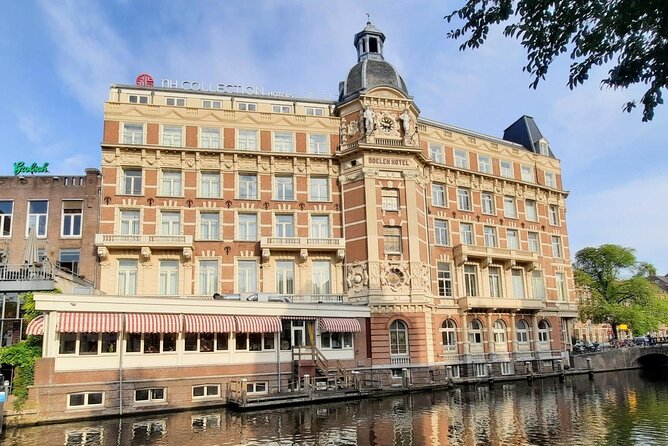
Meeting at Nieuwe Doelenstraat 24
The workshop begins and ends at Nieuwe Doelenstraat 24, 1012 CZ Amsterdam. The meeting point is near public transportation, which makes it practical to reach without arranging a private transfer.
Because the activity returns to its starting point, it is easy to connect with the rest of your day. You can plan dinner, another nearby stop, or a return to your accommodation without guessing where the class will leave you.
The location is also described as having relevant Rembrandt history around it. That adds a useful sense of place before the class begins. Still, the supplied information does not identify a specific Rembrandt building, museum room, or historic site included in the activity. I would treat the setting as part of the atmosphere, not as a separate guided walking tour.
Arrive with the meeting point clearly saved on your phone. The experience includes a mobile ticket, and confirmation is sent when you book. Those small details matter in Amsterdam, where a clear address and a ready ticket can save time.
Is $114.88 per person good value?
At $114.88 per person, this workshop costs more than a basic group art class. You are paying for a private experience, an English-speaking instructor, historical context, hands-on materials, and a finished small painting.
The strongest value comes from the combination. A talk about Rembrandt would give you background but no practical connection. A regular painting class might give you materials but not the historical link. This experience joins the two.
The private format also changes the calculation. If you are traveling as a couple, family, or small group, you are not sharing the session with unrelated participants. That can make the price easier to justify if personal attention matters to you.
I would consider it good value for an art lover who wants one distinctive activity in Amsterdam and would rather make something than only look at it. It is less convincing for someone seeking the cheapest creative activity, a large finished painting, or a broad city tour.
The small final painting is part of the value, but it should not be the only reason you book. The real benefit is the process of making historical-style oil paint and understanding how that process relates to Rembrandt’s work.
Who will enjoy this workshop most
I would recommend this experience to:
- Art lovers who want more than a museum visit
- Visitors interested in Rembrandt’s working methods
- Couples or small groups who prefer private activities
- Families or friends with mixed levels of painting experience
- People with only two hours free in the afternoon
- Anyone who enjoys hands-on souvenirs rather than mass-produced gifts
You do not need to be an experienced painter. The activity is designed around guidance, and most participants can take part. The focus is on learning and making, not on proving artistic ability.
Service animals are allowed. The available details do not give specific information about wheelchair access, seating, paint safety, or accommodations for particular needs, so contact the provider if those points affect your decision.
You should think twice if you dislike messy creative work, want a polished professional result, or prefer a large-scale art lesson. The class is short and centered on the experience of preparing the materials.
Booking, cancellation, and practical planning
Confirmation arrives at the time of booking, and you can use a mobile ticket. The activity is private and offered in English.
Free cancellation is available if you cancel at least 24 hours before the start time. Canceling less than 24 hours ahead does not qualify for a refund, and changes made inside that period are not accepted. The cut-off follows local Amsterdam time.
Since the activity is often booked 45 days ahead, I would reserve early if you have a fixed itinerary. Then keep the cancellation deadline in mind in case your plans change.
The workshop runs daily during the stated operating period, but the listed hours cover 3:00 PM to 7:00 PM rather than naming one guaranteed start time. Confirm the exact appointment when making your plans.
Should you book this Rembrandt paint-making class?
Book it if you want a focused, personal Amsterdam activity that connects art history with your own hands. The best parts are the 14 natural pigments, the use of linseed oil, Eric’s instruction, and the small painting you make with the colors you prepared.
Skip it if you want a low-cost art class, a long lesson, or a large finished artwork. At $114.88, this is a specialized experience, but the private format and historical method give it a clear purpose.
For an art-minded visitor with two afternoon hours to spare, I think it is a smart choice. You leave with a better sense of how Rembrandt’s colors began, plus a small reminder that you made them yourself.
FAQ
How long does the Rembrandt paint-making experience last?
The workshop lasts approximately two hours.
Where does the activity begin?
It begins at Nieuwe Doelenstraat 24, 1012 CZ Amsterdam, Netherlands.
Where does the activity end?
The activity ends back at the same meeting point.
What time of day is the workshop offered?
It is offered between 3:00 PM and 7:00 PM, Monday through Sunday, during the stated operating period.
Is the activity offered in English?
Yes. The experience is offered in English.
Is this a private activity?
Yes. Only your own group participates in the class.
What will I make during the workshop?
You will make handmade oil paints using 14 natural pigments and linseed oil, then use them to create a small painting.
Who leads the workshop?
Eric is the named instructor for the experience.
Is public transportation available near the meeting point?
Yes. The meeting point is near public transportation.
Can I cancel for a full refund?
Yes, if you cancel at least 24 hours before the experience start time. Cancellations made less than 24 hours ahead are not refunded.
Just added around Amsterdam
- Amsterdam: Giethoorn Tour with Canal Cruise and Windmills★ 5.0 · 3 reviews
- Full-day excursion to Edam, Volendam, and Marken★ 3.7 · 3 reviews
- Amsterdam: Chocolate Fondue in the Dark★ 5.0 · 3 reviews
- Amsterdam Old-West Vegan Food Tour with Local Guide★ 4.7 · 3 reviews
- Amsterdam Family Friendly Historical Walking Tour★ 5.0 · 3 reviews
- Amsterdam Private Walking Tour of Famous Painters★ 5.0 · 3 reviews
- From Amsterdam: visit Zaanse Schans, Muiderslot and more!★ 5.0 · 3 reviews
- Amsterdam Walking Tour with Dutch Pancake Lunch★ 5.0 · 3 reviews
Amsterdam Tours, compared.


Amsterdam Classic Saloon Boat Cruise with Drinks and Cheese
Read our review →
Amsterdam Luxury Canal Cruise + Unlimited Drinks & Bites option
Read our review →


Classic Boat Cruise with Optional Cheese & Wine
Read our review →
Evening Cruise with Optional Wine and Snacks
Read our review →
75 Minute City Canal Cruise with Audio Guide
Read our review →Browse the lists this tour appears in